



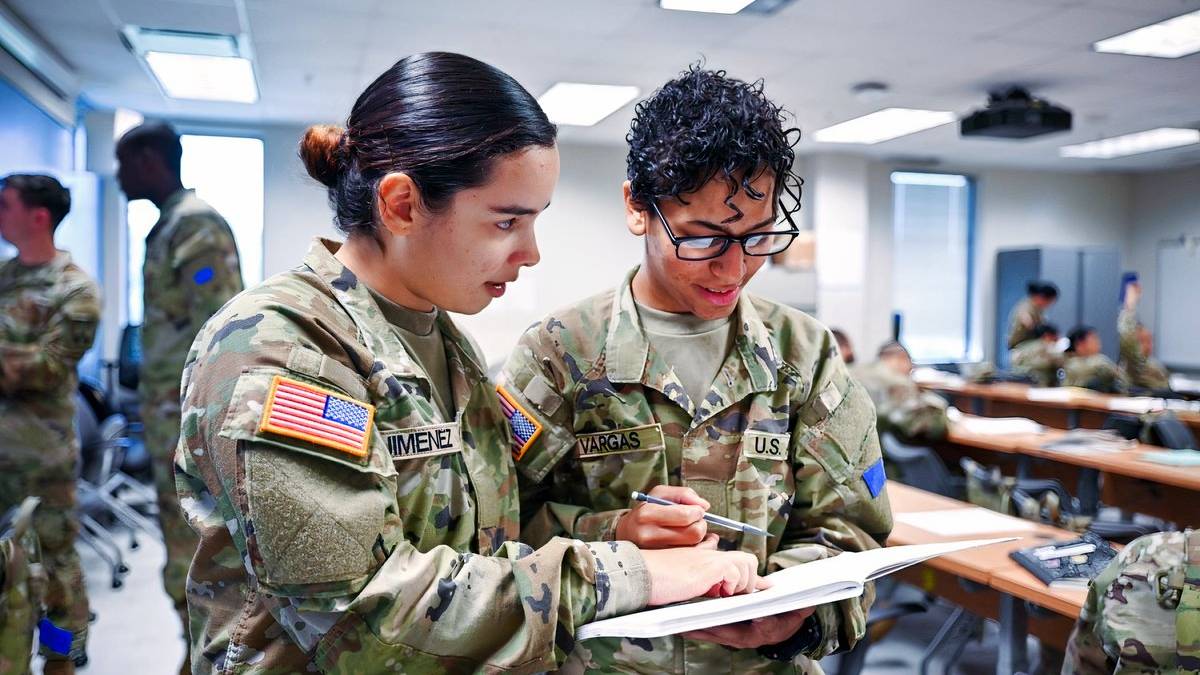

If your dream is to join the U.S. Army in 2026, but your physical fitness or academic performance do not meet Army standards, then the Future Soldier Preparatory Course may be the answer.
This article outlines recent changes in the scope of the course, and explains the course’s two tracks, whether you are eligible, what to expect, how successful it is, and some pros and cons to help you decide if the Future Soldier Prep Course is right for you.
Why the Army’s Future Soldier Prep Course Exists
The Army Future Soldier Prep Course (FSPC) is a pre-basic training program held at Fort Jackson, SC that helps eligible recruits meet enlistment standards through a structured program designed to help those with sub-par ASVAB scores or body-fat percentages that are slightly outside enlistment requirements. The FSPC is not basic training, and lasts up to 90 days. Trainees move on to basic training once they meet required standards.
The FSPC has two tracks available to applicants: academic and physical (fitness). In 2023, the Army expanded the course, to allow recruits to enroll in both academic and fitness tracks. However, in 2025, the Army narrowed the program focus, allowing applicants to only participate on one or the other track.
If you are accepted into and successfully complete the FSPC, you typically are offered the same bonuses and incentives as all the recruits.
Academic Track
The program accepts applicants who scored below average, (IVA and IVB), on the Armed Forces Qualification Test (AFQT) (see table below). Your AFQT score determines whether you are qualified to join the military. The minimum score to join the Army is 31.
|
AFQT Category |
Percentile Score |
Persons’ Trainability and on‑the‑Job Performance Tend to be |
|---|---|---|
|
I |
93-99 |
Above Average |
|
II |
65-92 |
Above Average |
|
IIIA |
50-64 |
Average |
|
IIIB |
31-49 |
Average |
|
IVA |
21-30 |
Below Average |
|
IVB |
16-20 |
Below Average |
|
IVC |
10-15 |
Below Average |
|
V |
1-9 |
Markedly Below Average |
The academic component of the FSPC provides instruction to trainees in arithmetic reasoning, reading comprehension, and word knowledge, three of the four main components of the AFQT, and the primary measure to determine military service eligibility. Applicants are also taught test-taking strategies, such as time management and study methods to aid in improving AFQT scores.
The applicants in these categories can enlist in the Army as a delayed trainee, for the sole purpose of attending FSPC for no more than 90 days. During the course, trainees take the Armed Forces Classification Test (AFCT) (active-duty version of the ASVAB) every 21 days, up to three times. Once you achieve an AFQT score of IIIB or higher, you will choose a Military Occupational Specialty (MOS) based on your new composite (line) score, and move on to basic training. You may be able to renegotiate your contract and apply for more jobs based on your new line scores.
If you fail to reach the required AFQT score of 31 within the 90-day period, or fail to show potential, you generally receive an Entry Level Separation (ELS) from the Army.
Fitness (Physical) Track
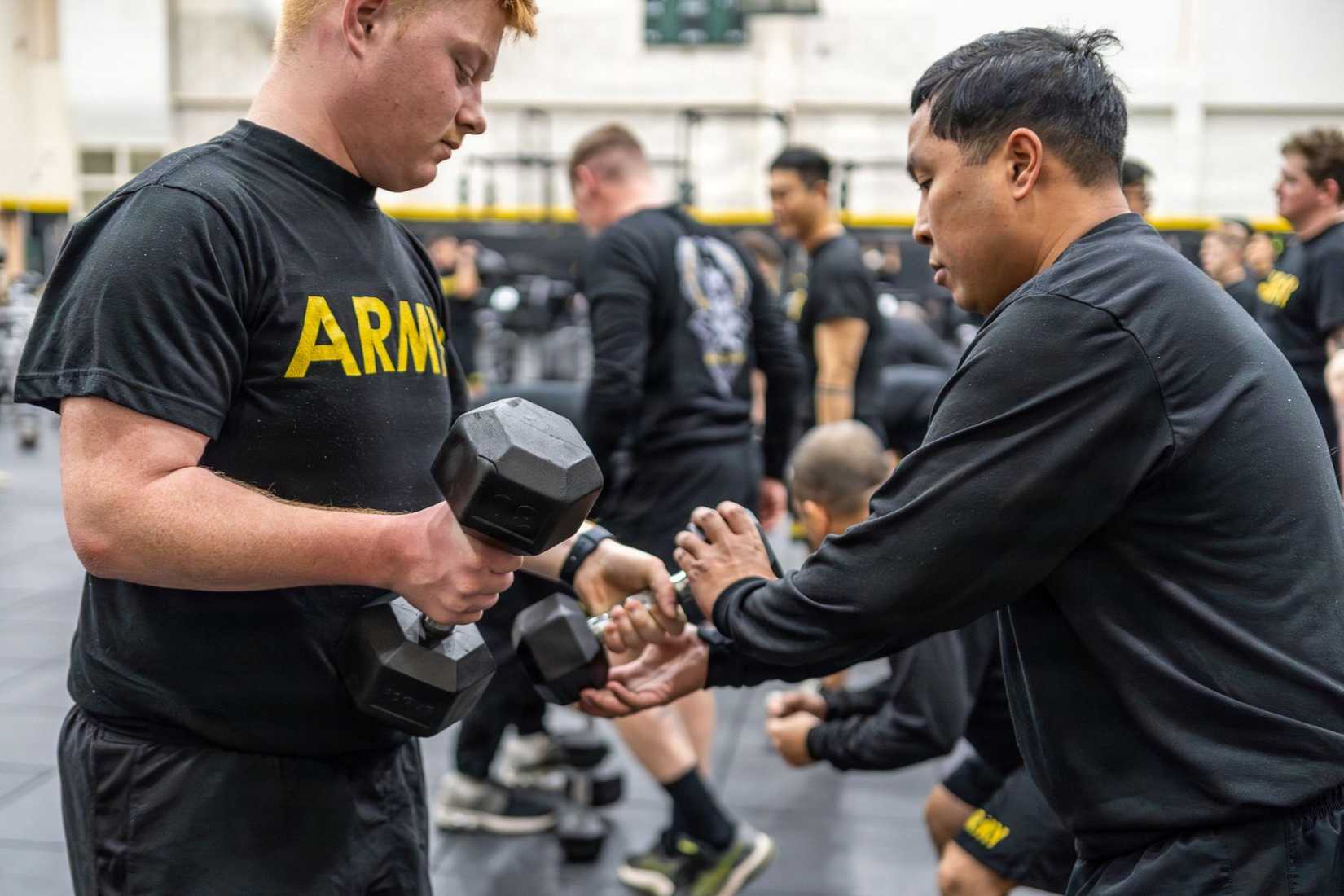
The Army fitness track is also called the Assessment of Recruit Motivation and Strength (ARMS). As of February 2024, new applicants can join with a body fat composition up to 6% above standards based on gender, age and height, and after participation in the FSPC, must be no more than 2% above current standards.
The program is a holistic 90-day program that builds body composition and endurance, where applicants go through workouts, diet, and sleep education, aimed at meeting the Army’s body fat and physical training standards. Those areas include:
- Physical: Low-Impact workouts to build stamina and strength.
- Mental: Transition from civilian to military mindset
- Nutrition: Emphasizes portion control, and balanced eating
- Sleep: Proper rest and recovery to optimize fat loss.
- Military Integration: Exposure to customs and courtesies to prepare for basic training.
FSPC Eligibility
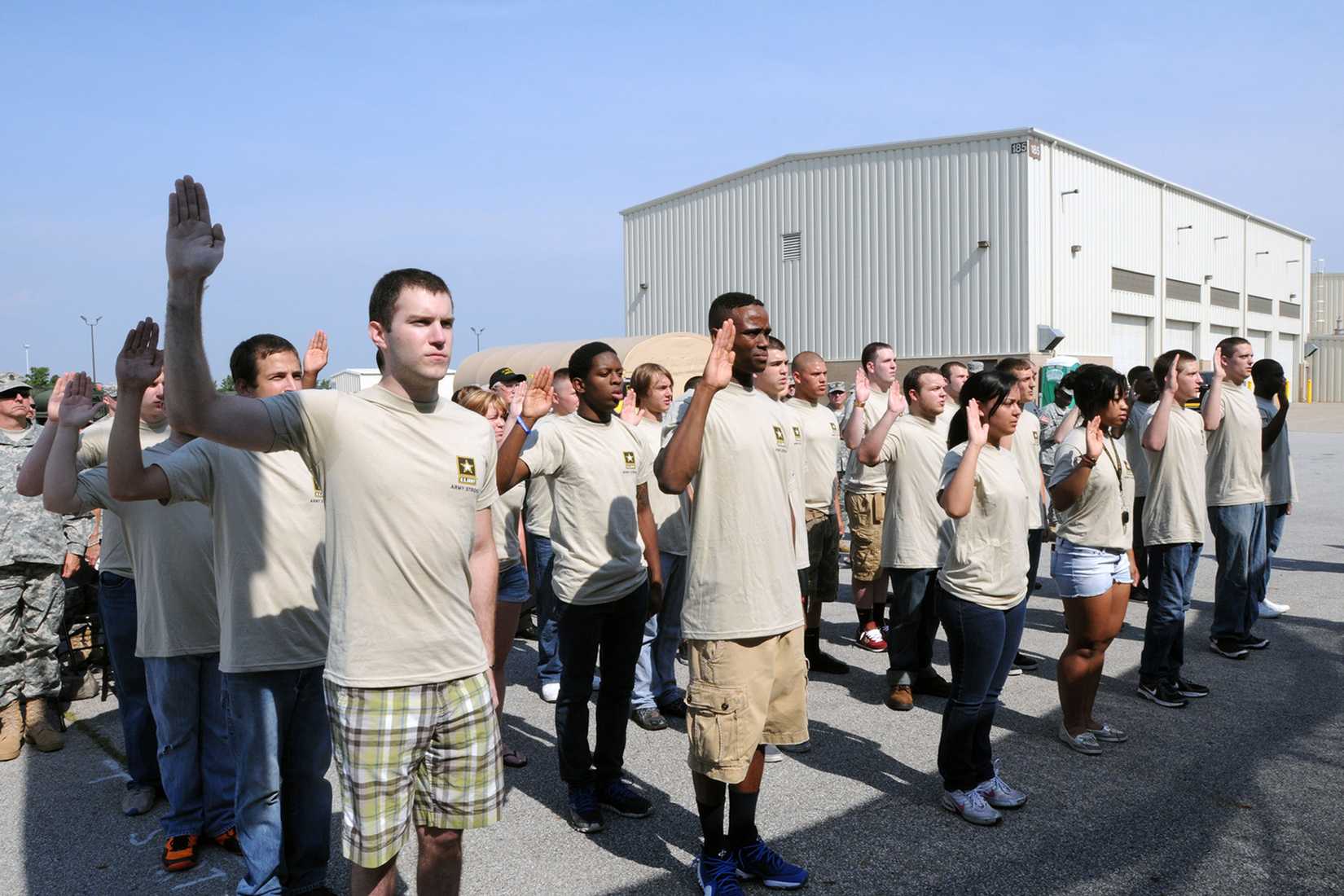
To apply for the FSPC, you must be a prospective recruit for the Army active-duty, reserves, or National Guard, and meet all Army enlistment requirements, such as age, citizenship, health, and education.
Applicants looking to enlist in the academic track must achieve a score of 21 – 39 on the AFQT, pass the MEPS physical, and not need a waiver for misconduct. If you score between 42 and 49, you may volunteer for the program if you want to improve your line scores so you can renegotiate your contract to qualify for additional MOS opportunities and bonuses.
To qualify for the fitness track, you must qualify for the ARMS program (score of 50+ on the AFQT), pass the MEPS physical, and do not meet current Army body-fat composition standards.
Does FSPC Count as Army Basic Training?
No. The program is a pre-basic training prep course designed to help applicants who currently fail Army standards in academic aptitude and body-fat composition to improve AFQT and reduce body-fat composition, so they can enlist in the Army. Applicants who successfully graduate from the program are immediately scheduled for the next Army basic training cycle.
FSPC Success Rates
Since the program first began in August 2022, the FSPC has become a major factor in the Army’s recruiting success. About 13,200 recruits joined the Army over the course of fiscal year 2024. That is about one in every four of the 55,000 recruits who enlisted that year.

According to Army Secretary Daniel Driscoll, the FSPC enlisted those who would not have previously been eligible to enlist, playing a major role in the Army surpassing its fiscal year 2025 recruiting goal four months early.
As cited in a January 2025 Congressional Research Service report, the fitness track has had a 94.8% graduation rate, and the academic track 92.2%, based on approximately 32,000 graduates through January 2025.
FSPC Pros and Cons
|
Pros |
Cons |
|---|---|
|
Gives motivated recruits who fall slightly below entry standards (ASVAB score or body fat) a pathway to enlist. |
Adds 30 to 90 days to total training prior to starting basic training. |
|
Over 92% of academic recruits increase test scores, and 94.8% of fitness recruits meet standards. |
Recruits who fail to meet minimum requirements within the allotted timeframe face discharge from the Army. |
|
Higher ASVAB scores allow recruits to renegotiate contracts for broader career choices and enlistment bonuses. |
Applicants can only participate in either the academic or fitness track, not both simultaneously. |
|
Recruits are on active status and receive regular military pay and benefits. |
Applicants in the fitness track go through a rigorous program of intensive physical training. |
|
Focuses on dedicated classroom instruction, nutritional coaching, and fitness training rather than traditional boot camp discipline. |
Note: All information is current as of the date of publication and is subject to change.
Read the full article here
