



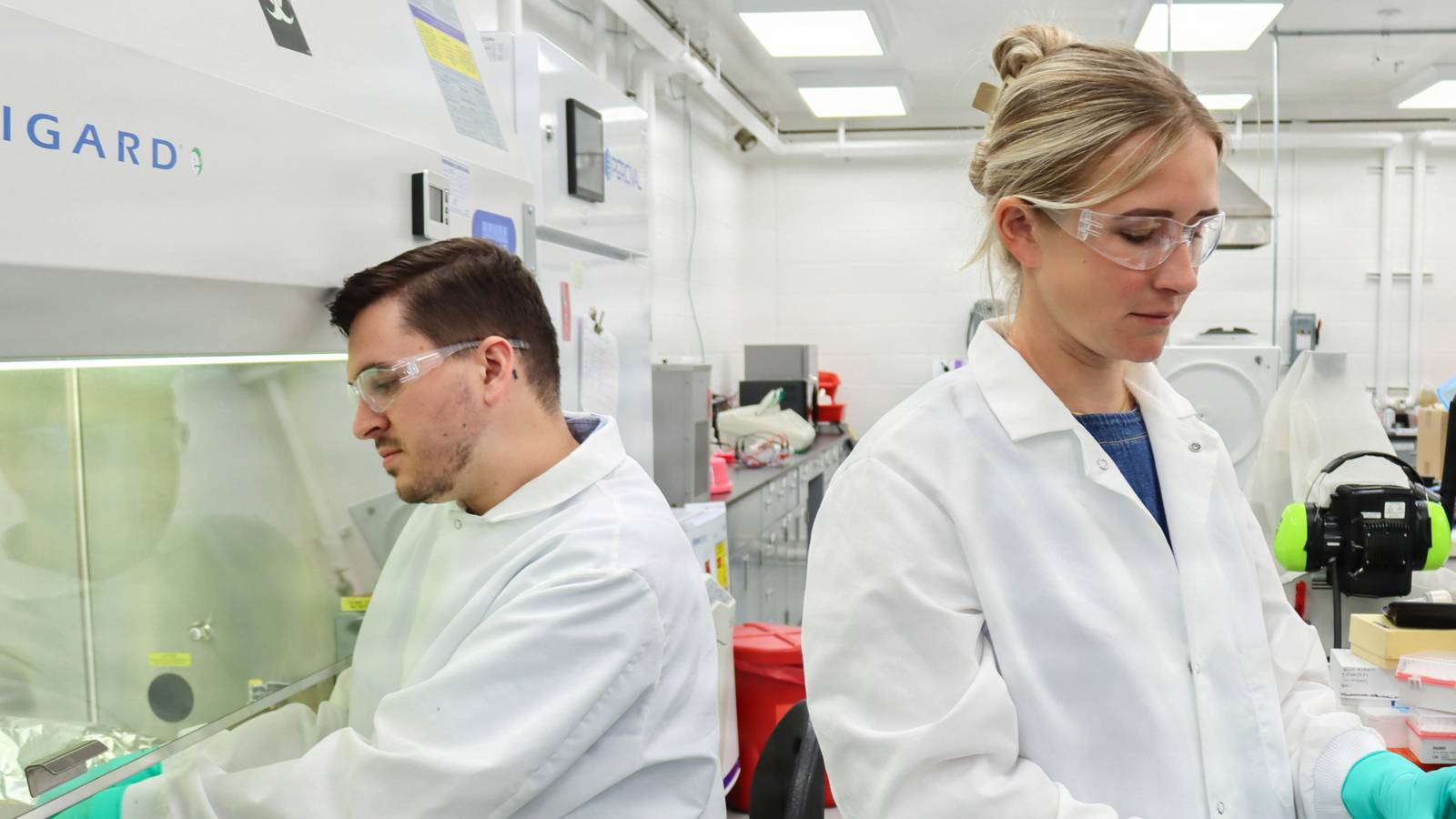

The Army is experimenting with an unusual way to shore up a vulnerable piece of the U.S. munitions supply chain: growing one of the raw materials for gunpowder in a laboratory.
Researchers at the Army’s DEVCOM Armaments Center are testing cellulose produced by specially engineered bacteria as a possible source for nitrocellulose, a key ingredient in gunpowder and some rocket propellants, the service announced Monday.
The military traditionally gets the cellulose used to make nitrocellulose from wood and cotton. Army researchers say those sources come with problems, including unstable supply chains, slow plant growth and variations in the quality of the material.
Nitrocellulose is produced by nitrating cellulose and then purifying and cleaning it. For military use, the resulting material needs a nitrogen content of at least 13%, a standard that can be difficult to consistently reach using cellulose derived from wood and cotton, according to the Army.
Researchers have already looked at faster-growing alternatives such as bamboo and agricultural waste, including corn husks. Bacteria may offer another route.
The work is being conducted through the Tri-Service Biotechnology for a Resilient Supply Chain program, or T-BRSC, an effort managed by the Army that uses biotechnology to develop domestic sources for materials important to the defense supply chain.
Army budget documents describe the program as a way to produce raw materials and other critical products domestically, reducing dependence on vulnerable suppliers.
Bacterial cellulose is not a new material. It is already used commercially, but the Army says it has not been fielded as a source of nitrocellulose for military weapons.
Early testing has given researchers reasons to keep experimenting. Bacteria-derived cellulose has been easier to nitrate and purify than traditional plant sources, according to the Army. It also generates little waste and can be grown under controlled laboratory conditions, potentially reducing some of the variations found in agricultural sources. The fibers also have structural properties that could make them useful for high-performance applications.
Still, soldiers should not expect ammunition grown in a petri dish anytime soon.
Army chemists are currently producing bacterial cellulose only at pilot scale, yielding a few kilograms at a time. That is enough for laboratory testing but nowhere close to the quantities needed to support military ammunition production.
Researchers also have unanswered questions about how the material behaves outside the lab. Bacteria-derived nitrocellulose still needs testing for large-scale mechanical strength and long-term stability, and the Army says its performance has not yet been fully demonstrated through live gun firing.
Eugene Rozumov, a research chemist managing the Armaments Center’s participation in the project, cautioned that the work remains in its early stages and would require substantial investment before bacteria-derived cellulose could become a common source for nitrocellulose.
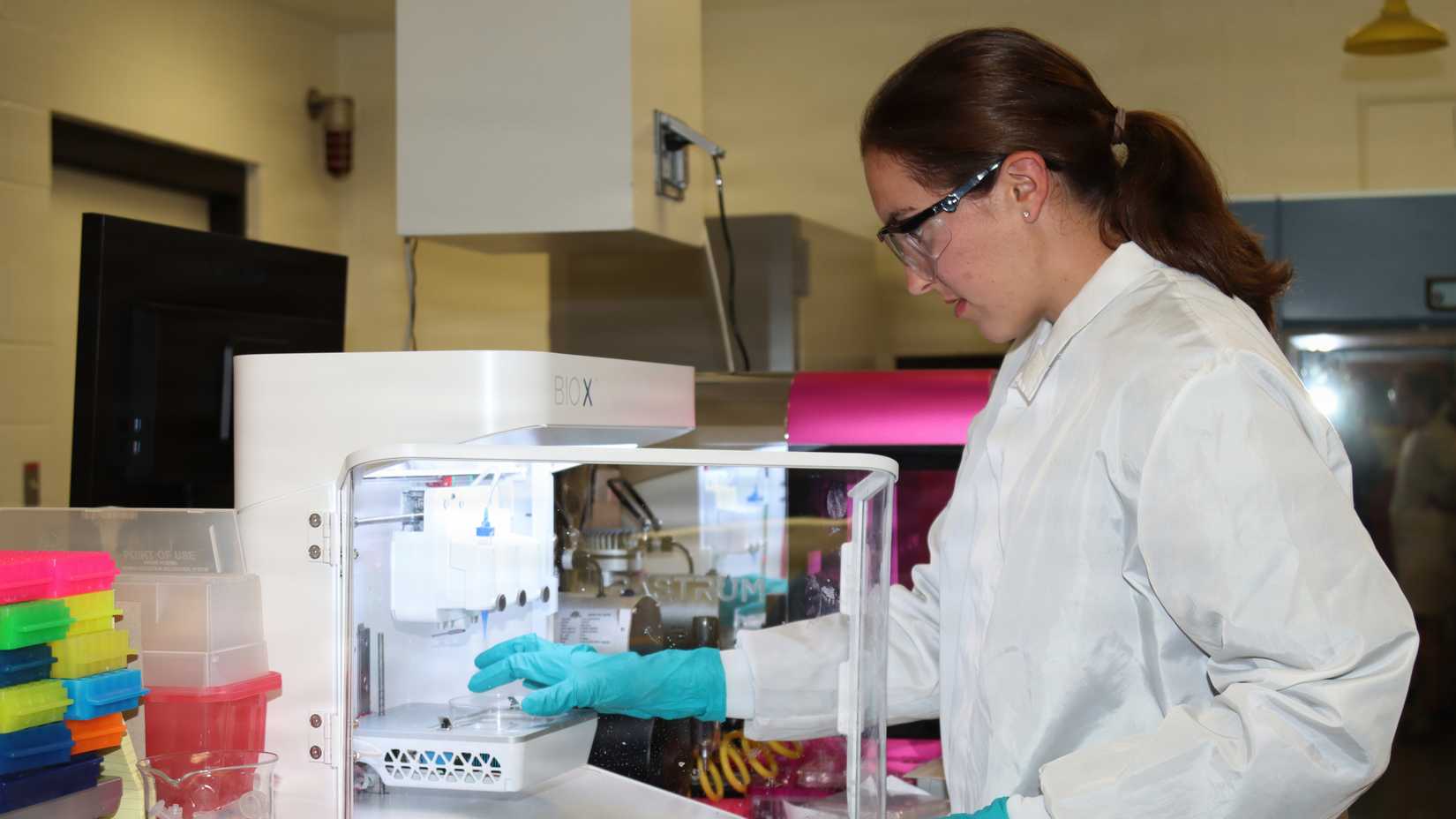
The experiment comes as the Army continues a broader effort to shore up and modernize its ammunition industrial base. Nitrocellulose has long been a critical part of that system.
At Radford Army Ammunition Plant in Virginia, the material serves as a building block for the propellants produced there. The Army has spent years replacing aging production infrastructure at the facility and expanding its capacity.
Radford also underscores why a disruption farther down the raw-material chain matters. Propellant manufactured there feeds ammunition and weapons programs elsewhere in the industrial base, and Army officials have repeatedly identified resilient domestic munitions production as a modernization priority.
For now, bacterial cellulose is one of several possible alternatives being studied rather than a replacement for cotton or wood. But if researchers can prove that it works in weapons and scale production far beyond the laboratory, vats of bacteria could eventually help supply one of the basic ingredients behind ammunition and rocket propellant.
Read the full article here
