




Most of us watch reality survival shows like Alone or Naked and Afraid from the couch and think, “I could probably do that… right?” But what do people who actually teach survival for a living think of those shows—and which ones, if any, you should treat as more than just TV?
While it’s rare to find active-duty SERE instructors publicly spilling behind-the-scenes opinions, several well-known survival instructors and seasoned outdoor professionals have gone on record about the biggest and best shows. So we pulled together what those instructors and pros have said about TV’s biggest survival series—how realistic they are, which ones they respect, and which ones they say could get you hurt if you copy them. Here’s how those voices shake out—starting from “best for real-world mindset” down to “just enjoy the drama.”
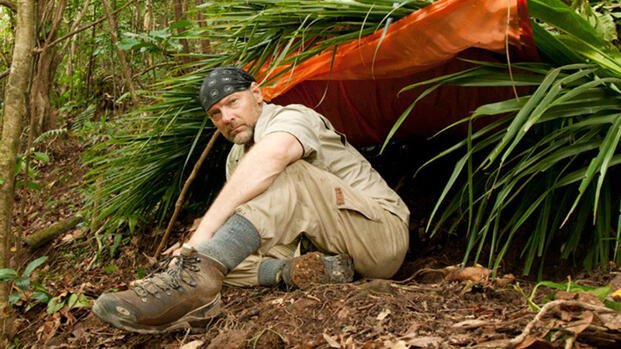
Survivorman: Why Instructors Call It the Gold Standard of Survival TV
If there’s one show survival instructors consistently tip their hat to, it’s Survivorman.
Les Stroud isn’t just a TV host; he’s a long-time survival instructor who created Survivorman specifically as a way “to teach survival skills and share my love of adventure in the wilderness,” not to chase ratings. He films alone, hauls his own cameras, and actually toughs out the conditions you see on screen.
Even instructors who critique his bushcraft technique still respect the show. Sigma 3 Survival—a school that runs extensive bushcraft and SERE-style courses—calls Stroud “one bad-ass mofo,” and notes that while he’s not a primitive-skills god, his mental resilience is the real lesson.
Takeaway:
-
If you want a show that lines up reasonably well with what legit civilian survival instructors value—mindset, risk management, realistic limitations—Survivorman is as close as TV usually gets.

Naked and Afraid: The “Real Deal” Survival Show (With Big Asterisks)
Sigma 3 Survival is unusually blunt about most survival television, arguing that “almost everything on reality TV is faked” and is built around personality and drama, not actual skills. Reality TV show or not, one big exception might be Naked and Afraid. Here’s how Cheeny Plante, SERE specialist, U.S. Marine veteran, and survivalist who took on both Naked and Afraid and the Solo Survivor Challenge, described his experience:
“Naked and Afraid was one of the most profound experiences of my life. I don’t give a shit about being on TV—I want that feeling of being completely disconnected from everything, 100% self-sufficient, reconnecting with something deep inside that’s been forgotten, this primitive piece of us that’s been dormant.”
The show deals with real injuries—venomous snake bites, dengue, severe infections—so the suffering is genuine. At the same time, there are some important caveats:
- Editing often downplays competent performance to make strong survivalists look like they struggled more (suffering sells).
- Many contestants aren’t true experts, or discover they’re less prepared than they thought once stress and hunger kick in.
From my perspective, Naked and Afraid can be genuinely impressive and still downright alarming: it often boggles my mind how frequently contestants seem unaware of just how dangerous their circumstances really are.
Takeaway:
-
Naked and Afraid is probably the most physically and psychologically brutal of the mainstream shows, and some legit instructors respect it for that. But it’s still edited for drama, not instruction. Don’t treat it as a field manual.
Alone: Brutal, Real Suffering but Limited Teaching
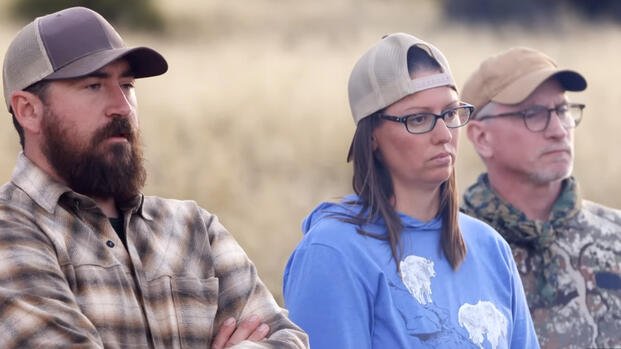
If you hang around bushcraft blogs or survival forums, Alone is often the fan favorite: solo contestants, no camera crews living with them, and a real risk of tapping out due to isolation, cold, or hunger.
But one experienced bushcraft writer at Wood Trekker, after praising the show, still ranks it this way:
“Personally, in terms of “realness,” I would rank the show below Survivorman and Naked and Afraid, but above all the other survival garbage we see on TV these days. Les Stroud has been doing a similar thing, but I think he is a lot more honest about the production aspect of his show and why he is doing what he is doing.”
Les Stroud, in his long critique of survival TV, ultimately lumps Alone and Naked and Afraid together as “suffer-fests”—shows where contestants are put into highly artificial, overly dramatic situations that aren’t likely to happen in real life, with almost no emphasis on careful instruction.
“There’s nothing about these shows that are there to teach survival, so you can’t trust the ‘skills’ that are presented in this format.”
That doesn’t mean the pain is fake. Stroud is clear that contestants are truly suffering; he just doesn’t want you to use their on-screen improvisations as how-to lessons.
Takeaway:
-
Alone is probably the most compelling watch if you care about solitude and mental resilience. If you’ve been cold, wet, and underfed in the field, you’ll recognize that part. Just remember: it’s not a substitute for a course or a field manual.
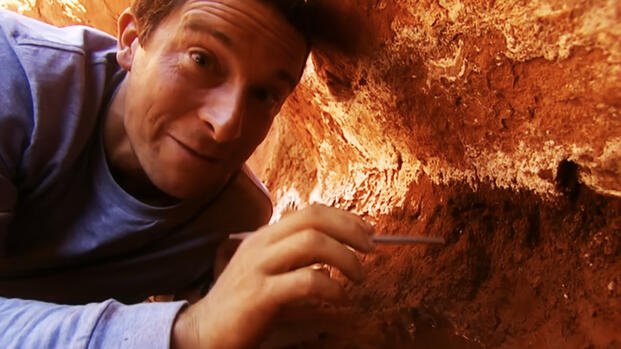
Man vs Wild / Bear Grylls Universe – Entertaining, but “Not a True Survival Show”
Many viewers first encountered “survival TV” through Bear Grylls. Military backgrounds, rope climbs, drinking from animal guts—it looks hardcore.
People who actually teach survival are less impressed.
Sigma 3 Survival calls Man vs Wild “a great example of a show that is entertaining but will probably get you killed if you take it seriously,” arguing that it’s fundamentally a stunt show built for ratings, not realistic fieldcraft.
Les Stroud—who’s friendly with some of the people involved—goes into detail about the fakery behind specific sequences, such as squeezing water from elephant dung on camera while the crew secretly soaked it off-screen, or hand-“catching” fish after hundreds were dumped into a stream just off-frame. Stroud did not mince words when asking, “Why are you [Bear] pretending to hold the crewman’s camera?” You can watch him take down the show and its host in the video below.
Les Stroud DESTROYING Bear Grylls
There have also been press reports about staged elements in related Bear Grylls projects—like The Island with Bear Grylls, which faced allegations over added water sources and introduced animals. However, Grylls has denied outright fakery and framed the moves as ecological protections.
Takeaway:
-
Bear’s shows are fine as adrenaline entertainment or as “here’s something that could be done with a professional team standing by.” They are not what survival instructors consider realistic fieldcraft, and some of the stunts would be reckless without backup.

Survivor: Great Strategy Game, Terrible Survival School
If you’re hoping to learn real bushcraft, Survivor still belongs more in the “social strategy game” bucket than the “survival training” one. Contestants get some level of safety net, the show is heavily edited, and the core challenge is manipulating alliances under pressure—not building shelters or sourcing food the way an instructor would teach it.
Where it is useful is as a look at human behavior. Atlantic contributor Sallie Tisdale calls Survivor “a fun-house mirror, a fantasy built from our preoccupation with one another’s lives,” and that feels exactly right. The show exaggerates what we all do every day: perform, negotiate, lie a little, and try to manage how others see us.
Takeaway:
- Survivor is about masks and mind games under controlled hardship, not a model for real-world survival skills.
If You’ve Actually Worn a Uniform: How to Watch Survival TV Without Getting Misled
Putting all those expert opinions together, the rough pecking order becomes clear. So let’s break it down.
Best for a real survival mindset and relatively honest conditions:
- Survivorman (plus niche Ray Mears/Bush Tucker Man-style shows Stroud praises).
Most authentic suffering but highly “produced” scenarios:
- Naked and Afraid, Alone—what Stroud calls “suffer-fests” where the pain is real but the situations are engineered and often unrealistic.
Biggest gap between spectacle and safe doctrine:
- Man vs Wild and other Bear Grylls–style shows—great for entertainment, widely criticized by instructors as bad templates for what to do when you’re actually cold, hungry, and alone.
Least relevant as survival training:
- Survivor and similar competition shows, where the “survival” is mostly a backdrop for social and strategic gameplay.
If you’ve gone through SERE or serious field exercises, none of this will surprise you. The same rule you already live by in the military applies here:
Treat TV like TV. If you want real skills, learn from real instructors and reps, not from edited “suffer-fests.”
Reality survival shows can still be useful—not as doctrine, but as a way to stress-test your own mindset from the couch:
- Would I burn calories on that stunt?
- Is that shelter placement actually safe?
- How would I prioritize water, fire, and signaling with the gear on my body right now?
Watch them like you’d watch the best movie shootouts: entertaining and occasionally infuriating—and always worth checking against what people who actually teach this stuff say before you take anything into the field.
Story Continues
Read the full article here
