



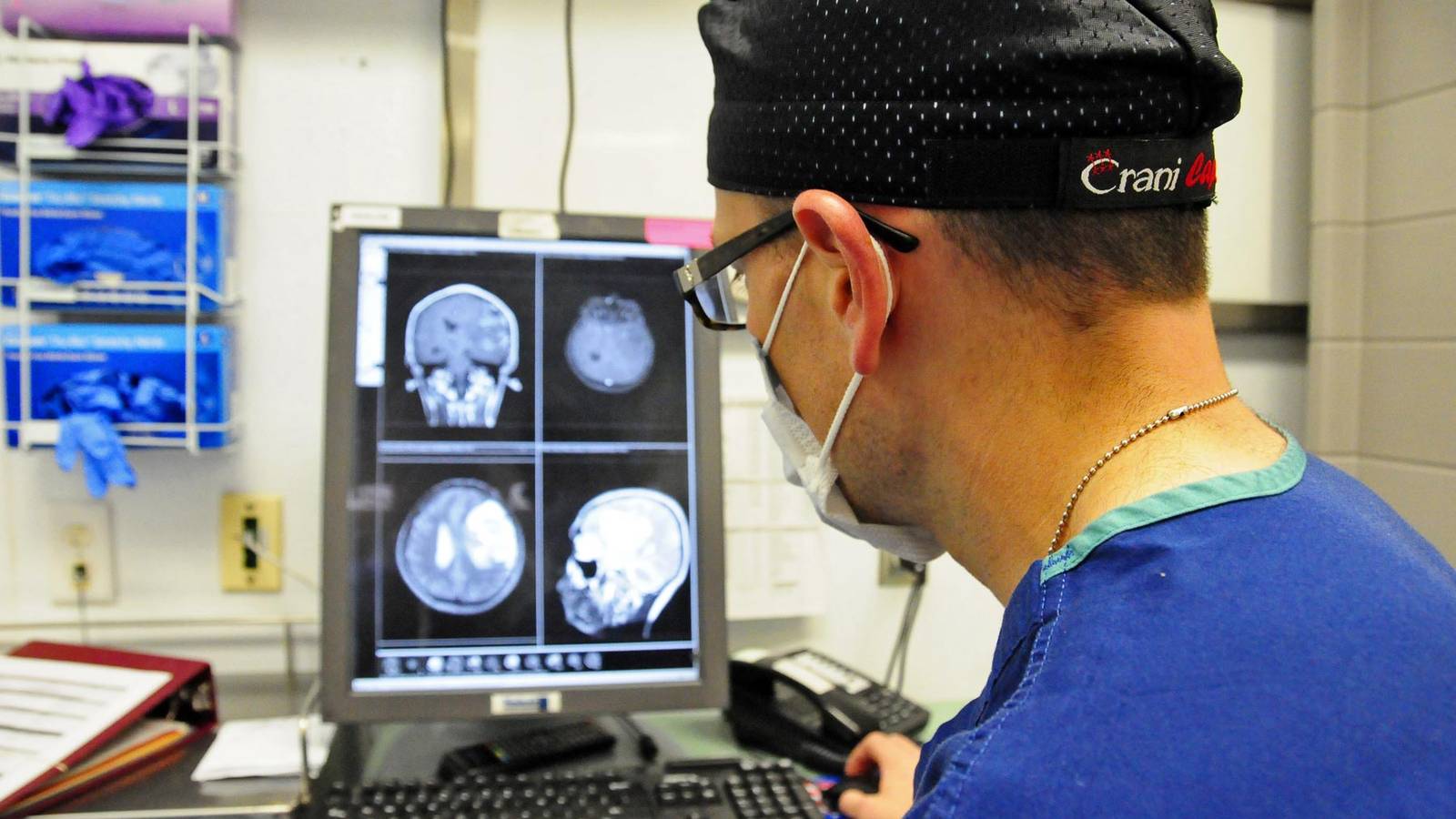

The conversation around veteran suicide prevention has grown considerably in recent years: more funding, more programs, more technology, more public awareness. What has not grown at the same pace is the understanding of one of the most significant risk factors driving that suicide rate: traumatic brain injury.
Veterans diagnosed with TBI face a 56 percent higher risk of dying by suicide compared to veterans without a head injury diagnosis. That statistic is not new. What is new is that a national coalition launched in March 2026 is specifically building its entire model around it.
Heads Up Vet, announced in March and led by Veterans Collaborative, is a public-private-community partnership that connects frontline nonprofit organizations, VA-aligned resources, Amazon Web Services, and Bonterra’s social impact technology platform in a coordinated system designed to identify veterans at risk from undiagnosed head injuries and connect them to care before a crisis occurs.
The Gap the Coalition Is Addressing
The problem Heads Up Vet is designed to solve is a specific and documented one. Protocols exist within the military and Department of Veterans Affairs health care systems for treating veterans who have been formally diagnosed with traumatic brain injury. What those protocols cannot address is the veteran who was never diagnosed: the one who sustained blast exposure or repeated subconcussive hits during service, came home with cognitive and behavioral changes, and has been cycling through mental health struggles without anyone connecting those struggles back to a brain health issue.
That gap is where the risk lives. A veteran who does not have a TBI diagnosis in their record is not going to receive TBI-specific care or screening. They are not going to be flagged by VA’s REACH VET predictive model as a TBI-related risk. They are not going to show up in the datasets that drive resource allocation. They are simply at elevated risk, unidentified, and likely not connected to VA care at all — because 61 percent of veterans who died by suicide in 2023 had not received any VA healthcare services in the year before their death.
Substance use compounds the picture significantly. Research presented at a March 2026 suicide prevention summit in Alabama found that TBI combined with substance use increases suicide risk by 68 percent — a compounding factor that community-based organizations working directly with veterans are encountering regularly but that clinical systems are poorly positioned to catch early.
How the Platform Works
Heads Up Vet operates on what it calls a community-first model, built around the premise that the organizations most likely to identify a veteran at risk are the ones already embedded in that veteran’s community — local nonprofits, peer support networks, veteran service organizations — rather than clinical systems the veteran may not be accessing.
“Heads Up Vet is built on a simple idea: The earlier we recognize and respond to brain health challenges, the more lives we can impact,” said Natalie Worthan, founder and CEO of Veterans Collaborative.”
The platform provides those community organizations with four core capabilities: a technology-enabled tool for early assessment and ongoing monitoring of head injury-related risk factors; coordinated case tracking, referrals, and outcome measurement across partner organizations; peer-to-peer support systems designed to reconnect veterans with trusted networks; and data-driven insights to help identify early warning signs before a crisis develops.
The technology infrastructure runs on Amazon Web Services cloud architecture, with Bonterra’s Apricot platform handling case management, data tracking, and impact measurement across the network of participating nonprofits. The design deliberately avoids building a new standalone program and instead creates a layer of coordination and capability on top of organizations that are already doing the work.
Where It Fits in the Broader Landscape
Heads Up Vet is entering a crowded but underfunded space. The VA’s Fox Grant Program has now awarded $210 million to 111 community organizations since 2022 specifically to reach veterans not connected to VA care. The Face the Fight coalition, anchored by Humana Military, has committed philanthropic investment toward veteran suicide prevention with a specific focus on systemic barriers. Stop Soldier Suicide is pursuing a 40 percent reduction in the military suicide rate by 2030 through proactive, data-driven outreach.
What distinguishes Heads Up Vet from most of those efforts is the specific focus on TBI as a suicide risk factor rather than treating suicide prevention as primarily a mental health intervention. The brain injury angle has been documented in the research literature for years but has not driven the architecture of most prevention programs. Heads Up Vet’s central argument is that it should.
Rep. Ryan Mackenzie, R-Pa., introduced the Data Driven Suicide Prevention and Outreach Act in early 2026, which would direct VA to fund the development of predictive models that evaluate TBI and other specific risk factors contributing to veteran suicide — a legislative effort aligned with what Heads Up Vet is attempting to build at the community level.
The platform is beginning its rollout in Virginia, a state with one of the largest active-duty and veteran populations in the country and an existing ecosystem of veteran-serving nonprofits. An interview with Veterans Collaborative founder Natalie Worthan is in progress. This article will be updated with her perspective once that conversation takes place.
If You or a Veteran You Know Is in Crisis
- Call 988 and press 1 — Veterans Crisis Line.
- Text 838255.
- Chat at VeteransCrisisLine.net/Chat.
- Available 24/7 — no VA enrollment required.
Read the full article here
