



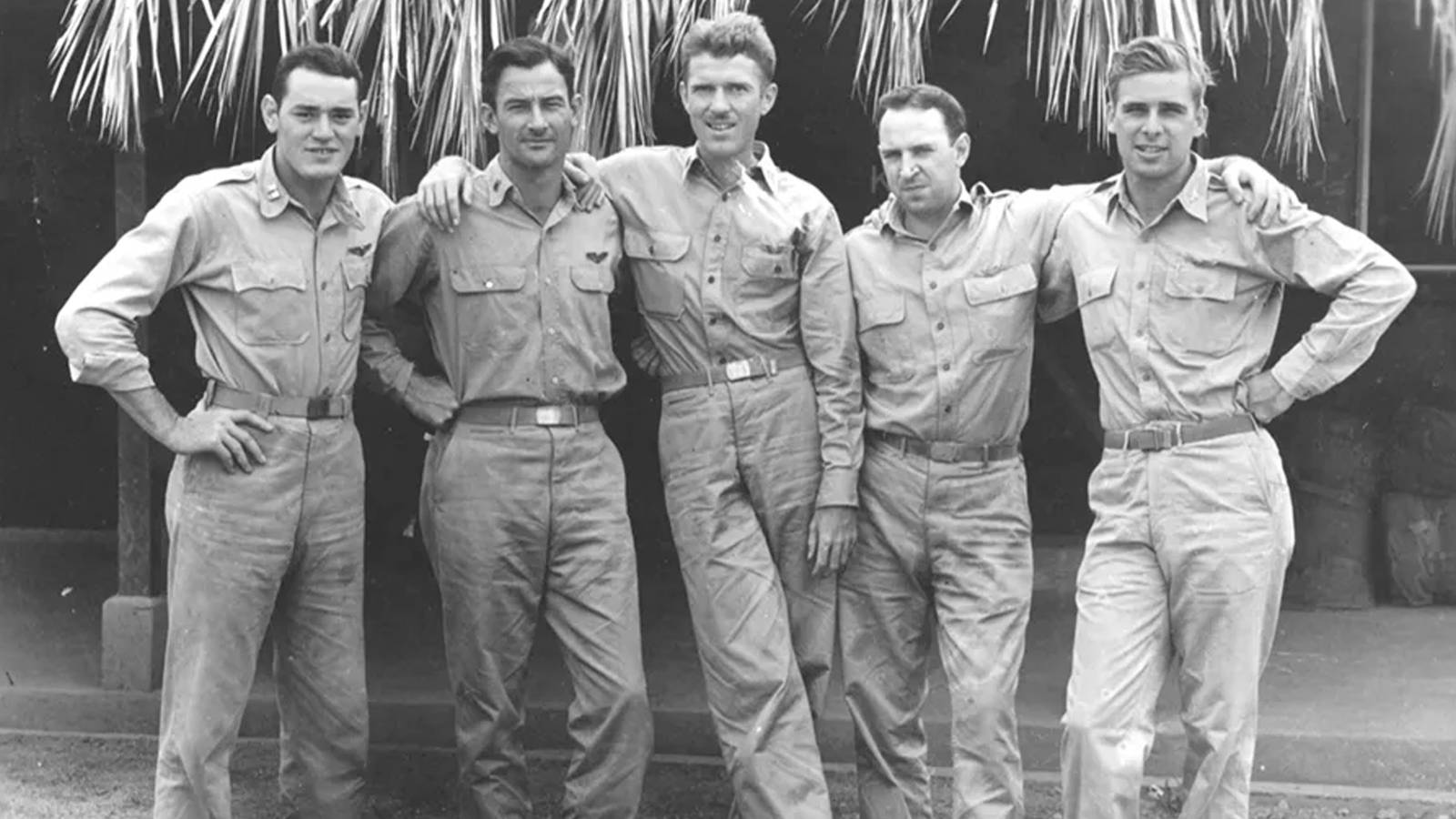

More than 20 years before Gene Roddenberry sent the USS Enterprise across the galaxy, he was trying to keep a B-17 from running off an island runway in the South Pacific.
On Aug. 2, 1943, Roddenberry was piloting Yankee Doodle during a takeoff from Espiritu Santo when the bomber failed to build enough speed. He aborted, but the B-17 ran off the runway and broke apart in the jungle. Two crew members died. Roddenberry survived.
He went on to create Star Trek, which turns 60 on Sept. 8, 2026. His path from the military to science fiction was unusual, but he was far from alone.
Rod Serling and Kurt Vonnegut carried combat experiences into their writing. Leonard Nimoy made Army training films. Forrest J Ackerman edited a base newspaper. Some of these men had already started writing or working in science fiction before they enlisted, but each served before producing the work for which he became best known.
Gene Roddenberry Survived a Fatal B-17 Crash
Roddenberry served with the 394th Bombardment Squadron, 5th Bombardment Group, Thirteenth Air Force during World War II. He flew B-17s from bases including Fiji, Espiritu Santo and Guadalcanal.
Roddenberry completed 89 missions in the South Pacific, according to military and biographical accounts. A detailed history of his squadron shows that the total included bombing strikes and long-range maritime searches. The Yankee Doodle crash killed bombardier Tech. Sgt. John Krueger and navigator Lt. Talbert Wollam.
An official investigation concluded that Roddenberry was not responsible. He later returned to the United States and investigated military aircraft accidents, leaving the Army Air Forces as a captain with the Distinguished Flying Cross and Air Medal.
Roddenberry also wrote during the war, producing verse and rewriting a World War I song as his squadron’s theme. The bridge of the Enterprise, its officer ranks and its formal chain of command would later give military audiences a recognizable framework for his vision of the future.
Rod Serling Carried Leyte into ‘The Twilight Zone’
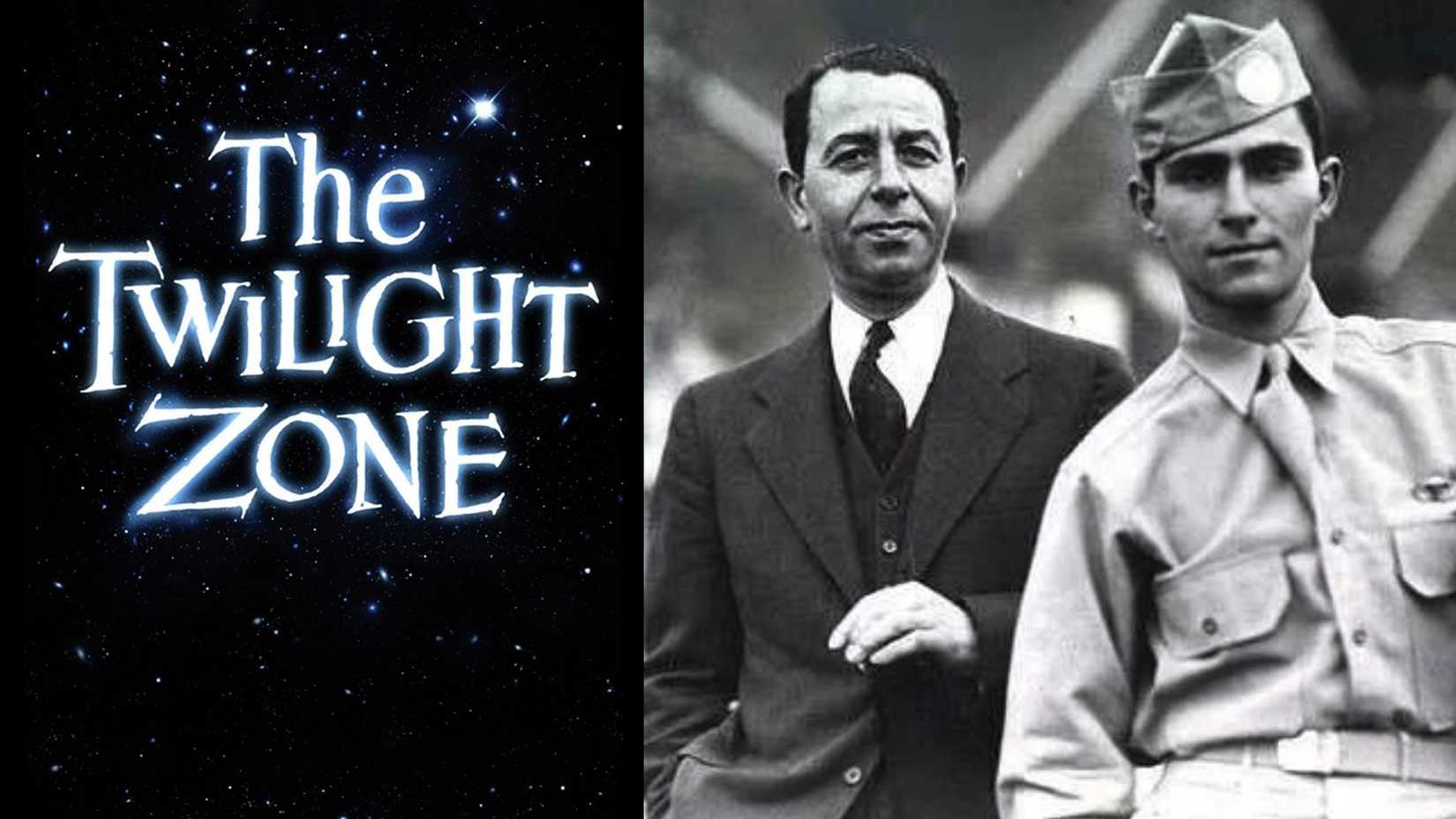
Rod Serling enlisted in the Army in 1943, one day after graduating from high school.
Serling wanted to become a B-17 tail gunner, but poor eyesight kept him out of an aircrew. He instead qualified as a paratrooper and joined the 511th Parachute Infantry Regiment, 11th Airborne Division.
As a private first class in his company’s demolition platoon, Serling fought on Leyte and around Manila. He was wounded and received the Purple Heart and Bronze Star. He also watched his friend, Pvt. Melvin Levy, die after being struck by an airdropped supply crate.
According to the National WWII Museum, Serling returned home with nightmares and used writing to confront what he had experienced.
War surfaced repeatedly in The Twilight Zone. The 1960 episode “The Purple Testament” follows an American lieutenant in the Philippines who discovers that he can see death approaching the men around him.
Kurt Vonnegut Survived Dresden as a Prisoner of War
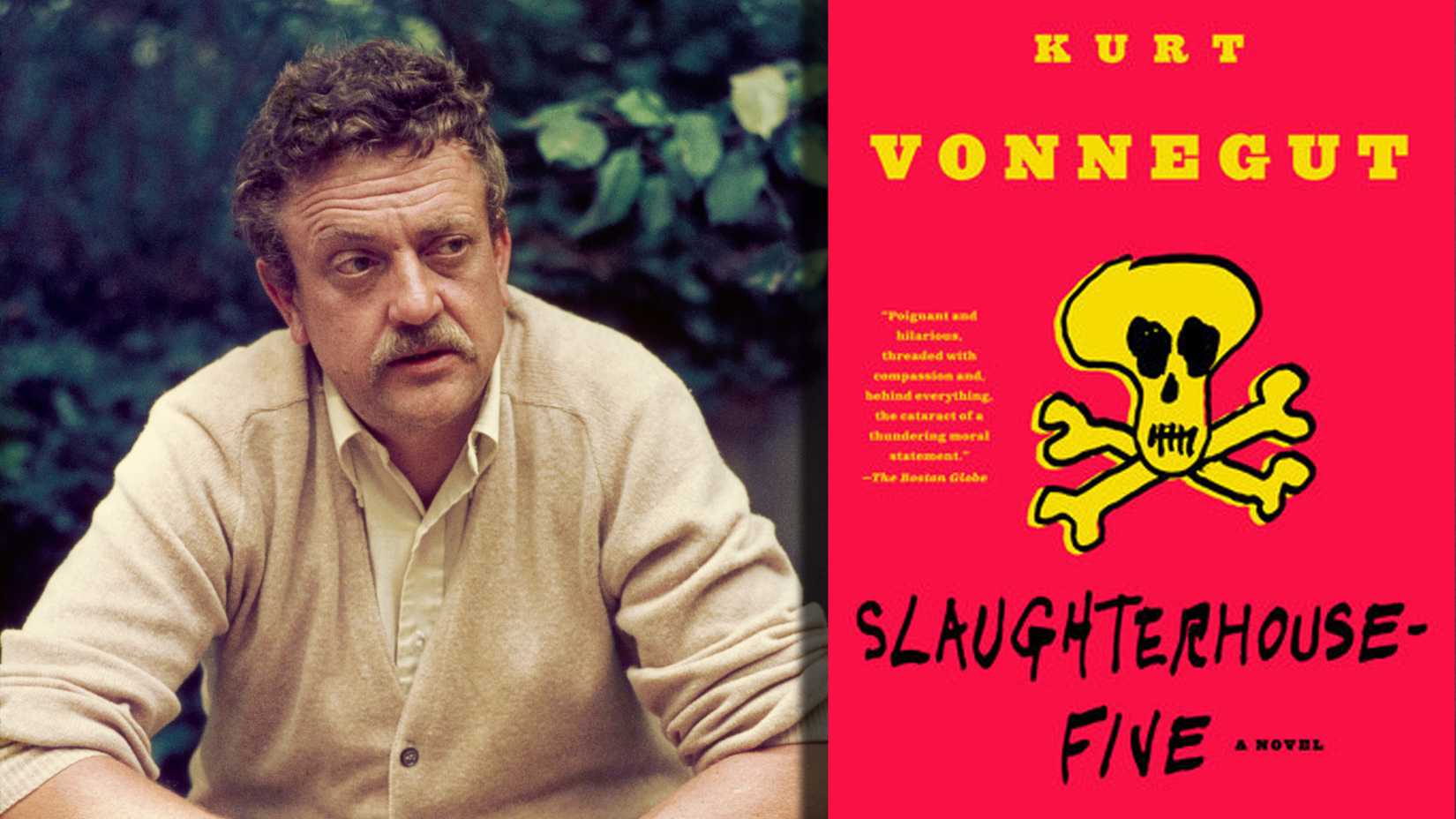
Kurt Vonnegut entered the Army in January 1943. He initially studied mechanical engineering through the Army Specialized Training Program before the service’s demand for infantry replacements sent him to the 106th Infantry Division.
Vonnegut became a private first class and intelligence scout with the 423rd Infantry Regiment. German troops captured him on Dec. 19, 1944, during the Battle of the Bulge.
The Germans transported Vonnegut to Dresden, where he performed forced labor and was housed with other prisoners in a slaughterhouse complex. He survived the February 1945 bombing of the city inside an underground meat locker. Afterward, he was ordered to help recover bodies from the ruins.
The experience supplied the central event and title of Slaughterhouse-Five. The acclaimed 1969 novel follows Billy Pilgrim, an American prisoner who survives Dresden and becomes “unstuck in time.” The National WWII Museum describes Vonnegut’s imprisonment as an experience that shaped his life and writing for decades.
Robert Heinlein Learned About Future War Aboard a Carrier
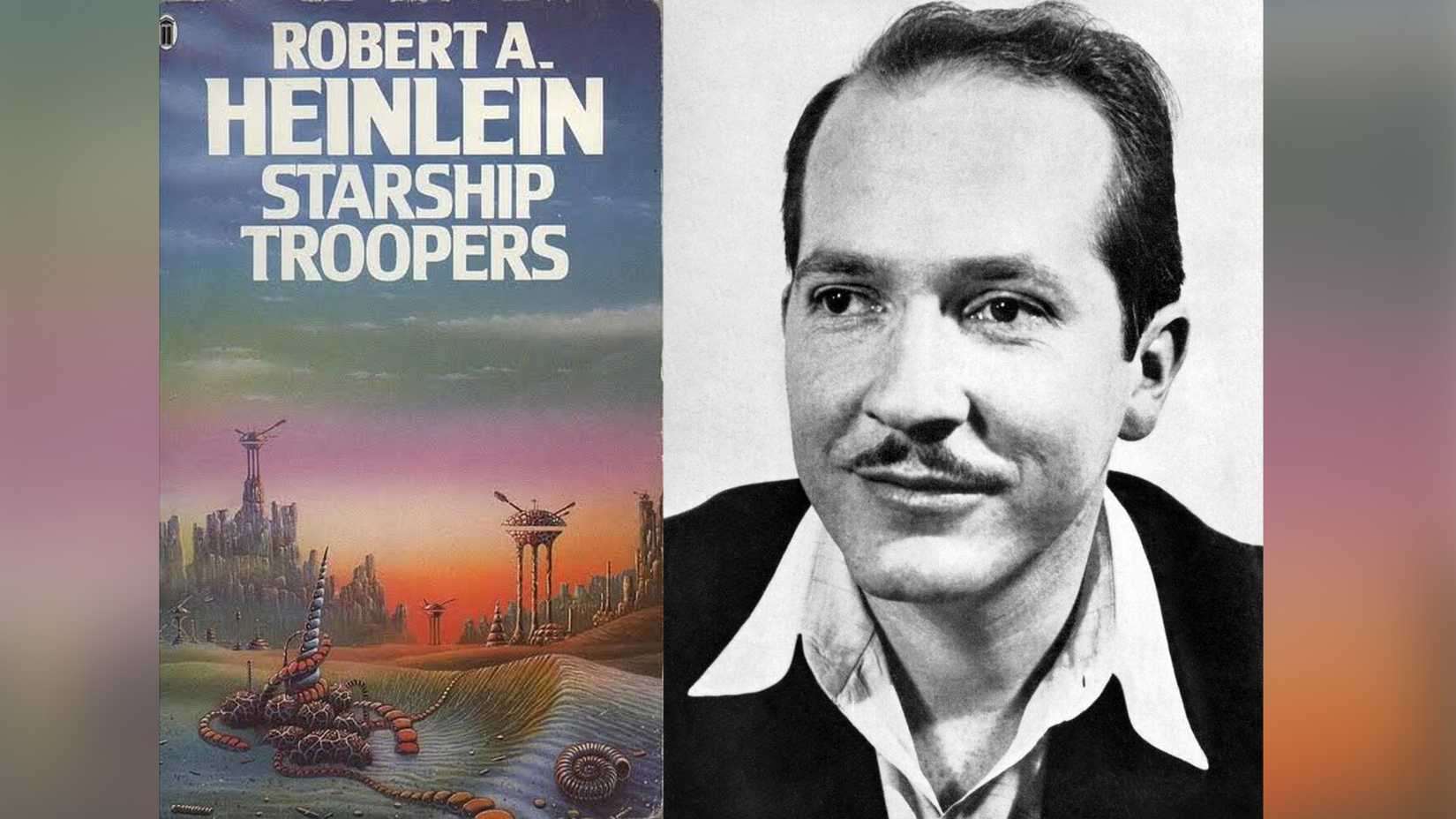
Robert A. Heinlein graduated from the U.S. Naval Academy in 1929 and received his commission as an ensign. He was assigned to the aircraft carrier USS Lexington, where he handled radio communications between the ship and its aircraft during major fleet exercises.
Heinlein also received a temporary assignment to the Ford Instrument Company. The company manufactured “rangekeepers,” early analog computers that calculated firing solutions for guns aboard moving warships.
Pulmonary tuberculosis ended Heinlein’s active-duty career. The Navy medically retired him as a lieutenant junior grade in 1934. His first published science-fiction story, “Life-Line,” appeared five years later.
After Pearl Harbor, Heinlein sought a return to active service but was denied. He instead worked as a civilian aeronautical engineer at the Philadelphia Navy Yard.
The National Archives found pieces of Heinlein’s naval experience and engineering work throughout his fiction, including Space Cadet, Starship Troopers and The Green Hills of Earth.
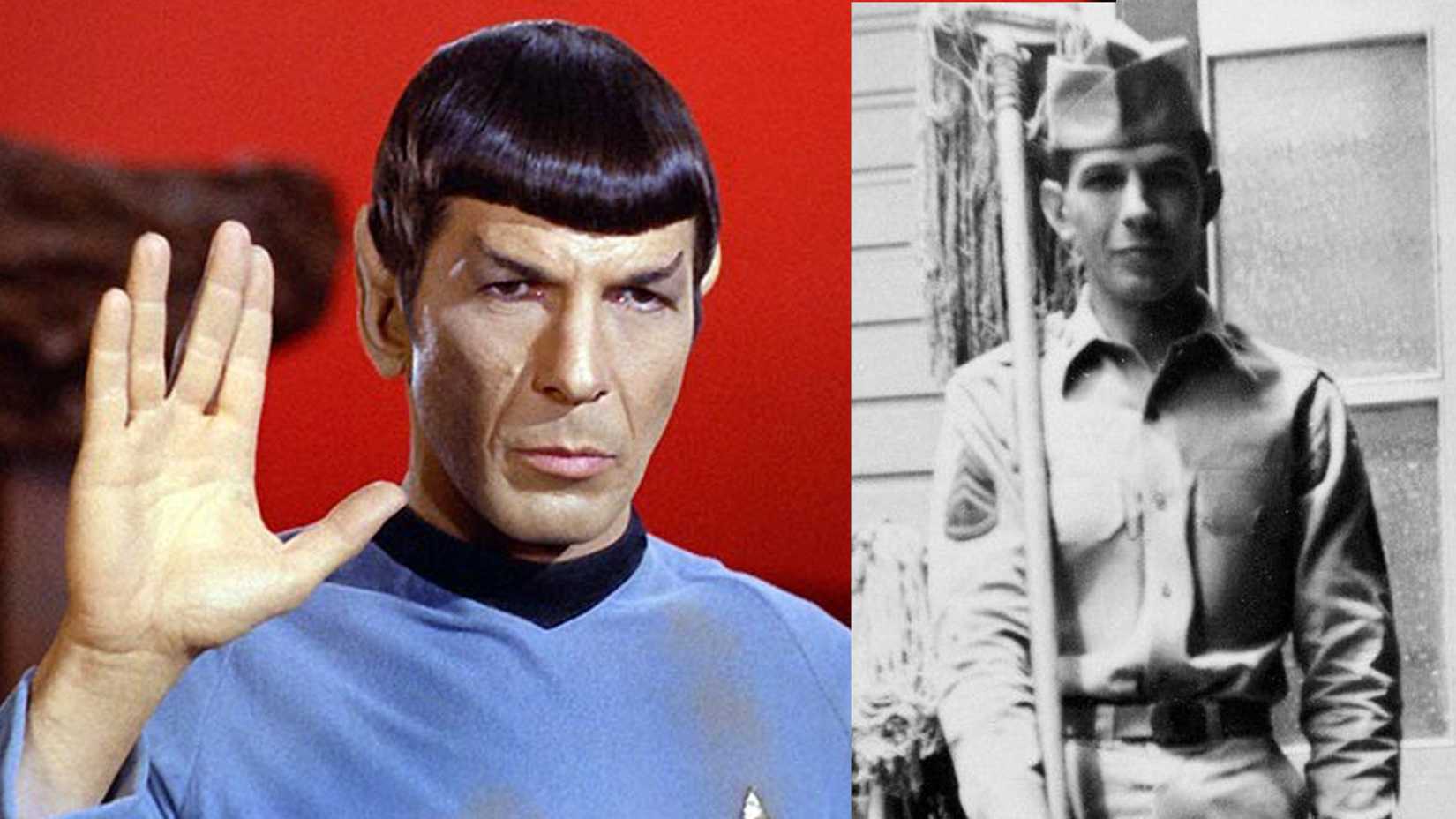
Leonard Nimoy Played a Traumatized Soldier in a Training Film
Leonard Nimoy entered the Army in 1953 after beginning his acting career in Hollywood. His earlier credits included the 1952 science-fiction serial Zombies of the Stratosphere, in which he played a Martian named Narab.
Nimoy served for approximately 18 months at Fort Ord, Fort Benning and Fort McPherson. He worked in Special Services, writing, directing and performing in entertainment for other service members.
While in uniform, Nimoy portrayed a soldier suffering the psychological effects of combat in the 1954 military training film Combat Psychiatry—The Division Psychiatrist.
The Army assignment kept Nimoy working as an actor. In 1964, he appeared on Gene Roddenberry’s military drama The Lieutenant. Roddenberry soon cast him as Spock, the role that defined Nimoy’s career.
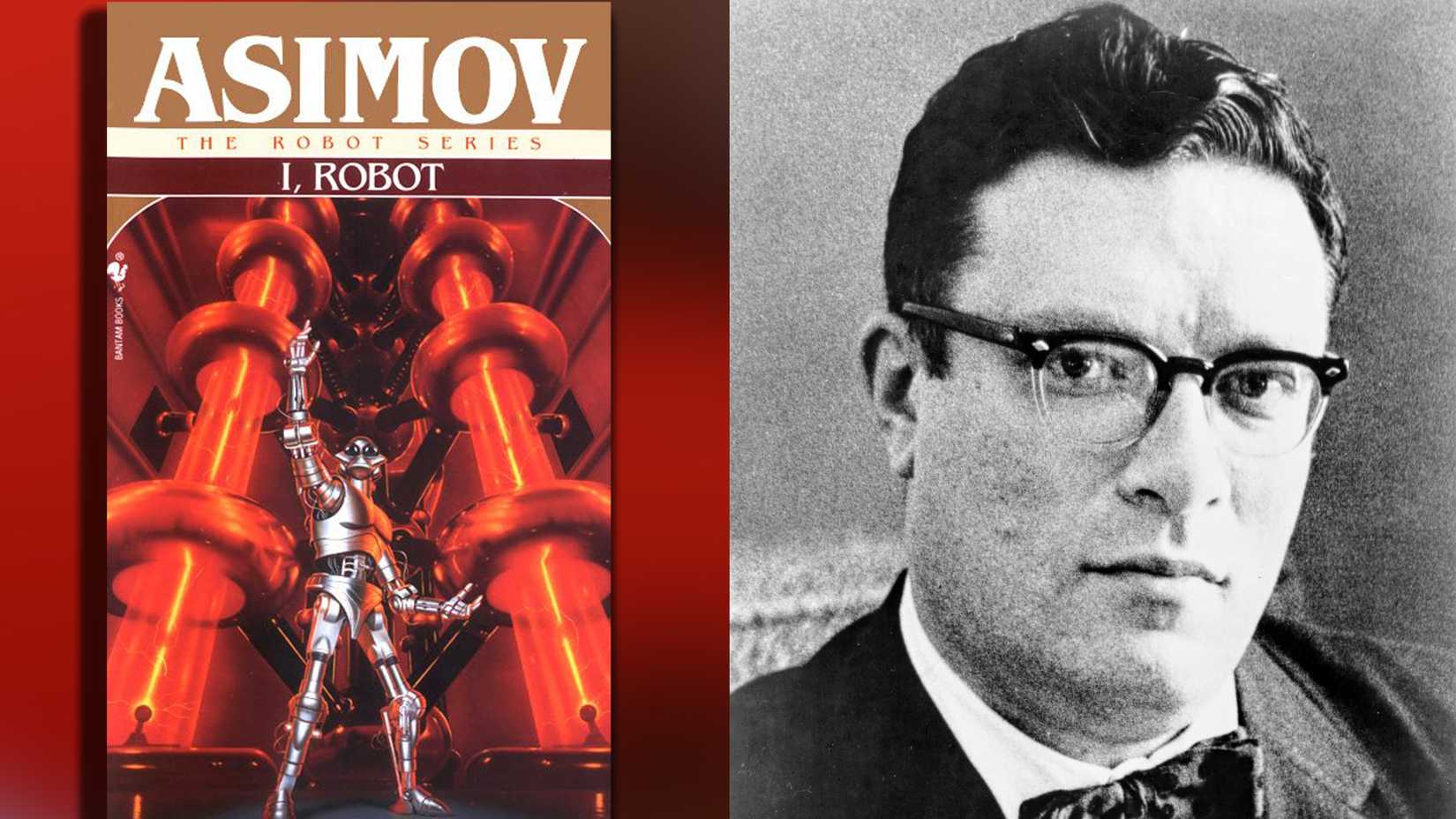
Isaac Asimov Worked Beside Heinlein at the Philadelphia Navy Yard
Isaac Asimov had already established himself in science fiction before entering the Army. His first published story appeared in 1939, “Nightfall” followed in 1941 and the first Foundation story was published in 1942.
During World War II, Asimov worked as a civilian chemist at the Philadelphia Navy Yard. His colleagues included Heinlein and science-fiction writer L. Sprague de Camp. The three discussed engineering, physics and fiction while working on military aviation problems.
The Army drafted Asimov late in 1945. He worked as an analytical chemist at Camp Lee, Virginia, and later served in Hawaii before his discharge in July 1946.
It’s impossible not to view the Navy Yard discussions as an important influence on Asimov’s literary career. His Army service was brief, but it placed one of science fiction’s most prolific writers in uniform at the beginning of the atomic age.
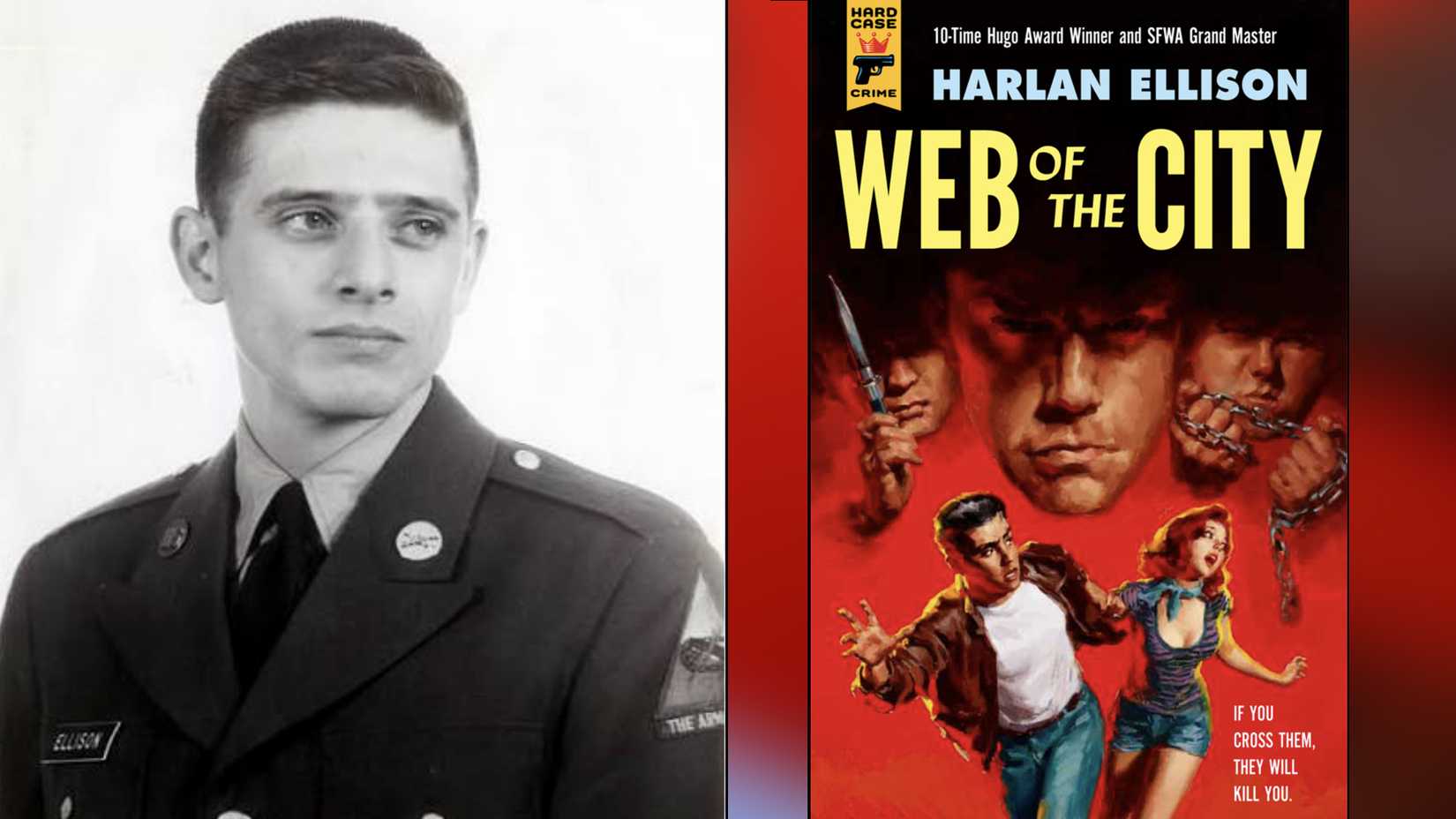
Harlan Ellison Wrote a Novel During Basic Training
Harlan Ellison was drafted into the Army in 1957, after moving to New York and publishing scores of stories and articles.
Ellison completed basic training at Fort Benning, Georgia, where he said he wrote much of his first novel. He was later assigned to the Public Information Office at Fort Knox, Kentucky, and contributed articles and reviews to the post newspaper, The Turret.
That first novel, originally titled Rumble and later published as Web of the City, appeared in 1958 while Ellison was still serving.
The Army counts Ellison among a notable generation of writers who worked for The Turret. He later wrote the celebrated Star Trek episode “The City on the Edge of Forever” and edited the influential Dangerous Visions anthologies.
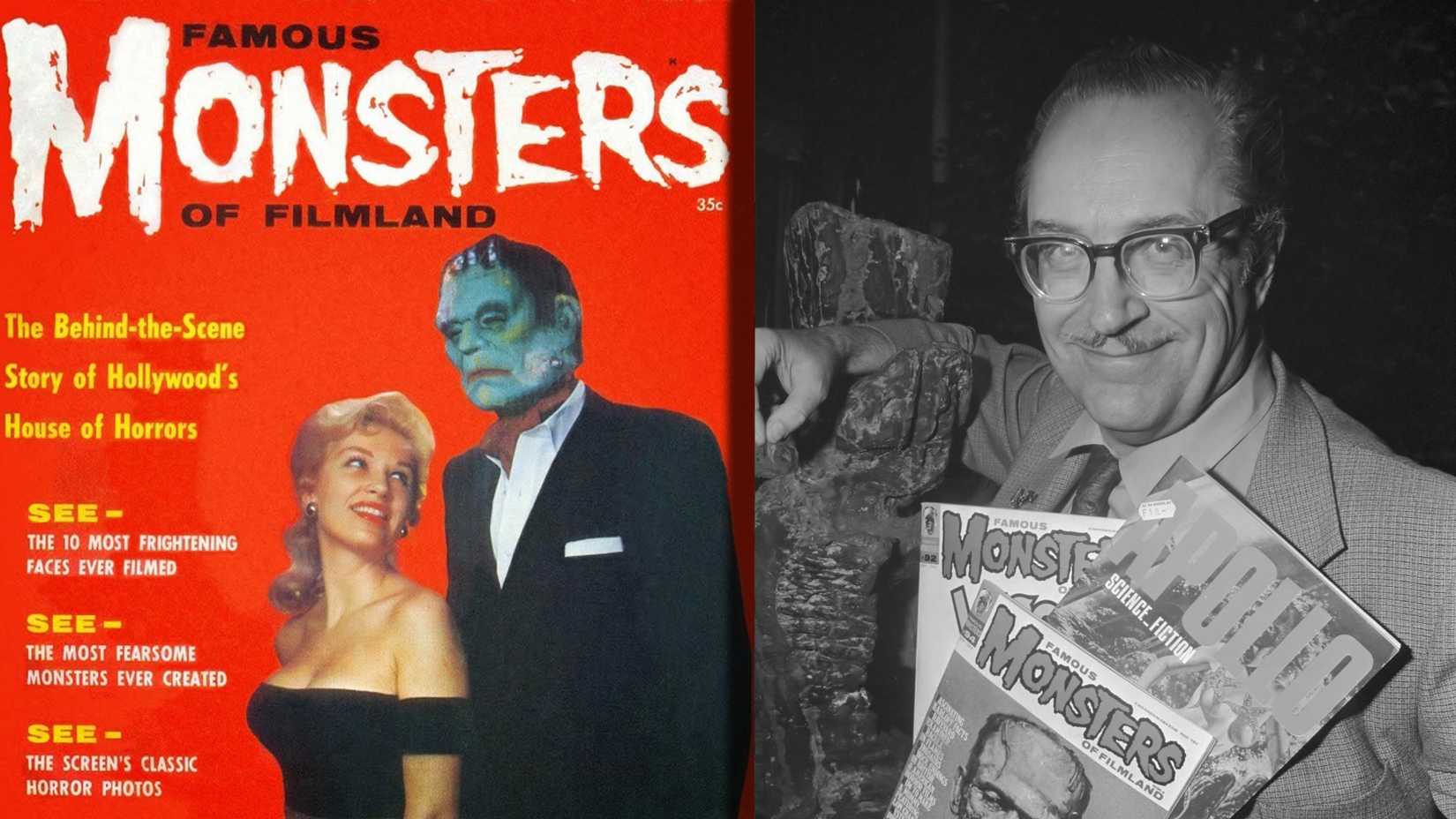
Forrest J Ackerman Became an Army Newspaper Editor
Forrest J Ackerman was already deeply involved in science-fiction fandom when he entered the Army in August 1942. He had founded a science-fiction club in 1930, contributed to early fanzines and attended the first World Science Fiction Convention in 1939.
Ackerman spent his military service at Fort MacArthur in San Pedro, California. He initially worked around the installation’s induction center and dog-tag section before finding his way into military journalism.
Writing under the byline “Pfc. Ack Ack,” Ackerman contributed columns to base publications and eventually became editor of Fort MacArthur’s newspaper, The Alert. He rose to staff sergeant before leaving the Army in early 1946, according to an archive of his wartime writings and records.
After leaving the Army, Ackerman became an editor, literary agent, collector and one of science fiction’s most energetic promoters. He is often credited with popularizing the abbreviation “sci-fi” and helped writers such as Ray Bradbury early in their careers.
The military looked different for each of the eight. Serling and Vonnegut came home with combat memories that surfaced repeatedly in their work. Heinlein and Roddenberry knew ships, aviation and military organization firsthand. Nimoy, Ellison and Ackerman kept performing, writing and editing while in uniform. Asimov’s brief Army stint followed several years of wartime research at the Philadelphia Navy Yard.
As Star Trek turns 60, the futures these men imagined still bear traces of the world they knew. That world included cockpits, ships, barracks, laboratories and battlefields.
Read the full article here
