



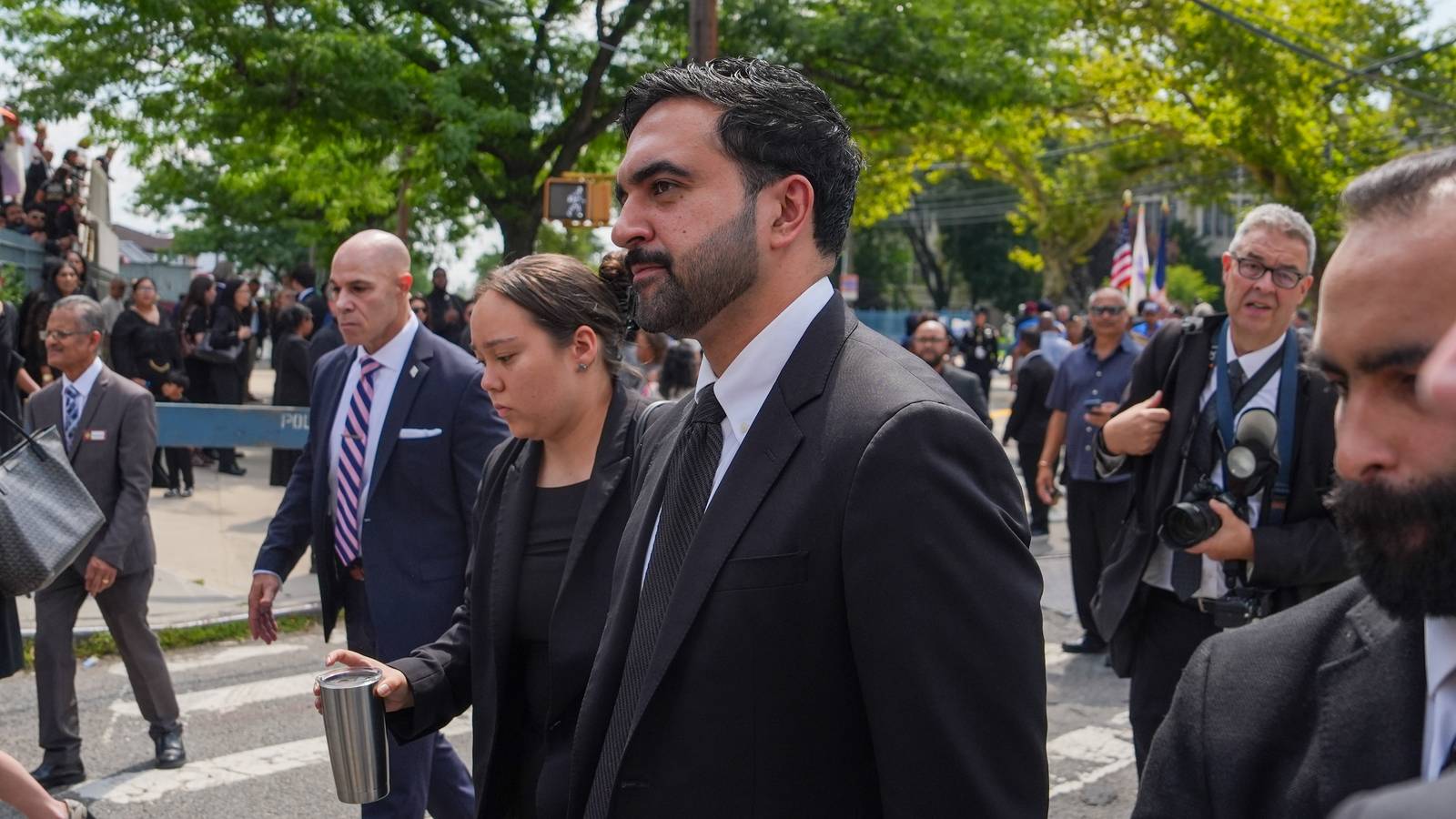

A trove of documents released Tuesday by New York City Mayor Zohran Mamdani show that city officials masked health concerns in the aftermath of the 9/11 attacks on the World Trade Center, even as they were privy to the potential hazards.
Mayor Zohran Kwame Mamdani announced the release of more than 170,000 pages of city records documenting the government’s response to the attacks, including pages of records concerning health concerns, air quality and the city’s response to the day that will be commemorated this Friday on its 25th anniversary.
The city also announced settlements pertaining to two lawsuits brought by 9/11 Health Watch, culminating a multi-year legal battle. Documents can be accessed by anyone via an online portal which will be updated on a rolling basis in the coming months.
“The very least our city owes the families, survivors and first responders whose lives were forever changed by the September 11th attacks is transparency and accountability,” Mandani said in a statement. “That is why I am proud that our administration has launched the city’s first public records portal dedicated to the environmental and health impacts of 9/11 and reached a settlement in these lawsuits.
“For too long, New Yorkers have had to fight for access to records that should have been available to them in the first place. This portal is part of our administration’s enduring commitment to honor those we lost, care for those living with lasting health consequences and give thousands of New Yorkers the answer they’ve been asking for.”
The records include the frequently referenced Harding Memo, sent to then-Deputy Mayor Robert Harding, which revealed city officials’ anticipation that thousands of lawsuits could result due to air exposure and a lack of proper safety equipment—including purported efforts tied to legislative measures aimed to limit the city’s legal liability.
Documents also included the “68 boxes” of records that were not located until 2025 despite multiple Freedom of Information Law (FOIL) requests, as well as a collection of records concerning World Trade Center 7.
Mamdani, speaking during a press conference on Tuesday, said that “more people have died from 9/11-related illnesses than were killed on the day itself.”
NYC Officials ‘Lied’ to Own Residents
Mamdani, who appeared Tuesday with 9/11 and first responder advocate Jon Stewart along with 9/11 families, said Tuesday that multiple NYC mayoral administrations passed the buck on releasing these records “that New Yorkers were owed.”
“People got sick because the leaders they trusted lied and told them they were safe to breathe in toxic air,” Mamdani said, according to CNN.
Stewart, in his own remarks, said that in the aftermath of the attacks “everyone knew” about the contamination and “poison” filling the atmosphere. “Now it’s very clear that the city knew as well,” Stewart added.
Among the 9/11 families represented were Karen Klingon, whose brother, Robert Klingon, lived about 5 minutes away from the WTC on the day of the attacks.
After being treated via the World Trade Center Health Program, Robert collapsed on the street in 2018 and later learned he had a brain tumor. He died two years later, Klingon told CNN.
“I think there wasn’t just lack of transparency; there was a lack of regard for people, and I find that very disturbing,” Klingon said. “Also, my brother was a lawyer and had a very acute sense of justice and injustice, and he would have certainly been appalled by the injustice of the lack of transparency and the lack of concern for people who are still suffering.”
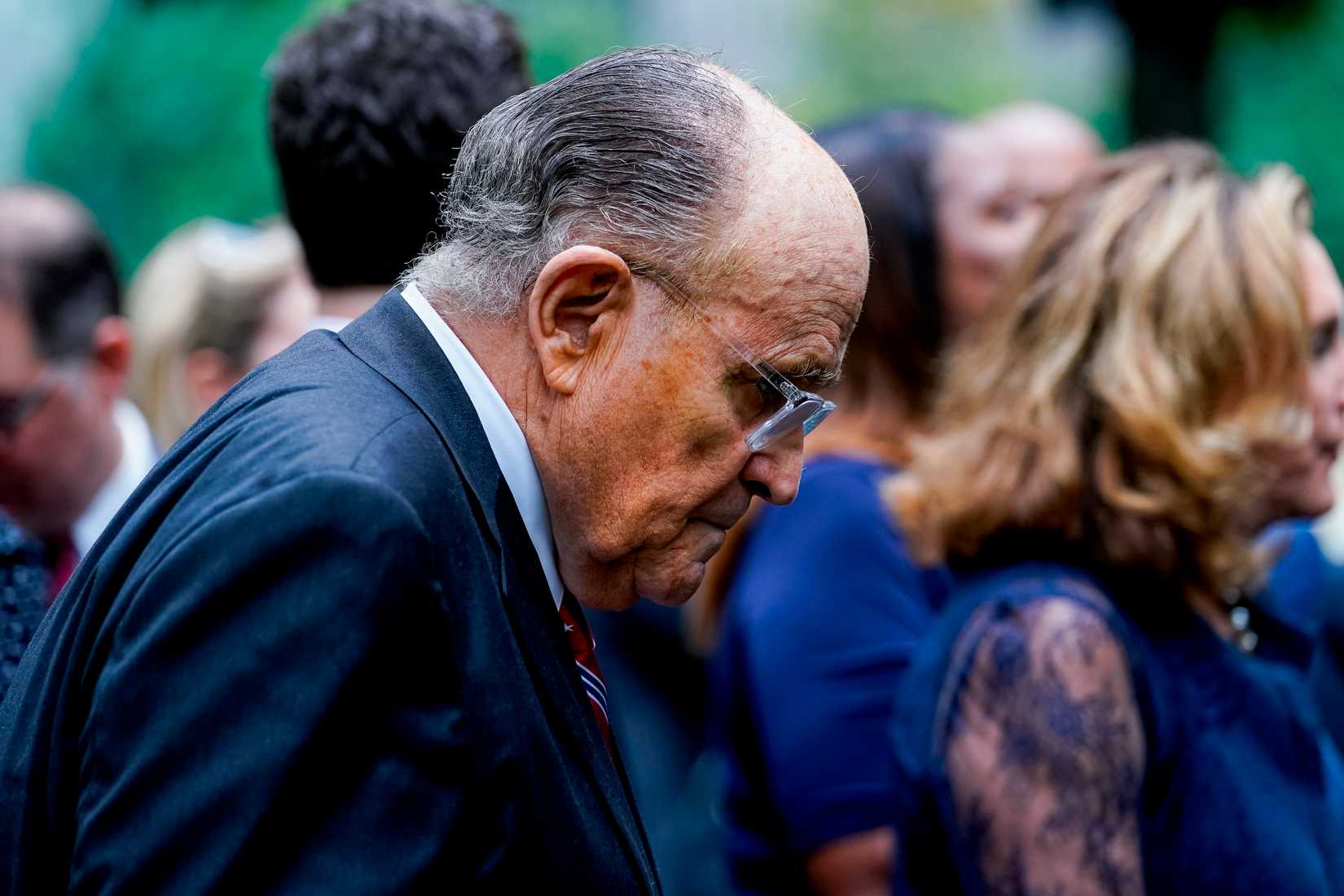
The initial release of records comes primarily from the New York City Department of Records and Information Services (DORIS), which maintains records sent by the Giuliani Administration to be archived, and the Department of Environmental Protection (DEP). The DEP records focus on air quality, environmental conditions, and related health concerns in the weeks and months following the attacks.
Other agencies with documents that are represented in this portal include the Fire Department of New York (FDNY), the Department of Citywide Administrative Services (DCAS), the Department of Design and Construction (DDC), and the Department of Buildings (DOB). Other agencies with documents that will be represented in this portal include the New York City Police Department (NYPD), Department of Health and Mental Hygiene (DOHMH), and the Economic Development Corporation (EDC).
Read the full article here
