




Whether it’s skiing, thru-hiking, hunting, or climbing, outdoor-focused groups and organizations touch every aspect of our experiences in nature. From access to permitting to education to safety, nonprofits, government agencies, and community networks impact it all.
This wide-ranging influence also means these groups can produce profound change. With the government shutdown and budget cuts, many viewed 2025 as a tough year for public lands, and how they’ll fare in 2026 is yet to be seen.
Here are the associations and organizations that will help shape the outdoors this year.
Labor Unions
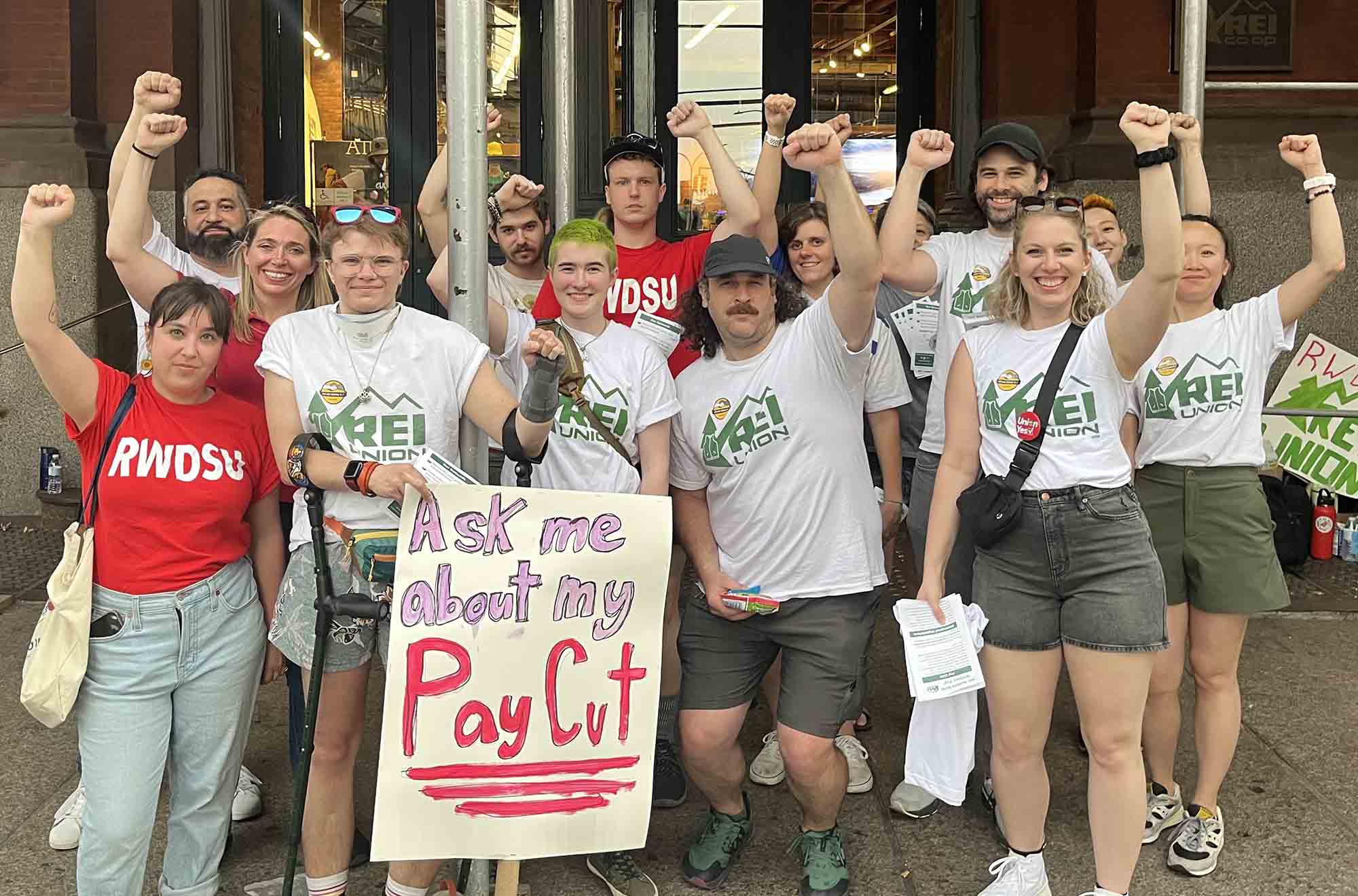
More and more, employees in the outdoor industry have turned toward labor organizing to fight for better wages and working conditions. From REI to climbing gyms, workers are embracing unions, and they’re already making headlines this year.
The Telluride Professional Ski Patrol recently reached a deal with its employer, Telluride Ski Resort, after nearly 2 weeks of striking that essentially shut down the resort.
The situation represents a common issue many outdoor professionals experience: wages that struggle to meet the cost of living in mountain or beach areas. The details of the signed contract are not yet available; the terms may tell us just how much power, or lack thereof, unions can wield in the outdoor industry this year.
Native American Tribes
As government entities with sovereignty, Native American tribes have been pivotal in helping shape climate change and conservation action.
Last week, the Rappahannock Tribe of Virginia pushed back against the state’s Department of Environmental Quality’s approval of a plan that would extract 9 million gallons of water per day from the Rappahannock River to be used for residential and industrial cooling.
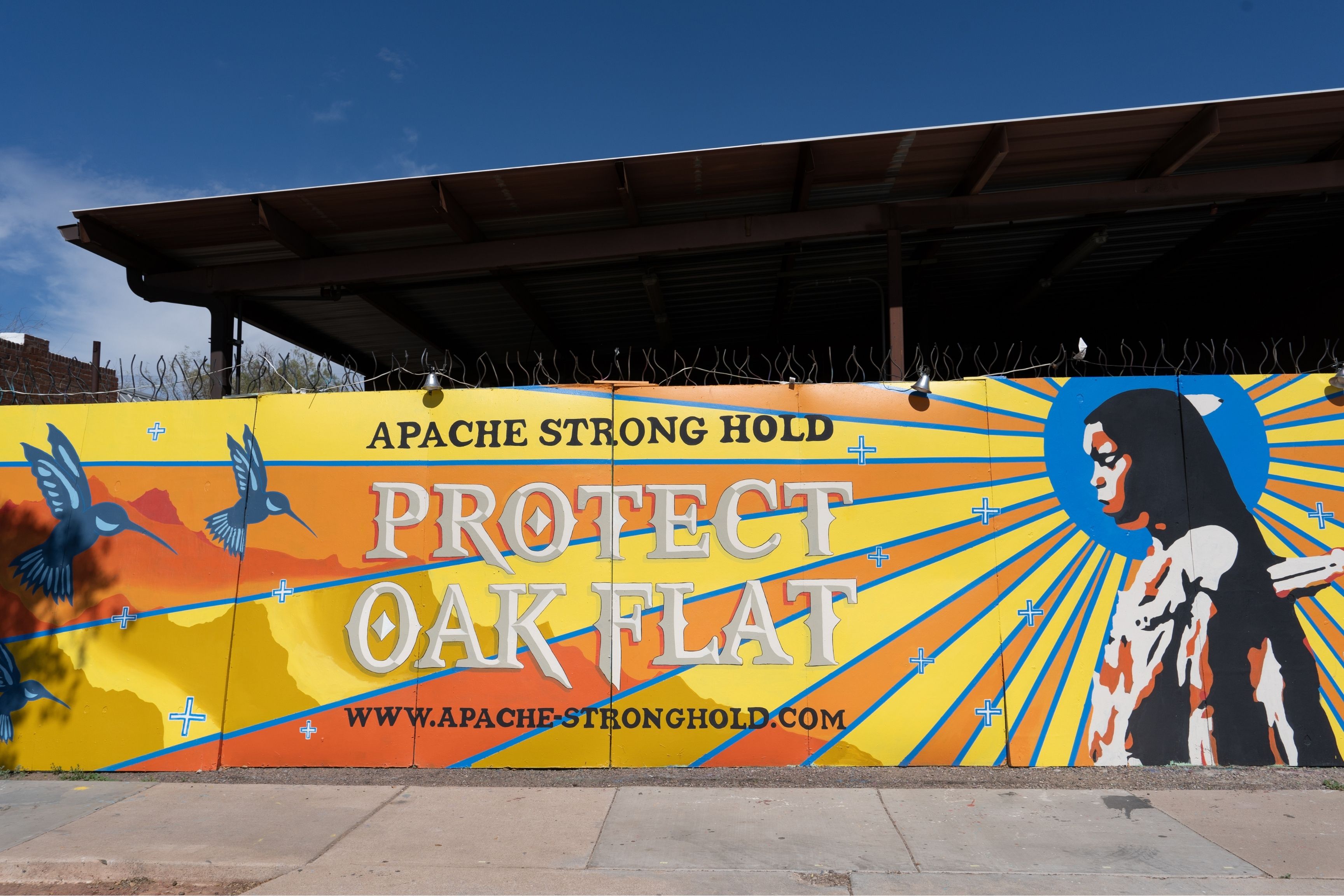
In Arizona, the San Carlos Apache Tribe and a group of Apache women and girls, along with other plaintiffs, are suing to block the transfer of Oak Flat, an Apache holy site, from the U.S. Forest Service to a mining company.
From purchasing land to protect wildlife such as salmon to taking legal action against oil pipelines, Indigenous groups and nonprofits will lead conversations around environmental activism.
U.S. Senate Committee on Energy and Natural Resources
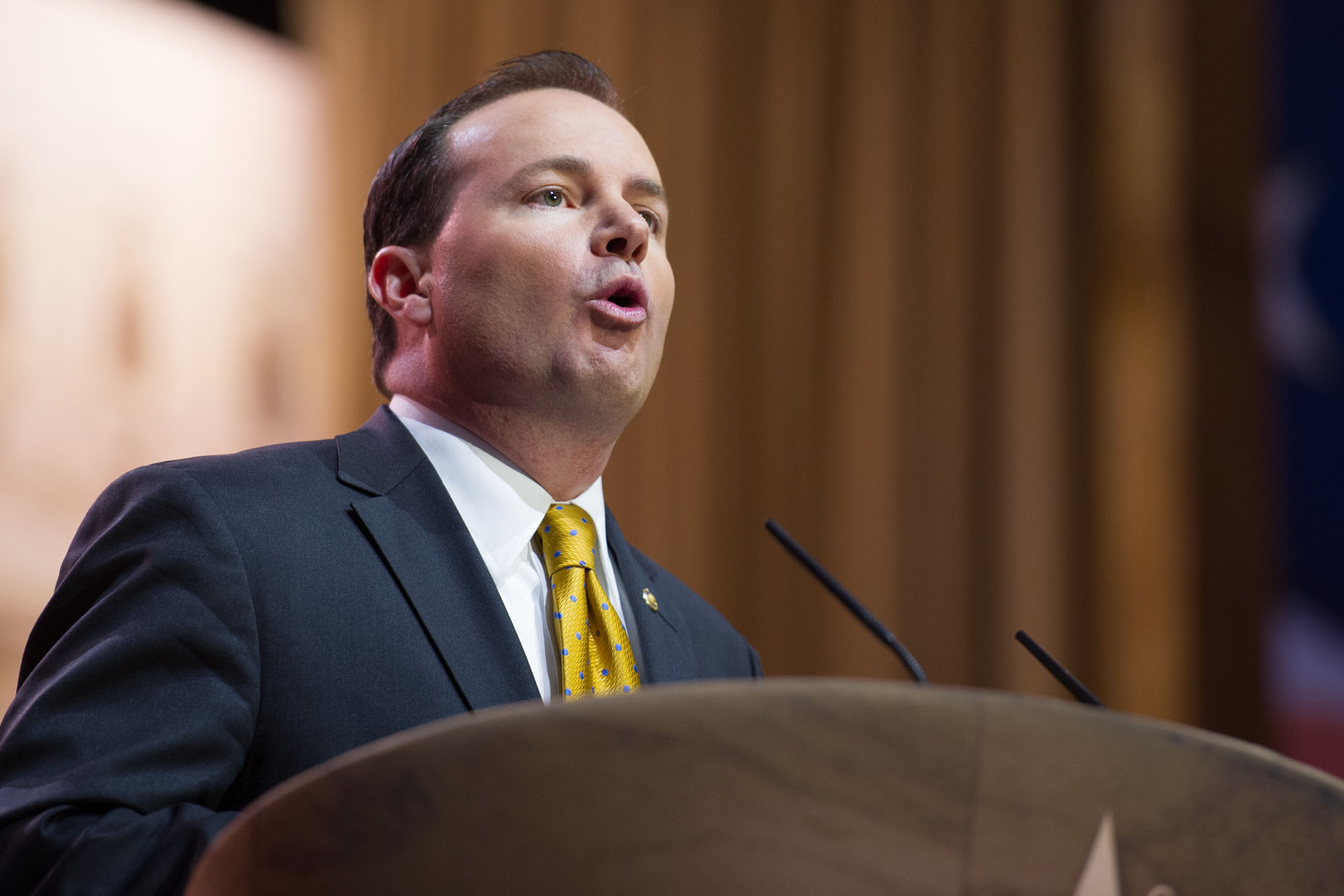
The purview of this Senate committee is far-reaching. It covers conservation, Native American affairs, federal coal, oil, and gas, mining, and water. If there are legislation or oversight questions about federal land management, it’ll pass through this group.
It’s led by Chairman Mike Lee (R-UT), whose proposals about public lands sparked major controversy in 2025. In the past, the committee has conducted hearings on the Roadless Rule, an issue that will almost certainly continue to raise its head in 2026.
The Bureau of Land Management (BLM) recently recapped its activities in 2025, many of which will continue this year and be under review by this committee, including public land sales, expanded oil production in Alaska, and increased timber production on BLM land.
National Parks Conservation Association

Any time the federal government suggests a change to the operations or policies of national parks, you can be sure this nonprofit will take a unified stand. Its mission is to “protect and enhance” the parks, and it advocates for National Park Service (NPS) workers, the environment, and wildlife conservation.
The National Parks Conservation Association (NPCA) also collects important data on a variety of subjects, including how the American public views the NPS and the financial effects of events such as 2025’s government shutdown.
With long-term funding still not secured for the NPS, the NPCA will stand as a powerful force in lobbying to guarantee protections — and potential expansions — of America’s natural parks.
National Mining Association
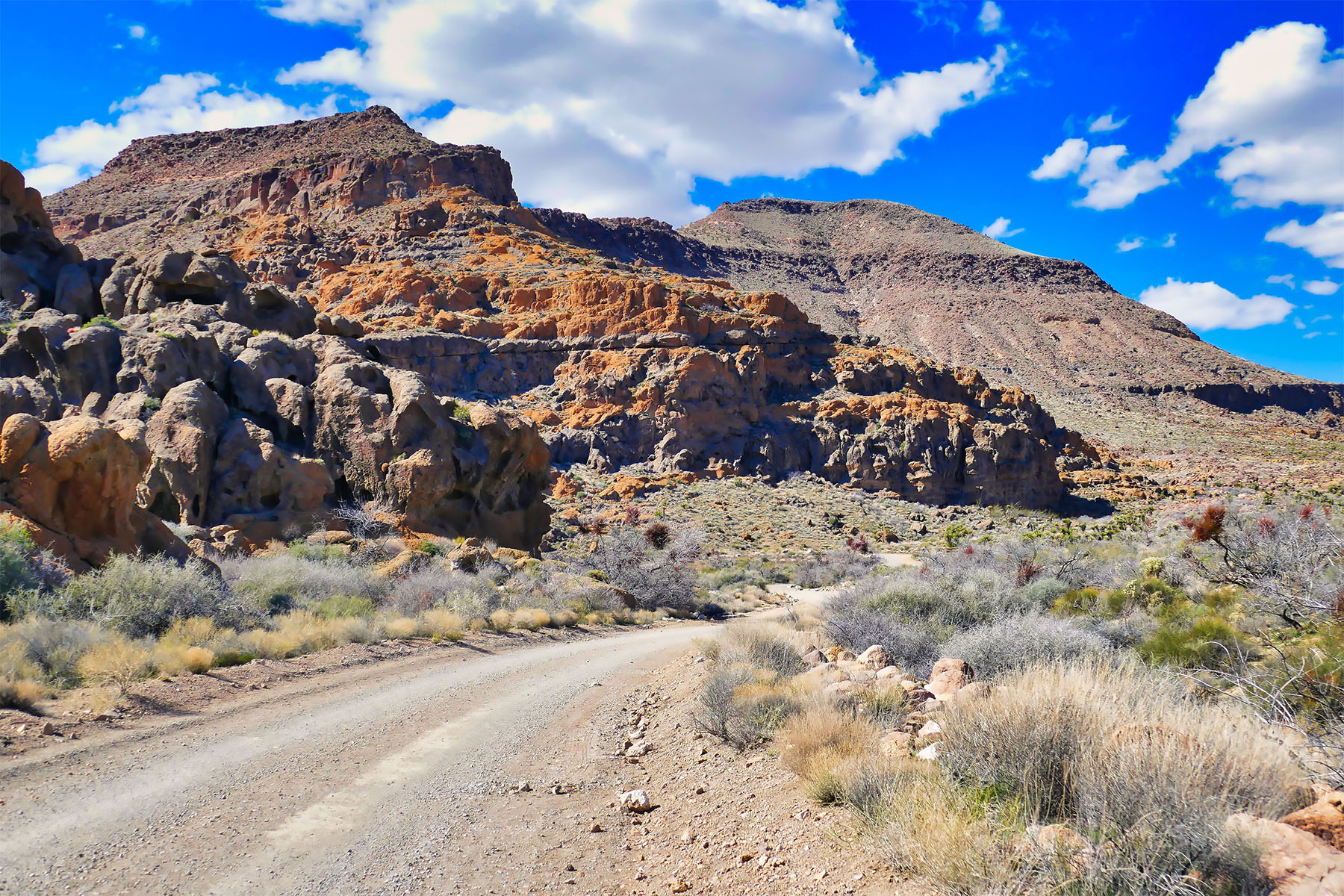
The National Mining Association (NMA) seeks to expand the use of mineral and coal mining in the U.S. and advocates for legislation that would do so. So far in 2026, it’s endorsed efforts to begin mining on public lands in Minnesota.
It also supported the SPEED Act, which it says “slashes the red tape insanity that is blocking energy and climate progress” by “modernizing” the federal permit system. The flip side of this coin, traditionally, is conservation. Opponents say it will cut back on environmental protections and public input.
Regardless of where one falls on the complex issues of land protections and resource extraction, the NMA remains a very strong influence on the fate of public lands.
Center for Biological Diversity
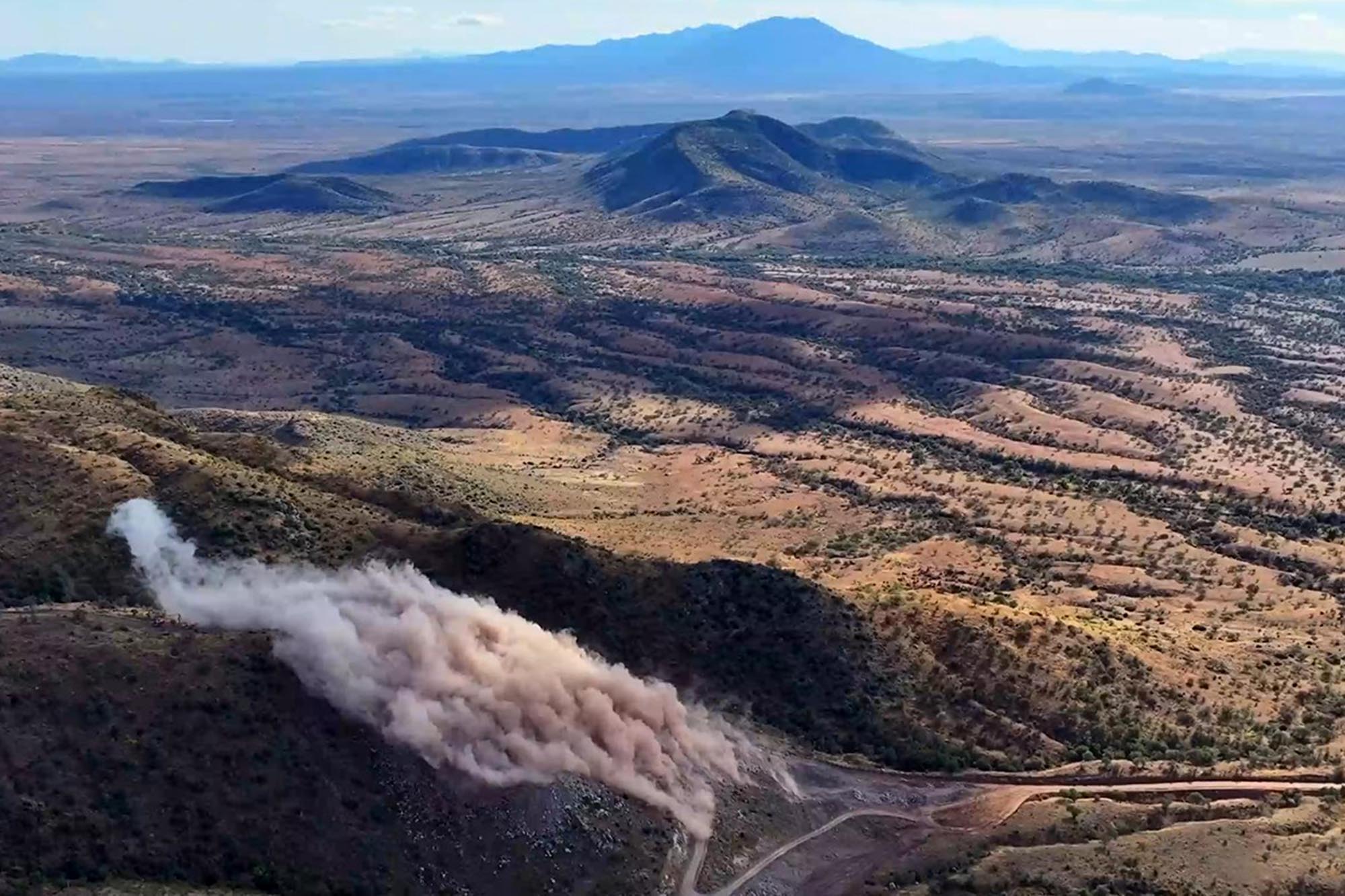
This nonprofit has impressive reach: In December, it sued to stop oil drilling in the Arctic the same week it sued to protect rare flora in the Southwest. The Center for Biological Diversity will try to protect every creature and plant, no matter how small.
The Center has already had a busy 2026, suing to save imperiled turtles and horseshoe crabs. If there’s an environmental issue and it’s within its power to take legal action, the Center will be there.
Resistance Rangers
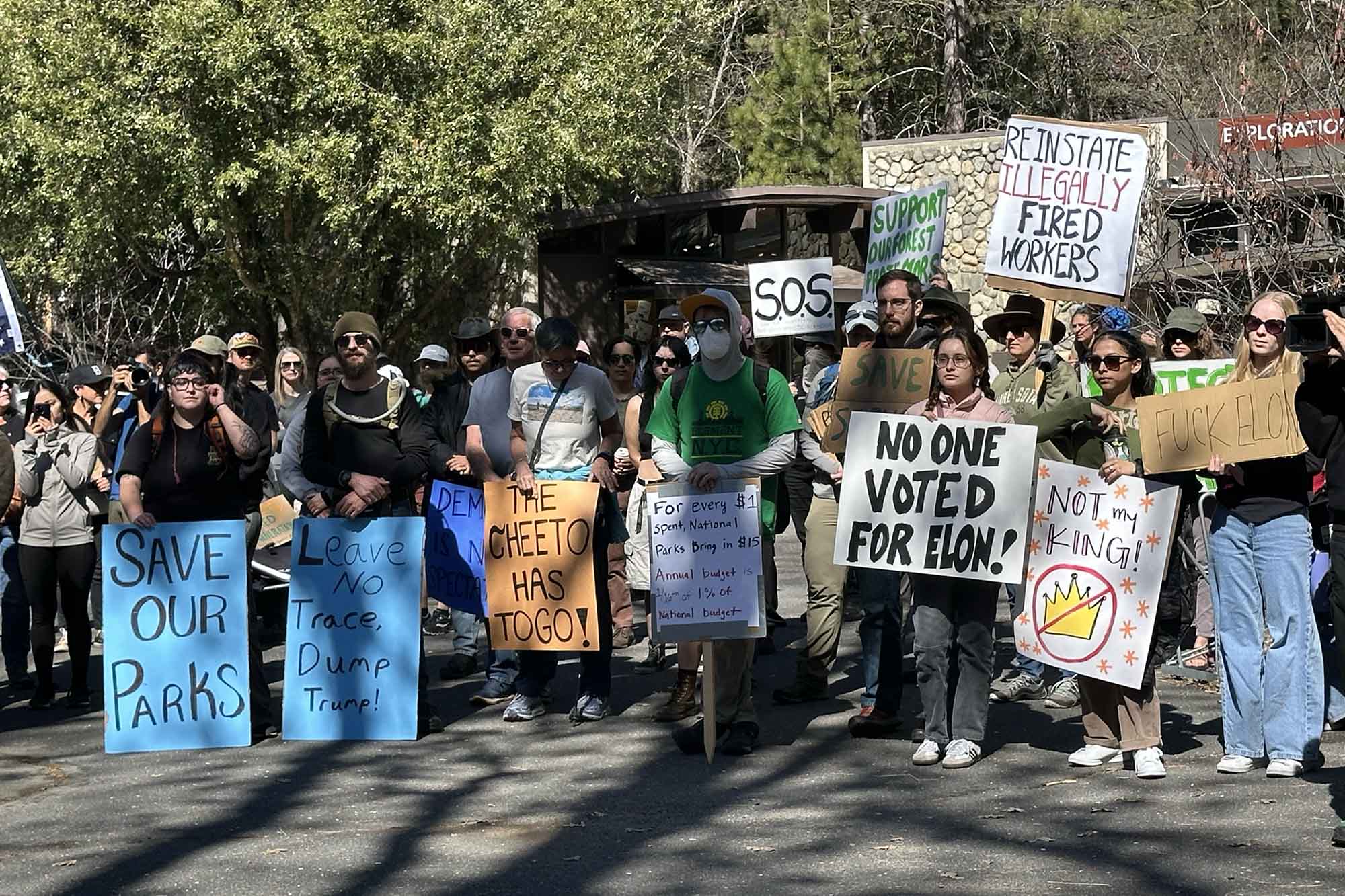
As federal employees, NPS staff often can’t formally speak on the record about policies or programs they disagree with. That’s where Resistance Rangers comes in. The group describes itself as “the official resistance account of NPS Rangers. Community of 1,000+ off-duty park rangers rallying to save public lands.”
On Instagram, the group encourages people to take action to protect public lands and call their elected representatives. It also speaks out about issues affecting NPS staff, like shutdowns, firings, and hiring freezes.
As the NPS comes off a fraught year of downsizing and belt-tightening, the Resistance Rangers will be at the forefront of advocating on behalf of a healthy, robust workforce and budget.
National Cattlemen’s Beef Association
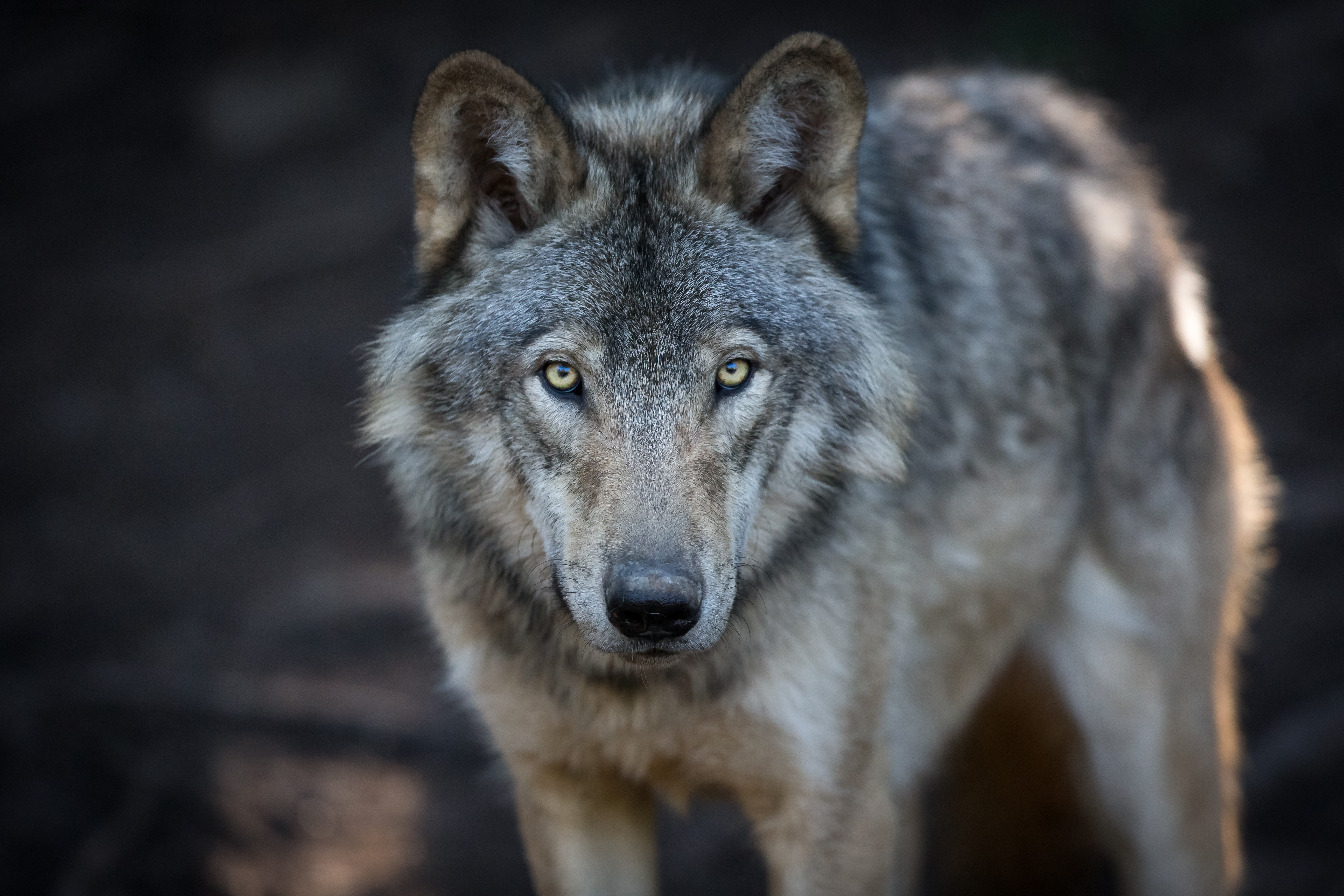
This trade association is the biggest voice of the U.S. cattle industry, and one of its top issues is a debate that was red-hot in 2025: the gray wolf. As states like Colorado have reintroduced gray wolves as part of conservation measures, the National Cattleman’s Beef Association (NCBA) has resolutely argued against these programs and wants to delist the animal from the Endangered Species List.
In a press release, NCBA President Buck Wehrbein said that cattle producers are “suffering financially and emotionally from wolf depredations that increase every year.” This organization is a powerful voice in opposition to gray wolf programs, an open question that will continue into 2026.
Local Climbing Organizations
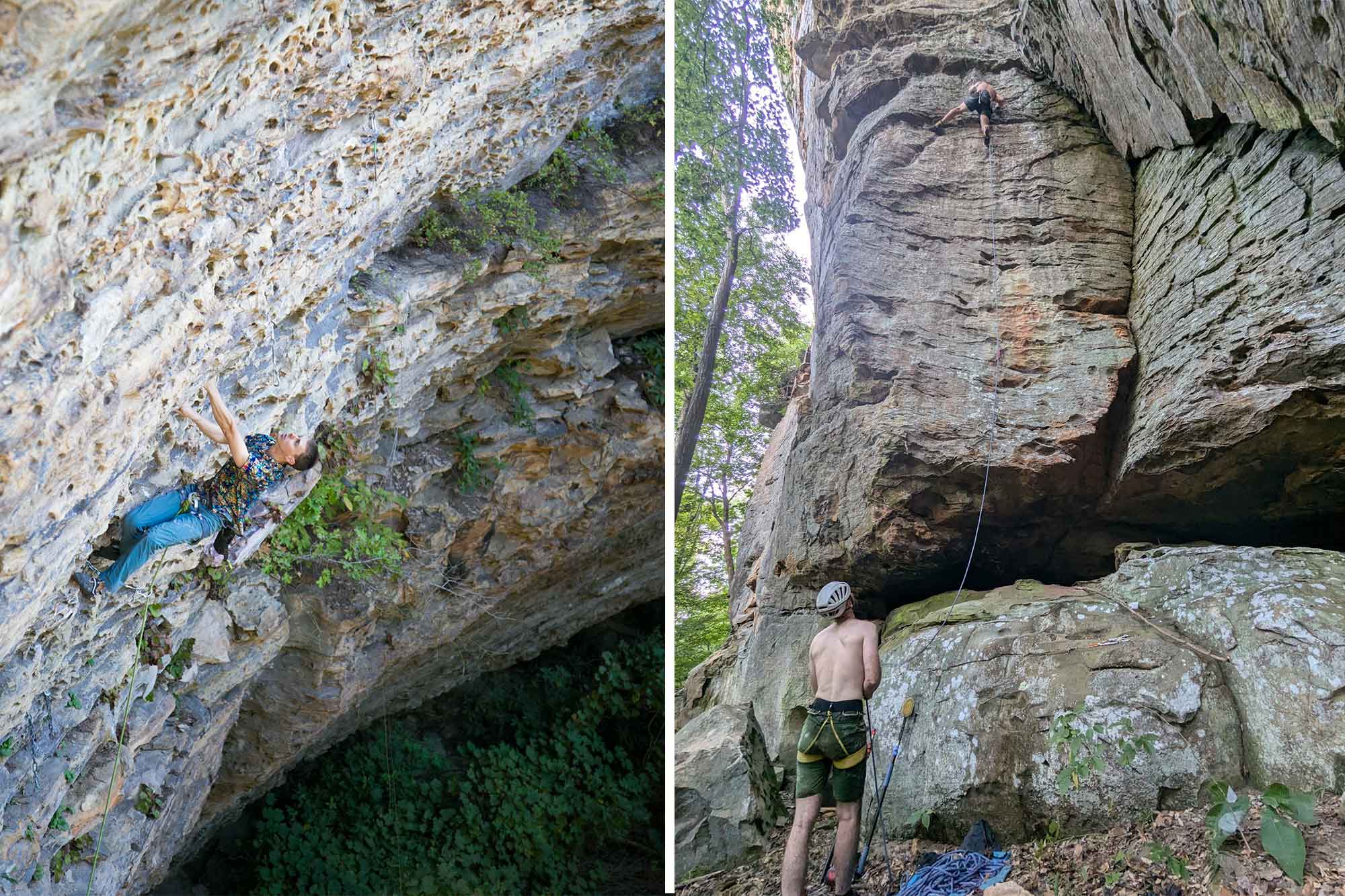
In the West, a large amount of climbing land is government-owned, but on the East Coast, a vast majority of it is privately held. This means that to visit these places, climbers have to work together with landowners to secure access for themselves and other outdoor folks.
Many regions have their own Local Climbing Organization (LCO); these small nonprofits work tirelessly on land deals, stewardship, and education.
Last year, one LCO, Kentucky’s Red River Gorge Climbers’ Coalition, pulled off the largest climbing land purchase in history. Elsewhere, after 25 years of effort, the Carolina Climbers’ Coalition secured access to a top-tier climbing area.
These land deals can take years to close, and often involve complex negotiations between climbers, land owners, local businesses, and other stakeholders. In a time when access victories can feel rare, LCOs often produce small wins that feel big.
Backcountry Hunters and Anglers
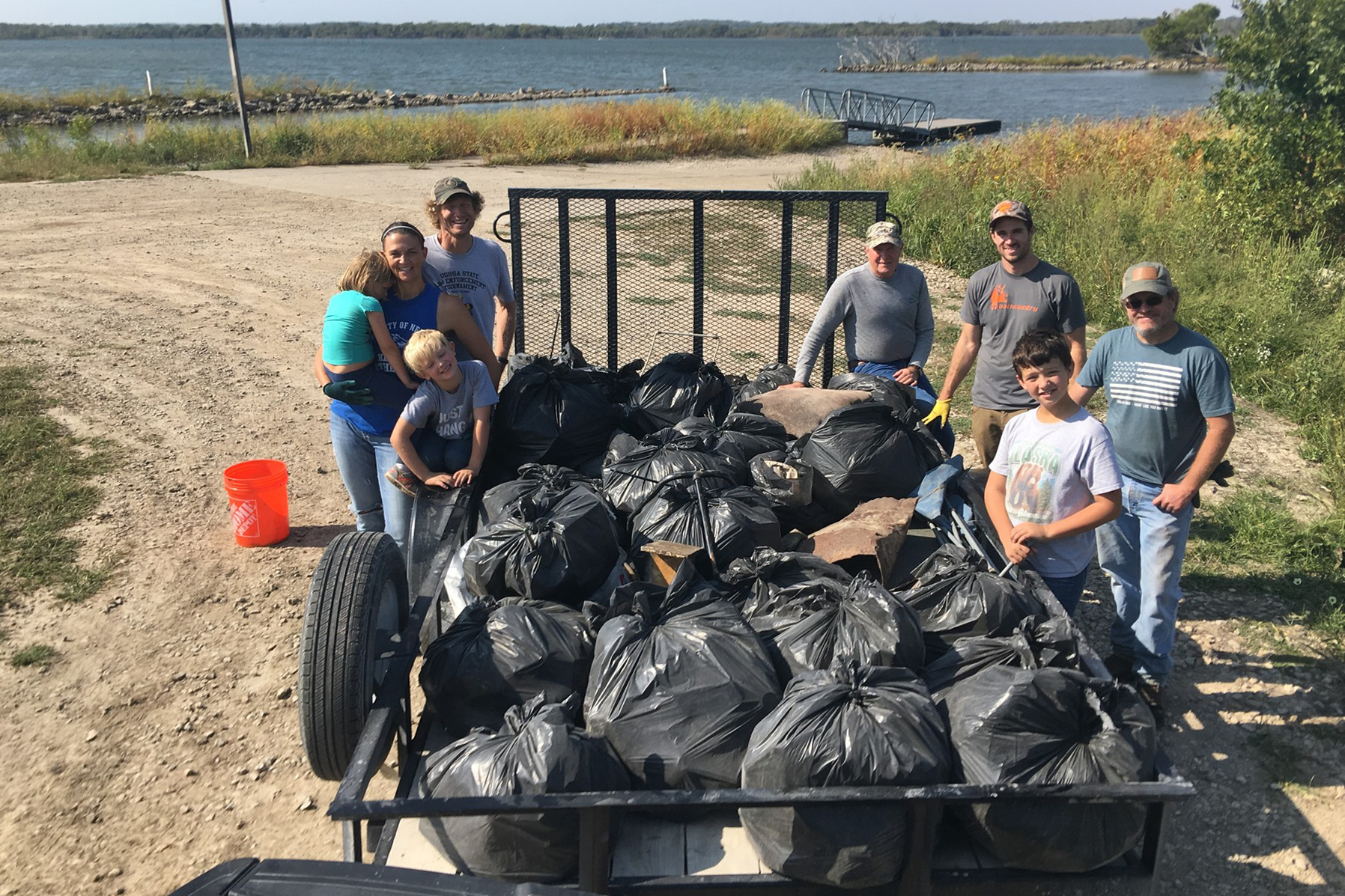
This organization recognizes a fundamental truth: You can’t hunt or fish without public lands. Backcountry Hunters and Anglers (BHA) says its “members treasure America’s wilderness and roadless systems and strive to conserve them.”
It encourages public action and endorses/condemns legislation about public lands, on both the national, state, and local levels. Its monthly State Policy Spotter brief reports on legislation that may affect public land and waters, and wildlife. It also regularly hosts stewardship events that help clean up wilderness areas or help with conservation programs.
With so many federal and state agencies involved in public land management, staying informed can be difficult, but BHA makes it easy. In its first State Policy Spotter of 2026, it broke down six potential policy changes from different states, and what you need to know to take action.
Read the full article here
