



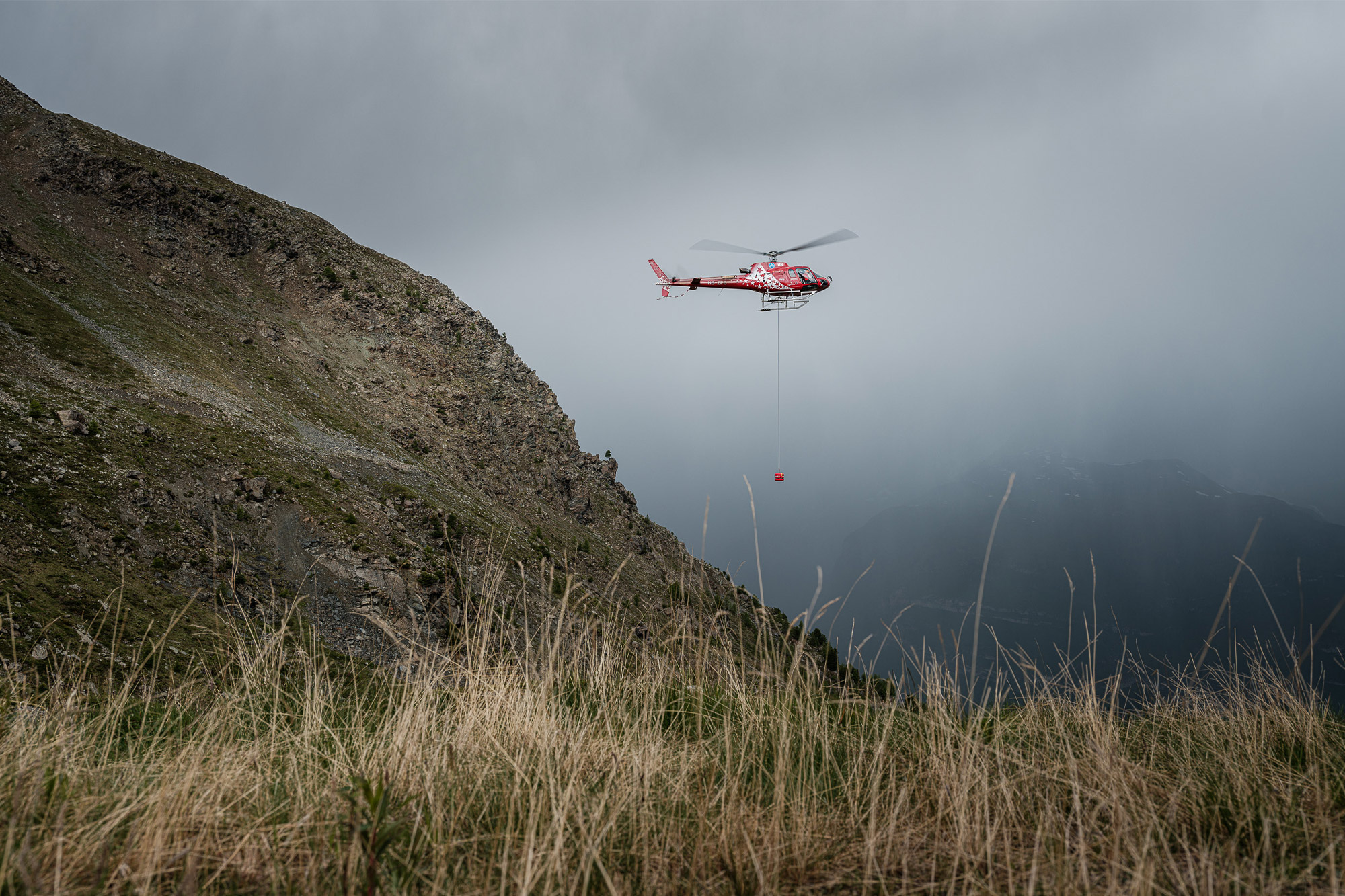

It can happen in an instant: You trip over a tree root, a rock you think is stable begins to move, or you slip on a steep downhill. In a flash, you’re on the ground, and you’ve wound up with a sprained ankle.
This injury happens to hikers everywhere all the time, but for visitors to one national park, it’s especially pervasive. In Acadia National Park, trail and weather conditions frequently combine to produce the perfect storm for “Acadia Ankle”: broken, sprained, or otherwise hurt ankles. Here’s why it happens, and what visitors can do to stay safe.
What the Data Says
To see whether the moniker “Acadia Ankle” is actually deserved, we looked into data from MDI SAR, a Maine-based search-and-rescue organization that responds to incidents in the park. In 2022 and 2023, the team responded to 15 and 19 incidents, respectively.
For both years, around 27% of incident reports included the word “ankle.” This body part was mentioned much more frequently than knees, for example, and ankle injuries caused incidents that required SAR more often than large falls.
Why Is It So Common?
Two basic elements combine to form an environment prone to accidents: granite rock plus rain. Acadia is primarily granite, which was polished millennia ago by glaciers. This polished rock can be slippery when it’s dry, so when it rains, it has almost zero friction, leading to slips and falls.
Peak tourist season for the park (June through September) isn’t the rainiest part of the year in Maine, but the park can easily exceed 3 inches of rain and 9 rainy days per month during this time. One MDI SAR incident where a hiker hurt their ankle directly cited “very wet and slippery” conditions as a contributing factor.
A trail in Acadia may be short in distance, but that doesn’t mean it isn’t dangerous. MDI SAR has been called multiple times for folks who have hurt their ankles on the Cadillac Cliffs trail. It’s only 0.3 miles round trip, but several sections of the hike cross over granite ledges and large rocks, with a peak grade of 40%.
Ankle injuries are also common on the Cadillac North Ridge Trail. The National Park Service (NPS) calls the 4.3-mile hike “moderate,” but it also warns visitors that footing on certain sections can be quite “tricky.” Trails up the summit of Acadia’s mountains include “steep climbs [that] can also make for dangerous situations if unprepared,” the NPS explained.
Prevention & Safety
Footwear is one of the most important ways to keep yourself from getting a case of Acadia Ankle. The NPS recommends wearing sturdy hiking shoes. This park is not the place to try to hike in Chacos. While trail runners have widely displaced traditional, over-the-ankle hiking boots for many justifiable reasons, in Acadia, it’s likely worth wearing slightly heavier boots for better protection.
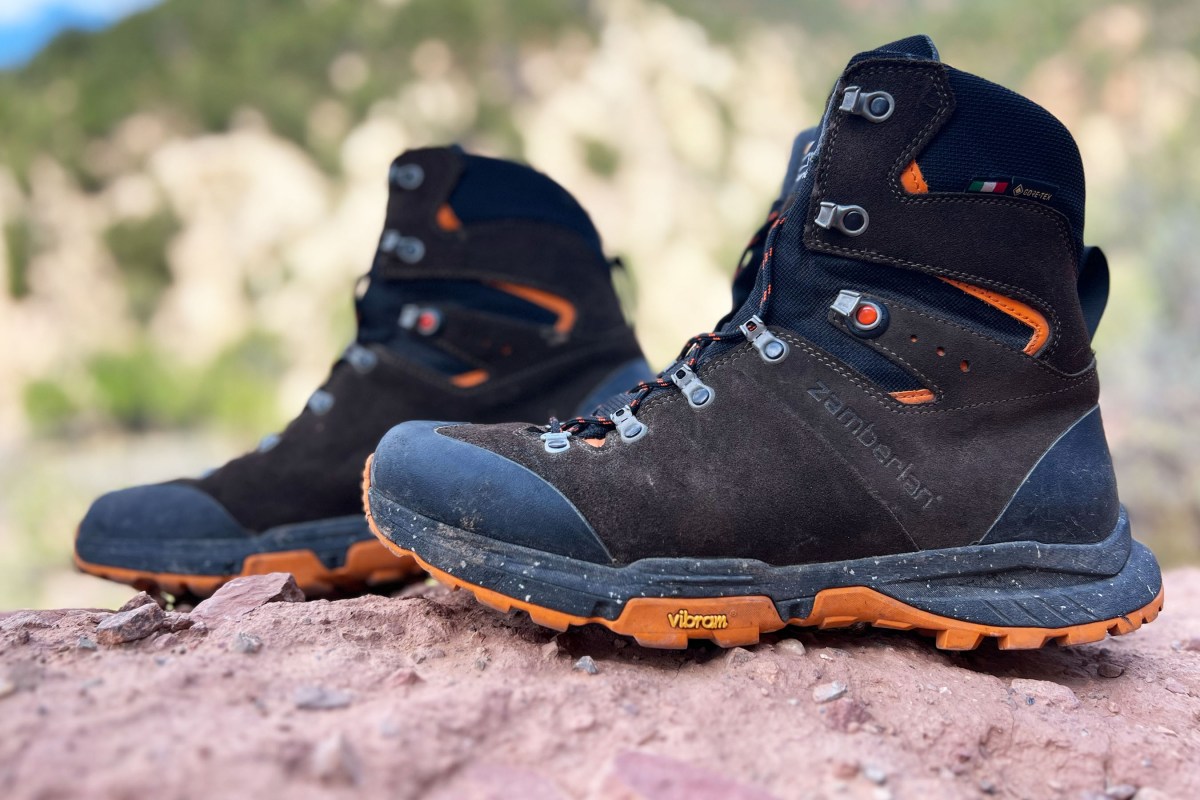
Keep in mind that hikes with big elevation gains can be more precarious in spring, fall, or winter. “Ice grippers, cleats, and traction footwear can have little effect on slick, underlying granite surfaces. Trekking poles are highly encouraged,” the NPS said.
Information is also power. Friends of Acadia (FOA), a nonprofit that supports the park, says to always be sure to read up on a hike beforehand so you know exactly what you’re getting into. Pay attention more to terrain than to distance when picking hikes that are appropriate for your ability level.
And, of course, keep an eye on the weather. A rainy day is probably not the best time to attempt a summit hike. If the conditions are looking damp, try a more relaxed, flat hike around one of Acadia’s many lakes.
In case an accident does happen, FOA recommends bringing a first-aid kit that includes tape to wrap a sprained ankle. Be sure to tell other people of your itinerary, and carry some kind of emergency communication device.
Since you’ve traveled all the way to Maine, you’ll want to make the most of your vacation in Acadia National Park. With adequate preparation and caution, you can avoid a sprained ankle ruining your fun.
Read the full article here
