



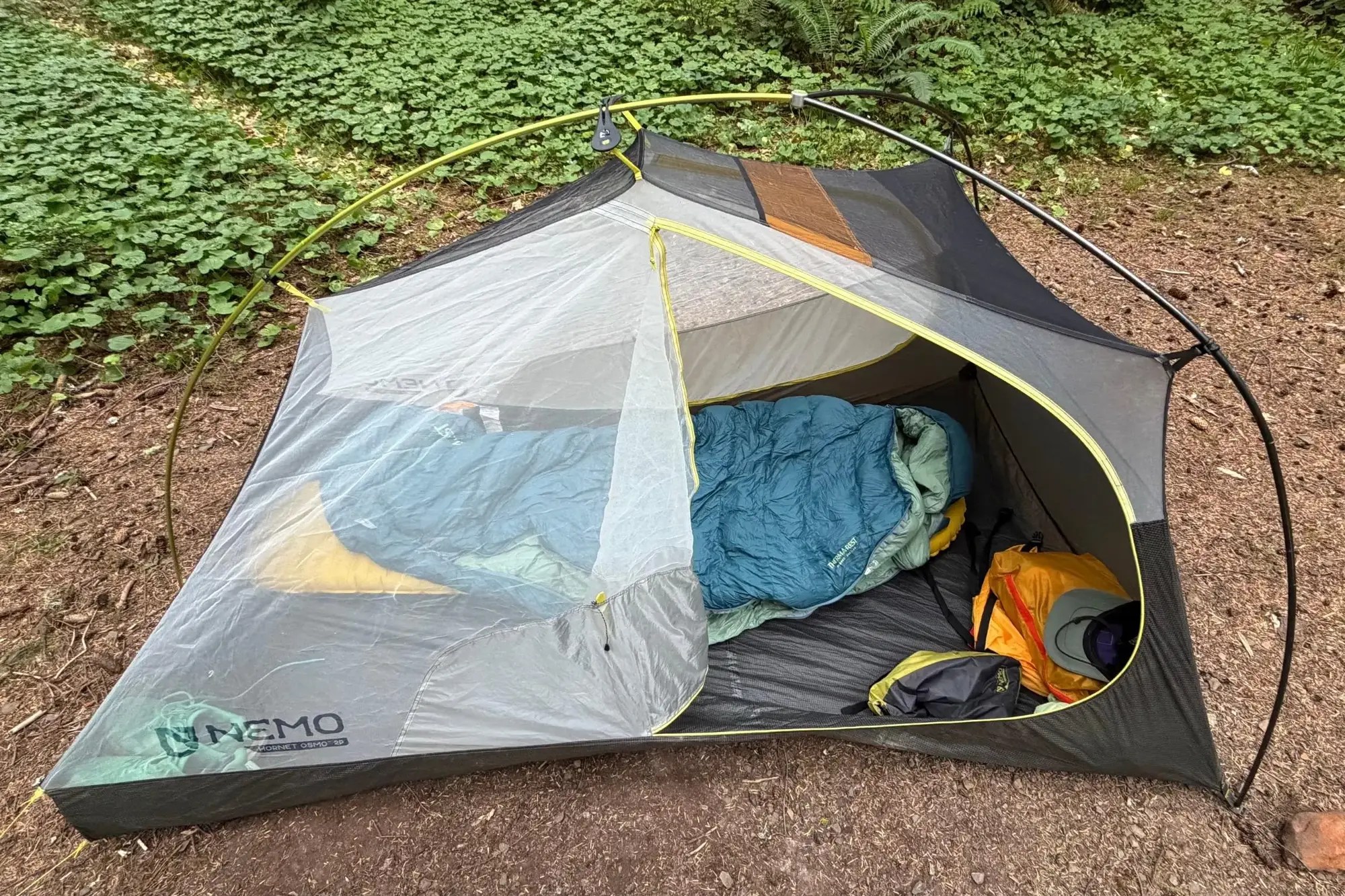

Like any backpacker, I try to cut weight from my pack where I can, but I draw the line at my sleep setup. I am not willing to sacrifice a good night’s sleep on trail for the sake of shaving off a few ounces. As a result, I’ve always shied away from ultralight mummy sleeping bags, preferring slightly roomier (and heavier) bags.
And yet, after a week of backpacking in Oregon and sleeping in Therm-a-Rest’s Parsec 20 ($470) sleeping bag, I’ve reconsidered. This bag, which weighs just over 1 pound, shows that going ultralight doesn’t mean giving up comfort. A bag can be soft, cozy, warm, and featherweight.
In short: With 900-fill down, the Parsec (available in 20- and 0-degree versions) delivers serious warmth in a space-saving, lightweight package. Backpackers who want a versatile, classic mummy-shaped bag will find a lot to love with the Parsec.
Compare the Parsec with other options in our guides to the best camping sleeping bags and best backpacking sleeping bags.
Shell Fabric
100% recycled 20D nylon ripstop
Available Temperature Ratings
20 (tested), 32°F
Available Sizes
Regular (tested), Long
Tested Packed Volume
7 L (20°F)
Tested Weight
1 lbs., 14 oz.
Tested Fill Weight
17 oz.
Insulation
900-fill PFAS-free hydrophobic duck down
Pros
- Light packed weight and compact size
- Comfortable
- Foot-warmer pocket is unique
- Integrated quilt and blanket loops
Cons
- Not the most durable
- Provided stuff sack is hard to use
- Expensive
Therm-a-Rest Parsec 20 Sleeping Bag Review
Design, Materials, and Fit
The 2026 version of the Parsec makes some improvements on the previous one, and the biggest shifts come in the material lineup.
This bag is now made from 20-denier 100% recycled nylon, updated from a nylon/polyester blend. It also uses 900-fill-power (up from 800-fill) PFAS-free hydrophobic duck down that complies with the Responsible Down Standard. Therm-a-Rest is one of many outdoor companies to increasingly prioritize sustainability in its product lines. If how eco-friendly a product is to you is important, this brand is worth exploring.
The Parsec has a standard mummy shape, cinchable hood, phone pocket, and an anti-snag zipper. A regular fits people up to 72 inches, while a long fits people up to 72 inches. I am 5’6″ (66 inches), and found that I had plenty of room for my feet. As with all mummy bags, the Parsec was a bit tight in the shoulders, but not as bad as other mummy bags I’ve tried, where I feel like I’m in a straitjacket.
As someone who is a side and stomach sleeper, I tend to prefer bags specifically designed for us folks. The NEMO Disco, for example, has a spoon shape for extra room in the chest and shoulders. If I unzipped the Parsec just a tad, I had more room to splay about and find a comfortable sleeping position.
The anti-snag zipper worked well. I hate having to fight with the zipper in the middle of the night when I’m trying to get out of my bag to go to the bathroom. Even when I was fumbling in the dark for it, it unzipped quite smoothly.
Comfort and Sleeping
The Parsec has a comfort rating of 29 degrees and a tested lower limit of 18 degrees. On my week-long hike in Oregon, it only dipped into the low 40s at night. Most nights, I slept with the sleeping bag fully unzipped, using it more like a blanket, with just shorts and a T-shirt on, and I was plenty comfortable.
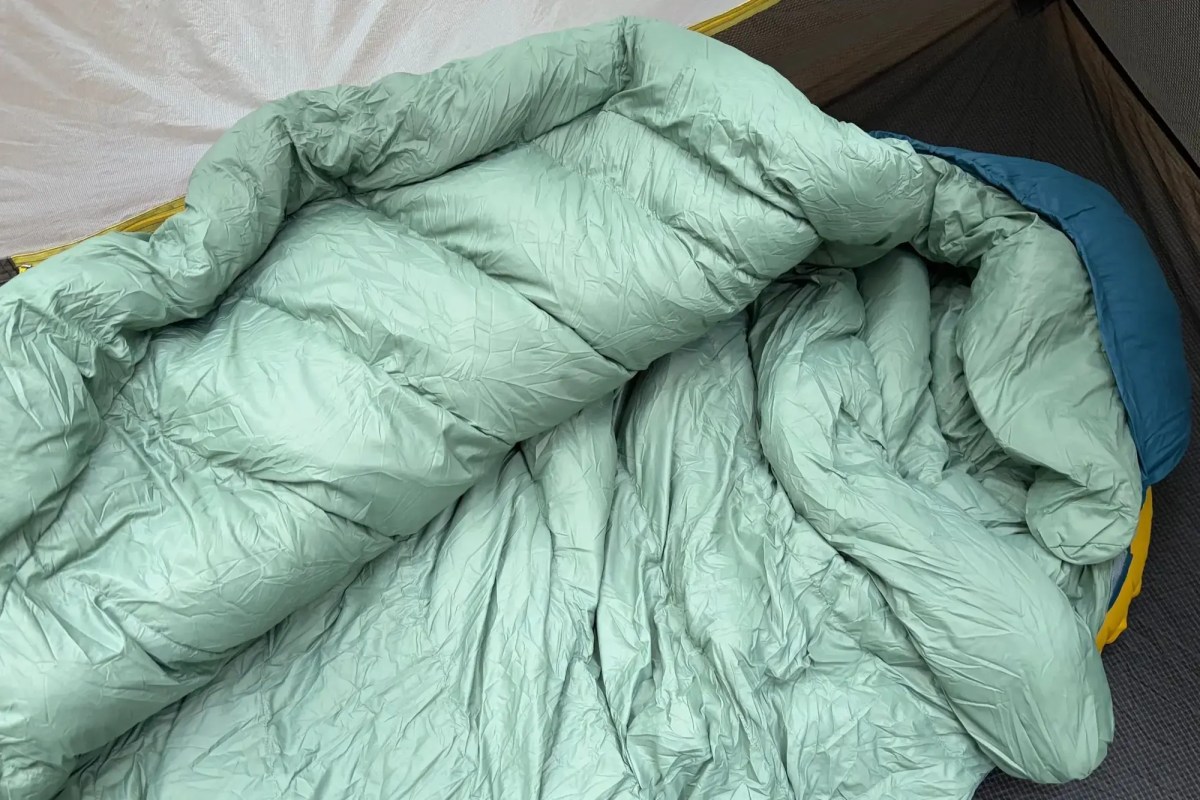
The brand says it’s added several features to boost the warmth and comfort of the Parsec. The “Toe-asis” foot warmer pocket in the foot box is supposed to help you rapidly warm up your toes. “The updated baffle structure and zoned insulation strategically locate more down in priority areas,” according to Therm-a-Rest.
It wasn’t quite cold enough for me to put this fully to the test, but based on how warm I was with the bag unzipped, I would feel confident taking this bag with me in below-freezing conditions.
As someone who is sensitive to fabrics and how they feel on my skin, I loved the Parsec. I’ve found that other bags, like ones from NEMO, stick to my skin or make me itchy. The inside of the Parsec was soft, and I had no negative reactions.
For the last 36 hours of my trip in Oregon, it rained nonstop. During the night, my tent slightly flooded, and the foot box and lower end of the sleeping bag got damp on the outside. And yet on the inside, it was dry as a bone. The Parsec obviously wouldn’t survive a full deluge, but it held up well against a fair amount of moisture in my tent.
Durability
No matter what sleeping bag you buy, you want it to last, and that’s especially true if it costs as much as the Parsec does. Unfortunately, after only a week of use, I found several small holes, both on the inside and outside of the bag. I was relatively careful with the bag; my dog didn’t get to sleep in it, and I didn’t hang it on any tree branches to air it out.
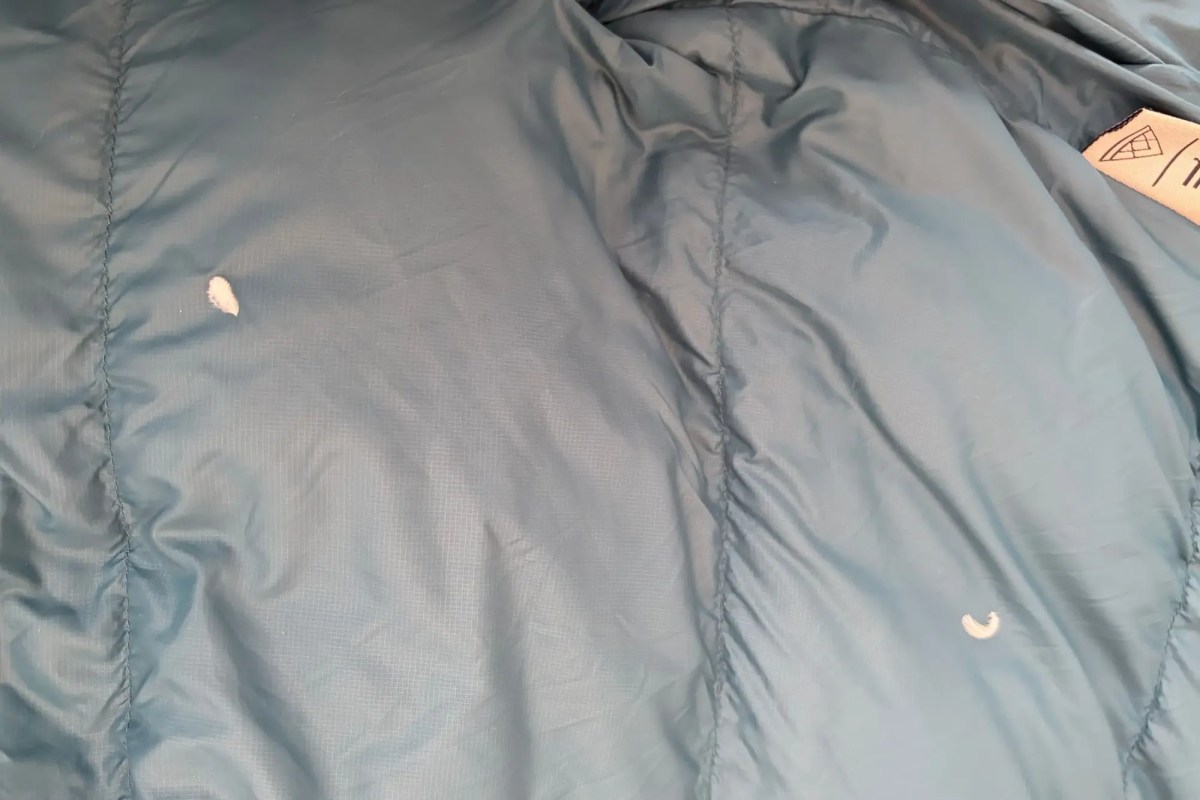
And yet, upon close inspection, there were multiple pinholes in the fabric where down feathers were coming out, often along the seams. I’ve had sleeping bags — including the EXPED Terra 0 and NEMO Disco 15 — that have been through far worse abuse and show fewer signs of wear and tear. Unfortunately, I have to dock the Parsec major points in the durability department.
Weight & Packability
The regular size of the Parsec 20 weighs 1 pound, 1 ounce (the long version weighs 2 more ounces). Comparing that to bags with similar warmth ratings, the Parsec definitely falls on the ultralight end of the scale. Our top backpacking sleeping bag, the Feathered Friends Swallow 20, weighs 1 pound, 10.6 ounces, and our top ultralight pick, Sea to Summit Spark Down 15, weighs 1 pound, 0.9 ounces.
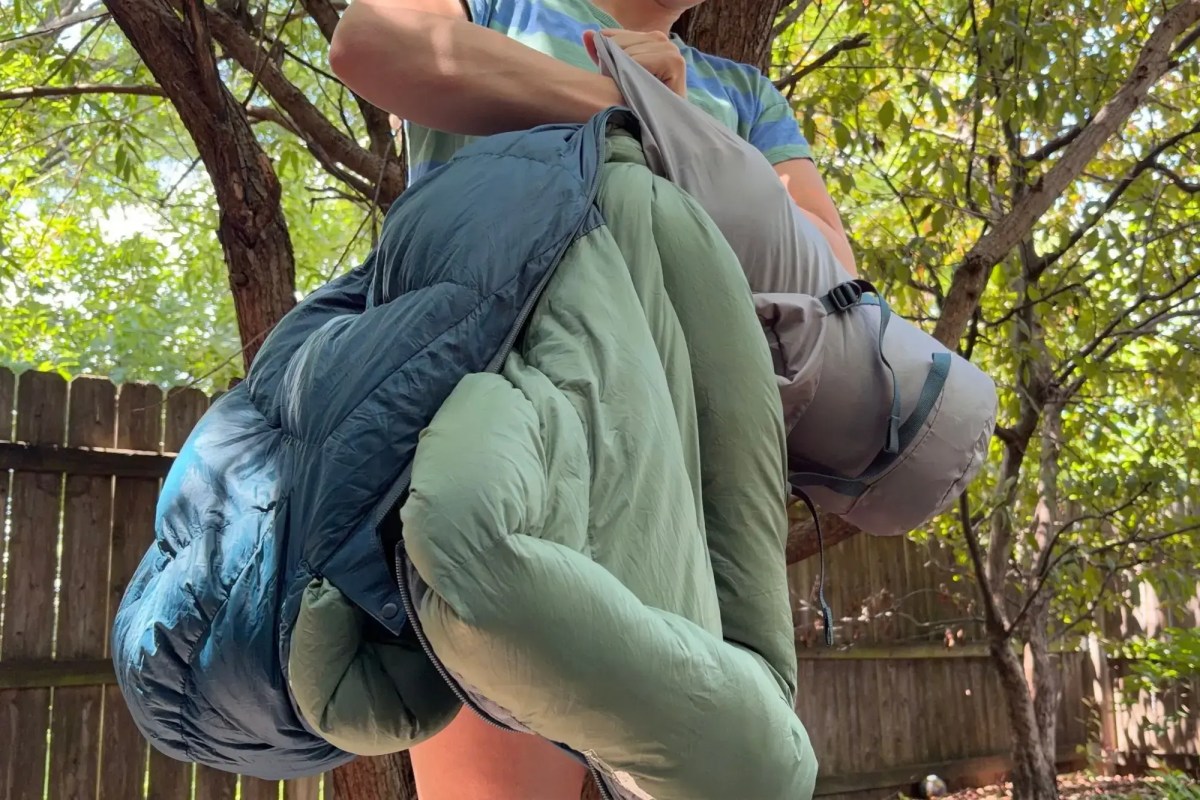
It’s much lighter than the rest of Therm-a-Rest’s sleeping bag lineup. The brand’s Boost 650 weighs 2 pounds, 11 ounces, and the Corus 20 Down Quilt weighs 1 pound, 10 ounces. While ultralight quilts have become all the rage, some people still prefer the shape of a standard sleeping bag. If you want a traditional bag but still want to shave ounces, the Parsec is a worthy contender.
Discussing packability means discussing one of my biggest gripes with this bag. The stuff sack is long and skinny with a narrow opening, making it an absolute pain in the butt to get the bag back in it. This might seem like a small issue, but when you’re doing this every day, it gets annoying.
I’m used to stuff sacks with a larger, expandable opening that then have adjustable straps to cinch and compress the bag down to a small size. I eventually ditched the provided sack and used one from a Mammut bag instead because trying to get a fluffy, down-filled bag in a narrow hole with inflexible fabric was too much of a chore.
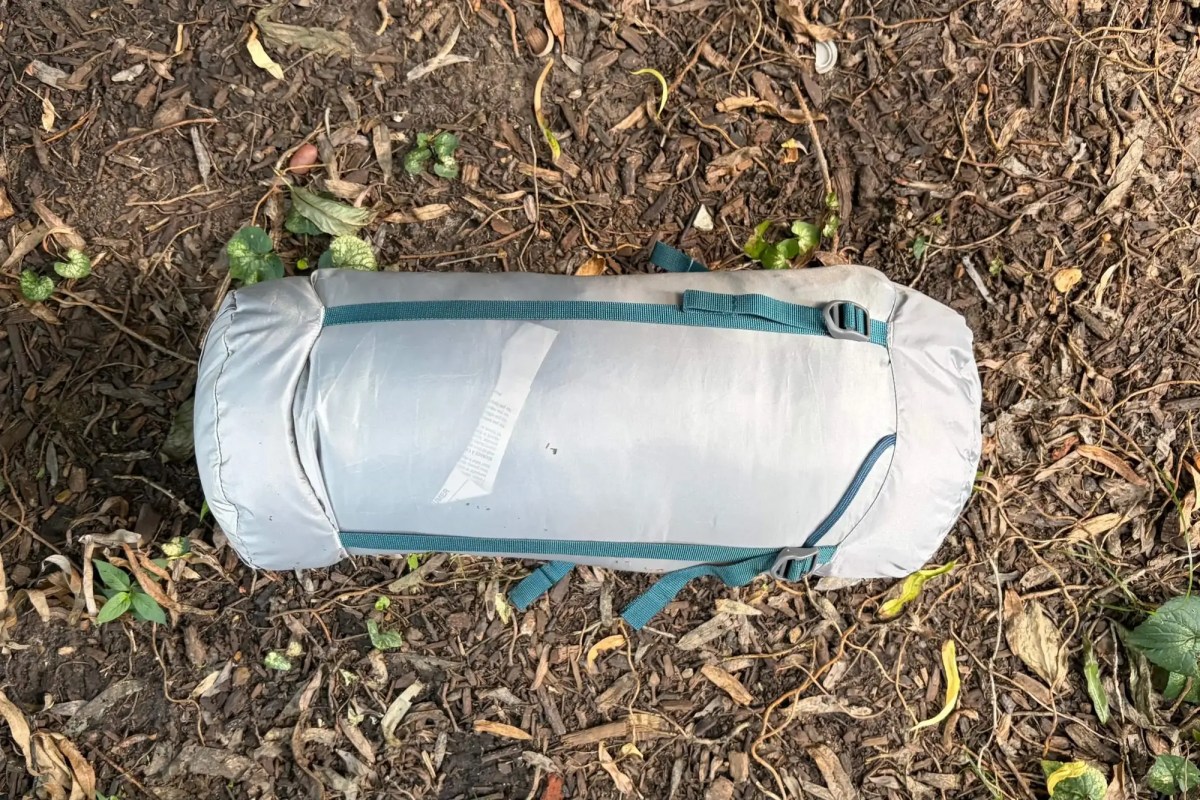
Ultimately, in that other stuff sack, the Parsec compressed down to about the size of a soccer ball. I was using a 50L pack and space was at an absolute premium, so I appreciated how little space the bag took up. It definitely packed down smaller than bags I’ve used from Mammut, EXPED, and NEMO.
A Note on Price
The 20-degree, regular version of the Parsec costs $470. While not the most expensive option in our guide to the best backpacking sleeping bags, it is absolutely on the higher end. For many people, including myself, paying over $400 for a sleeping bag is a tough pill to swallow.
Yes, it’s one of the lightest options, but it also costs up to $130 more than warmer bags like Mountain Hardwear’s Bishop Pass ($335 for a 15-degree version) or REI’s Magma ($400 for a 15-degree bag). Katabatic Gear’s Alsek 22-degree quilt only weighs 6 more ounces than the Parsec, but it costs $60 less.
The Parsec’s $470 price tag is even harder to justify, considering the poor durability of the bag. Spending a car payment on a sleeping bag that might not last more than a few seasons doesn’t make much sense.
Therm-a-Rest Parsec 20 Sleeping Bag: Conclusions
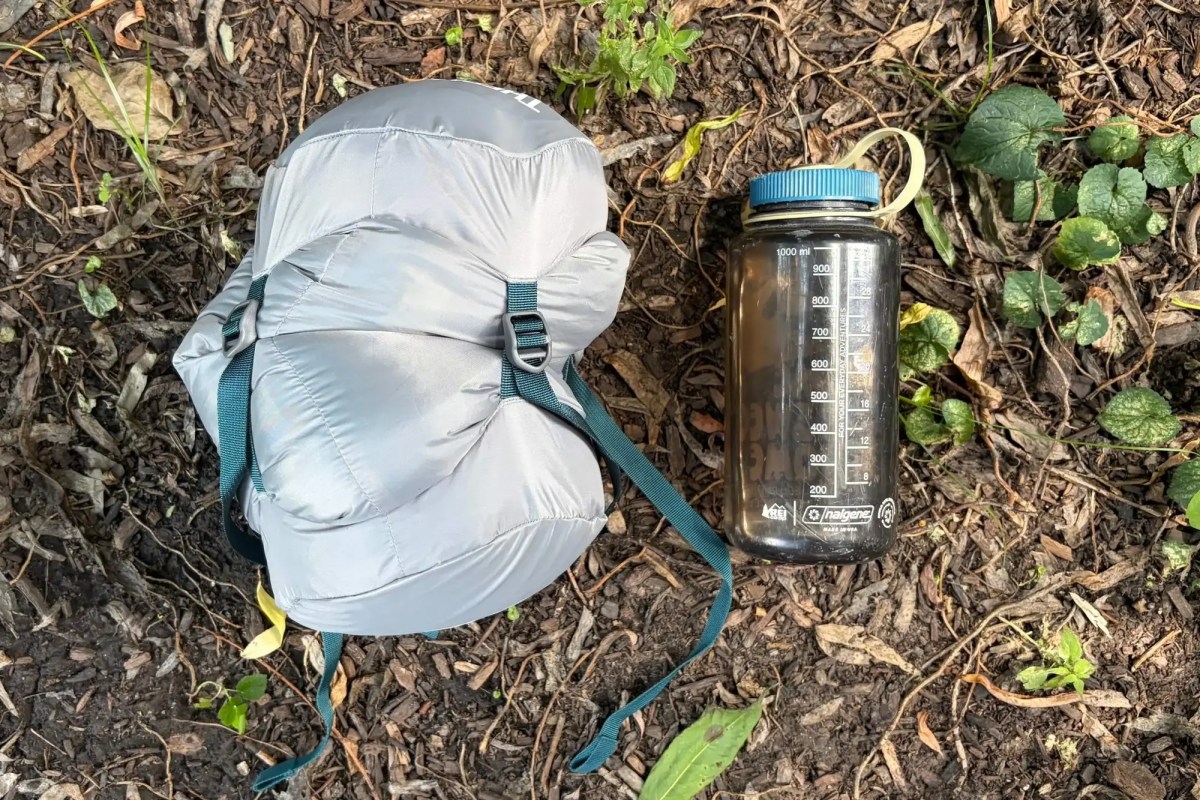
Whether you’re an ultralighter or just someone looking to cut a bit of weight from their pack, it’s always worth examining your sleeping bag. The choice of sleeping bag is one of the main ways to trim weight, and the Parsec’s warmth-to-weight ratio is hard to argue with. Using this bag shaved over a pound off my standard sleep set-up, which is huge. With its warmth, comfort, sustainability, and packability, the Parsec has a lot going for it.
Like most outdoorsy folks, however, I care about value the most. Whatever amount I spend, I want what I buy to deliver bang for my buck. The Parsec’s poor durability, combined with its steep price tag, gives it a subpar value. If you want a sleeping bag to last for years, this is not the ticket.
However, if you tend to be a gear nerd who is constantly upgrading, or has a whole closet of sleeping bags, the lack of durability might not be a deal-breaker for you. If cutting weight while maximizing comfort is at the top of your list of priorities, Therm-a-Rest’s Parsec 20 certainly fits the bill.
Read the full article here
