



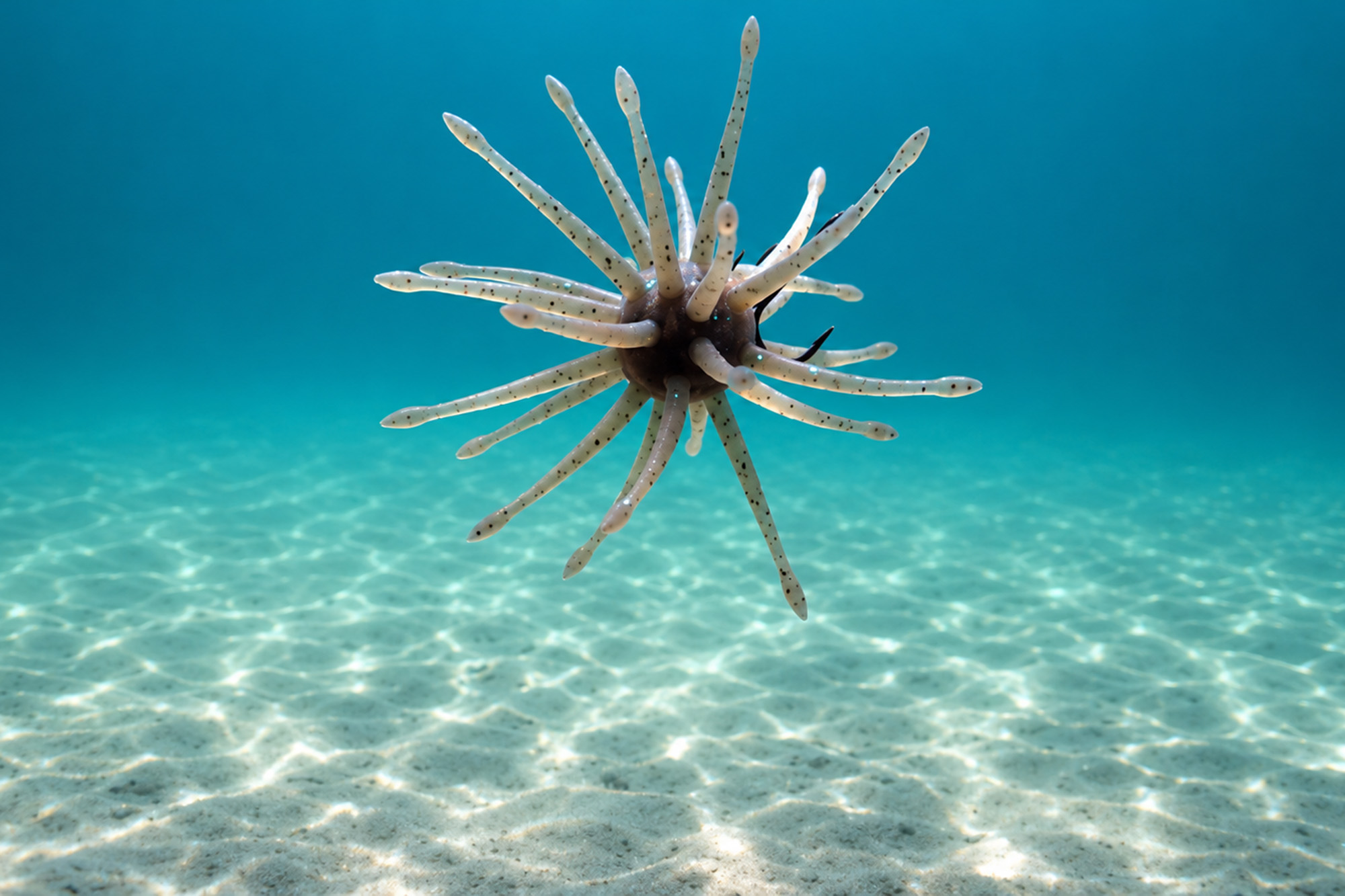

Walk through the New Product Showcase at ICAST 2026, and one fishing trend was hard to miss. Urchins were everywhere. Some were small. Others were considerably larger. Some were made from traditional soft plastic, while others used stretchy TPE materials. There were different shapes, weights, rigging options, and enough variations on the basic concept to fill a tackle box.
The urchin bait has gone from a relatively niche presentation to one of the biggest trends in bass fishing, and ICAST offered a clear look at how quickly the fishing industry has responded.
What Is an Urchin Bait?
Urchin-style baits generally use a compact central body surrounded by soft appendages extending in nearly every direction.
In the water, those appendages move with very little input. Depending on the bait and how it’s rigged, the result can be a slow-falling, hovering, or subtly moving presentation that doesn’t neatly imitate one specific forage species.
The category includes a wide range of materials and designs, but the general profile stays the same: a small body surrounded by a whole lot of legs.
Japanese baits, including the Hideup Coike, helped establish the style among serious bass anglers. As the technique spread and tournament anglers found success with similar presentations, demand grew beyond the relatively small number of imported and specialty baits available.
Why Are Urchin Baits Suddenly Everywhere?
The mass of flexible appendages creates movement without requiring an aggressive retrieve. Anglers can fish the baits slowly, suspend them in the water column, or present them to individual fish with very little movement from the bait itself. That style of presentation also works well with forward-facing sonar.
Anglers can now watch individual fish react to a lure in real time. Baits that can be held in front of a fish, moved subtly, and adjusted based on that reaction have become increasingly valuable.
The rise of fuzzy dice-style baits followed a similar path. What initially looked like an oddball finesse presentation became a legitimate tournament technique, and manufacturers responded with their own versions.
Urchin-style baits are now showing up in far more sizes, materials, and rigging systems.
ICAST 2026 Was Crawling With Urchins
Rapala brought the CrushCity “The CEO” 21. Yamamoto introduced the larger Uni Mas. Bait Cave had the Zora. NetBait showed the HexTek Virus. G-Ratt Baits brought its Urchin Rig.
Manufacturers experimented with different body sizes, weighting systems, leg shapes, and rigging methods, but the same basic many-legged profile showed up across the show. Bassmaster even devoted an entire gallery to the new crop of urchin-style baits at ICAST.
The Urchin Craze Hit the Awards Podium

Rapala’s CrushCity “The CEO” 21 won the Freshwater Soft Lure category in the ICAST New Product Showcase.
G-Ratt Baits’ Urchin Rig won Terminal Tackle.
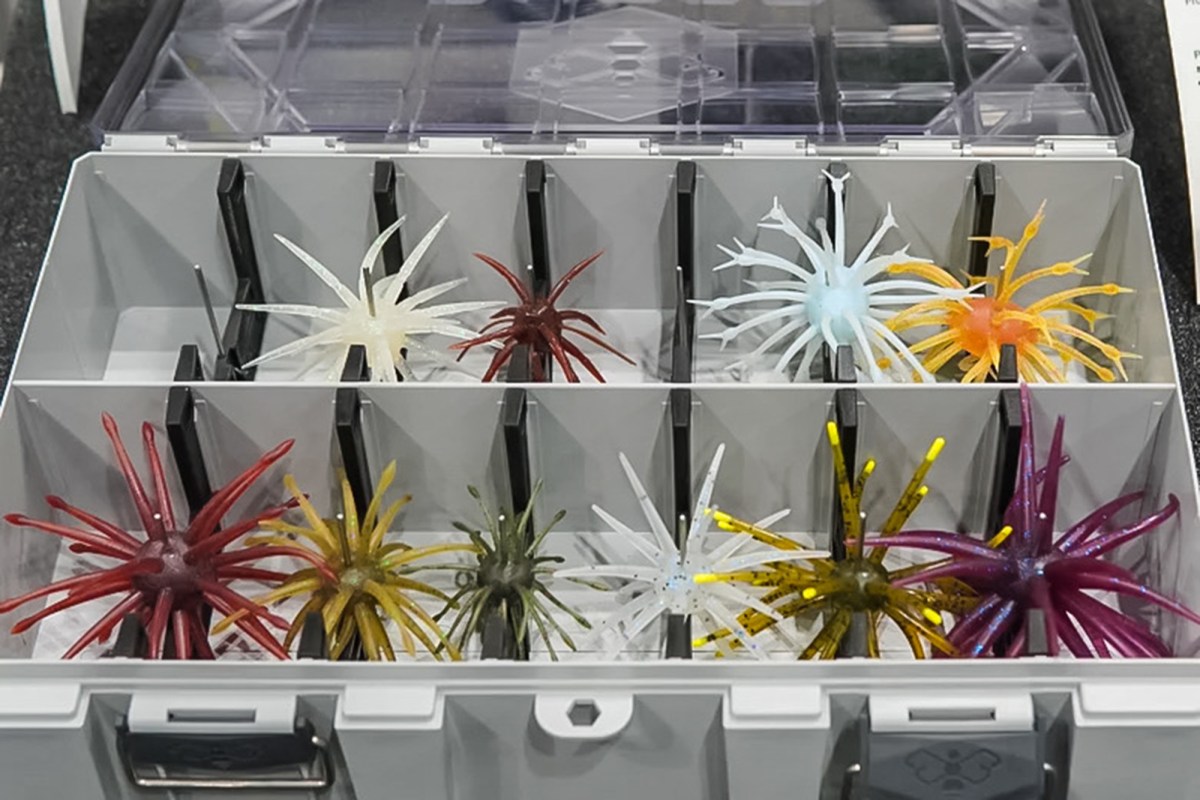
BUZBE won Tackle Management with its Basic Deep – Urchin Bait Box, a storage system designed specifically to hold the awkward, many-legged baits without packing them tightly together.
The three wins covered lures, terminal tackle, and tackle storage, showing how far the category has expanded beyond a single bait design.
Where the Urchin Goes From Here
ICAST is often a good measure of where the fishing industry thinks anglers are headed next. In 2026, manufacturers clearly put a lot of money and development time into urchin-style baits.
The result is a much broader selection than anglers had even a few years ago. The hard-to-find Japanese baits that helped popularize the presentation now have plenty of company from major tackle brands and smaller manufacturers.
How many versions the market actually needs is another matter. For now, anglers have no shortage of ways to fish an urchin.
Read the full article here
