



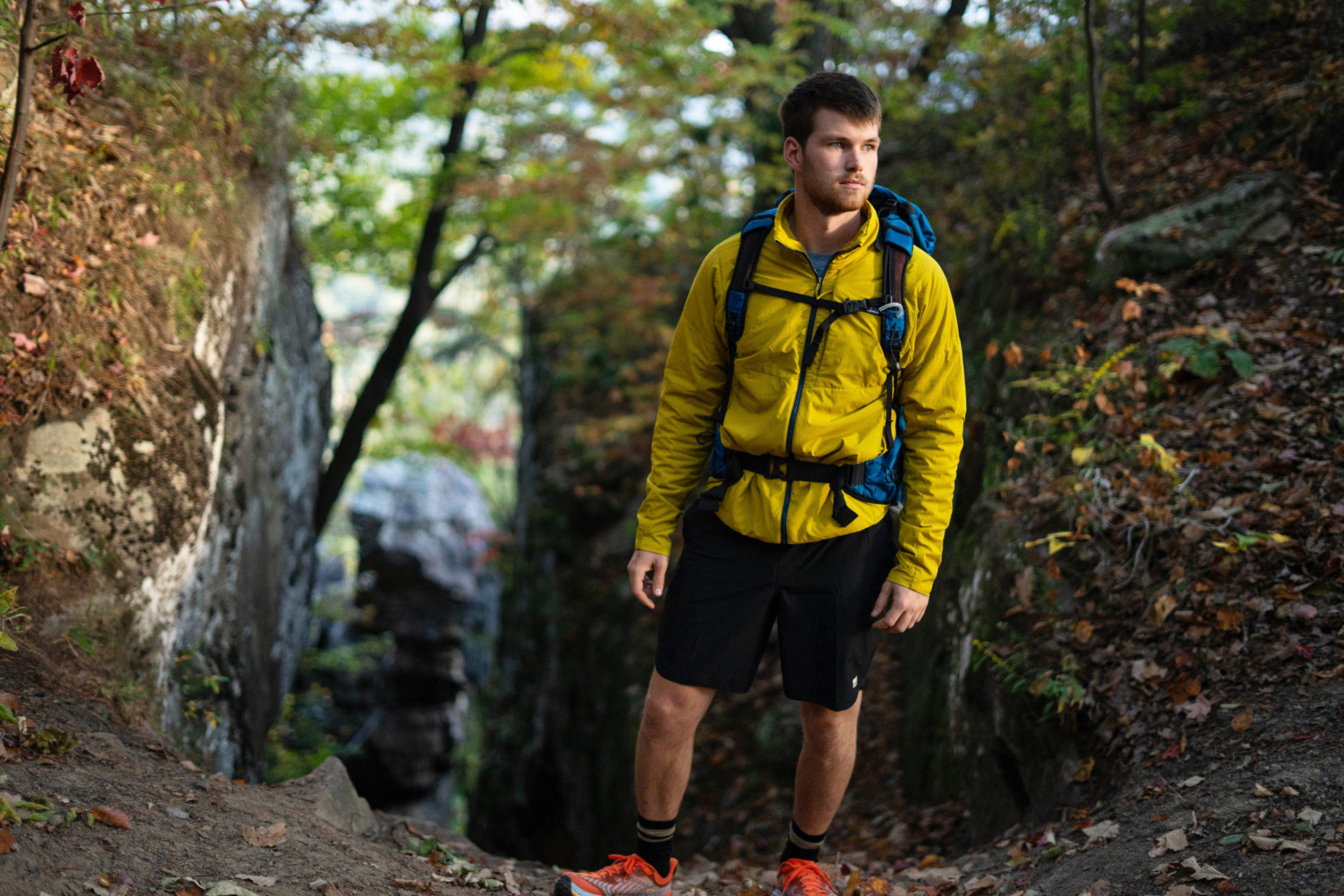

Midlayers are some of the most versatile layers out there and come in all sorts of shapes and styles. If you feel that layering for the cold is tricky, or if you need an insulated jacket, our list of the best midlayers is a must-read.
We’ve tested a slew of midlayer styles: full-zip jackets, hoodies, vests, puffies, and lightweight and ultralight midlayers as well. Below are our best picks for winter, with all-around solid fleece options like the Patagonia R1 Thermal to budget-wise layers like the REI Co-op Flash Hyperstretch.
Our experts are a multi-sport bunch with layering needs that span the spectrum, and we aimed to cover the spread in our recommendations. We’ve climbed pitches of ice in these layers, worn them while commuting into town, and taken them along months-long thru-hikes. Take it from us: these layers will get you where you’re going.
Editor’s Note: We updated our Midlayers guide on April 2, 2026, to add the Ridge Merino Cloudripper, a merino-majority fleece that brings some impressive temperature regulation to the table. We also added our ‘Quick & Dirty’ take to each midlayer.
The Best Midlayers of 2026
Material
6.5 oz. 91% recycled polyester/9% spandex flat-faced Technostretch fleece
Insulation
N/A, grid fleece
Pros
- Warmest version of the R1 fleece
- Face fabric is smooth and tight-knit, shedding flurries well
- Microgrid fleece is warm and plush
- Nice, snug hood
- Wide size range
Cons
- Not the most breathable option for high-output activities
- Pricier than normal R1 fleece
The Quick & Dirty: The warmest R1 yet, featuring a wind-shedding face and plush microgrid interior. It excels in freezing alpine stop-and-go use, though it may overheat during high-output trail runs.
The R1 has a storied history in the Patagonia lineage, and another sibling has been added to the set: the Patagonia R1 Thermal Full-Zip Hoody ($219). This ‘thermal’ cut aims to be the warmest of the bunch, and having worn all four different styles, we can confirm that it nails the effort.
The main differences between the Thermal R1 and the rest of the fleeces include a tight-knit face fabric that cuts through the wind and a grid fleece arranged in a much closer-spaced configuration to really bump up the BTUs. We’ve used this piece as an active insulation layer while climbing 10,000-foot volcanoes in the Pacific Northwest, and it has enough warmth to get us to the summit and back.
Besides the warmer fleece, we found the cut to be typical of Patagonia (a bit boxy in the torso but well-fitting), with sleeves at just the right length for tucking into the thumb loops from time to time. The hood can be run underneath a helmet, and you also get a second chest pocket in this R1 — very slick.
At higher outputs, the R1 Thermal will hit a breaking point where it’s just too toasty, which is when we reach for something with a looser weave like The North Face FUTUREFLEECE or R1 Air. The wind will cut through both of these midlayers, but if it’s just not that cold ambiently (or you’re pumping out the heat), they can balance the scale well.
You also won’t quite get as much static warmth out of the R1 Thermal as you will with a synthetic puffy like the Arc’teryx Proton or Patagonia Nano Puff, but the benefit of going with a slightly thicker fleece is that your insulation jacket can be lighter. For most of our winter layering systems, this fleece fits in perfectly.
Fabric
54% recycled polyester, 35% nylon, 11% spandex
Density
Light to Midweight
Special features
Zippered hand pockets, drawcord hem
Pros
- Stretchy
- Slightly longer length with drawcord hem
- Affordable
- Hood stays on while running
The Quick & Dirty: A budget-friendly, high-stretch fleece with a smooth face and a slightly longer cut for layering. It offers versatile warmth, though it lacks technical features like thumbholes.
A good facsimile to the R1 Thermal — for a good bit less — the REI Co-op Flash Hyperstretch Fleece Jacket ($100) checks most of the boxes we’re looking for in a midlayer. Warm enough, breathable when you need it, and stretchy to move with you. For less than a Benjamin, the Flash Hyperstretch does it all on the cheap.
Unlike the R1, the Flash Hyperstretch adds a few hand-warming pockets, which makes it better suited as an outer-facing layer. The longer torso length and drawcord cinch at the hem also aid in this effort, meaning you won’t have to rely on another jacket to keep errant breezes at bay.
The built-in stretch is also a notch above other fleeces we’ve tested, and that 11% spandex in the weave is put to good work when reaching high overhead. Unfortunately, the budget cuts are apparent when you do this, as there are no thumbholes in the Hyperstretch. A small price to pay, we’d argue, as the fleece leans a bit more casual, and the absence makes sense here.
The hood, we found, is a bit too accommodating — almost like a sweatshirt hood, and won’t be quite as sportif as pieces like the FUTUREFLEECE from The North Face or NW Alpine Black Spider Hoody. Still, it’s forgiven for the ‘all-around’ bent on the Flash Hyperstretch. We enjoy wearing this jacket everywhere from bumping around town to winter runs, and for the money, that’s impressive versatility.
Material
124 g/m² Teijin Octa FUTUREFLEECE — 55% polyester, 45% recycled polyester
Pros
- Octa fleece is highly breathable, but holds warmth well when under a layer
- Extremely lightweight
- Versatile layering option
- Stretchy material is easy to move in
Cons
- Not enough pockets
- No wind resistance
- Thumb loops are a little fragile
The Quick & Dirty: An ultralight layer using hollow yarns to trap heat while maximizing airflow. Highly breathable and packable, it’s the ideal layer for high-effort ski tours and winter training.
An entire sub-genre of loose-knit fleeces has sprung up in recent years, with notable tech in the form of Polartec Alpha Direct. The Octayarn fleece used in The North Face FUTUREFLEECE Full-Zip Hoodie ($190) is another take on the uber-breathable fleece, and when pushed to the limit on high-output ski tours or runs this winter, we found it well made the grade.
The FUTUREFLEECE fits more snugly than many fleeces, which helps to retain your hard-earned warmth between the uniquely bundled piles of yarn. The spaces between these bundles are quite thin, and allow for more air transfer when you really need to vent heat. While huffing up skin tracks in Colorado this spring, we found this hoodie to be the perfect weight.
Side-by-side, we found that the Octa fleece felt sturdier than Alpha Direct pieces, with an ultrathin outer face that helped keep the FUTUREFLEECE from being snagged on branches. All loose-knit fleeces are going to feel a bit fragile, but with the fleece yarns facing the interior of the jacket, there’s a good bit less to get caught on.
This fleece’s features are otherwise light, with a single chest pocket taking up slim real estate and thumb loops on the sleeves. The Summit Series from The North Face is all about high-alpine efficiency, so no love is lost here from us. Still, if a few dialed chest pockets are on your wish list, the Patagonia R1 Thermal is ready for action.
If you’re after a more summer-weight active fleece, consider the Senchi Alpha 90 Hoodie or Mountain Hardwear AirMesh Hoodie — both lighter weaves that work great at a hiking pace. For a wider range of conditions, however, the FUTUREFLEECE is our pick.
Material
Fortius Air 20 face fabric; 20D Toray liner
Insulation
PrimaLoft Gold 80 gsm torso, 60 gsm hood
Pros
- Exterior is highly abrasion-resistant
- PrimaLoft Gold is high-quality insulator, and is body mapped with different weights used in torso/arms
- Hand-warming pockets are placed higher to avoid climbing harnesses
- Helmet-compatible hood
Cons
- Has an upper limit for breathability
- Expensive
- No thumb loops
The Quick & Dirty: A premium synthetic puffy balancing air-permeable fabric with body-mapped PrimaLoft Gold. It’s engineered to dump heat during movement while remaining warm enough for standalone use.
While the Atom line gets all the glory, we think that the Arc’teryx Proton Jacket ($350) is a slightly better synthetic midlayer from the brand. Styled as a more mountain-forward piece, the Proton is a bit warmer, uses a nicer synthetic fill, and cuts through the cold wind better. For a synthetic puffy, it’s tough to do better than this.
We’ve worn our Proton for more than 5 years now of constant use, and while it’s packed out some, it’s still going strong. The only other wear we’ve noticed has been the chest pocket zipper giving up the ghost and the logo wearing away. The price is undeniable here, but it pays out dividends in durability.
The 80 gsm PrimaLoft Gold used throughout the Proton makes it a notch warmer than the standard Atom (which uses 60 gsm), and compared to quilted synthetic jackets like the Patagonia Nano Puff, we tend to prefer sheet-style synthetic pieces like the Proton, as they retain more warmth without the losses associated with stitch lines.
Unlike the Atom (which uses underarm fleece panels to dump moisture), the Proton uses a more breathable Fortius Air 20 face fabric material to remain breathable. We found that in truly cold winds, the fleece panels on the Atom would let too much breeze through, while the Proton lets in just enough.
Ideal as a static warmth piece for shoulder season endeavors — or even an active piece for cold alpine climbing — the Proton has a dedicated spot in our closets.
Weight
12.9 oz. (men’s size M); 10.9 oz. (women’s size S)
Fabric
100% recycled polyester fleece
Weather resistance
No weather treatment
Pockets
Two handwarming, one on chest
Pros
- Super-breathable zig-zag grid fleece
- Lightweight
- Wide range of sizes
- Cozy on-skin feel with snug fit
Cons
- Not very much static warmth
- Wind resistance isn’t great
- No thumb loops
The Quick & Dirty: A technical zig-zag knit fleece designed specifically for moisture management. It’s breathable and soft, but its open-weave structure offers little resistance against breezes.
The Patagonia R1 Air ($189) is a standout technical fleece for both in-bounds and backcountry skiing, offering the highest breathability in the R1 lineup. Its unique zig-zag knit creates channels that dump heat rapidly during high-output skin tracks, yet it retains enough loft to provide a comfortable buffer under a hardshell while riding the lift. Unlike the minimalist FUTUREFLEECE, this is a more well-rounded layer that transitions seamlessly from spring touring to mid-winter resort laps.
The “Air” construction excels during quicker-paced mountain activity because it allows moisture to escape without passing through a dense face fabric. We tested it through high-vert Sierra tours and cold granite approaches, where it consistently kept us from wetting out from the inside. When the wind picks up on an exposed ridge, the R1 Air fits perfectly under a light shell, and its scuba-style hood is specifically designed to sit flush under a ski helmet.
For in-bounds convenience, the R1 Air features two hand-warming pockets and a low-profile chest pocket, ideal for stashing chapstick or a ski pass. The athletic, close-to-body fit ensures it stays tucked into your bibs or under a harness without bunching, while the high-stretch fabric provides total mobility for technical descents.
While its open-weave structure requires a wind-resistant outer layer to maintain warmth in a breeze, the R1 Air remains one of the most versatile pieces in a 2026 ski kit. Whether you’re huffing up a backcountry peak or grabbing an après-ski coffee, this fleece delivers the perfect balance of technical airflow and casual comfort.
Material
69% merino wool, 15% recycled polyester, 13% nylon, 3% spandex (body); 51% recycled polyester, 41% merino wool, 8% lycra (grid fleece)
Insulation
N/A, grid fleece
Weight
1 lb. (men’s medium)
Pros
- Very cozy merino grid fleece material
- Smell-proof for longer
- Smart thumb hole design
Cons
- Chest pocket is a bit snug for modern phones
- More expensive than comparable synthetic grid fleeces
The Quick & Dirty: A merino-blend fleece that combines the odor resistance of wool with the durability of synthetic fibers. It offers a premium feel for cold-weather layering, though it is heavier and slower to dry.
The Ridge Merino Cloudripper ($160) stands out in a sea of synthetic-heavy midlayers, proving natural fibers still belong in a high-alpine kit. While most brands chase hollow-core yarns, Ridge Merino doubled down on a heavyweight 265 gsm merino blend that is a cozy hug to wear. After a winter of testing this piece through damp Cascade temperatures, we were won over.
The magic lies in hybrid construction, blending merino’s thermal regulation with recycled polyester’s durability. On the skin track, the wool interior managed micro-climates far better than a traditional grid fleece. It lacks that initial chill when you start sweating, and even during a high-output climb while ski touring, the fabric stayed remarkably dry to the touch, wicking moisture without the immediate funk associated with full synthetics.
In terms of features, the Cloudripper is refreshingly intentional. The scuba-style hood is a highlight, fitting snugly under a climbing or ski helmet without bunching. You get two generous hand-warmer pockets and a zippered chest pocket that’s just large enough for modern phones. Low-profile thumb loops didn’t interfere with our glove gauntlets, a small but critical win during transitions in a blowy parking lot.
The athletic fit layers perfectly under a hardshell like the Arc’teryx Beta AR. Because the fabric is beefier than an R1 Air, it fills dead air space effectively, providing a noticeable bump in static warmth during lift rides. That density comes with a weight penalty; at 17 ounces, it isn’t for the ultralight crowd, but for anyone valuing durability and a soft-to-skin feel, the tradeoff is easy to justify.
Ultimately, the Cloudripper wins on versatility. While we spent most of our time thrashing it against granite and spindrift, it doesn’t show it besides some minor pilling. If you’re tired of crunchy synthetics and want a midlayer that smells better after a three-day trip, this is the one.
Material
100% recycled polyester with DWR
Insulation
60 g PrimaLoft Gold Eco
Pros
- Stylish design looks good in the mountains and around town
- Highly compressible given how warm it is
- Slippery fabric makes layering easy
Cons
- Extensive stitching adds some breathability but also allows rain to soak insulation faster
- A little heavier than similar lightweight layers
- Loose-fitting cuffs often let some heat escape
The Quick & Dirty: A classic synthetic puffy using 60g PrimaLoft for reliable static warmth and windproofing. It’s packable and works well around town, though it lacks the breathability required for high-exertion mountain use.
Over the years, the Patagonia Nano Puff ($229) has garnered nothing but praise. The size, style, and color options are varied, the insulation is warm, and the jacket itself is packable and lightweight. And unlike with down puffy jackets, you won’t be leaving feathers in your wake.
There’s a reason the Nano Puff has been in stores since 2010. And while it’s always been a bestseller and a staple in our wardrobe, there have been improvements, such as the 100% post-consumer recycled insulation. Like a good cheese, you could say the Nano Puff only gets better with age.
The lightweight and synthetic-insulated Nano Puff is windproof and water-repellent, boasts a standard 60 gsm insulation, adjusts at the hem to seal in warmth, and has two zippered hand pockets. Compared to other midlayers we’ve worn, we’d say the warmth here is less than 80 gsm synth jackets like the Arc’teryx Proton, but warmer than grid fleeces like the Patagonia R1 or REI Flash Hyperstretch. In practice, that’s a great middle-ground.
We’ve used the Nano Puff extensively for summertime forays on its own, and during shoulder season and winter exploits when worn beneath a shell. Going with the hoodless jacket version means you’re saving space in your bag for jackets with them, and like the REI Flash Hyperstretch, the Nano Puff is also a bit more casual-conscious. We think this jacket looks great styled up for a cool night out on the town, or covered in patches — whatever floats your boat.
The Nano Puff can’t be talked about without mentioning Patagonia’s other primo synthetic midlayer, the Nano Air, which is rightfully popular as well. We think the Nano Air works better as a stretchy midlayer with a bit more warmth, but doesn’t look as chic as the Nano Puff. If you’re splitting time between the wilds and the sidewalks, we think this is the better layer.
Other Midlayers We’ve Worn and Enjoyed
The seven midlayers we’ve highlighted above are the ones that bulk out our closets, but there are literally hundreds of others out there that also make the grade. Below are eight additional fleeces and synthetic jackets that we’ve extensively tested and can recommend as solid alternatives.
Material
Polartec Alpha Direct 90
Insulation
N/A, grid fleece
Weight
5 oz. (Men’s Medium)
Pros
- Extremely breathable fleece
- Super lightweight and perfect for active use or sleeping in
- Snug hood
- Cozy feel
Cons
- Can be fragile
- Difficult to get your hands on with sporadic drops of stock
The Quick & Dirty: A minimalist Polartec Alpha Direct layer offering an unmatched warmth-to-weight ratio. The gold standard for thru-hikers, though its open-knit structure requires a wind shell to maintain static warmth.
Now the standard uniform of thru-hikers across the country, the Senchi A90 Half-Zip Hoodie ($115) is an ultralight fleece that excels as a wear-it-all-day piece. Made from Polartec Alpha Direct 90, the A90 weighs between 4 and 6 ounces and breathes so well that we can keep it on while hiking at a decent clip.
A simple half-zip hooded design keeps the A90 low-bulk and easy to layer over. The Alpha Direct fabric is incredibly airy and breathable, with the pile fleece facing outward. The chest zipper is just enough to blow off some excess steam when working hard on a climb, and the thumb holes are perfectly placed to cover the hands with the sleeves.
The North Face FUTUREFLEECE is a comparable mainstream fleece with the yarn facing inwards and a harder face material. This makes the piece more durable, but also a bit warmer, making it better for colder weather. For wearing all day in cool conditions or sleeping in, the A90 is the better choice.
The downside to the Senchi is attempting to get your hands on one. Like the uber-popular Melanzana fleeces, Senchi releases these midlayers in drops due to demand. We’ve also seen some durability issues with the delicate fabric, having ripped the sleeve of one of our earlier versions. Nothing a little needle and thread can’t fix, but it is a concern for those putting serious miles on these fleeces.
If you can snag one, the A90 Half-Zip Hoodie won’t disappoint. It perfectly complements a light down jacket in a backpacker’s loadout, acting as active warmth and adding some sleeping comfort to cold nights.
Material
40D Delta face fabric; 20D Fortius Air 88% nylon, 12% elastane liner
Insulation
40 gsm Coreloft Stretch with Octa fleece side panels
Pockets
Two handwarming pockets
Pros
- Super thin sheet synthetic layer
- Body-mapped insulation puts warmth and breathability where you need it
- More wind-resistant than expected
- PFAS-free DWR finish
Cons
- Fairly pricey
- Little static warmth
The Quick & Dirty: A minimalist insulation piece featuring Coreloft in the chest and uninsulated fleece side panels. It provides only minimal warmth for true winter conditions, so it’s better for summer alpine starts.
The Arc’teryx Atom SL Hoody ($280) has become one of our top-choice trail running or cycling layers for quick-paced efforts in cold conditions. The lightest member of the Atom line, this hoody dumps excess heat when you’re working up a sweat, and it packs away compactly.
This is just about the thinnest synthetic midlayer you’ll find out there, and it’s only insulated in the torso, meaning it’s more suited to warmer conditions (or when you’re providing your own warmth). The arms and hood are uninsulated, with Octa fleece side panels and underarms to keep moisture moving.
The material tech doesn’t end there, either. Inside the sleeves is a thin mesh lining that helps wick away sweat, and the whole jacket is treated with a PFC-free DWR finish to fend off light precip. Don’t expect much from this (our testing proved as such), but it is helpful if you’re caught out without a shell.
Compared to The North Face FUTUREFLEECE, the Atom SL certainly turns away breezes better and works more like a standalone jacket than the insulation-only fleece. The Outdoor Research Deviator is fairly similar and is a cheaper alternative for similar outdoor uses.
Ultimately, the price keeps the Atom SL from ranking higher in our midlayer lineup, as $280 is pretty steep for a layer that doesn’t provide much warmth on its own. Instead, we think the high-caliber materials make it a grail piece: If you want the nicest thin synthetic layer out there, this is it.
Material
30-denier 100% recycled polyester air-permeable shadow stretch ripstop
Pros
- Supremely comfortable
- Breathes as well as fleece
- Stuffs into its chest pocket with a carabiner clip-in point
- Athletic fit great for layering
Cons
- Not super warm
- Minimal weather protection
- Delicate
The Quick & Dirty: A hyper-breathable layer that pairs a 40g synthetic fill with an air-permeable face fabric. It’s less durable than standard hardshell-compatible midlayers, however, so consider the durability ding before buying.
The original Nano-Air has been an all-time mega hit for Patagonia. The brand released a more breathable hybrid fleece with Nano Air Ultralight Hybrid, and now the Nano-Air Ultralight Hoody ($249) aims to hit a sweet spot between warmth and breathability. If you’re a fan of the original, have the cash to burn, and love tweaking your layering system to perfection, you’ll love this lightweight jacket.
The big difference between the ultralight and the original Nano Air is that there’s simply less insulation. While the regular Nano-Air packs in 60 grams of breathable Fullrange insulation, the Ultralight version pares it down to 20 grams, has a thin layer of Patagonia’s Capilene material in the forearms, and eschews the hand warmer pockets. The Ultralight is almost half the weight of the original.
This is an excellent layer for ski touring, especially on cold days when the wind is calm. You can climb fast and get warm without needing to take off the jacket or getting too sweaty. You’ll need to throw on a puffy if you stop for long or hang out at the summit; the jacket is not warm enough on its own to stand around in on a good ski day. While there aren’t any handwarmer pockets, the chest pocket is large enough to hold a phone or a few energy bars.
The Nano-Air Ultralight is also a great climbing piece. It has an athletic cut and fits well under a harness, with plenty of stretch for a full range of movement. It easily stuffs into its chest pocket and can be clipped to your harness. At 60 degrees in the shade, sport climbing felt near perfect with the Nano-Air Ultralight on.
Our tester has a knack for destroying clothing, and the Nano-Air Ultralight received a small tear on the sleeve during his third time climbing in it. It’s tougher than Patagonia’s Micropuff Hoody (which lasted 3 pitches before it was in tatters). This is something to consider if you are particularly rough on your gear. The Arc’teryx Proton is a similar breathable midlayer, and while it’s not as breathable as the Nano-Air, its a whole lot tougher and quite a bit warmer.
Material
Toray Primeflex nylon stretch shell
Insulation
100 g PrimaLoft Gold Active+
Pros
- Impressive warmth from the 100 gsm PrimaLoft Gold Active
- Snug athletic cut
- Quite stretchy
- DWR finish sheds water well
Cons
- Doesn’t pack down the smallest
- Trim fit doesn’t allow for much layering underneath
The Quick & Dirty: A high-loft midlayer packed with 100g PrimaLoft Gold for maximum static warmth in bitter cold. It offers excellent four-way stretch for climbing, though it’s bulkier than minimalist active alternatives.
While most synthetic midlayers are in a race to the bottom, the Himali Ascent Stretch Hoodie ($250) fills the hole left in our hearts by the Arc’teryx Atom AR with a thick 100g PrimaLoft Gold fill. For cold and wet action outdoors, this midlayer wins.
This is certainly a winter or mountaineering midlayer, and the warmth it provides is ample. We could wear only this layer in below-freezing temperatures and still be quite comfortable. The 100g PrimaLoft is spread over the entirety of the hoodie, and an athletic cut fits snugly to limit air space.
The trim and feature set is angled at climbers, with a helmet-compatible hood and 4-way stretch fabric that has a surprising amount of give to it. Even with the athletic fit, we could pull overhead reaches with ease. A two-way front zipper would have sealed the deal here, but the Ascent only hosts a one-way version.
At $250, the Ascent Stretch undercuts several similar midlayers, including the Arc’teryx Proton ($350), and is warmer than that midlayer. We’ve also got confidence in Himali as a brand, as its Monsoon hardshell jacket recently impressed us greatly compared to other high-end mountaineering jackets.
The packed size of the Ascent isn’t astounding (we can get it down to about the size of a football), but it does stash away well into the included stuff sack. Interestingly, this stuff sack is sewn into the hand pocket of the hoodie — something we tried to use, then opted to snip out and use solo.
The exterior fabric of the Ascent Stretch is treated with a DWR coating to shed light precipitation, but due to its stretchy nature, it doesn’t last long in real rain. Something like the Patagonia DAS Light Hoody, with its nylon shell, will be more weatherproof but not as warm. Overall, we think the Ascent Stretch fills a hole in our closets well.
Material
20D stretch woven nylon shell, VerticalX Octa insulation
Insulation
N/A, grid fleece
Pros
- High-cardio coverage
- Versatile temperature range
- Extended off-season use
- Enhanced durability in softshell covered areas
Cons
- Learning curve for layering underneath
- Drafty in tailwinds
The Quick & Dirty: A hybrid hoodie that places insulation where you need it and breathable fleece where you don’t. It excels at maintaining temperature during winter aerobic grinds, but the uninsulated back can be drafty.
Another quick-paced option, the Outdoor Research Deviator Hoodie ($255), landed just behind FUTUREFLEECE and Atom SL in our testing and was made to run in. Using a very similar Octa fleece, the Deviator bucks tradition and leans into a body-mapped style to add wind-blocking panels where you need them.
These stretch-woven softshell panels cover the Deviator’s front, shoulders, sleeves, and hood and protect the areas where you’re likely to feel a headwind. Unlike the FUTUREFLEECE, which you’ll need to pop a softshell over to really trap warmth, this hoodie holds heat where you want it and sheds it where you don’t.
While testing on trail runs around Denver last winter, we found the breathability on this jacket to be unreal: “Perhaps the greatest testament to this jacket’s thermal performance was that it kept me dry while running up a half-mile incline that averages 15% gradient,” M.T. Elliott says. “I got sweaty, sure, but I didn’t feel wet when I jogged farther out onto the windy plateau and managed to dry off without feeling cold.”
Tailwinds, it turns out, are the arch nemesis of the Deviator, and can surprise you when running in this hoodie and changing direction. While we’d typically toss a windbreaker on to negate this, we also found that doubling up the fabric over those softshell panels can lead to some sweat accumulation. All this is to say that the Deviator is much better as a solo act, and it’s for this reason we tend to recommend the FUTUREFLEECE more often.
In its lane, however, it’s tough to argue with the Deviator, and for chilly winter runs, it’s an excellent option.
Midlayer Comparison Chart
| Midlayer | Price | Material | Weight | Who Its For |
|---|---|---|---|---|
| Patagonia R1 Thermal | $219 | 6.5 oz. 91% recycled polyester/9% spandex flat-faced Technostretch fleece | 15.3 oz. | Almost anyone needing a durable, wind-resistant layer for cold temperatures |
| REI Co-op Flash Hyperstretch | $100 | 54% recycled polyester/35% nylon/11% spandex | 11 oz. | Budget-conscious hikers seeking a soft, stretchy, and reliable fleece for under $100 |
| The North Face FUTUREFLEECE | $190 | 124 gsm Octayarn — 55% polyester, 45% recycled polyester | 6.2 oz. | Winter runners and ski tourers who need a layer that dumps heat instantly |
| Arc’teryx Proton Hoody | $350 | Fortius Air 20 face fabric; 20D Toray liner | 14.6 oz. | Multi-sport adventurers who want a breathable puffy that works equally well as a midlayer or a standalone jacket |
| Patagonia R1 Air Hoody | $189 | 100% recycled polyester fleece | 12.9 oz. | Skiers who want a highly breathable knit that manages moisture better than a standard grid |
| Ridge Merino Cloudripper Grid Fleece | $200 | 69% merino wool, 15% recycled polyester, 13% nylon, 3% spandex (body) | 1 lb., 1 oz. | Gear traditionalists who prefer the natural odor resistance and non-plastic feel of a merino-blend fleece |
| Patagonia Nano Puff | $229 | 100% recycled polyester with DWR | 11.9 oz. | Commuters and weekenders who want a classic, windproof town-to-trail puffy |
| Senchi A90 Half-Zip Hoodie | $115 | Polartec Alpha Direct 90 | 5 oz. | Thru-hikers and ultralight enthusiasts who prioritize the absolute highest warmth-to-weight ratio |
| Arc’teryx Atom SL Hoody | $280 | 40D Delta face fabric; 20D Fortius Air 88% nylon, 12% elastane liner | 9.9 oz. | Summer hikers and climbers needing a minimalist insulation piece for chilly alpine starts |
| Patagonia Nano-Air Ultralight | $249 | 30-denier 100% recycled polyester air-permeable shadow stretch ripstop | 8.6 oz. | High-exertion climbers and skiers looking for a puffy that stays on during the uphill |
| Himali Ascent Stretch Hoodie | $250 | Toray Primeflex nylon stretch shell | 1 lb., 0.8 oz. | Ice climbers and winter campers who need maximum synthetic warmth and a four-way stretch |
| Outdoor Research Deviator Hoodie | $255 | 20D stretch woven nylon shell, VerticalX Octa insulation | 12.5 oz. | Aerobic athletes who need hybrid mapping to protect their core while venting heavily elsewhere |

How We Tested the Best Midlayers
Our Expert Testers
After testing hundreds — perhaps thousands — of puffies, fleeces, and vests, the GearJunkie staff knows a thing or two about layering. To create this guide, we dug through our dusty closets, scoured the web, and chatted with pros to find the most reliable, stalwart jackets out there.
Distilling the list down was no small task, but we feel comfortable recommending everything in this article for anything from a desperate ascent in the alpine to a casual stroll around town.
Editor Mary Murphy tested our initial slate of midlayers in late 2021 after wearing scores of layers and settling on a worthy 15. Her gear testing cred is deep, and she has tested a wide range of equipment for GearJunkie, including everything from camping stoves to hiking socks.
Since then, the entire roster of GearJunkie experts has contributed to our testing, including Editor Nick Belcaster, who resides between the mountains and the sea in western Washington. His range extends from thru-hiking to splitboard mountaineering, and all require a specific layering system to really nail the effort. He’s tested midlayers across entire seasons to ensure these options are as versatile as they claim to be.
Our Testing Process and Testing Grounds
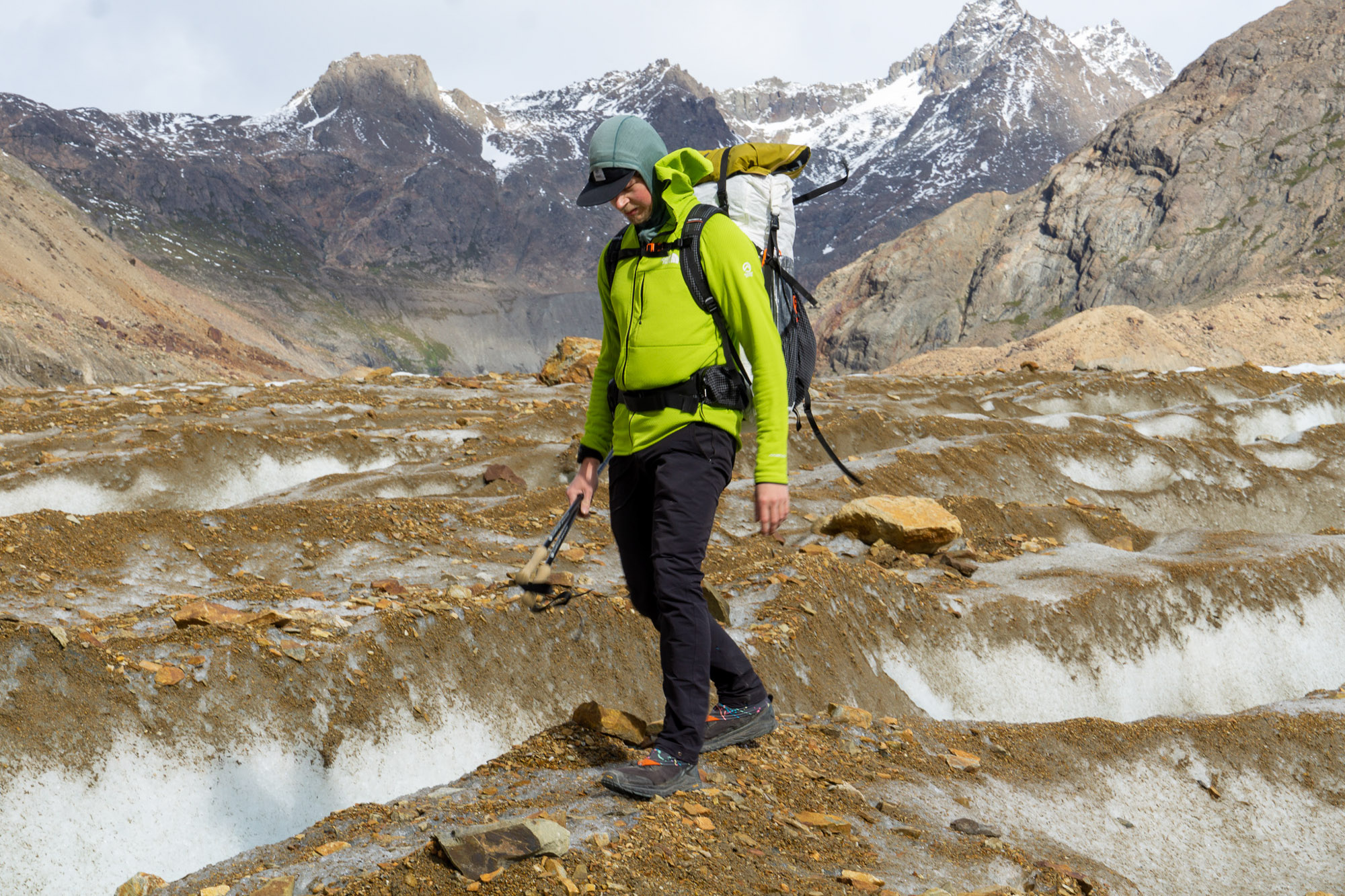
Midlayers are an exceptionally versatile layer, and we aimed to go as broad as we could in testing them. That meant layering up for cross-country skiing in the famed Methow Valley of Washington State, ice climbing in the refrigerated valleys of Colorado, and roaming the long trails of Iceland to gain the broadest possible understanding of where they excel and where they fall flat.
To do this, we aimed to test these layers in at least three specific sports and across at least two seasons. Once we had a solid handle on a midlayer, we cycled it out to other testers to get a range of opinions from folks with different body types, temperature ranges, and styles.
This is a constantly evolving guide, and we are continually hauling layers into the backcountry to pit new models against the old to ensure our selection is fresh and relevant.
Our Midlayer Rating System
We’ve settled on four different rating metrics to rank these midlayers, each relating to an important aspect to consider when purchasing one.
Warmth
When evaluating a new active layer, we consider the relative warmth of a midlayer the most important factor. We also consider both static and active warmth across a range of different activities. To ensure we’ve got a good idea, we also pass these layers around to different testers to ensure a balanced rating.
Breathability
Breathability works against warmth, typically, but many midlayers can balance the scale well. To rate breathability, we look for how quickly heat and perspiration build up when really working on the trail and how fast they dissipate.
Durability
Durability is judged across an entire season of use, and we look for material wear such as piling or fabric tears, as well as insulation packing out, and the function of options such as zippers or snaps.
Style
Finally, your midlayer should at least be a little stylish, and while we don’t rate this as highly as the other metrics, we still consider it in our assessment. To gauge style, we crowdsource our opinion from as many testers as we can, assessing layers on how likely we would be to wear it out on the town (or just the trailhead).
Buyer’s Guide: How to Choose a Midlayer
Which Midlayer Is Best: Jacket or Vest?
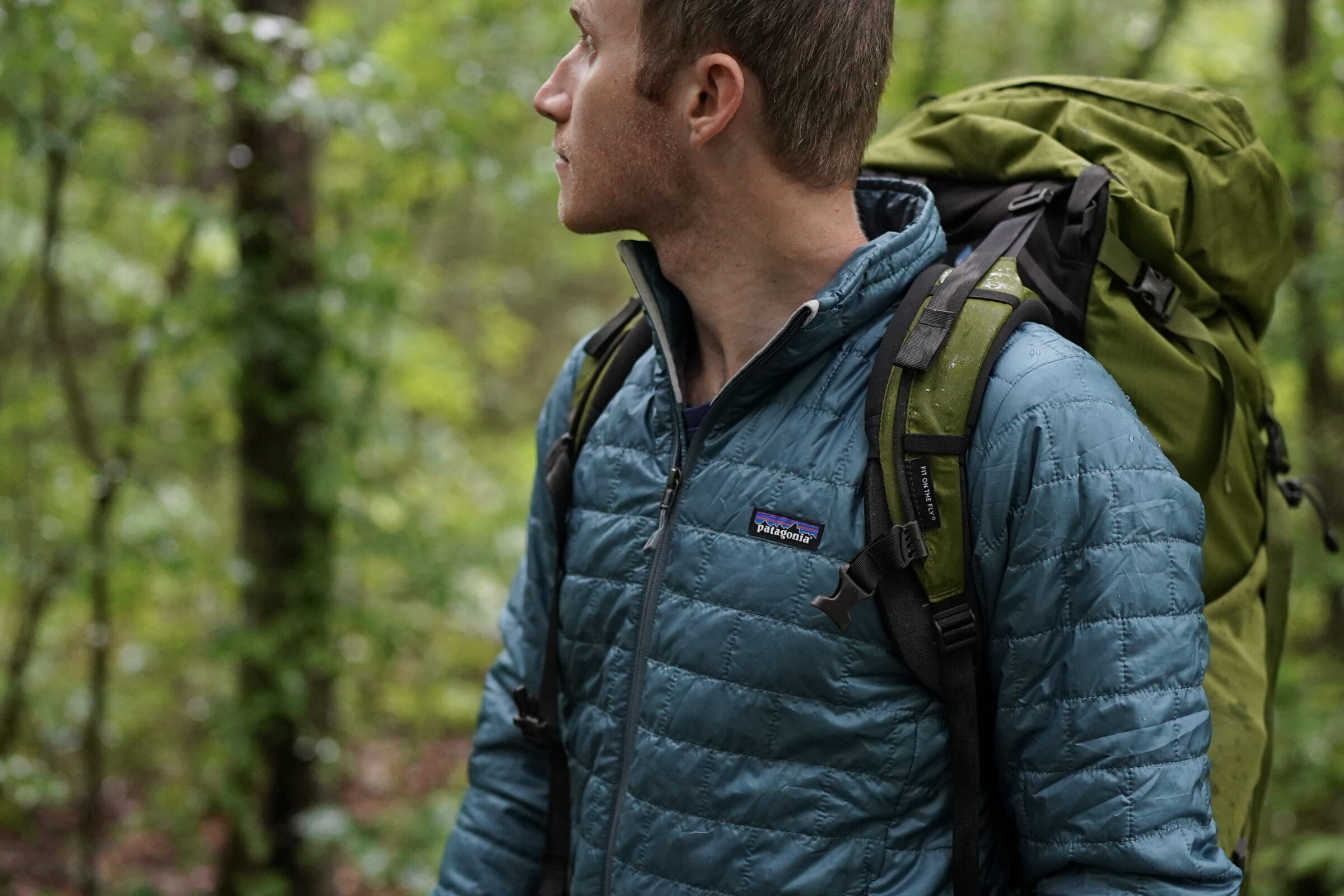
The first thing you should decide when browsing for a midlayer is whether you want a full jacket, hooded jacket, or an insulated vest. Some midlayers are a hybrid of both — insulated in the core, with just a face fabric for the arms (like merino).
Some are also water-repellent, and some aren’t. Our advice is to look at the big differentiators up top, and then look later at specific features.
Midlayer Insulation
There are a few types of insulation used in midlayers, but the most common ones we’ve seen are the man-made technologies used in synthetic insulated jackets. Brands like PrimaLoft make different types of synthetic insulation, from high-warmth blends to eco/recycled ones. Some brands will also have in-house insulation technologies.
Jackets will have different amounts of insulation, too — we’ve found the sweet spot is to look for a midlayer with 60-100 grams per square meter (GSM) synthetic insulation. Many midlayers also don’t use added insulation — instead, they use a heavier fabric, like fleece jackets.
If you aren’t buying an insulated layer, pay attention to the warmth level of the fabrics used. For example, a midlayer hoodie with merino construction or a merino liner can still provide lots of warmth and versatility, even if it isn’t stuffed with insulation.
Price & Value
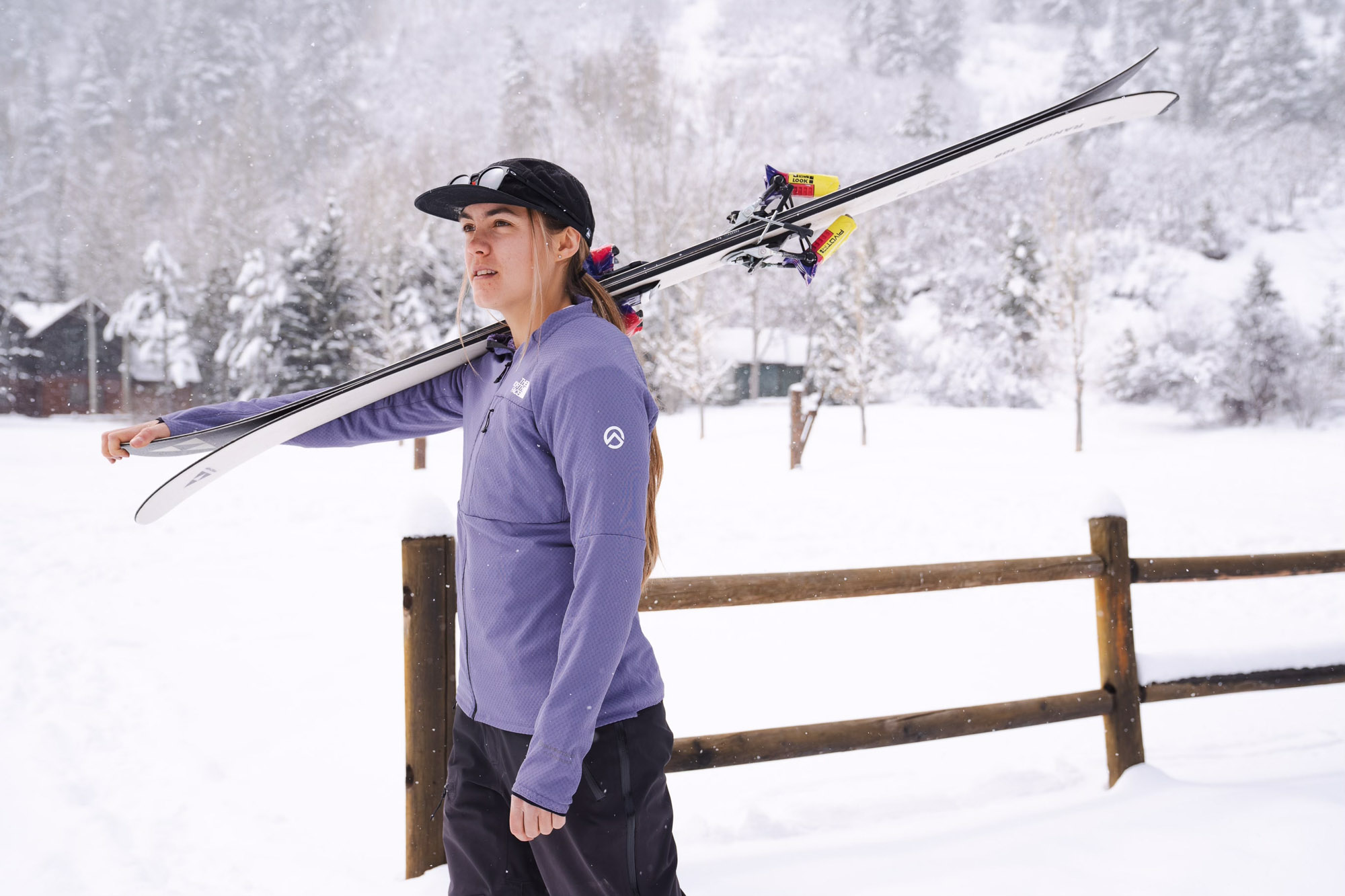
Since midlayers can be made from a variety of insulations, they tend to range broadly in their prices. Also, consider that many are tailored to excel at different paces or temperature ranges and that simply going with the warmest layer you can afford might lead to overheating. Dial in on the sport-specific layering system you’re looking to perfect, and consider what aspects you need most from your midlayer.
Budget
The budget range of midlayers is typically grid fleeces, which will run you around $100. These layers won’t pile on the features or fine trim but instead focus on providing reliable warmth when you need it. Fleece is reliable warmth once you build up some heat under it, and while it won’t hold back from strong winds, a light windbreaker will protect you.
The $100 REI Co-op Flash Hyperstretch Fleece Jacket has a lot in common with our top pick and even a few features that it lacks, including a drawstring hem and a touch more stretch. Most fleeces in this price range will use in-house pile fleeces to keep costs down and may skip out on niceties such as thumb holes in the sleeves.
Mid-Tier
Bumping up a bit in price also means more warmth, and this range is where you’ll be able to get into synthetic puffies like the Patagonia Nano Puff ($229). These midlayers can be warmer than fleeces and boast more features, such as hand-warming pockets, adjustable hoods, and different weights of insulation to adjust warmth and breathability.
Higher-end fleece technologies can also be used in midlayers in this range, with Polartec and Octayarn being notable. The $170 The North Face FUTUREFLEECE uses a techy eight-sided hollow yarn to weave its fleece and build in even more trapped air space, while the Norrøna Falketind Alpha120 ($219) uses two different types of Polartec in a body-mapped design.
Premium
High-end midlayers will often run you north of $300, but will be trimmed out in the nicest materials that are sure to pay dividends in durability. Look for name brands like Pertex fabrics and PrimaLoft synthetic materials to ensure you’re getting what you pay for.
The merino wool insulation used in the Ibex Wool Aire Hoodie ($285) assuredly explains the price of this jacket, but we argue it’s well worth it. The $350 Arc’teryx Proton Hoody was the most expensive midlayer we’ve recommended, but now, after 5 years of hard use, it’s still nearly as warm as it was on day one. You’ll pay up front, but the longevity can be worth the spend.
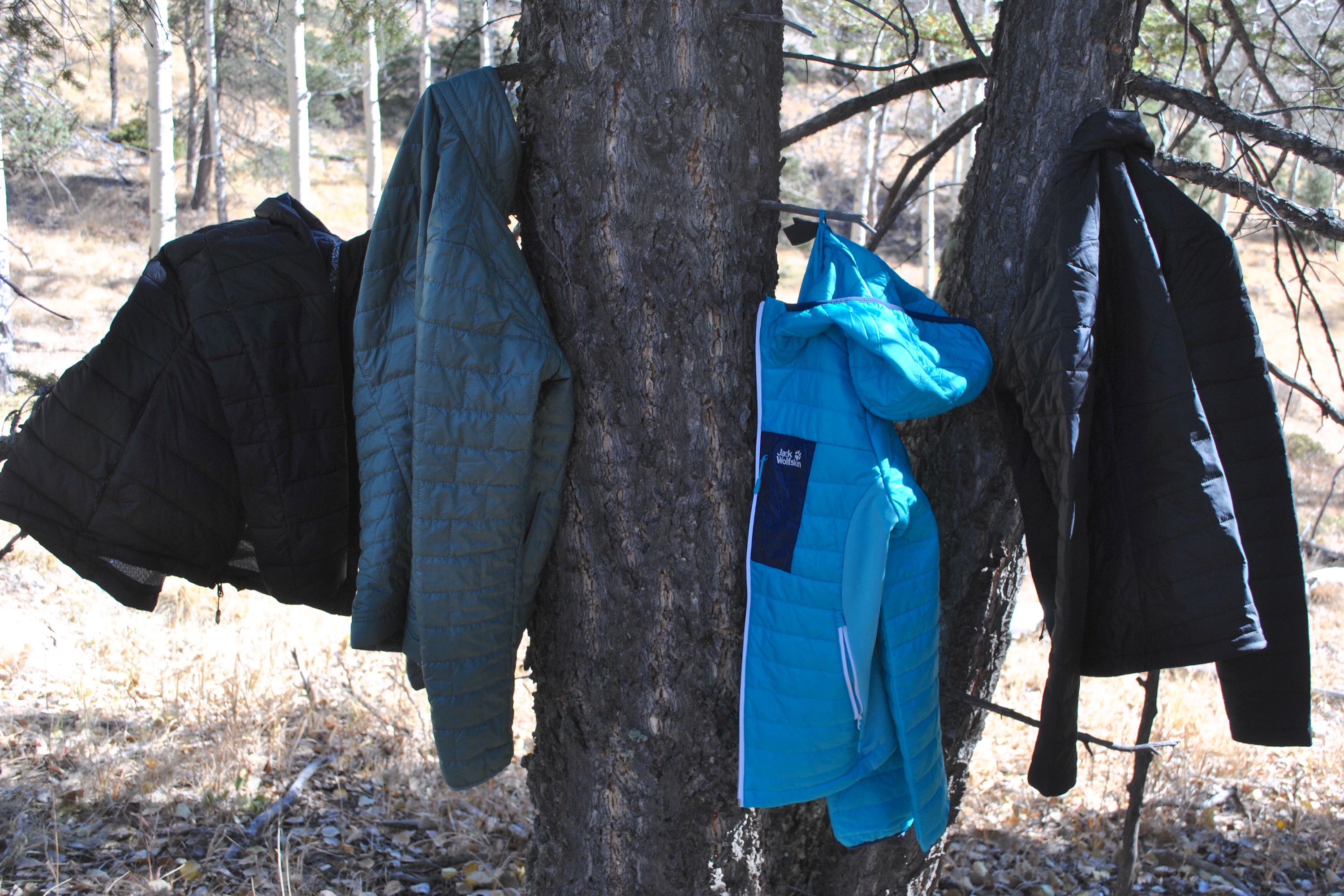
Frequently Asked Questions
You can think of a good midlayer like the Goldilocks of jackets: not too small, not too big, not too bulky, not too thin — just right in terms of fit, versatility and, above all, warmth.
Other components that make a midlayer like the ones on our list stand out from the rest include insulated hoods, zippered pockets with good placement, adjustable hems, and compatibility with other layers.
The best midlayers, in our opinion, are the ones with added insulation and other features that make it easy and comfortable to layer. This tends to be a synthetic fill insulation, sewn into baffles or in between two layers of fabric to provide that insulation.
Depending on the style and what activities you’ll be using the midlayer for, materials like fleece or PrimaLoft synthetic insulation are always great choices.
In testing, we found the most popular midlayers among GearJunkie staff were full-zip and hoodie styles.
Read the full article here
