



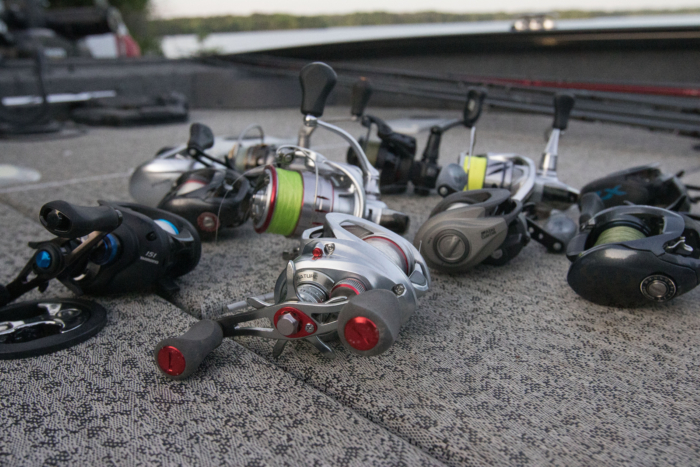

Bass anglers are the epitome of gear hoarders. I myself am guilty of it. Fortunately, my obsession with bass fishing has put me in a great position to test out the best bass fishing reels on the market.
Over the last year, I’ve spent over 90 days on the water, testing six new reels to determine which are best for different anglers, budgets, and techniques. I tested them myself and had my guided clients put them through the wringer. I found clients consistently gave the same feedback, and the cream rose to the top. The standout reels, and my personal favorites, are the ones included in this guide. Some didn’t make the cut.
At a glance, my two favorite reels are the Shimano Curado 150M Baitcaster and the Shimano Stradic FM Spinning reel. If those are out of your budget, no need to fret. I’ve also included the best budget and best value options for both casting and spinning reels. And don’t forget to check out the “Other Great Bass Fishing Reels” Section. It’s not a round-up of the reels that didn’t stand out enough for an award, but rather cool, unique reels that may be perfect for you.
Editor’s Note: This guide was updated on April 27, 2026, to include the Shimano Curado 150M, Abu Garcia Revo SX, Abu Garcia Revo Rocket Spinning Reel, and the Shimano Antares B. We also included an updated rating system.
The Best Bass Fishing Reels of 2026
Best Overall Baitcaster
9.6/10 RATING
Best Budget Baitcaster
7.0/10 RATING
Best Value Baitcaster
8.0/10 RATING
Best Spinning Reel
9.4/10 RATING
Best Budget Spinning Reel
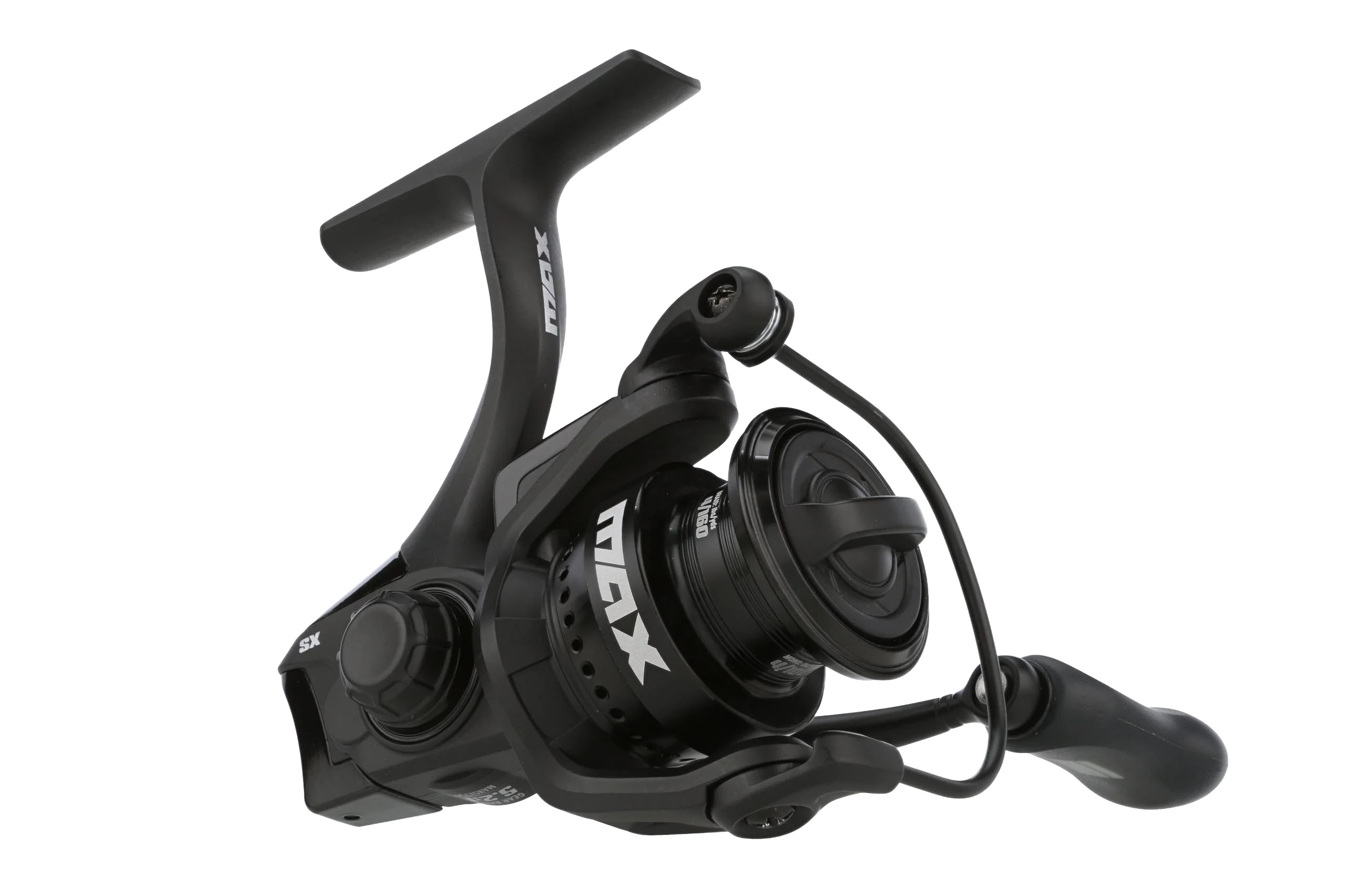
7.1/10 RATING
Best Value Spinning Reel
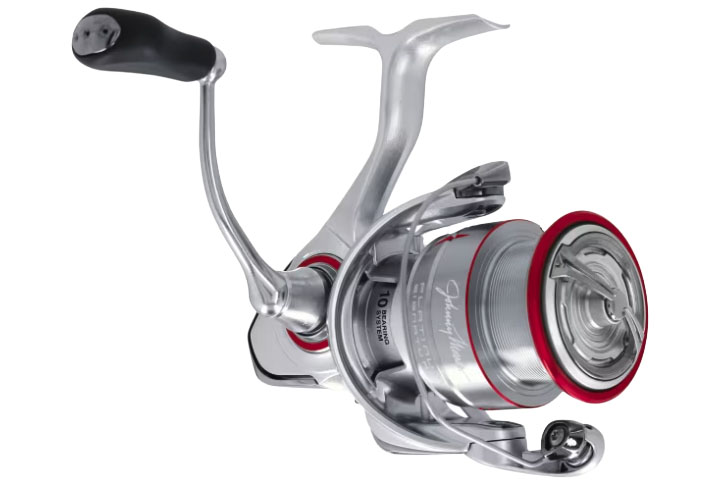
8.3/10 RATING
See more picks
Gear ratio
6.2/1, 7.4/1, 8.1/1
Line capacity (Mono)
10-120, 12-110, 14-90
Inches per turn
24, 29, 32
Pros
- Casting distance
- Almost no overrun or backlashes
- Durable build
- Size
Cons
- Fine-tune adjustment stiff out of the box
- Not as much line capacity as some other reels
The Shimano Curado lineup of baitcasting reels has been a staple for years. The latest version, the Curado 150M ($235), continues the trend of reliability, performance, and value in bass fishing.
In the true spirit of “if it ain’t broke, don’t fix it,” Shimano took its Curado 150MGL and made only minor tweaks, resulting in a slight boost in performance, without ruining something that bass anglers know and love. The main upgrade centers on the spool. Shimano switched the MGL II spool over to the MGL III spool.
That spool is narrower, reducing inertia by around 15% according to Shimano. On the water, I found it translates to a reel that casts farther and throws lighter lures better. I had one day where I threw massive A-rigs with it, then switched to 1/2-ounce football jigs. The reel handled the range well, and my casting distance never felt limited.
This particular Curado model takes home the win as the best overall casting reel because it’s the perfect size. It’s larger than the 70, which allows it to perform well with larger diameter lines and bigger lures, but smaller than the 200, which keeps it the perfect size for palming. For a do-everything baitcaster, the size is perfect.
It’s also one of Shimano’s lowest-priced baitcasters with Micromodule technology. That tech refers to an increase in the number of teeth on the gearing. The finer the reel’s gearing, the smoother it will be. When compared to the lower-priced Shimano SLX, which doesn’t have Micromodule tech, the upgrade is glaring. While retrieving line with the SLX, a slight hum in the reel is noticeable. With the Curado 150M, the hum is completely gone. It’s buttery smooth.
Really, there isn’t much to complain about with this reel, aside from a few very minor things. If you want a reel that casts well, rarely backlashes, and is generally unproblematic, the Curado is an excellent choice.
Gear Ratio
6.3:1, 7.2:1, 8.2:1
Line Capacity
10/120, 12/110, 14/90
Inches Per Turn
25 (6.3:1 model)
Pros
- Price
- Three different gear ratios available
- Durable
Cons
- Not as smooth as other reels
- Easy to backlash
- No external brake adjustment
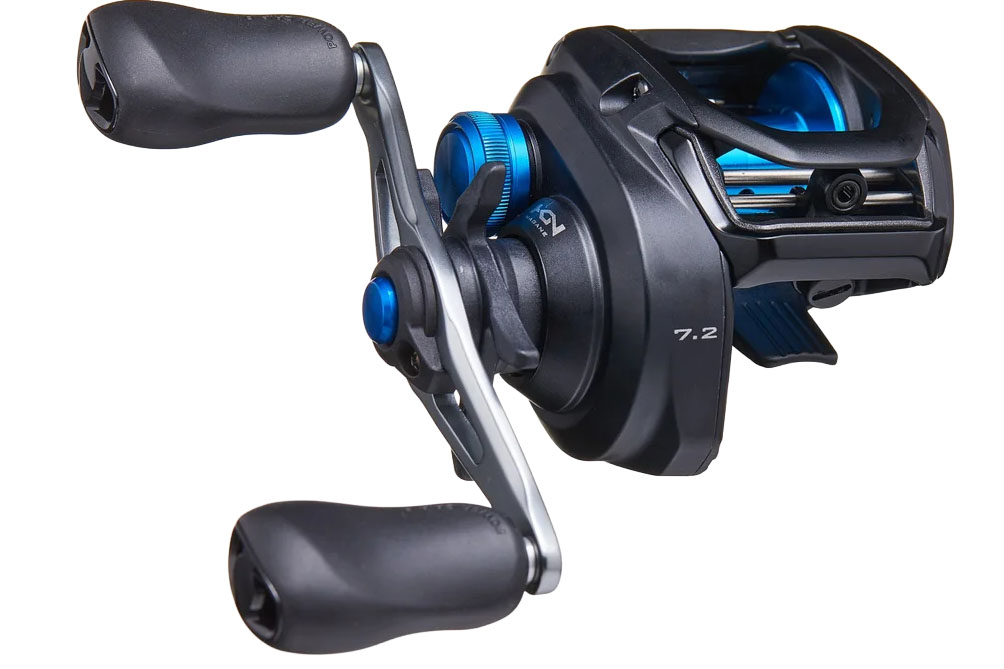
The Shimano SLX A ($115) is one of the more popular reels on the market, and for good reason. It has a friendly price and gives the solid performance Shimano is known for.
For those on a budget, this is a great reel. The reel is available in three different gear ratios, allowing you to get the perfect reel for cranking, flipping, and pitching, or a general-purpose reel. I’ve had one since it was released and have experienced zero failures. The durability of the internal workings of the reel is excellent, though cosmetic wear is noticeable.
There are a few drawbacks to this reel. First, there is a lack of external adjustment on the brake system. You have to remove the sideplate to make any adjustments outside of the tension adjustor. The brakes are easy to engage and disengage once you access them; it just takes longer than an external knob. My clients and I have also found it easier to backlash than with other reels.
Overall, though it’s a great reel, especially for the price. Sure, it’s not as smooth as higher-dollar reels, but it’s reliable at a phenomenal price and will do everything you ask of it. That’s why even after years of abuse, mine still has a spot on my boat deck every day. It just works.
Reel size tested
Low Profile (LP)
Material
X2-Cräftic alloy frame, C6 Carbon sideplates, and 90mm bowed aluminum handle
Line capacity (lbs./yards)
10/160, 12/130, and 90/17
Pros
- Smooth casting, reeling, and drag
- Power to winch in big fish
- Comfortable in the hand
- Lightweight & compact
- Well built
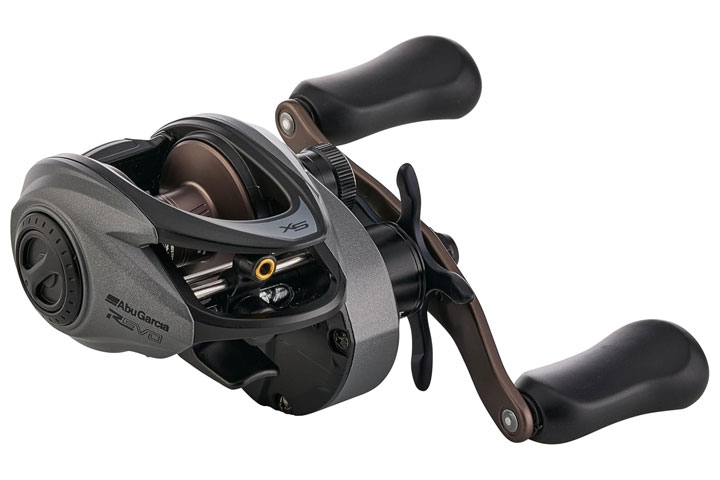
If you want a step up in performance from the Shimano SLX but don’t quite have the coin to jump to the Shimano Curado 150M, the Abu Garcia Revo SX ($190) is a fantastic option. Both GearJunkie contributor Wesley Littlefield and I have had the opportunity to fish this reel, and we both walked away impressed.
One of the most impressive parts of this reel is its max drag setting, which is ridiculous at 25 pounds. That’s substantially more drag than all of the other baitcasters in the test. For black bass, it’s overkill, but it does make this reel a perfect option for crossover into striper fishing and other large, hard-charging fish.
It’s very smooth when casting and retrieving, and the drag has a low startup inertia. Additionally, all that power and smoothness come in a small, lightweight package.
Thanks to the IVCB-6 braking system, it has a huge range of adjustability. Both Littlefield and I have found that the reel doesn’t backlash very often, and when it does, the backlash is noticeably smaller than on other reels.
The first downside of this reel is the carbon side plates, which can easily get scuffed up, and it’s not as smooth as the more expensive options on the market. Additionally, it isn’t available in as many gear ratios as other baitcasters. But, for the money, the Revo SX is one darn nice piece of equipment.
Gear Ratio
5.8:1, 6.4:1 (3000 size)
Line Capacity
8/140, 10/120
Inches Per Turn
34, 37 (3000 size)
Pros
- Smoothest real we tested
- Long stroke spool lays line evenly on retrieve
- Anti twist fin on bail manages line perfectly
- Bearings have shields around them to keep dirt and grit from affecting performance
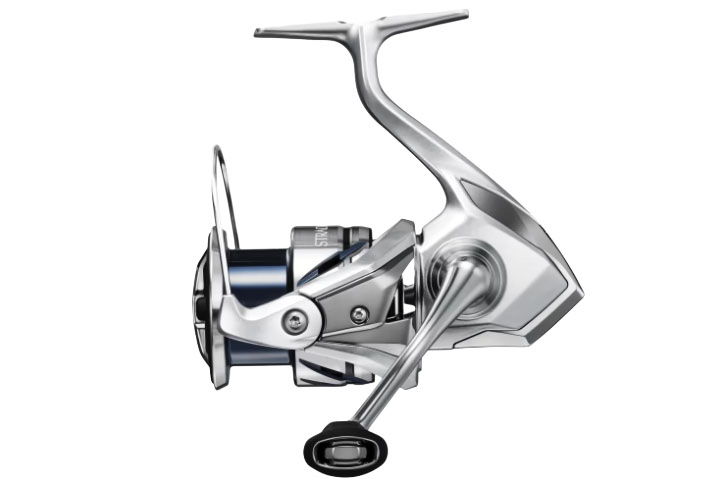
In my opinion, the Shimano Stradic FM ($255) is everything a bass angler needs in a spinning reel. Yes, there are more expensive options available, but at some point, you’re paying for “jewelry” rather than performance. Of all the spinning reels I’ve owned and tested, this one performs the best for me and for beginner clients.
Shimano packed this reel full of every technology imaginable. This is one of those great situations where a brand takes the same technology used in its top products and packages it in a more affordable option.
In fact, there are so many technologies packed into this reel that listing them all would be ridiculous. The Stradic uses 15 of Shimano’s proprietary technologies. If you want to see them, you can check them out on Shimano’s website.
I found that all those technologies resulted in the smoothest spinning reel I tested. There is zero vibration or stickiness when retrieving the line. It allows you to feel every single thing your bait is doing. I noticed more bites when using finesse techniques, such as drop shots and Ned rigs, with this reel.
I also loved the bail’s fin. This helps ensure that the line feeds onto the spool perfectly on every retrieve. That was the main performance difference where the Stradic got the leg up over the Johnny Morris Platinum Signature. I often see beginner anglers who aren’t paying attention get their line caught up in the gears underneath the spool on spinning reels. That doesn’t happen with the Stradic, ever.
If you’ve got the budget to spend over $200 on a spinning reel, you’ll love the Stradic. It’s sensitive, smooth, has a silky drag for big fish on light lines, and winds line evenly every time. What else do you need?
Material
Graphite frame, aluminum handle and spool
Line Capacity
6/225, 8/175, 10/140
Inches Per Turn
Not Listed
Pros
- Price
- Has same features as high end reels where it matters
- Tiny frame, but maintains large spool
- Aluminum spool
- Spool design prevents line from slipping into gears
Cons
- Lower gear ratio
- Carbon components scuff easily
- Drag can be tough to dial perfectly
My favorite thing about the Abu Garcia Max SX Spinning Reel ($69) was that the 3000 size felt like a 2000. The frame itself feels tiny, but the spool is the standard size you’d expect on a 3000.
The result is a budget-friendly reel that balances well on every spinning rod out there. This reel certainly isn’t a heavy clunker like other budget reels I tested. The light weight is due to its size and carbon-constructed frame. The spool and handle are both made of aluminum, providing durability where you need it most.
Some budget reels I tested (that I left out of this article) had a large gap between the reel frame and the bottom of the spool. That resulted in my guided clients having line slip under the spool and getting tangled in the gears. The Max SX, however, was built with a tight tolerance between the two pieces, making that very annoying problem less common than with other budget options.
Abu also put many of the same components in this reel that are found on the pricier Zenon and Revo spinning reels. These internal technologies resulted in a reel that was almost as smooth as some of the more expensive reels in the test.
The main complaint I had with the Abu Garcia Max SX was the drag adjustment. There’s a very small window for the adjustment that is the prime spot. When turning the dial, you won’t notice a significant difference in drag pressure. Then you hit a point where half a turn results in a drastic change in drag pressure. You can still get it perfect, but there’s definitely a sweet spot for effective drag settings. Aside from that, anglers will love the performance this reel provides.
Line capacity (lbs./yards)
8/120, 10/95, 12/80
Pros
- Price
- Silky-smooth retrieve results in amazing sensitivity
- Low startup inertia
- Comfortable handle
- High inches per turn
Cons
- Doesn’t wind line as evenly as premium reels
The Bass Pro Johnny Morris Platinum Signature Spinning Reel ($150) is a sleeper of a reel that came out of left field. Many bass anglers don’t consider purchasing a Bass Pro-branded product because they don’t take the brand seriously from a manufacturing standpoint. I’m here to tell you that you should take Johnny Morris products seriously. And you should buy this reel. Right Meow.
Initially, I had a loving marriage with the Shimano Stradic FM. For all intents and purposes, the race for the best spinning reel was over. Then the Platinum Signature arrived on my doorstep. After one cast and retrieve with the Platinum Signature, the marriage was in shambles.
Going cast-for-cast against one another, it was nearly impossible to tell a difference between the two reels. The Platinum Signature has a buttery smooth retrieve, thanks to its ten bearings. Many spinning reels can cause even the best rods to lose sensitivity due to grinding gears and sticky retrieves.
We’re not talking about grinding and sticking that’s immediately noticeable. It’s so subtle that you won’t tell it’s there until you use a reel like the Platinum Signature with a perfectly smooth retrieve. I could feel everything through the rod when using this reel.
The startup inertia was minimal when fish took runs. I accidentally foul-hooked a massive drum with a 6-pound leader, and the drag on the reel protected my light line, allowing me to land the fish rather than break off. The reel engaged flawlessly, time and time again, this spring.
The real kicker on this reel is the price. After those first few casts with the Platinum Signature, I thought, “I must not be remembering the cost of this reel correctly. I thought it was $150, but it’s too good for that. It has to be at least $250.” A quick Google search proved that no, it is $150.
It looks great, and the only real complaint I have with it is that it doesn’t have premium features that make the line wind onto the reel as evenly as the Stradic. But is that worth an extra hundo? Maybe, maybe not. With a full, one-piece aluminum frame, the Platinum Signature will stand up to years of abuse. And with the price, you’d be foolish to pass on it.
Other Great Bass Fishing Reels
Max Drag
approx. 17.6 lbs for 7.6:1, approx. 22 lbs for 5.8:1
Line Capacity
16/210, 20/160, 25/135
Pros
- Doubles as a saltwater and big game reel
- High line capacity helps when fishing heavier pound test on swimbaits and large lures
- HAGANE metal creates unmatched durability
- External brake adjustment
- Heavy drag
- Smooth retrieve
Cons
- Heavy
- Price
- Brake adjustment is tough to turn
Swimbait anglers are a unique breed, and unique anglers need a unique reel like the Shimano Tranx ($370). The swimbait reel award is the only technique-specific award I gave out. The reason is that casting specialized, heavy baits requires specialized equipment. It’s one of the few categories where you need not only a technique-specific rod, but a reel as well.
The 300 is perfect for throwing glidebaits and soft swimbaits like the Megabass Magdraft. One of the main reasons you need a specialized reel is due to line capacity issues you’ll run into with standard-sized reels. Swimbaiters throw heavy lines, often opting for 25-pound fluorocarbon or 65-85-pound braid. Those lines have a large diameter that takes up tons of spool space. Fortunately, the Tranx has a small arbored spool that can take more line than any reel I’ve used.
Not only does it provide plenty of space for line, but in classic Shimano fashion, I found it to be smooth and had a low startup inertia. With its ridiculous maximum drag setting, I’ve used it to chase musky and striped bass, and never once felt undergunned. While I haven’t done this, it could also double as a saltwater reel.
There are two handle styles on the Tranx. The standard handle is available on the lower gear ratio version, and a power handle is included with the higher gear ratio version. I loved the power handle as it allowed me to overcome torque issues associated with higher gear ratio reels. That was a solid move on Shimano’s part.
Older versions of the Tranx didn’t have an external brake adjustment. In 2025, that was changed, with an external knob being added to make fine-tuned adjustments. You still have to open the real to change the number of brakes, but you have some level of external adjustment. The brake system itself was also upgraded, and it is much easier to turn individual brakes on and off.
However, the external knob is difficult to turn. You’ll need fingernails to go into the grooves on the knob to force it to turn, so it hasn’t been perfected. The TranX is also heavy, but that’s not a big deal for anglers who love 4-ounce baits and big fish.
Bearings
9 stainless steel HPCR bearings + 1 roller bearing
Material
Aluminum and stainless steel
Line capacity (lbs./yards)
225/6 lbs. 175/8 lb. 140/10 lbs.
Inches per turn
Up to 43 in. (for size 30 reel)
Pros
- Smooth casting and reeling
- Smooth drag
- Comfortable handle
- Lightweight
- Eye-catching color
Cons
- Too fast for the average angler (Reels in 43 inches per turn of the handle)
- Expensive
High gear ratios are common in the baitcasting world, but high-speed options are near non-existent in the spinning reel world. That’s where the Abu Garcia Revo Rocket spinning reel ($230) comes in. With an impressive 7.6:1 gear ratio, the rocket burns past the competition.
This reel is included in this buyer’s guide for its uniqueness and its usefulness in certain situations. If you’re finesse fishing to precise targets and pulling your bait out once it’s off the target, a higher gear ratio just makes sense. Pitching senkos and drop shots under docks or on beds are both prime examples where this reel shines. Hit the target, reel your lure up in lightning speed, and hit the next target.
It also has a great application for FFS techniques. We’d all like to be as accurate as casters as the pros on the Bassmaster Elite Series and MLF’s Bass Pro Tour, but that is far from reality. If you cast at a target and miss, the Rocket makes quick work of retrieving your lure back to execute a (hopefully) more accurate presentation.
But the downside of this reel is what happens when your lure hits the target. You have to remember that you’re fishing with a much faster spinning reel, and as such, have to reel slower. Since almost every spinning reel ever made is considerably slower than this one, it’s tough to break the habit of reeling in too quickly with the Rocket.
Outside of the speed, this reel is a performer. It has a smooth drag system and solid, durable components. If you’ve got the budget for a specialty reel, this one is worth a look.
Material
HAGANE Metal body
Gear Ratio
6.3:1, 7.2:1, 8.2:1
Line Capacity
12/130, 14/110,16/100
Inches Per Turn
26.4-34.64
Pros
- Digitally controlled spool helps prevent backlash
- Variety of gear ratios for power or speed
- Made of high quality metal
- Excellent casting distance, especially in wind
Cons
- Can be tough to get set correctly for DC function to work properly.
- Multi piece design feels cheap for the price of the reel
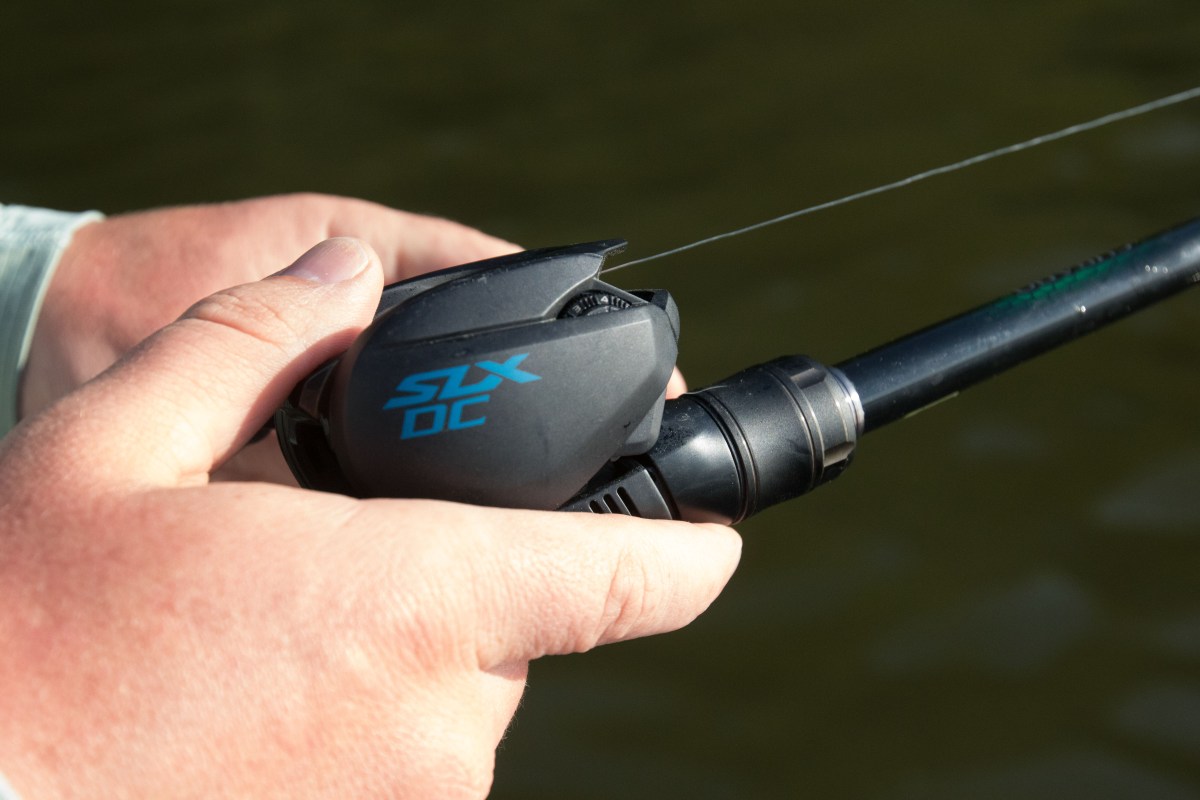
For those looking to get their first baitcaster, the Shimano SLX DC ($225) will make the learning curve less steep. That’s thanks to the “DC” annotation. DC, or digitally controlled, refers to a microcomputer built into the reel. Sounds fancy, but what does that mean?
The microcomputer built into the reel detects changes in the spool’s speed and adjusts the braking system accordingly. That microcomputer makes up for the angler failing to thumb the spool properly at the end of the cast. So, where you would usually get a backlash, the SLX DC will prevent it from happening all on its own.
Now, this is not a completely foolproof system. You can still get this reel to backlash. You’ll find people saying that they can operate this reel without ever thumbing the spool and not get a backlash. I found this to be true. However, it took more adjusting than I thought it would to get the reel to that point. When it wasn’t set correctly, it could still backlash.
This reel is also one of those products where reading the instruction manual will definitely help you. That’s because you don’t adjust the brake system or tension knob the same way you do with other baitcasters. You adjust the brakes based on the line you’re using. And you adjust the tension knob until you stop feeling wiggle in the spool itself.
Once I got it dialed, it performed great. My wife was the test subject for this reel. She has always been content to sit on the back of the boat with a spinning rod, catching every fish in the lake on finesse tackle. It was time for her to learn the ins and outs of a baitcaster.
In a short time, she was throwing crankbaits around and flipping jigs. The SLX DC covered up her occasional mistakes and kept her fishing instead of digging out tangles. And, for those who think DC reels are just for beginners, when was the last time you threw one? Casting this reel is downright fun, and it possesses an intangible ‘it’ factor that’s hard to put into words.
Material
Magnesium HAGANE
Line Capacity (mono)
10-110, 12-90, 14-75
Inches Per Turn
34-36 inches
Pros
- Ridiculously smooth
- Easily casts the furthest of all baitcasters tested
- Excellent size and aesthetics
- Can be fine tuned for flawless performance
Cons
- Price
- Level of adjustability can be difficult for beginners
- Few gear ratios
When it comes to high-end performance, you can’t ask for much more than the Shimano Antares B casting reel ($600). After using this reel for roughly a year, I can attest that it certainly lives up to its premium price point.
What I love most about the Antares is its wide range of adjustability and the level of fine-tuning you can do. No matter what lure I throw with it, I can get this reel perfectly dialed and absolutely launch casts. It’s so smooth on casts, and you can feel the reel trying to jump out of your hands. This thing just goes, whether I’m flipping or pitching, or making huge casts with crank baits. Of all the reels I’ve tested, it is easily the smoothest and casts the furthest.
But such awesome power does require responsibility. This reel is not for casual or beginner anglers. With it being so smooth, it is very, very easy for it to backlash when not set correctly. Even for me, someone who casts baitcasters all the time, it can run away and cause problems. But the advantage is, when you get it set up right, there is nothing like it.
The thing looks like it came from a Tesla factory, and I love its high-end aesthetics. The reel is truly a piece of art, and despite being tasked with guide-level abuse for a full season, it looks no worse for wear. I certainly haven’t babied the Magnesium HAGANE body in the slightest, and yet, the reel looks just as immaculate as it did on day one.
If you’ve got the money, experience with baitcasters, and want the ultimate in fine-tuned adjustability and silky smoothness, the Anteres B should be on your radar.
Line Capacity
10/135,12/120,14/95
Pros
- One of the smoothest baitcasters in our test
- Very lightweight makes the reel balance well on any rod
- Click on tension adjust knob
- Great Warranty
Cons
- Gear ratio not listed on reel
- Metal scuffed with minor use
- Reel handle set too far off the body for easy one handed use
Much like its spinning reel counterpart, I was impressed with the performance of the Johnny Morris Platinum Signature Baitcast Reel ($229). Unlike its counterpart, I don’t feel it offers the same great value due to its higher price.
It was one of the smoothest baitcasters I’ve used, in fact, smoother than my best overall pick. I also loved that there is a clicker in the tension adjustment knob that made making adjustments much more fine-tuned. Bass Pro also has an excellent track record with its warranty. The Platinum Signature has a 10-year warranty.
While I didn’t have to test the warranty because it’s a solid reel, I know a guy who did with a different BPS reel. He took his broken reel to Bass Pro and walked out with a replacement that day. Bass Pro does not state they will do that in writing, but there are enough people who have done it that it seems to be true.
There were a few annoying things about this reel. First, the gear ratio isn’t printed on the reel. So, if you have multiple of the same reel with different gear ratios, there’s no quick way to look at them on your boat deck and identify which is which.
The reel handle is also offset further than other reels I tested. The one-handed operation I did with the Tatula CT? It was harder to do with this reel, and the fingers on my rod hand could barely reach the handle. I wear XL gloves, so it’s not because my hands are small. The handle is just that far away.
It also didn’t stand up to abuse like the Tatula, and after a month, there were a few scuffs on it. But, if smooth performance is your stick and you don’t care about paying a little more, then give the Platinum Signature Baitcast Reel consideration.
Comparison Chart of the Best Bass Fishing Reels
| Bass Fishing Reel | Price | Size Tested | Weight | Bearings | Material | Gear Ratio | Max Drag | Line Capacity | IPT |
|---|---|---|---|---|---|---|---|---|---|
| Shimano Curado 150M | $235 | 150 | 6.7 oz | 6+1 | HAGANE metal | 6.2:1, 7.4:1, 8.1:1 | 13 lbs. | 10-120, 12-110, 14-90 | 24, 29, 32 |
| Shimano SLX A | $115 | 150 | 6.9 oz. | 3+1 | HAGANE metal | 6.3:1, 7.2:1, 8.2:1 | 12 lbs. | 10/120, 12/110, 14/90 | 25 |
| Abu Garcia Revo SX | $190 | Low Profile (LP) | 7.4 oz. | 10 | X2-Cräftic alloy frame, C6 Carbon sideplates, and 90mm bowed aluminum handle | 6.7:1, 7.3:1 | 25 lbs. | 10/160, 12/130, and 90/17 | 30 |
| Shimano Stradic FM | $255 | 2500 | 7.8 oz. | 6+1 | HAGANE metal | 5.8:1, 6.4:1 | 20 lbs. | 8/140, 10/120 | 34-37 |
| Abu Garcia Max SX Spinning | $69 | 3000 | Not Listed | 6+1 | Aluminum/Carbon hybrid | 5.2:1 | 14 lbs. | 6/225, 8/175, 10/140 | Not Listed |
| Johnny Morris Platinum Signature Spinning | $129 | 3000 | 7.4 oz. | 9+1 | Aluminum | 6.2:1 | 22 lbs. | 8/120, 10/95, 12/80 | 36.8 |
| Shimano TranX | $370 | 300 | 11.6 oz. | 5+1 | HAGANE metal | 5.8:1, 7.6:1 | 17-22 lbs. | 16/210, 20/160, 25/135 | 39.37 |
| Abu Garcia Revo Rocket Spinning Reel | $230 | 30 | 7.6 oz. | 9+1 | Aluminum and stainless steel | 7.6:1 | 11 lbs. | 225/6 lbs. 175/8 lb. 140/10 lbs | 43 |
| Shimano SLX DC | $199 | 150 | 7.58 oz. | 4+1 | HAGANE metal | 6.3:1, 7.2:1, 8.2:1 | 11 lbs. | 12/130, 14/110,16/100 | 26.4-34.6 |
| Shimano Antares B | $600 | 100 | 7.6 oz. | 11+1 | Magnesium HAGANE | 7.4:1, 7.8:1 | 11 lbs. | 0-110, 12-90, 14-75 | 34-36 |
| Johnny Morris Platinum Signature Baitcaster | $229 | 100 | 6.4 oz. | 10+1 | Aluminum | 6.8:1, 8.3:1 | 14 lbs. | 10/135, 12/120, 14/95 | 35 |
How I Tested the Best Bass Fishing Reels
I originally published this guide in the spring of 2025. However, since that initial round of testing, some reels have been discontinued, and other new options have been released. This year I took to the water with new bass fishing reels from Shimano, Lews, Abu Garcia, and Trika. I compared the new reels to past award winners and some of my tried-and-true favorites.
My Testing Process

Testing an individual reel in a silo doesn’t tell you much about it. You’ll find yourself thinking, “This reel is smooth,” or, “It has a good drag.” So good and smooth. Sure, it’s descriptive, but how smooth and how good is it compared to another reel?
However, side-by-side comparisons of different reels will highlight major differences you may overlook if they are not used in quick succession. When testing reels, I had all of them spooled up and strung on rods on every one of my outings. This allowed me to make a cast and retrieve with one, and then pick up the competition and do the same.
It wasn’t just me testing these reels. I also put the reels in the hands of guided clients. Clients helped hone in on what works best for beginner and intermediate anglers. You know, people who don’t fish multiple days a week every month of the year.
I found some reels (and, in certain cases, very expensive ones) consistently gave clients trouble. Trip after trip, the same reels would end up tangled, no matter whose hand I put them in. Some also failed to withstand the rigors of a guide season. I don’t recommend those reels, which is why they aren’t featured here.
On the flip side of the same coin, I found almost all of my clients favored the exact same reels. These people didn’t fish together; this was a pattern I noticed over an entire guiding season. Yes, I understand my selection may seem brand-biased; however, it was the honest feedback of countless anglers. Other brands were tested, but they just didn’t perform as well.
Who I Am
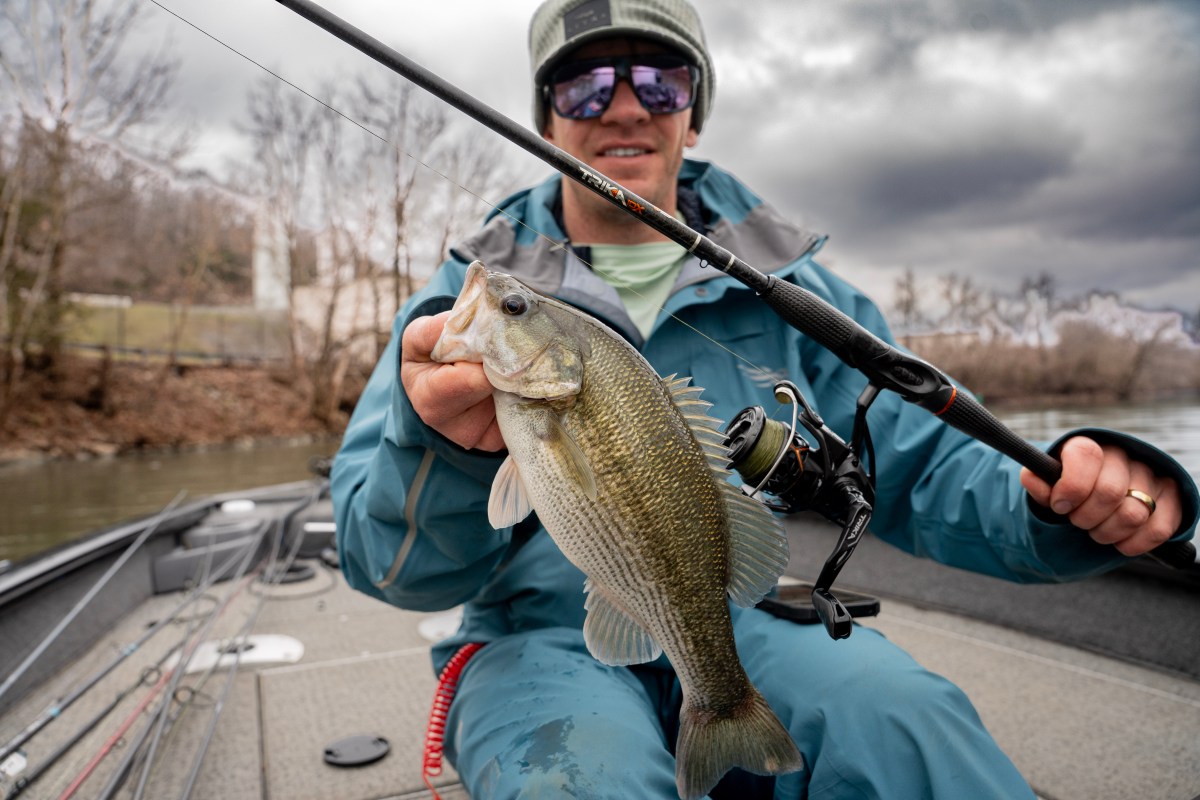
I am bass fishing obsessed, getting on the water numerous times a week (sometimes every day) and staying up to date with the latest professional tournament trails and industry news. I am the owner and head guide at Music City Anglers.
As a young kid, I got the fishing bug, and it hasn’t let go. Right out of high school, I started working in the fishing business and haven’t looked back. I’m somehow approaching 14 years in the industry. Fishing is my life.
Surrounded by the excellent bass fisheries of Tennessee, I have ample opportunity to fish every bass fishing technique under the sun. I currently guide bass fishing trips on Percy Priest and other smaller bodies of water in the Nashville area. I started writing gear reviews seven years ago and have critically analyzed every piece of gear that crosses my path.
My Testing Grounds
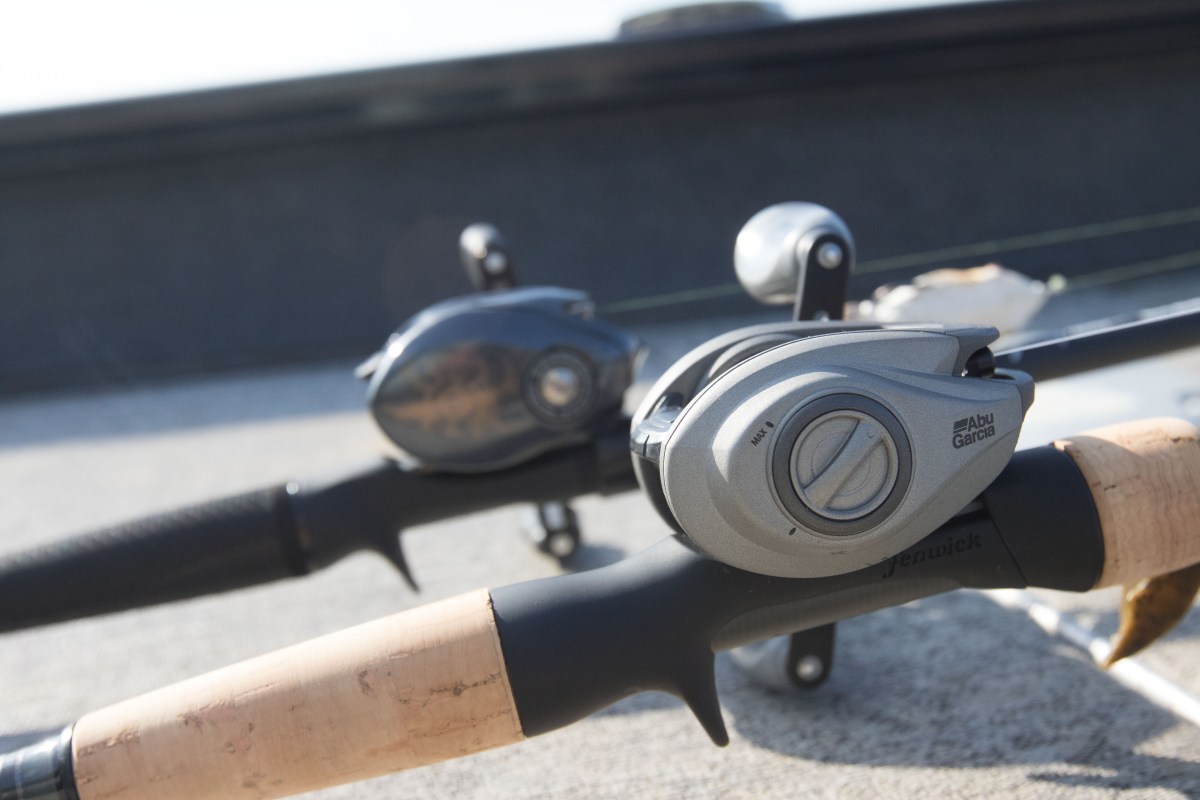
My testing took place on Percy Priest Reservoir and small rivers in the Nashville area. Percy Priest is a typical highland reservoir. The upper end of the reservoir is the best area to target largemouth bass. It is characterized by channel swings, where different rivers converge into the lake. Steep contour lines create shelves where the water depth changes from 20 feet to 2 feet within the space of a few yards.
In the winter, I fished on deep rock and submerged trees. As spring arrived, my clients and I chased the fish to shallow waters, targeting flats and shallow rock banks.
The lower end is smallmouth country. There are high fish numbers in the lower portion of the lake, and I spent a considerable amount of time using spinning reels while employing finesse techniques in this area.
I also spent time doing some classic creeking, fishing in rivers as small as residential streets. These are gorgeous rivers lined with thick forests teeming with life. Baitfish, crawdads, and numerous game fish are in abundance in these rivers. I loaded the reels into my Flycraft for long floats, covering water in pursuit of smallmouth, largemouth, and spotted bass. We may have even thrown at a few Musky.
Buyer’s Guide: How to Choose the Best Bass Fishing Reel

Even the best fishermen on the lake struggle with buying a bass reel. With numerous brands and models within each brand, it’s easy to feel overwhelmed. And, there’s nothing worse than heading to the water with a reel only to discover it’s a clunker.
The Buyer’s Guide is here to review some of the key factors to consider when purchasing a reel. Some of these things are very basic, but need to be covered for those just getting into the sport. Others are helpful for everyone, including the guy who fishes in tournaments every weekend.
Baitcasting vs. Spinning
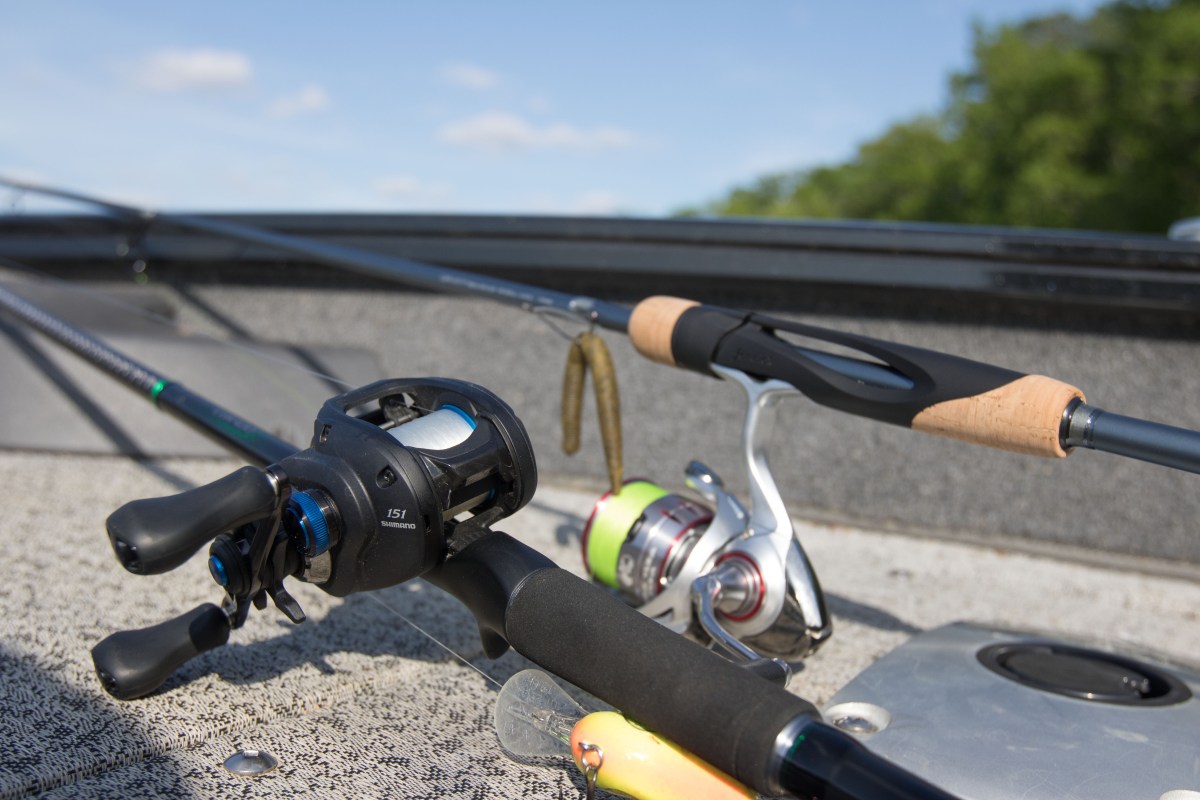
This is inherently tied to the type of rod you will be using. If you’re looking to buy your first bass fishing outfit, check out our Best Bass Fishing Rods of 2026 buyer’s guide. These two types of reels operate in entirely different ways and go on different types of rods.
Spinning Reels
Spinning reels are the most popular reels in all of fishing and will be most familiar to those new to the sport. They sit below the rod handle. To operate a spinning reel, you flip a bail, hold the line against the rod, and release it as you go forward on the cast. When you’re lure lands in the water, you flip the bail again and are ready to reel.
Spinning reels like the Abu Garcia Max SX are more manageable for beginners because the spool stays in a fixed position during the cast. With the bail flipped, the line can freely unwind from the spool in a circular motion, but the spool remains stationary.
Baitcasters
A baitcaster sits on top of the rod. There is a thumb button that you click to make a cast. However, when you click the thumb button, you have to use your thumb to hold the spool in place. That’s because with a baitcaster, the spool itself rotates to feed line into the cast as the weight of the lure pulls on it. So, you hold the spool with your thumb, and then release your thumb on the forward stroke.
The real kicker is controlling the spool when the bait hits the water. When a bait lands in the water, it slows down and almost stops on initial impact. But remember seventh-grade science class? Some dude said that an object in motion will remain in motion unless acted upon by an external force. Sure, the bait stopped, but that spinning spool? Yeah, it’s still spinning.
If an external force, i.e., your thumb, doesn’t stop that spool, it will keep spinning wildly. The result is a massive tangle in the reel, called a backlash. Backlash happens because the bait is no longer moving fast enough in a forward direction to keep up with the amount of line the reel is feeding. To avoid backlashes, you must put your thumb on the spool to stop the spinning the moment the bait stops moving at the end of your cast.
Which Type of Bass Fishing Reel Is Best for Me?
Most bass anglers use both spinning reels and baitcasting reels. However, if you’re trying to decide between them, consider the following pros and cons.
Spinning reels are easier to use for beginners. Spinning reels also excel at throwing lightweight lures. Bass anglers use them for finesse, small bait presentations. A spinning reel is also more sensitive.
Baitcasters give better control and accuracy because you can thumb the spool to affect how far your cast goes. A baitcasting reel is also better for heavier lures and, as such, is used for power fishing techniques. These reels will have heavier drags, which is better for pulling bass out of heavy cover with heavy line. Lastly, baitcasters will come with a wider variety of gear ratios, allowing you to alter how fast your bait moves with the reel itself.
Pro tip: If you’re learning how to use a baitcaster, begin by practicing in your backyard. Pull off 40 feet of line before making a cast, and put a piece of tape over the remaining line on your spool. That way, if you backlash, you won’t blow up the entire reel.
A DC, or digitally controlled reel like the Shimano SLX DC, will also help avoid backlashes. These reels feature a digital system designed to control the spool. They can still backlash, but when dialed in correctly, you can cast them without thumbing the spool at all at the end of the cast.
Gear Ratio
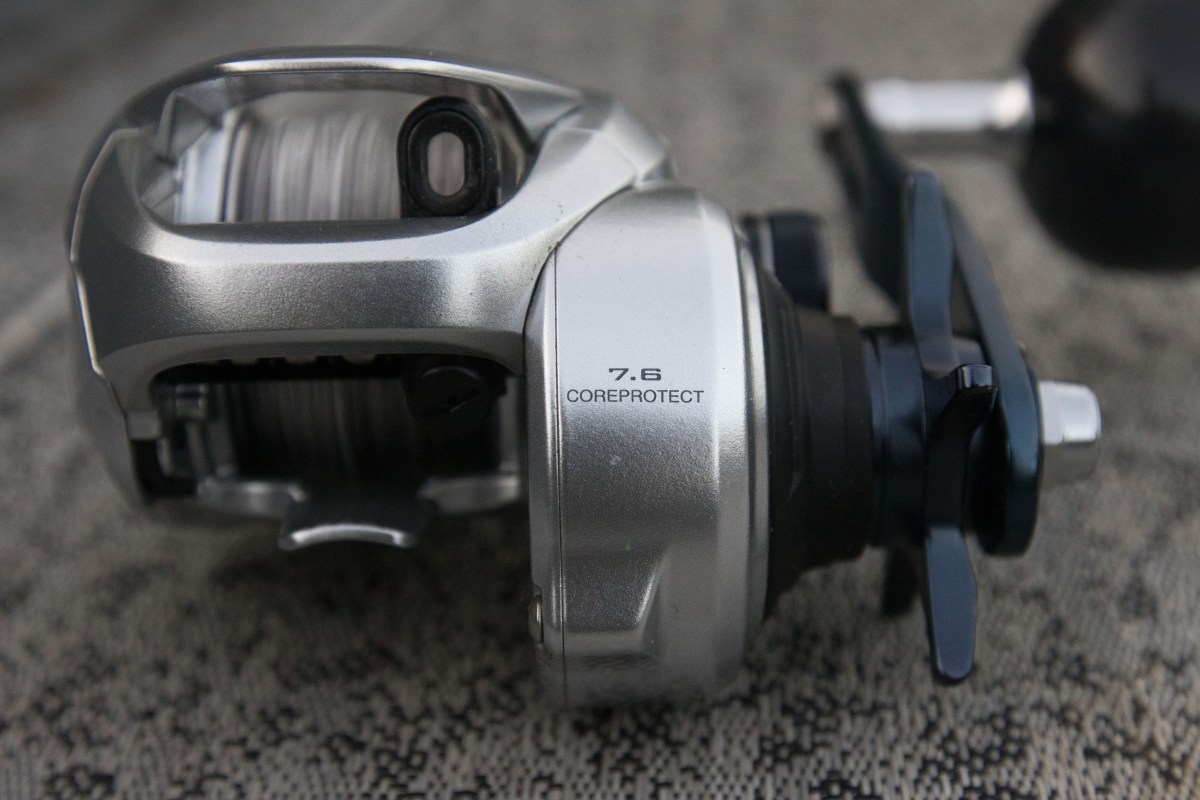
Gear ratio refers to the number of times the spool or bail spins per turn of the reel handle. So, a 6.3:1 gear ratio reel turns 6.3 times for every revolution of the reel handle.
Faster gear ratios like the 8.3:1 found on the Johnny Morris Platinum Signature baitcast reel are great when you need to move a lure quickly, or are flipping and pitching. If you’re presenting bait to precise targets and then pulling it out for the next cast, a fast gear ratio can save time. Saved time means more casts.
The downside to fast gear ratio reels is that they lose torque. A fast gear ratio will require more pressure to turn the reel handle when the reel is under load. As a result, slower gear ratios are more suitable for fishing crankbaits, as they apply constant pressure to the reel.
Spinning reels have fewer gear ratio options. Most come in a 6.2:1 ratio or less. Baitcasters, on the other hand, come in a wide variety of gear ratios.
Inches Per Turn (IPT)
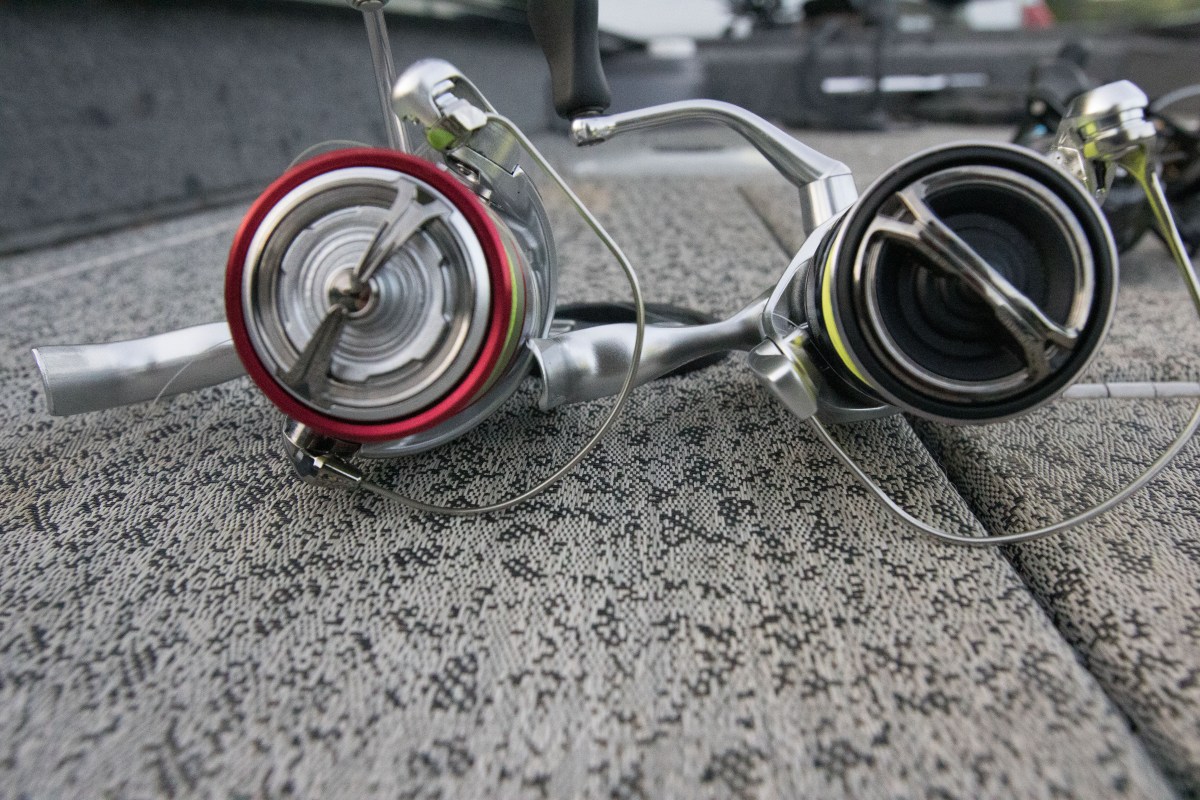
This is often overlooked by anglers, which is ridiculous. Everyone talks about gear ratio, but no one talks about inches per turn. Inches per turn refers to the number of inches of line that a reel picks up per turn of the reel handle. It is another way to affect the speed of retrieval.
A reel with a high IPT will have a larger spool, resulting in more line being picked up. So, a reel with a lower gear ratio could move a bait faster than a higher gear ratio reel because it picks up more line per turn of the handle.
Line Capacity
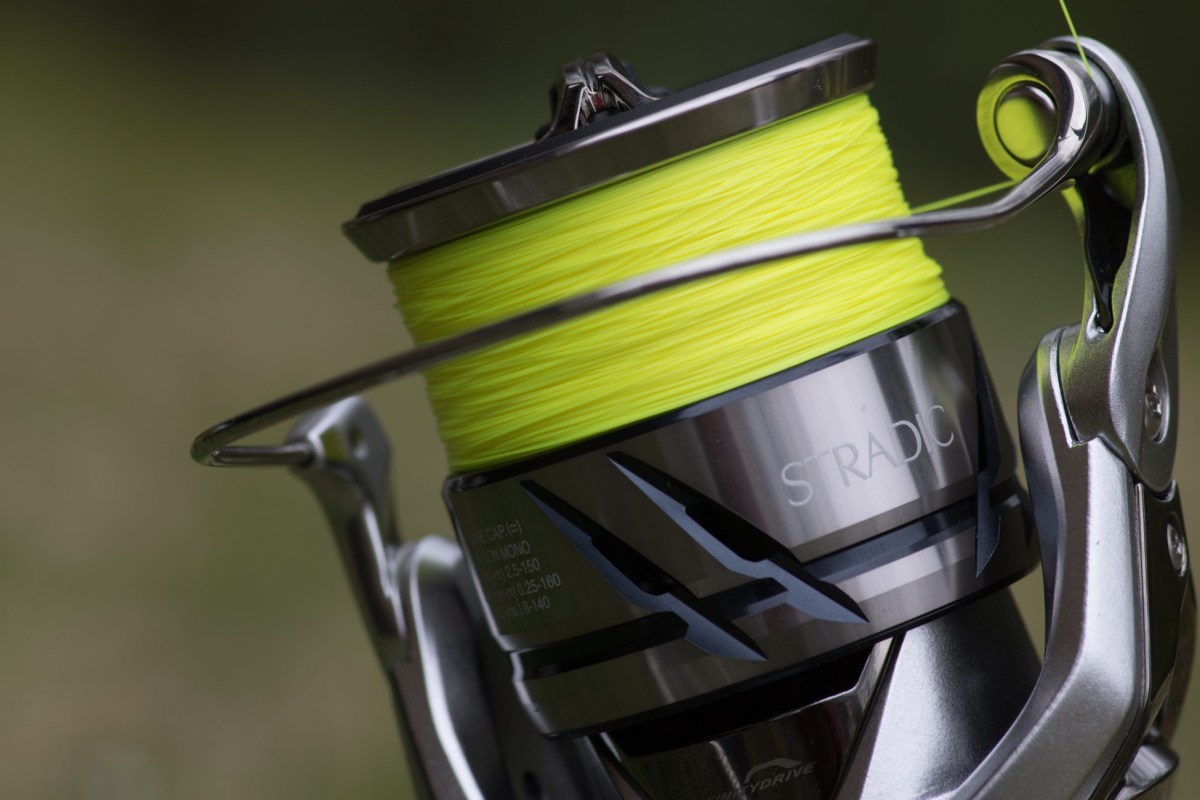
Line capacity refers to the amount of line that the spool is capable of holding. Manufacturers will provide you with different specifications for both braided line and monofilament line.
Unfortunately, this isn’t as clear-cut as it may seem. Different lines have different diameters and occupy different amounts of space. Some braids, for example, have half the diameter of another brand in the same pound test rating. Which diameter did a manufacturer use when coming up with their specs? No one knows. You don’t know if you’re comparing apples to apples between brands.
However, you can use it as a rough guideline. And, for most bass fishing, every reel is going to hold plenty of line. The only time I pay attention to it is if I plan on spooling a reel with heavy line that takes up a lot of room. In those cases, the Shimano Tranx offers a huge amount of line capacity.
Bearings

Bearings are used in reels to make them operate more smoothly. They are placed between moving parts to reduce friction and wear. As a general rule, the higher the bearing count, the smoother the reel will be.
That isn’t always true, though. Fewer quality bearings can result in smoother operation than a reel with more, lower-quality bearings. The Shimano Stradic FM features only 6+1 bearings, which is significantly fewer than other spinning reels on the market. However, Shimano is a top dog in the reel market for a reason. They only use the best components, and their reels are silky smooth despite lower bearing counts.
Most reels will distinguish different types of bearings with the +1 distinction. Without going too far into the weeds, the +1 refers to a roller bearing. These bearings are technically bearings, but don’t affect smoothness as much as a ball bearing.
Reel Size

Reels come in a variety of sizes, and it can be tough for newcomers to know which one to get. For spinning reels, a 2500-3000 size reel will be perfect.
For baitcasters, bass anglers use 150-300 size reels. All are passable, with 150 and 200 being the most common. Reels like the Abu Garcia Revo SX low-profile baitcaster fit in that range and offer a compact package that is easy to palm all day. Larger 300 reels are great for large swimbaits where extra line capacity is needed.
Frame Pieces and Materials
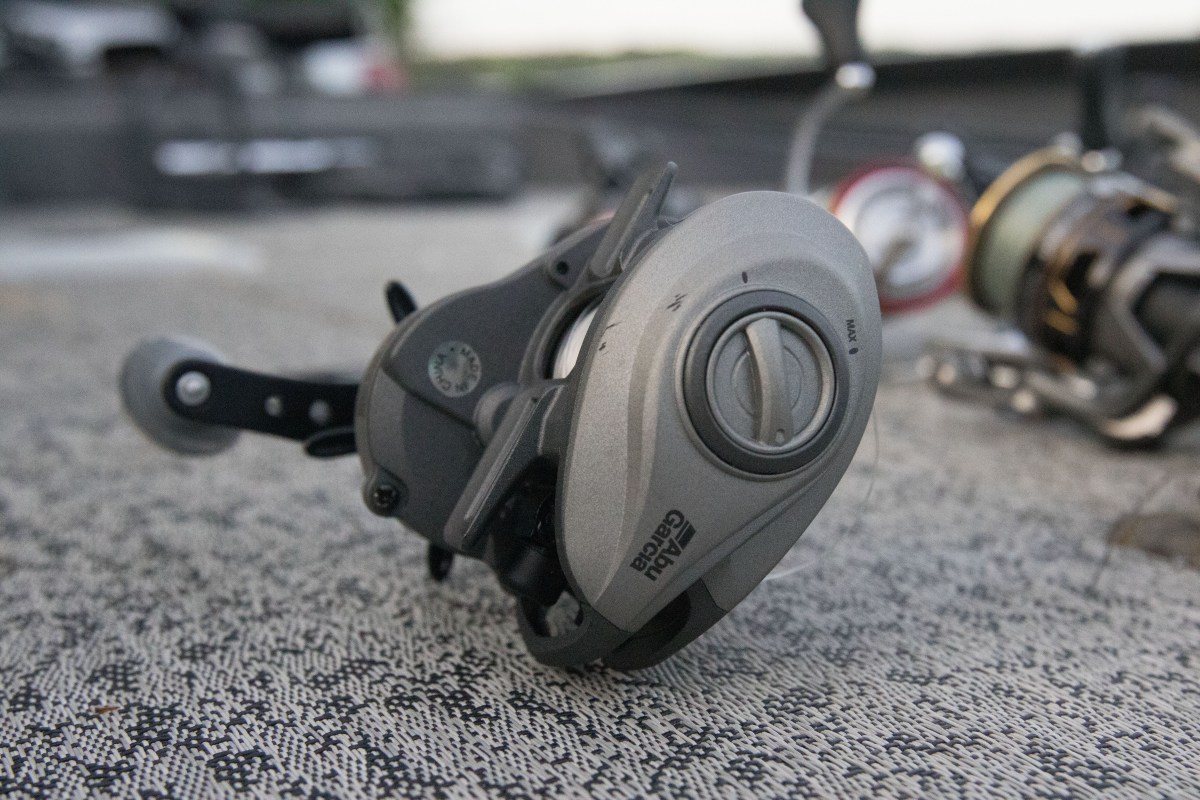
Reel bodies are manufactured as either one solid piece, or multiple pieces that are held together. One-piece reels have better durability and will perform better when under stress as there aren’t multiple pieces that can torque differently. But, they cost more.
The most common materials used to manufacture reels are graphite and aluminum. Graphite tends to be lighter, but it will also be less durable. Aluminum, especially the high-quality aluminum found on reels like the Curado 150M, provides minimal weight and unmatched durability.
Ease of Use and Adjustability

Ease of use isn’t a spec that a manufacturer will publish. However, looking at the reel can give you a general idea of it. This is most important with baitcasters.
Baitcasters have three levels of adjustability: brake system adjustments, tension knob adjustments, and drag adjustment. Both the drag adjustment and tension adjustments are fairly standard across all reels and are easily accessible. However, adjusting the brake system on some reels can be difficult.
The best baitcasters, like the Diawa Tatula CT provide a knob on the exterior of the reel to adjust the brake system. Others, like the standard Shimano SLX (NOT the DC) require you to remove a plate to access the brake system.
The best spinning reels and baitcasters should have a wide range of adjustability so that you can dial the reel in perfectly for your use.
Startup Inertia
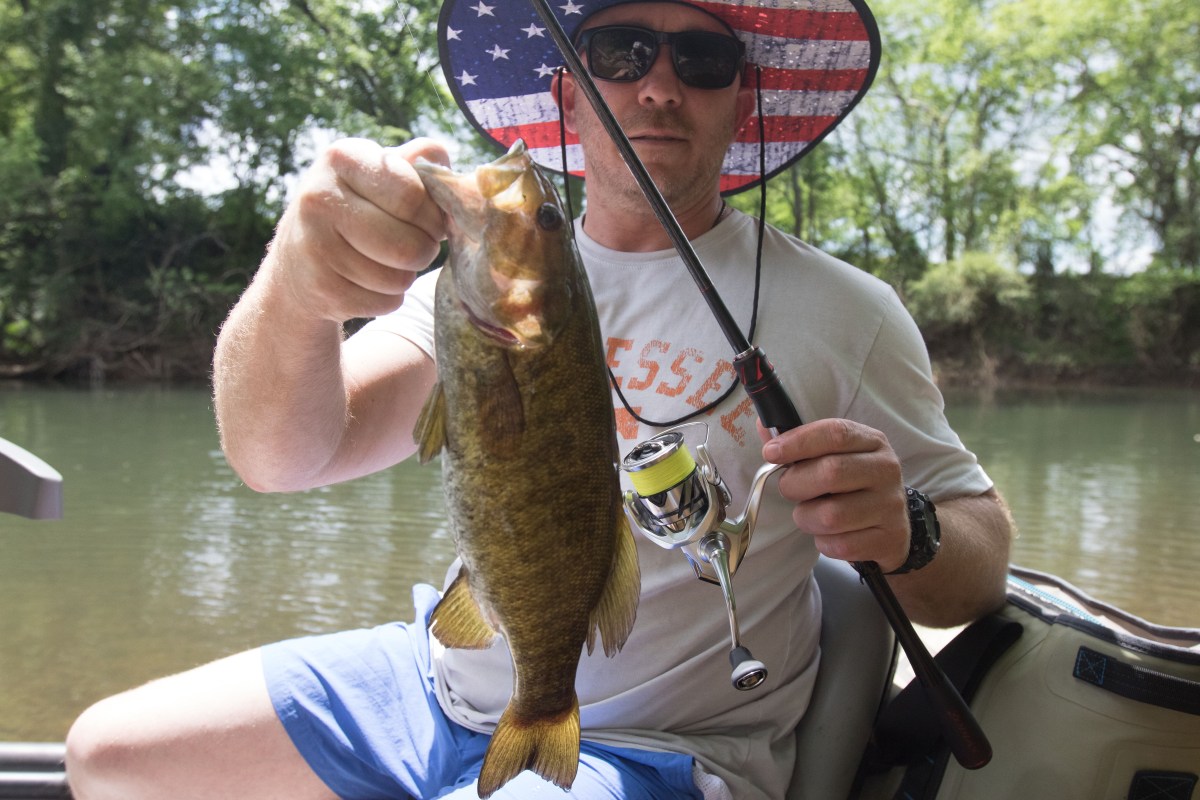
And we’re back on Sir Isaac Newton and nerdy physics. Bass won’t take blistering runs that can burn up a drag, and just about every reel on the market has enough drag to stop any bass that swims. However, bass will take sudden runs. While you can apply a slow, steady pressure to lightweight line without it snapping, applying quick, rapid pressure will cause it to break.
The startup inertia in a reel refers to how easily the reel’s drag system engages when a fish initially takes off. The best drags will immediately engage when pressure is applied.
Reels with poor startup inertia are very noticeable. When a fish runs, the drag will feel jerky and sudden. You’ll feel pressure building and building until the drag engages. You definitely don’t want that when you’re trying to land a giant. In our test, the Shimano Stradic FM had the lightest startup inertia of any reel we tested.
Price and Value of the Best Bass Fishing Reels
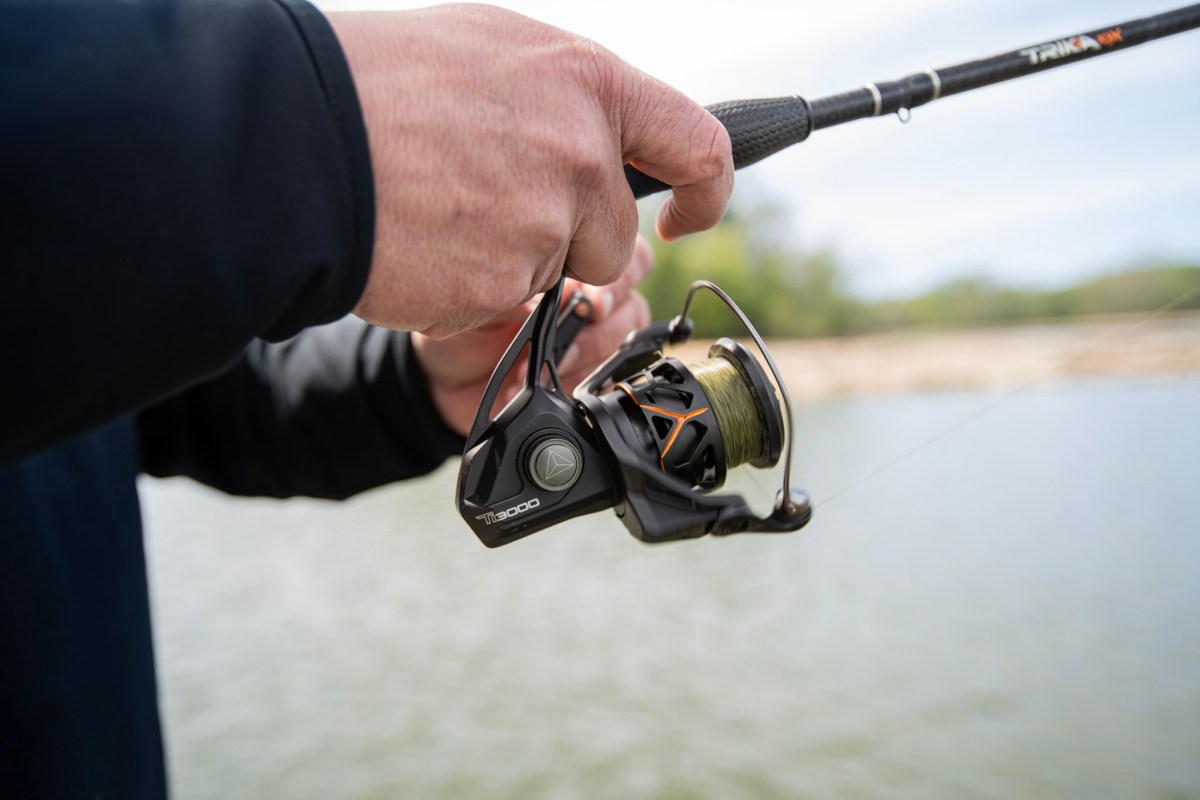
You can pick up a cheap reel from Walmart and fish for bass until the cows come home. There certainly is nothing wrong with that, and it takes me back to the roots of fishing. Simple, cheap fun.Or, if you have the means, you can spend towards a grand on one that’s the equivalent of men’s jewelry.
There really is something out there for any budget. Here are the differences you’ll see in performance at different price points.
Budget Bass Fishing Reels
At a bare minimum, a passable bass reel costs $50-120. If you dip below 50 bucks, you’ll regret it. Reels cheaper than that will be so jerky and poorly designed that you’ll be fighting it all day. I’ve tested some that were pretty much broken right out of the box.
Some of the best, like the Abu Garcia Max SX 3000, are great reels for the price and provide anglers with everything they need to get out on the water. An ideal reel in this range will be somewhat durable and reliable, performing the job day in and day out. This is the most volatile price range, as some options are complete junk, but my favorites are a surefire bet.
With budget reels, you may be losing out on low startup inertias. They also won’t have as many bearings and will be less smooth, which reduces sensitivity.
Adjustability can be lacking with a smaller range of drag or tension adjustment. Almost all reels in this price range will be made of carbon, or cheap aluminum, which is prone to scuffs and breakage. You may find plastic components as well, but it’ll get you fishing.
Mid-Tier Bass Fishing Reels
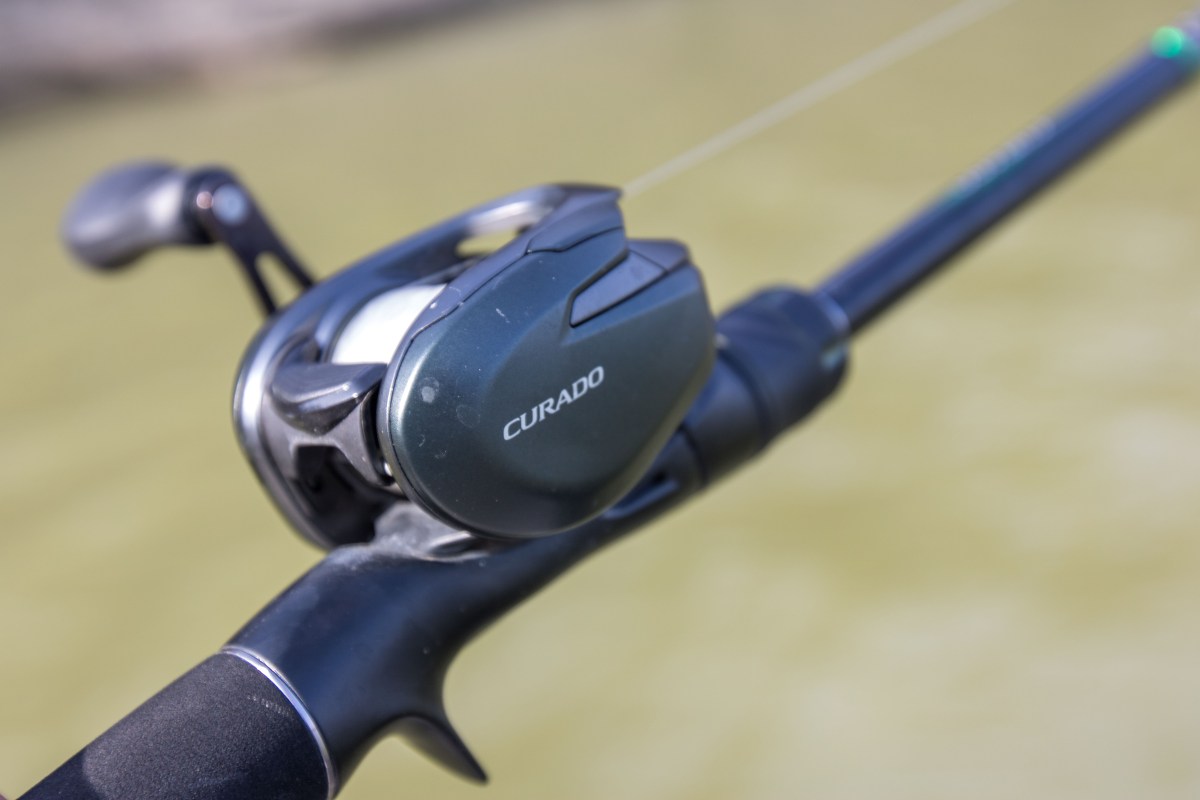
Most bass anglers (including me!) end up purchasing mid-tier bass fishing reels. Reels in the $150-$300 price range play a perfect balance between performance and budget, especially considering how many rod and reel setups serious bass anglers own.
Reels in the higher end of this price range should be expected to have no noticeable flaws. They need to have plenty of bearings and operate smoothly. Startup inertia shouldn’t be an issue, and they should have easy adjustability. Most will have numerous gear ratios and sizes so that you can perfect the reel for your needs.
These are the reels you will come to rely on day in and day out. They will also be constructed with quality materials that stand up to the test of time. You won’t find carbon reels here; only aluminum frames that can withstand a beating. Some of my favorites, like the Bass Pro Johnny Morris Platinum Signature Spinning Reel, not only claim to perform better than high-end reels, but actually do while on the water.
But, they still won’t be the greatest thing out there.
Premium Bass Fishing Reels
Remember when I said that some reels are the equivalent of men’s high-end jewelry? Yeah, this is where they fall.
Bass reels in the $500+ price are honestly works of art. Ideal specs and performance are a given, and you enter into the world of making something that is unnecessarily perfect. You may have noticed a difference in price from the top end of mid-tier reels to the bottom end of premium reels. That’s because reels in between don’t make much sense to me. They flirt with being the most premium, but don’t quite make it. You’re either a baller or you aren’t, both of which are fine.
These reels will be very light. In fact, the lightest money can get. They only have the finest Japanese components. And yes, the Japanese are better at making reels than Americans are. I love Toyota trucks for a reason. Reels are the same.
At this price, you’ll find a reel with a drag system so perfect that it’s sure to melt your heart. And it will pair so perfectly with a rod that you won’t even notice its there.
Reels that are in the premium range are unnecessary from a functional standpoint. I typically recommend this price range for saltwater anglers who can truly benefit from the advantages of higher-quality metals that are corrosion-resistant and drags that can stop a truck.
However, I’m a fishing nerd and understand the obsession with the best of the best. If you have the extra money lying around, reels in this range will give you some serious street cred.
Frequently Asked Questions

For spinning reels, most anglers use a 2500-3000 size bass reel. These provide a great balance on the rod, plenty of power to fight bass and are capable of holding enough line for the longest casts. For baitcasters, most anglers use 150-200 size reels, but dedicated glidebait anglers go up to 300 size reels.
Both are used for bass fishing, and neither is better. They do different things. Baitcasters give better accuracy and control. They also cast heavier lures better. Spinning reels excel at throwing lightweight lures and are easier for beginners to operate. Most experienced bass anglers use spinning reels for finesse techniques and baitcasters for power fishing.
Spinning reels are most commonly found with a 6.2:1 gear ratio or lower. For baitcasters, a reel with a gear ratio at around 6.1:1 is great for slowly moving baits as well as crankbaits that require better torque in a reel. Gear ratios of 7.6:1 and above are ideal for situations where quick line retrieval is necessary, such as flipping and pitching.
Shimano and Daiwa are the most popular reel manufacturers. Both are Japanese companies that have been making reels for decades. However, many others are great as well. Abu Garcia, Lews, 13 Fishing, and others all make quality products
Read the full article here
