





Erik Plakanis describes himself as a “believer” in REI. He’s been a member of the retailer and co-op for nearly 40 years. So when REI leaders reached out in 2007 to start partnering with Plakanis’s guiding business, A Walk in the Woods, he was ecstatic.
REI not only promised to funnel customers toward A Walk in the Woods, but also shared in development costs and supplied gear for clients who signed up for the trips. Over the next 18 years, Plakanis greatly expanded his business through the co-op until it dominated his client list. He was one of many guides carefully chosen to help grow REI Adventures, which was dedicated to “adventure travel, day tours, and classes.”
“They asked if we would be part of their family and do Appalachian Trail trips, which was fantastic,” he said. “This company so impressed me.”
Then things started to change in 2019, when REI CEO Jerry Stritzke resigned and was replaced by Eric Artz. For years, Stritzke had told Plakanis that REI wasn’t motivated by profit, and that purpose could be “a competitive advantage.” When Artz initially took over, he also echoed the importance of “purpose before profit.”
However, over the next few years, REI slowly pulled back on its commitments to REI Adventures, which was rebranded to REI Experiences in 2022. Finally, in January 2025, Artz said it was time to return the co-op to “profitable growth” and ended the program entirely — right at the time most guides had already paid thousands of dollars for the season’s bookings.
Three guiding businesses spoke to GearJunkie about their frustration with REI’s handling of the program’s dissolution and even called it a “breach of contract.” REI declined an interview with GearJunkie. However, a spokesperson did respond to some questions via email and said that REI’s decision to end its outdoor program was an “effort to return the co‑op to a sustainable economic model.”
History of REI Adventures
The co-op invested a lot of time and effort in making REI Adventures a success after kicking off the program in 1987.
Many REI employees were fully dedicated to managing the program, which connected customers with guides locally and around the country. Customers could book a trip through REI, either online or in-store. There were abundant options for backpacking, paddling, climbing, or other outdoor activities.
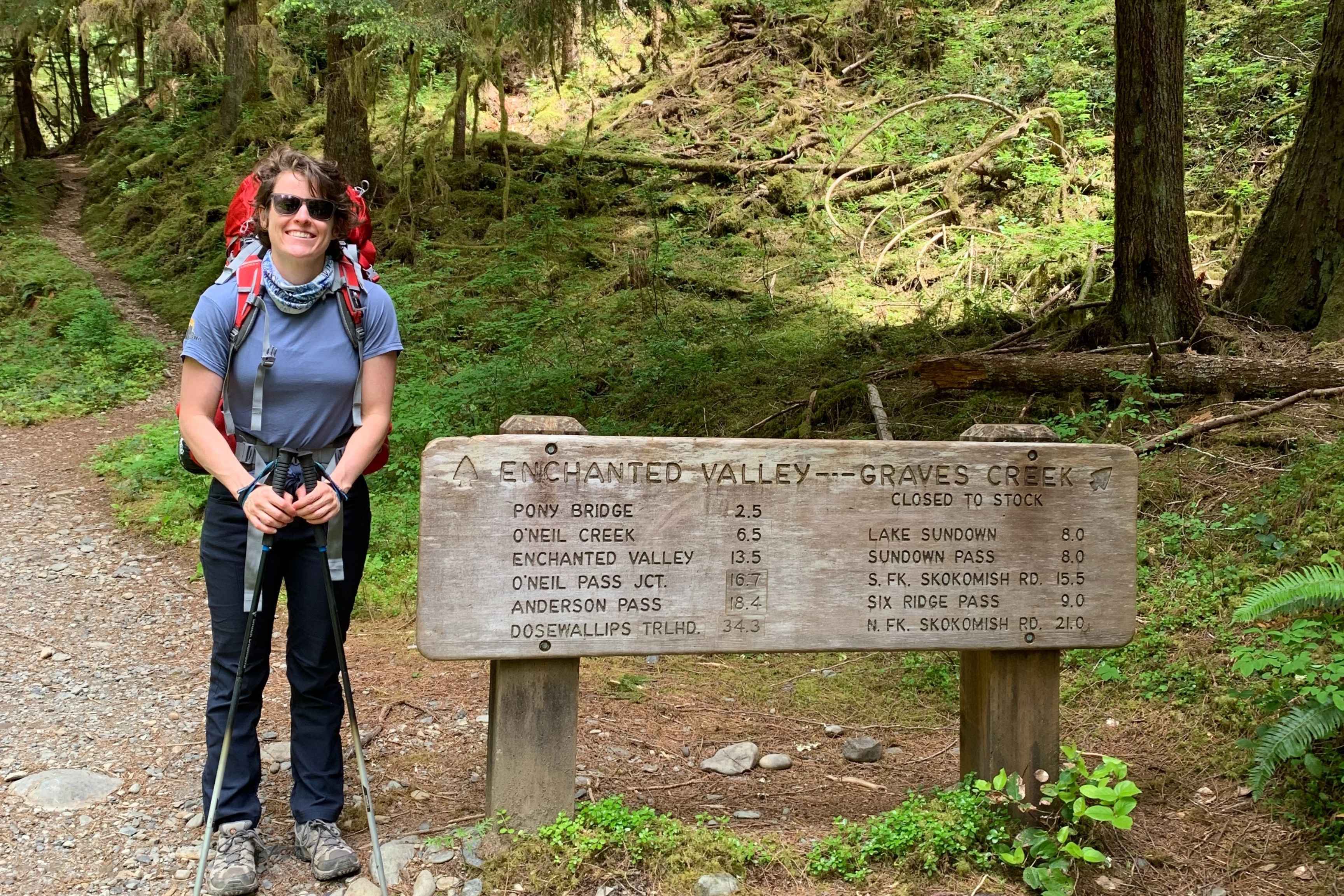
Even an experienced backpacker like GJ Staff Writer Mary Andino benefited from the program in 2024. She called the online booking process “super easy.” The $1,000 she spent on a backpacking trip was “money well spent” and helped her embrace the idea of camping alone.
The arrangement also worked out well for the guides that partnered with REI. Guiding companies like San Juan Island Outfitters (the same guides who helped Andino) would offer REI a lower price than their retail rate, since the co-op was handling the marketing and sales. REI then marked up that price to cover costs and (in theory) attain profitability.
In the last few years, guides noticed that REI was increasing prices and “pushing the limits of fair market pricing,” said Kirk Hoessle, president and CEO of Alaska Wildland Adventures. “In retrospect, we now know they were losing money, and it seems like they were trying to make the trips more costly to pay for the losses.”
But those measures didn’t save the program. When Adventures (then called Experiences) was abruptly shut down in January 2025, Artz said the co-op was barely breaking even. He claimed the program was losing “millions of dollars every year.”
In a letter to the company, Artz acknowledged that cutting the program “will have a significant impact on people.” About 180 full-time employees and 248 part-time guides in the Experiences division “will be eliminated as we close this business,” he wrote.
Major Impacts on Guides
The sudden closure of REI’s outdoor program had an immediate, massive impact on guides.
By abruptly ending the program at the start of a new year, REI left these small business owners with bills for trips they had already booked. Guiding companies must hire subcontractors and make arrangements for big trips, which are normally reserved months or years in advance. Without any notice or drawdown of the program, 2025 was a major loss.
Alaska Wildland Adventures claimed about $400,000 in direct costs or losses. A Walk in the Woods claimed it lost more than $562,000. San Juan Island Outfitters lost roughly 70% of its revenue, it said. In all three cases, employees were laid off due to the sudden loss of business. The guiding companies begged REI, which had canceled all trips and refunded customers, to let them try to rebook directly with clients. However, that didn’t happen.
“Because of customer privacy requirements, REI did not share customer contact information directly with tour operators,” an REI spokesperson told GearJunkie by email. “However, when customers asked about connecting with a local operator, REI provided the operator’s name and contact information so customers could choose to reach out individually.”
But Hoessle said that never happened, at least not with Alaska Wildland Adventures. “They never provided any names directly to us. Their Adventures staff were abruptly laid off within days after providing the news to us.”
There’s also a longer-term impact beyond the immediate loss of so many clients.
Many of these guiding companies spent years working with REI. Eventually, a majority of their business was booked through the retailer. They had to rebuild their client list without access to REI’s millions of customers. At the time of cancellation, REI represented roughly 70% of the bookings for A Walk in the Woods, for example.
“The way REI handled this caused needless harm with us vendors,” Plakanis said. “It just generated such ill-will that the clients didn’t want to work with anybody affiliated with REI Adventures.”
Guides Claim Breach of Contract
After sending multiple letters to REI’s board of directors — and getting no response — Hoessle is now working on a legal case against REI. Two other guiding companies have joined him. According to Hoessle’s lawyer, they’re pursuing a case of “breach of contract with detrimental reliance.” That’s because REI agreed to a certain number of trips in its contracts, and then abruptly pulled out.
Hoessle and others sent several letters to REI’s board of directors asking for help. They said they never received a response.
“REI pulled the plug right before the seasons were starting,” said attorney David Gross, of Anchorage firm Birch Horton Bittner Cherot. “The contract, as it’s written, doesn’t allow them to just abandon ship.”
According to REI, however, there was no breach in the contract at all.
“The contracts governing the multi-day adventures programs allowed REI to cancel trips for any reason, provided certain notice requirements were met,” a spokesperson told GearJunkie. “In instances where trips were canceled with less than the minimum notice period, REI paid the required cancellation fees, consistent with the contract terms.”

Abandoning ‘The Mission’
For many guides, the disappointment with REI Adventures’ ending goes deeper than financial losses. Again and again, guides were told that REI Adventures was a mission to get more people involved in the outdoors and in conservation — especially people with less access to outdoor opportunities.
“A big part of REI used to be conservation through education. And that’s what we did. Not only was REI interested in that larger mission, they’re the ones that defined that mission,” said Brian Goodremont, the owner of San Juan Island Outfitters. “It was about getting people outdoors that would not otherwise have that opportunity. People from diverse backgrounds. Women’s groups. Trans groups. Survivor groups.”
REI, however, still claims that it’s committed to that mission. A company spokesperson pointed to the REI Cooperative Action Fund, which has invested nearly $36 million in more than 500 nonprofits around the country to expand outdoor access and support research about nature’s impact on health. Also, 1% of sales from its new adventure trips with Intrepid Travel are donated to the fund.
“Our commitment to expanding access to the outdoors and conservation hasn’t changed — it’s fundamental to our mission as a co‑op,” the spokesperson said.
To date, the REI Cooperative Action Fund has invested nearly $36 million in more than 500 nonprofits nationwide to expand access to the outdoors and support research about nature’s impact on health.
Looking to the Future
Goodremont said that REI’s dissolution of the Adventures program could have been handled better. After many years of partnering with the co-op, it’s hard to imagine doing so again.
Alaska Wildland Adventures, San Juan Island Outfitters, and A Walk in the Woods are all trying to rebuild their business. But it’s more difficult than ever to find and connect directly with customers, they said.
A few months ago, REI announced a new adventure travel partnership. This time, they’re working with Intrepid Travel, an Australian-based agency that specializes in more expensive international trips. It’s far different from REI’s longtime collaboration with local guides based in the U.S.
“They just bailed on us because it was the easiest thing to do. It’s hard to swallow,” Goodremont said. “I just thought REI was a different type of corporation.”
Read the full article here
