



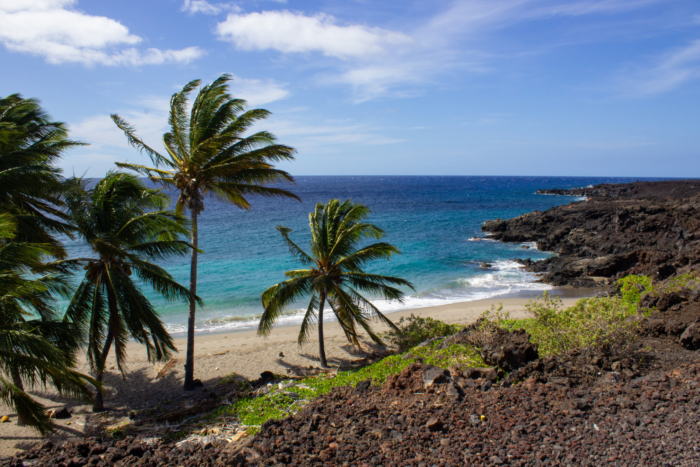

In 2022, the National Park Service (NPS) acquired over 16,000 acres to add to Hawaiʻi Volcanoes National Park. Since then, this area, known as Kahuku-Pōhue, has been closed to visitors as the NPS has weighed how to best balance visitor access and environmental stewardship. A newly released plan finally sheds light on the recreation opportunities here, as well as major proposed changes elsewhere in the park.
The Background
Located on the Big Island, Hawaiʻi Volcanoes is one of the state’s two national parks. It is a popular tourist destination, attracting nearly 2 million visitors in 2025, according to NPS data. In 2003, the park acquired the Kahuku Unit, a 116,000-acre parcel of land on the shoulders of Mauna Loa, the world’s largest active volcano. It added the Kahuku-Pōhue area in 2022.
Every few years, every NPS-managed site updates its comprehensive site management plan (CSMP). These proposals detail changes in trails, access, facilities, roads, and more, and include environmental assessments of potential changes.
The document is released to the public, which has a set period of time to provide feedback. Once the NPS takes these comments into account, it will decide whether to adopt the CSMP.
The Kahuku Unit Plan
This CSMP covers three areas of the park, with major changes in each. First, Kahuku-Pōhue would open fully to visitors for the first time. The NPS is proposing to build essential infrastructure here, including roads, signage, bathrooms, parking, and picnic tables. The area would have four day-use sites and three overnight campsites along the coastline. All day-use, hiking, and overnight use here will require a permit.
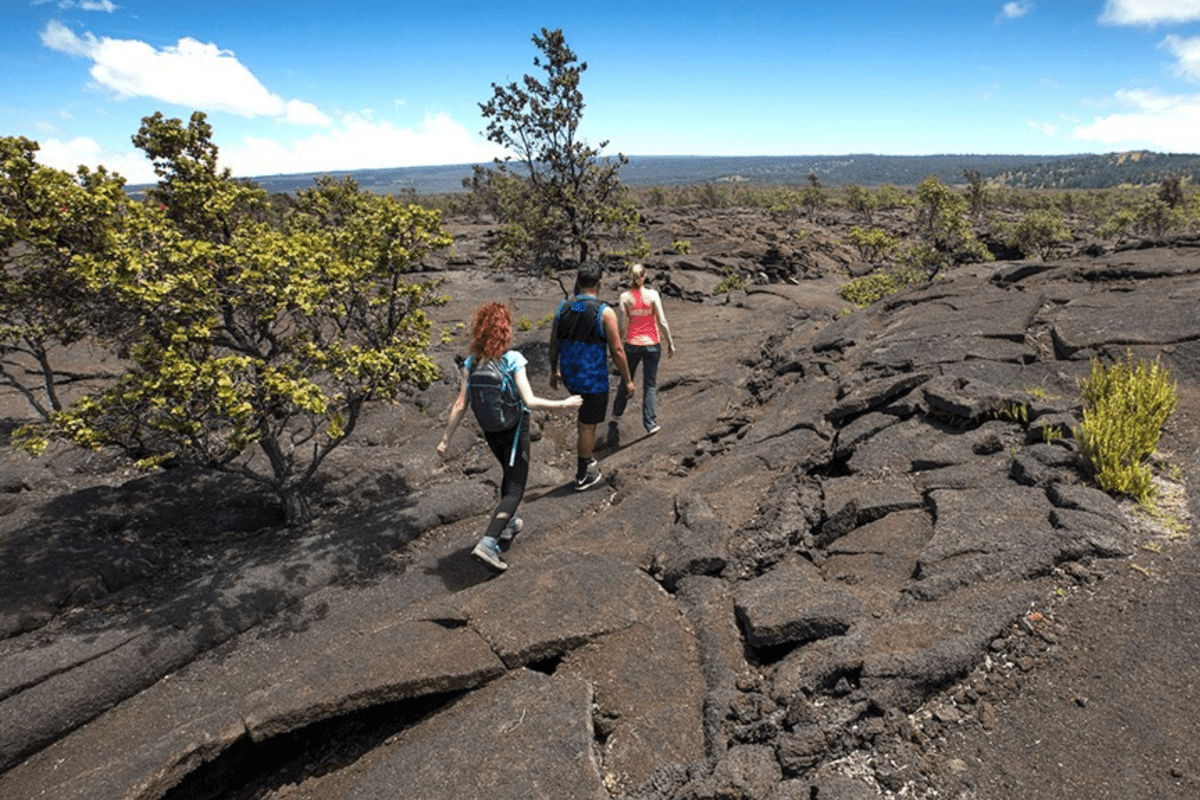
The second region, Upper Kahuku, contains many sensitive natural resources. Changes here will focus on expanding access and facilities to multiday, long-distance hikers. The proposal wants to connect major trails and establish six hike-in campsites (in two different areas).
The last area, Lower Kahuku, receives the most visitors and is a hub for park administration. The list of possible developments here is long. It includes:
- a new entrance gate
- additional restrooms and picnic areas
- expanded parking
- A 0.75-mile loop trail and two other new trails
- two native plant gardens and a cultural demonstration area
- increased storage and housing for NPS staff
- 7 hike-in campsites
- increased signage and interpretive media
The proposed CSMP does not outline the costs for these improvements. GearJunkie reached out to the NPS for comment, but did not receive a response by the time of publication.
Environmental Concerns
Hawaiʻi Volcanoes is home to 47 endangered and seven threatened species, so all construction and development will have to take environmental protection into account. The list of rare species potentially at risk from construction includes: nēnē (a type of goose), ʻiʻiwi (a pollinating bird), ʻōpeʻapeʻa (a species of bat), honuʻea (the Hawksbill sea turtle), and Hawaiian monk seals.
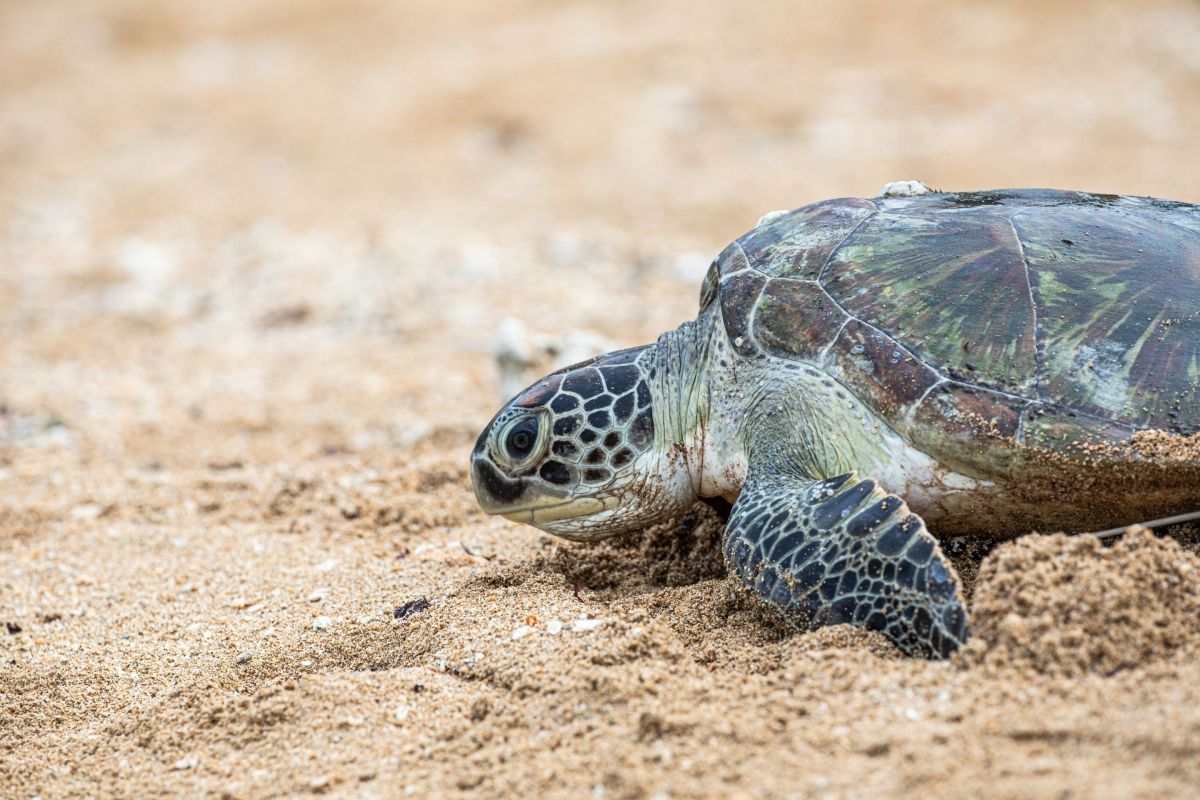
The NPS aims to foreground species protection. Should staff find a nēnē nest within 150 feet of a planned worksite, all work will stop, and will not resume until the nest is inactive and all birds have left the area. Any beaches that have monk seals present will be temporarily closed.
Why It Matters
This CSMP applies to around a third of the entire land area of Hawai’i Volcanoes National Park. The changes will massively expand overnight camping opportunities. The park currently only has four primitive camping areas, and this plan would double that number. Multiple new trails will also allow visitors to access new areas of the park.
In peak season, parking can be a logistical hurdle for visitors, and these developments should help ameliorate that perennial issue. More signage and bathrooms might not be the flashiest upgrades, but visitors definitely notice when these things aren’t present.
Potential Opposition & What’s Next
The NPS has already received and published many public comments surrounding the CSMP. Most come from people who live in the state of Hawaiʻi. Issues of debate include: whether certain areas should be accessible by vehicles, protection of archaeological resources including petroglyphs, whether or not local residents need permits to hike in the Kahuku-Pōhue area, and access for Native Hawaiians for traditional cultural purposes.
The public comment period for this CSMP is open until July 1. Interested persons can comment online. The NPS is also holding two in-person meetings open to the public at the Kahuku Visitor Contact Station in June.
Read the full article here
