



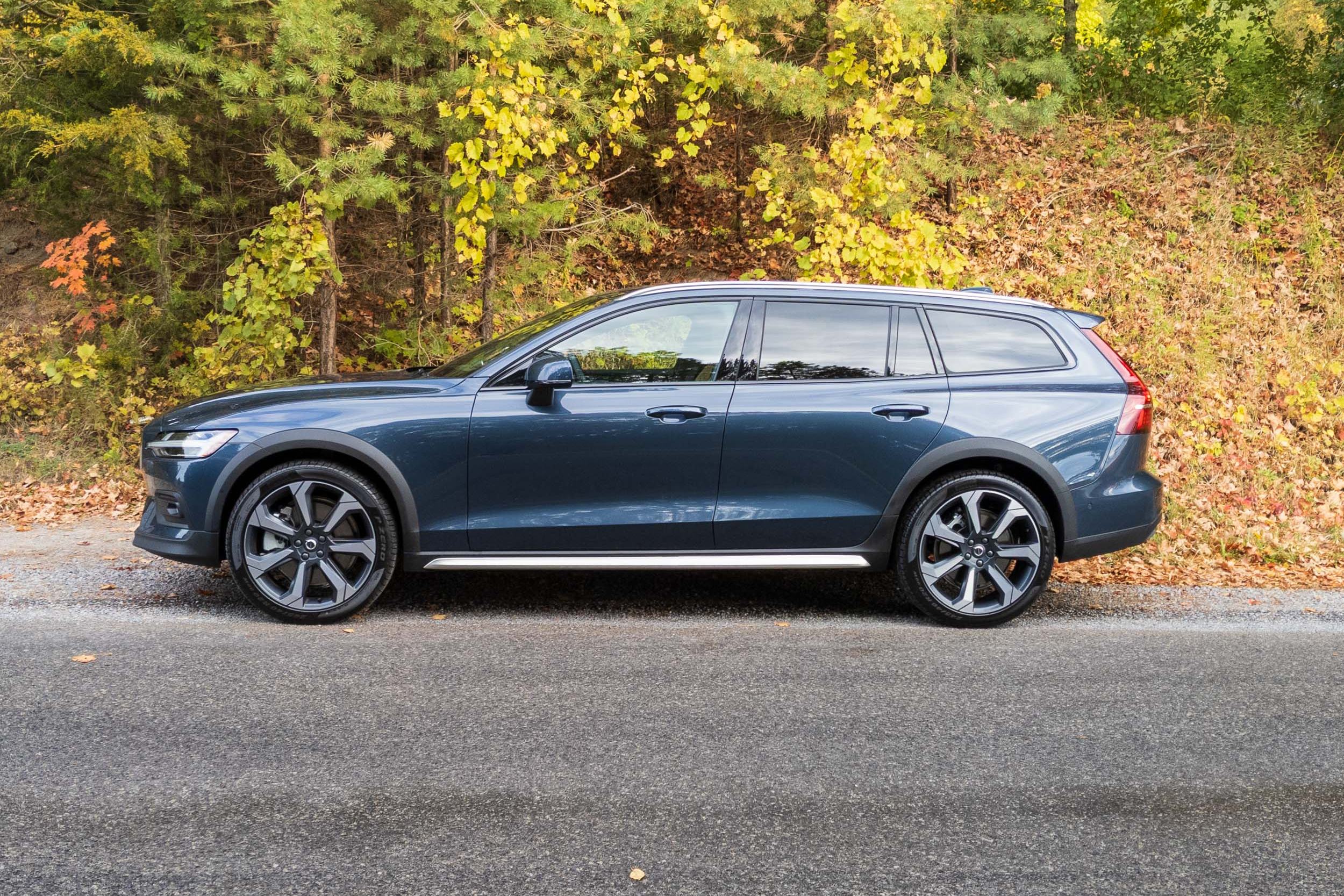

For decades, it was America’s family hauler of choice. Now, is the station wagon dead in the U.S.? Volvo, a brand that has championed the longroof for almost its entire existence, is now out of the game. And that can’t be a good sign for the cargo-friendly car.
73 Years of Swedish Wagons
Volvo’s first wagon was called the Duett, and it launched in 1953. It was meant to be used as a delivery van by day and a family car on the weekend, and it became such a Swedish icon that it got its own stamp.
The automaker’s final wagon in the U.S. is the V60 Cross Country. It’s a lifted wagon, much like the original Subaru Outback, but it’s still clearly a wagon. Volvo has sold 3,630 of them as of the end of November 2025, but that figure is an aberration. Normally, the annual figure is less than half that, which was low enough to get it the axe.
Station Wagons Were the Official Family Cars for Generations
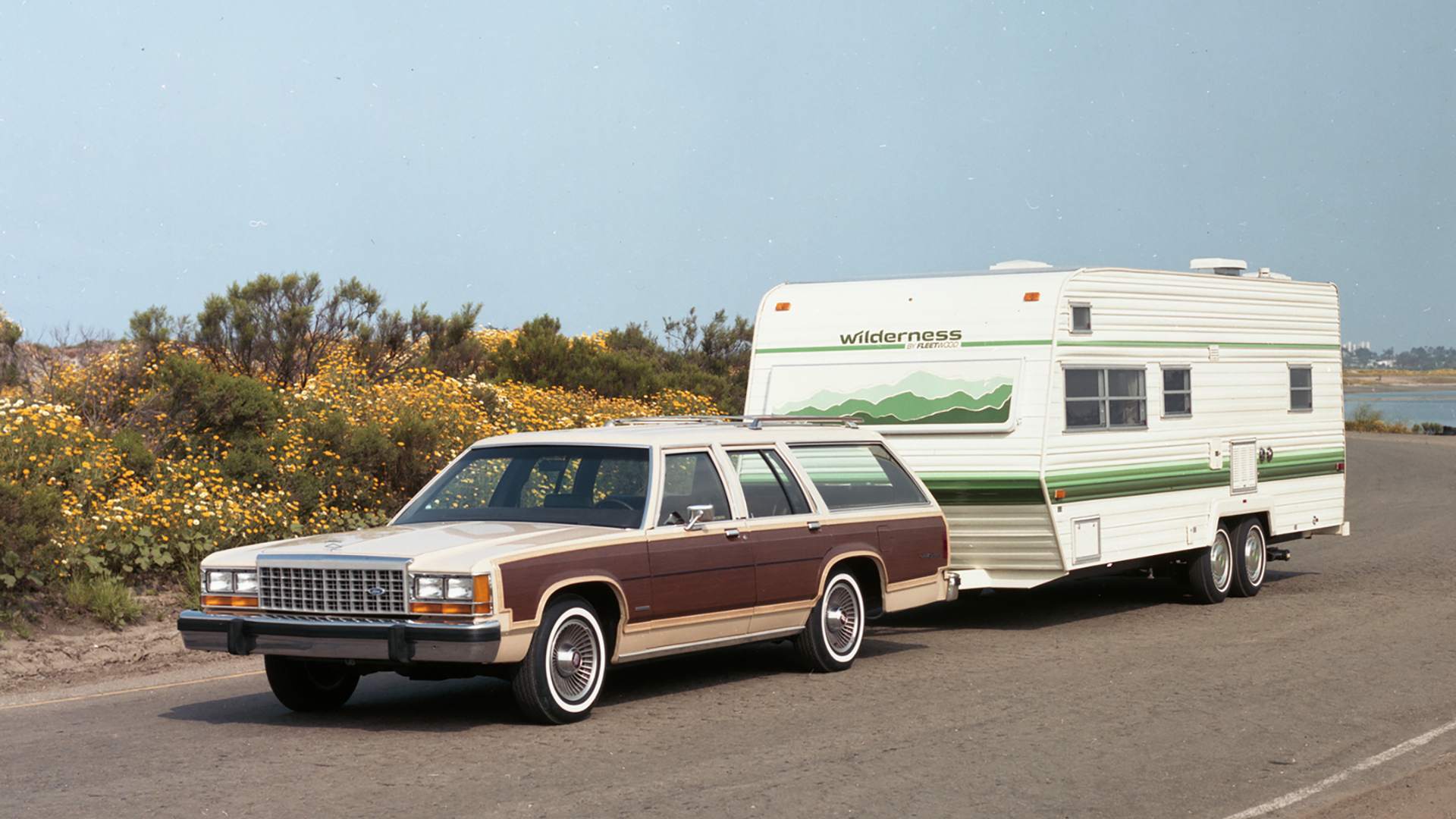
Once, Oldsmobiles cruised the vistas, Fords took their Squires to the country, and Plymouth’s Suburban would put Chevy’s marketing and IP team in a fury. Nearly every brand had wagons in almost every size, from subcompact to aircraft carrier.
Today, the station wagon isn’t quite dead, but Volvo’s move puts an end to … well, not affordable wagons, they’re already long dead. But it was the last wagon with an MSRP near the current record-high average new-car price.
Now Wagons Are High-End Performance Machines
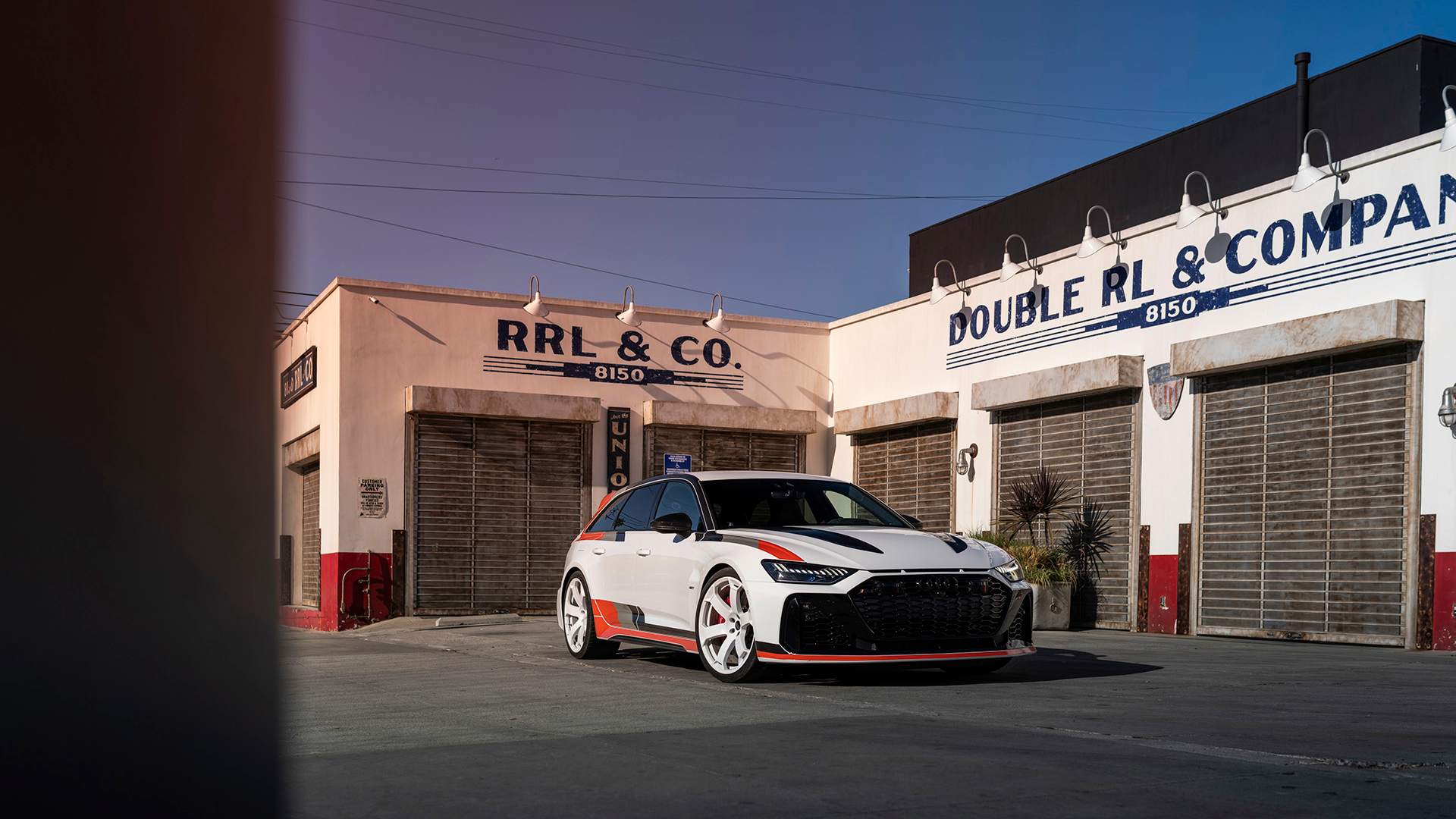
They’re not budget-friendly family runabouts anymore. The remaining station wagons are prestige cars for buyers who want to fly under the radar.
Mercedes-Benz offers its E-Class as the Cross Country-like E 450 All-Terrain, which is lifted and plastic-clad, for a more rugged look. It also offers the AMG E 53 wagon, a plug-in hybrid that makes an astonishing 577 horsepower from its engine and motor combined.
That AMG performance model isn’t alone. BMW and Audi both make uberwagons, with BMW offering the 717-horsepower M5 Touring and Audi a 621-horsepower RS6 Avant. Both are six-figure machines, and both are selling above expectations. At least Audi still offers its own All-Terrain equivalent, the A6 Allroad.
Crossover SUVs Have Seized the Marketplace
For a while, lifted wagons were keeping the segment alive. Volvo’s Cross Country, Audi’s Allroad, Merc’s All-Terrain, Volkswagen’s Golf Alltrack. They offered SUV-like confidence and features such as AWD and more ground clearance, but they were shorter in height, usually lighter, and offered better fuel economy.
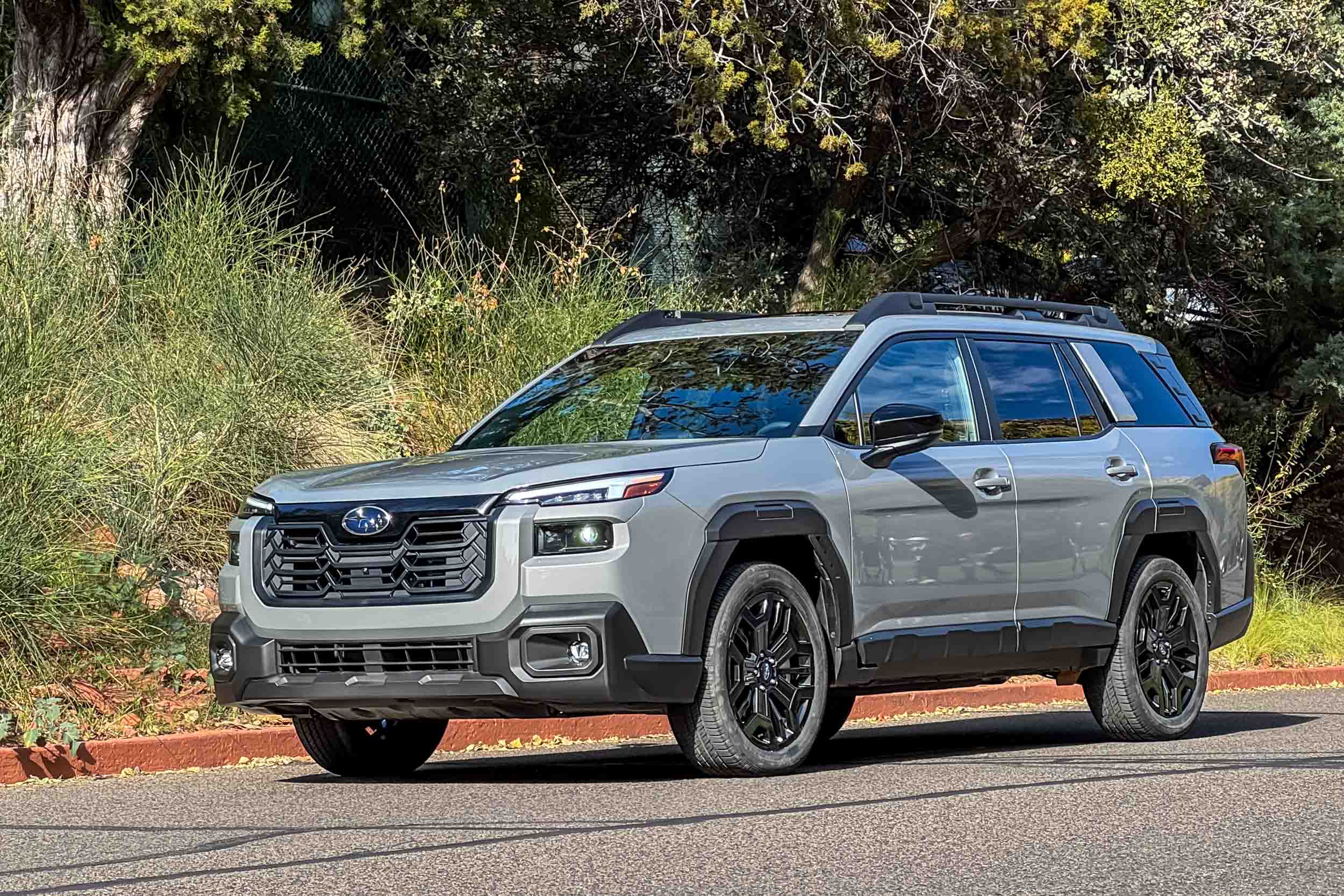
Of course, the biggest seller of those was the Subaru Outback, but even that model has strayed away from the conventional wagon over the years. The latest generation shattered the illusion completely — it’s now a crossover SUV.
What Killed the Station Wagon?
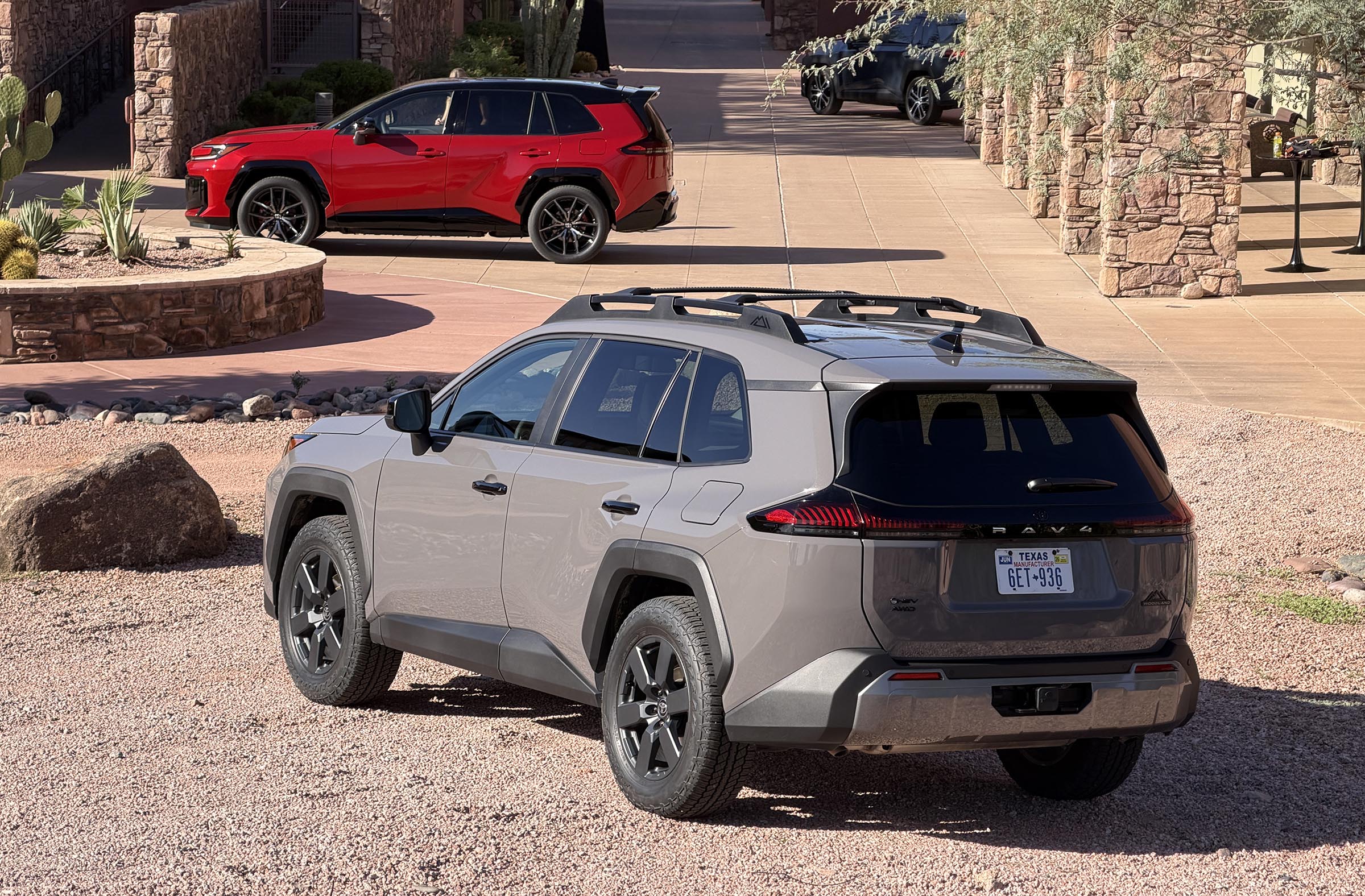
What killed them? It depends on who you ask, but it’s complex. Dealers and automakers made more money from more expensive crossovers and SUVs, pushing them away from marketing wagons. Buyers started to want the rugged go-anywhere look and feel of those models, too.
Behind all of that was something called CAFE. Corporate Average Fuel Economy Standards, the fleet fuel economy rules automakers have to meet as part of emissions laws. CAFE doesn’t treat every vehicle the same; larger vehicles have lower fuel economy requirements, and even the thriftiest light trucks can use more fuel than passenger cars.
Crossovers, because of their ground clearance, were light trucks. Wagons were passenger cars. They had similar sizes and carried the same amount inside, but a wagon needed better fuel efficiency to meet CAFE standards.
Even Volvo’s own Cross Country, with its extra ground clearance, was an easier target than the standard V60. Automakers could try harder on their wagons, or they could just build SUVs.
Is the Last Affordable Wagon a Toyota Crossover?
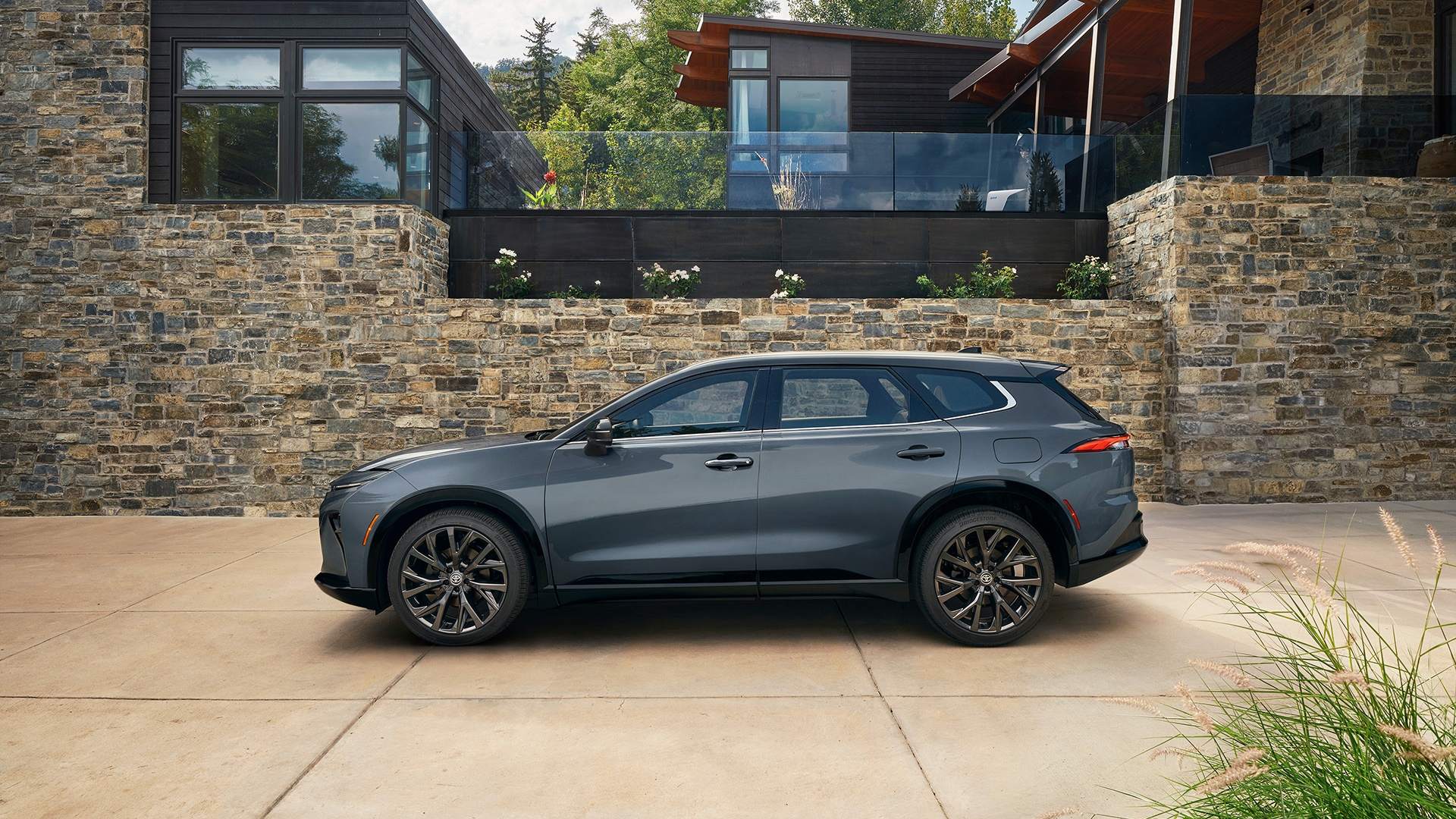
If you’re still in search of the station wagon experience, there might still be one vehicle that delivers it. Or at least it’s the new vehicle that comes closest without breaking the bank.
It comes from Toyota, the last automaker to offer a full line of cars and trucks in the U.S. The Toyota Crown Signia is a new but overlooked vehicle that has almost the same footprint as the Highlander crossover, but is lower, sleeker, and lighter.
Toyota won’t use the “W” word, but it doesn’t call this model an SUV in its marketing either. It does meet the “light truck” SUV definition, though, so the government does get a say.
Wagon’s Aren’t Dead, But They’re Hard to Afford
Is the station wagon dead in America? No, but it’s certainly in palliative care, if not on life support. There are a few options left after Volvo’s V60 CC departs, but not many.
Farewell to the wagon, we’ll miss you. Even if we don’t miss the rear-facing third seat.
Read the full article here
