




After hearing the news about the Hong Kong high-rise fire back in November 2025, I thought about the safety of apartment and condo dwellers living in high-rise buildings. In the aftermath of the tragedy, 161 people lost their lives, and thousands of residents were displaced. Many factors contributed to the fire, including the use of substandard building materials, shoddy workmanship, and shady business dealings. These facts highlight the case that there are risks for anyone living in a densely populated building high above ground.
When you live in a high-rise apartment, you must always pay attention to fire safety. The building’s characteristics, such as height, shared walls and spaces, centralized utilities, and limited exit routes, affect how a fire spreads and how residents can respond. Many residents expect modern buildings to have automatic sprinklers and backup generators to power elevators, but in reality, you still need to think about personal preparedness and the habits that keep you safe.
TL;DR: Learn essential fire safety tips for high-rise living, including equipment checks, kitchen safety, escape planning, and when to shelter in place.
Quick Look at What You’ll Learn
Smoke can Spread Quickly in High-Rise Buildings
In tall buildings, fire and smoke can quickly spread to many units. Smoke rises fast and spreads across hallways, stairwells, elevator shafts, and ventilation systems. Apartments several floors away from the original fire can fill with smoke even before the flames spread. That’s why smoke inhalation is one of the more serious threats for high-rise dwellers. These types of injuries can occur even without direct contact with the actual fire. That’s why early detection and quick responses are crucial in apartment buildings.
Check Your Unit’s Fire Safety Equipment
Don’t assume that your building’s fire alarm system is all that’s needed for sufficient warning. Yes, these systems are important, but don’t just rely on them alone. Some residents disable their smoke alarms because they make annoying chirping noises, especially when the batteries are low. Never disable them! Make sure the smoke alarms in your unit work according to Ready.gov. They should be installed near sleeping areas and tested regularly. Set a reminder (such as on Daylight Saving Time) to replace the batteries.
Another good safety precaution is having carbon monoxide detectors, especially if you are in a building with shared heating or gas appliances. Carbon monoxide poisoning is another risk you must be aware of.
Kitchen Fire Safety
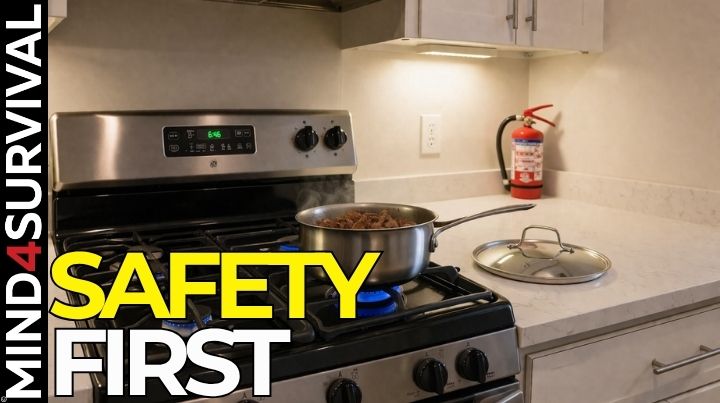
According to the U.S. Fire Administration, cooking is the leading cause of fires in residential buildings. The lack of counter space, overhead wooden cabinets, and close proximity to flammable material can all contribute to the risk.
Here are some safety tips:
Never step away while you’re frying food, even if it’s for just a minute. When cooking with any other method, use a timer to remind yourself to check on any food you are cooking on the stove or in the oven.
Move any flammable items, such as dish towels, wooden utensils, and cookbooks, away from the stove.
Keep children and pets away from cooking areas. Fires are not the only risk, as severe burns can result from a child or pet overturning hot pots and pans.
What if you have a grease fire?
Grease can catch fire very quickly and spread rapidly. Never throw water at a grease fire. If the fire is still small, turn off the heat immediately, and cover the pan with a metal lid or cookie sheet to cut off the fire’s oxygen supply. Never use a ceramic lid. The fire could cause it to explode, scattering shrapnel. Another way to put out a grease fire is to use a large amount of baking soda or table salt. You can also use a Class B or K dry chemical fire extinguisher if you have one on hand. Call 911 if the fire has gotten larger.
📣 The Real DataThe NFPA provides some interesting statistics about home cooking fires that you might consider.
Electrical Fire Risks in High-Rise Apartments
Space Heaters
The U.S. Consumer Product Safety Commission (CPSC) estimates that space heaters cause at least 1,100 fires a year. While they may keep your room nice and cozy, you need to pay special attention so they don’t cause a fire:
When making your purchase, make sure your space heater has a seal from a nationally recognized testing laboratory, such as UL.
Keep space heaters at least three feet away from anything that can catch fire, such as beddings, curtains, and furniture.
Don’t use extension cords or power strips with space heaters.
Make sure the space heater is on a stable surface.
Turn off the space heater before you fall asleep or leave the room.
Appliances
Unplug any small appliances when you are not using them.
Always plug major appliances such as stoves, refrigerators, washers, and dryers directly into a wall outlet. Do not use extension cords with these appliances, as they can overheat and start a fire.
Use the recommended wattage for any lightbulbs.
Keep anything that can burn away from lamps, lights, or light fixtures.
Never overload outlets with your plugged-in appliances.
Electrical Cords
Make sure all your power cords are in good condition with no exposed wiring. Replace old or damaged cords as soon as possible.
Do not hide electrical cords under carpets or rugs, as they can act as insulation, potentially causing heat buildup.
Alert Your Landlord
If you notice any fire hazards in your unit or building, report them to your property manager. Do not ignore overheated wall plates, smoke, sparks, or crackling sounds of your appliances or electrical outlets.
Ensure that exits, such as hallways, stairwells, and fire doors, are not blocked, and that windows are not painted shut.
Create a Fire Escape Plan
While you’ll hopefully never have a fire in your apartment, it’s important to know what to do just in case. Make sure you know where all the exit doors and stairwells are in your building, so you can get out as quickly as possible if needed. Also, plan for at least two ways out of the building in case one is blocked during a fire.
Know where the nearest manual fire alarm is located, so you can alert everyone to the fire. It can also be helpful to hold fire drills, so that everyone in your household knows what to do in case of an emergency. Designate a place outside where everyone should meet.
A little planning may also help you have important items on hand. It can be helpful to keep a “go bag” by your apartment entryway, in case you have to evacuate. Keep a pair of shoes next to your bed, along with a working flashlight. If you have pets, make sure leashes and pet carriers are within easy reach in case you have to make a fast exit. You may also want to back up your important documents in a digital file so that you can still access them if the originals are destroyed
If a fire starts spreading, remember that your goal is to escape—not to extinguish the fire yourself. Remember to take the stairs and avoid using the elevator in a fire. Once you get out of the building, stay out and do not go back in for any reason. Let firefighters know if you think someone is trapped inside.
Though the threat of fire is always present, developing safer habits can reduce your risk. Take precautions and have a plan in place just in case.
Fire Extinguishers and When to Use Them
Extinguishers are useful for small, contained fires that have just started, such as a grease flare-up or an appliance malfunction. They are not effective against ceiling or hallway fires, or in situations where the fire has already spread, and smoke is filling up the space. If the fire has grown uncontrollable, evacuate immediately.
Keep a Class ABC dry chemical fire extinguisher accessible in the kitchen and know how to use it. Deploy it as soon as possible before the fire grows any bigger.
What about Sheltering-in-Place?
In some high-rise fires, firefighters may tell residents to stay inside their homes rather than evacuate. Some newer buildings are designed to contain fires to specific areas, and sealed units may be safer than common areas filled with smoke.
When sheltering in place, seal doors with towels or draft stoppers to reduce the spread of smoke. Turn off fans and ventilation systems to help prevent smoke from entering through shared ducts. Stay low and listen for official instructions. Respond quickly if conditions change.
Staying Prepared Without Overdoing It
High-rise fire safety doesn’t require extreme prepping or specialized equipment. It requires awareness, consistency, and respect for the environment you live in. Apartment dwellers share risk with neighbors, which makes individual habits more impactful than many people realize.
By understanding how fires behave in tall buildings and adjusting everyday routines accordingly, high-rise residents can significantly reduce risk. Preparation in an apartment isn’t about fear. It’s about making informed choices in a space where options are limited and time matters.
Additional Resources
Read the full article here
