



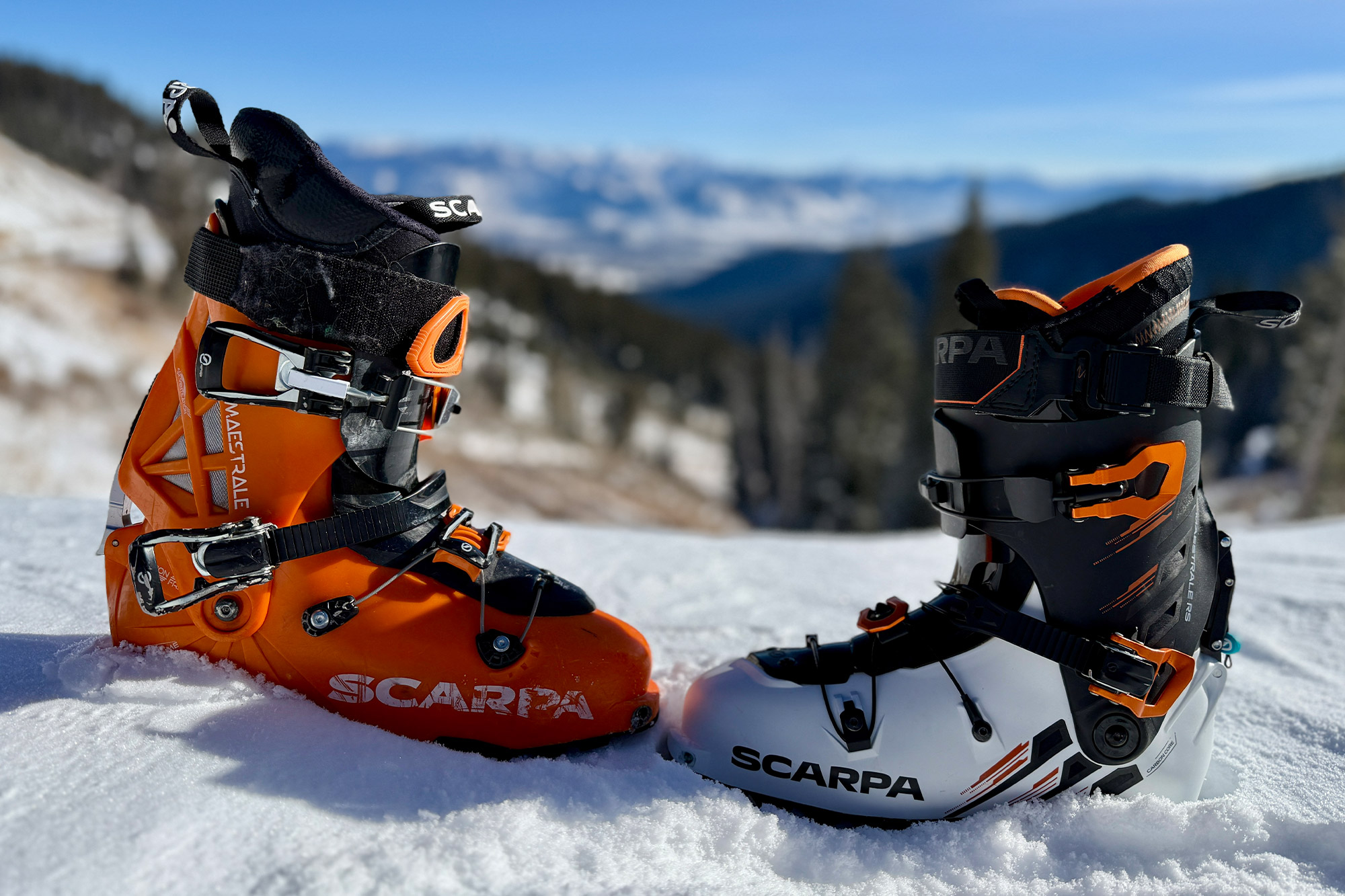

Some boots make an impression for a season or two. The Scarpa Maestrale ($799) and Maestrale RS ($899) have stayed with me for more than a decade. I first skied a version of the Maestrale in 2010, and it has been a constant in my backcountry kit ever since. It has carried me through early-season firm snow in the Tetons, thigh-deep laps in Utah, hut trips in Colorado, and cold ridge walks on fourteeners.
I added the Maestrale RS to my rotation about 5 years ago and was immediately struck by its warmth, power, and more assertive downhill performance.
Each generation of these two boots improved on the last (see our 2017 review), but the most recent redesign — which quietly rolled out in fall 2023 — represents the most significant update in these boots’ history. Scarpa reshaped the shells, updated the liners, continued using bio-based plastics, and refined everything from the ski-walk mechanism to the buckle layout.
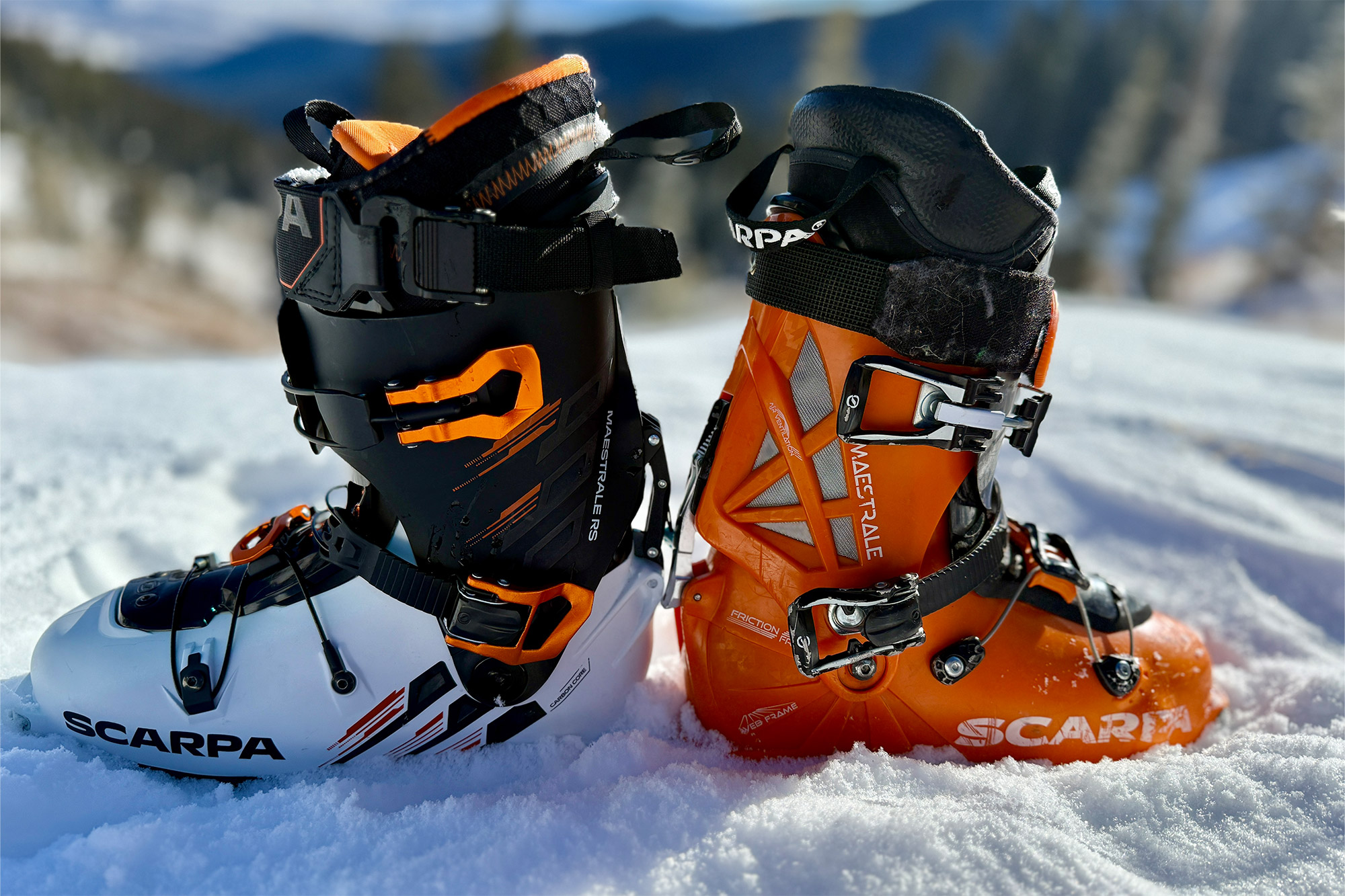
While the updated Maestrale and Maestrale RS share the same overall shape, fit, and touring platform, the key difference between them comes down to stiffness and power delivery. The standard Maestrale utilizes Scarpa’s new Carbon Core technology in the lower shell, adding backbone and improved power transmission. It also maintains a more forgiving flex.
The Maestrale RS builds on that foundation. It uses a firmer shell material and a co-molded carbon frame in both the lower shell and the cuff. That increases torsional rigidity and edge control without creating a harsh, on-off flex.
The result is two boots that share a common backbone but are tuned for different styles of backcountry skiing.
After months of side-by-side testing, one thing is clear. The Maestrale family remains one of the most balanced and dependable touring boot lineups available today. Few boots balance the climb up and the ski down like these two legends.
In short: The Scarpa Maestrale ($799) and Maestrale RS ($899) prove that classics don’t fade — they get better. They glide efficiently on the skin track, stay warm when winter bites, and feel composed when you drop into real terrain. The Maestrale is the forgiving, all-day workhorse built for long tours and everyday backcountry skiing, while the Maestrale RS adds noticeable stiffness and torsional power for wider skis, steeper lines, and skiers who like to push harder on the descent.
Compare the Maestrale and Maestrale RS to other boots in our guide to the Best Backcountry Ski Boots.
-
Excellent all-day comfort -
Balanced uphill efficiency and downhill control -
Warm, forgiving fit for long tours -
Versatile do-it-all backcountry performance
-
Walk mode range still trails ultralight options -
Ski-walk mechanism improved, but can be finicky in icy conditions
-
Stronger downhill power and stability -
Excellent for wider skis and steep terrain -
Warm, high-volume fit with great support -
Tours efficiently for its stiffness
-
Heavier and firmer than the standard Maestrale -
Ski-walk mechanism improved, but can be finicky in icy conditions
Scarpa Maestrale & Maestrale RS Review

A Proven Platform, Fully Reworked
I’ve skied every Maestrale since its original 2010 release. This latest version is the biggest leap forward yet. The new shells utilize bio-based plastics, which reduce weight and provide both boots with a smoother, more refined feel. Scarpa reshaped the shell to follow the contours of the foot more naturally and upgraded the buckles and tongue for cleaner closure and better support.
Both boots now benefit from Scarpa’s Carbon Core technology in the lower shell. That upgrade improves power transmission and stability without sacrificing touring comfort. The Maestrale RS takes that one step further with added carbon reinforcement in the cuff. That gives it a noticeably stiffer, more precise feel on the descent.
Fit is where most skiers will first notice the changes. Both the Maestrale and the RS use a refined 102mm last with a roomier toe box and improved instep shape that eliminates several old pressure points.
Another key aspect of the Maestrale’s fit is its slightly lower-volume shape from top to bottom, paired with a more precise, subtly narrower heel pocket. Combined with the slightly wider forefoot last, it delivers a secure hold without feeling cramped on long tours. While they share the same last, the RS fills more interior volume with a denser liner for a firmer, more precise fit.
Uphill Performance
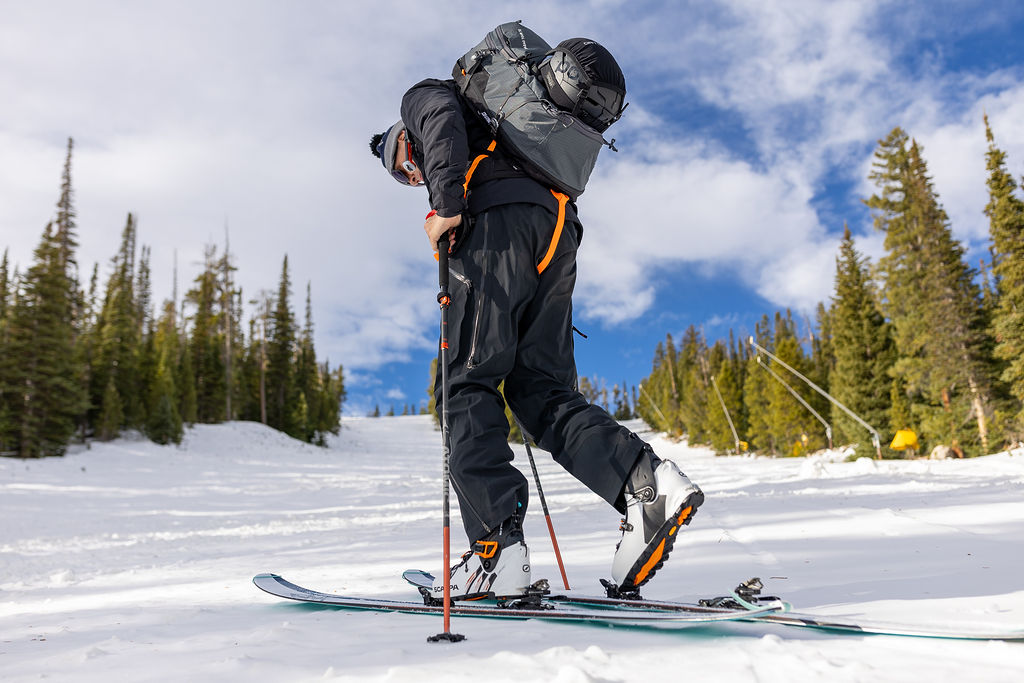
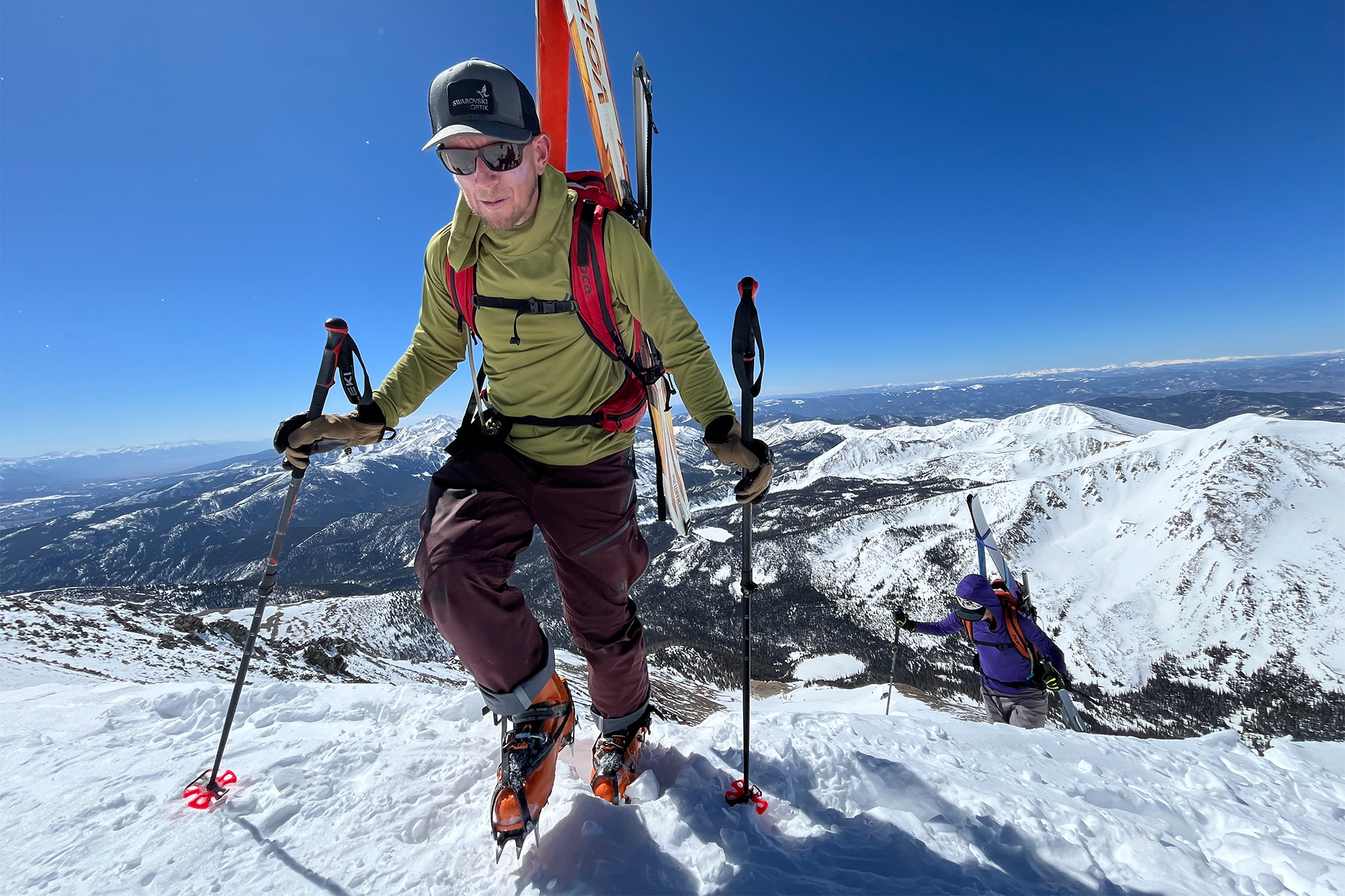
Both versions tour better than their predecessors. The updated cuff pivots more freely, and the refined tongue helps the boot roll smoothly through each stride. The walk mechanism breaks in quickly and becomes exceptionally smooth after a few days.
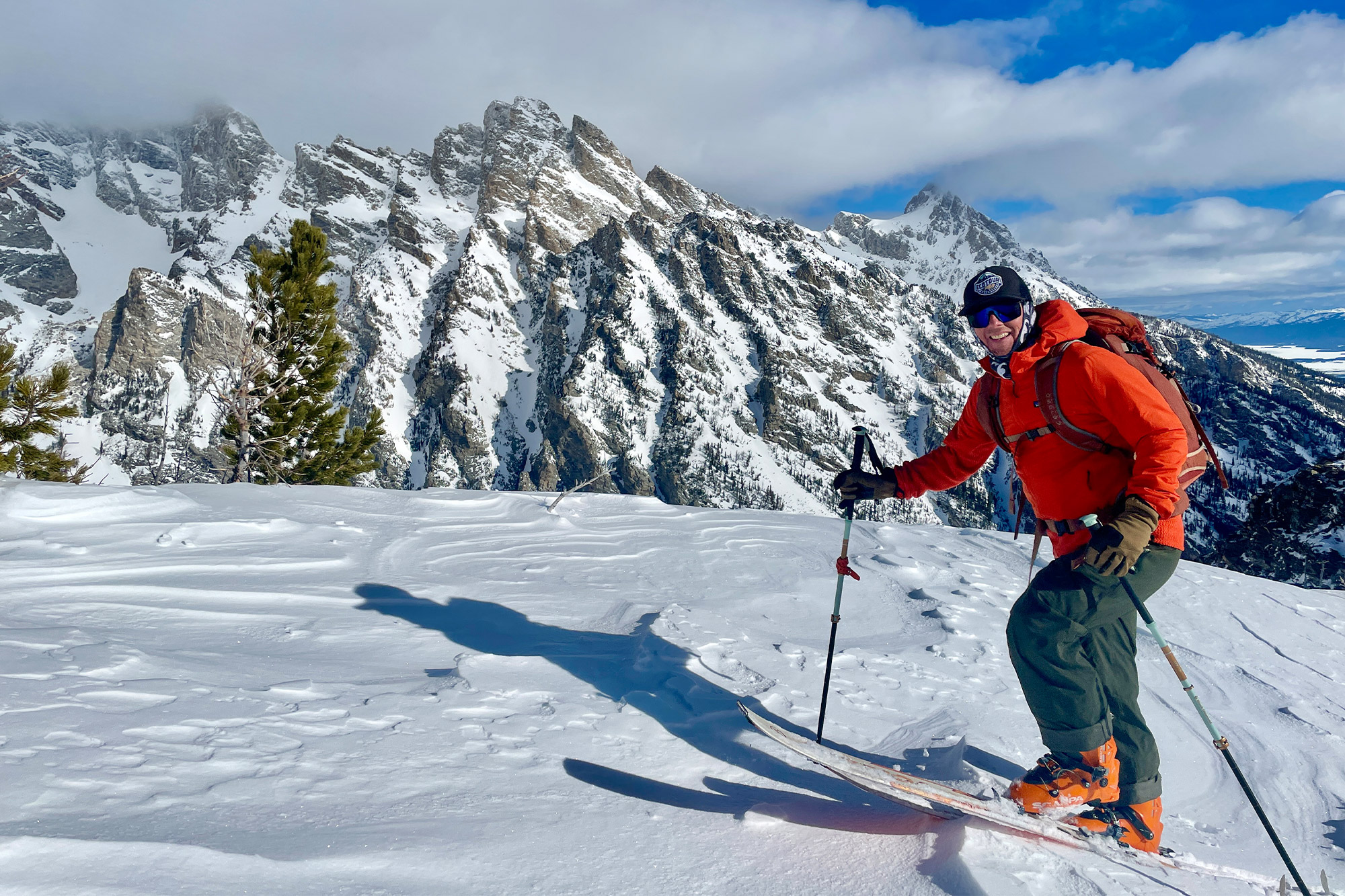
The Maestrale moves the most naturally on the skin track. Its stride feels relaxed and efficient, and on big vert days in the Tetons, it was the version I reached for most often. The RS climbs well too, though its denser liner and firmer cuff make it feel slightly more structured with a touch less freedom at the top of each step.
Range-of-Motion Comparison
Both boots offer a better range of motion than heavier freeride-touring models in the 1,500-2,000g range, which makes long approaches noticeably smoother. You’ll still feel a difference between the RS and the most uphill-oriented boots in the sub-1,300g category. Lighter options such as the Dynafit TLT X, Atomic Backland, or Scarpa F1 LT have a more open stride on long, low-angle climbs.
Ski–Walk Mechanism
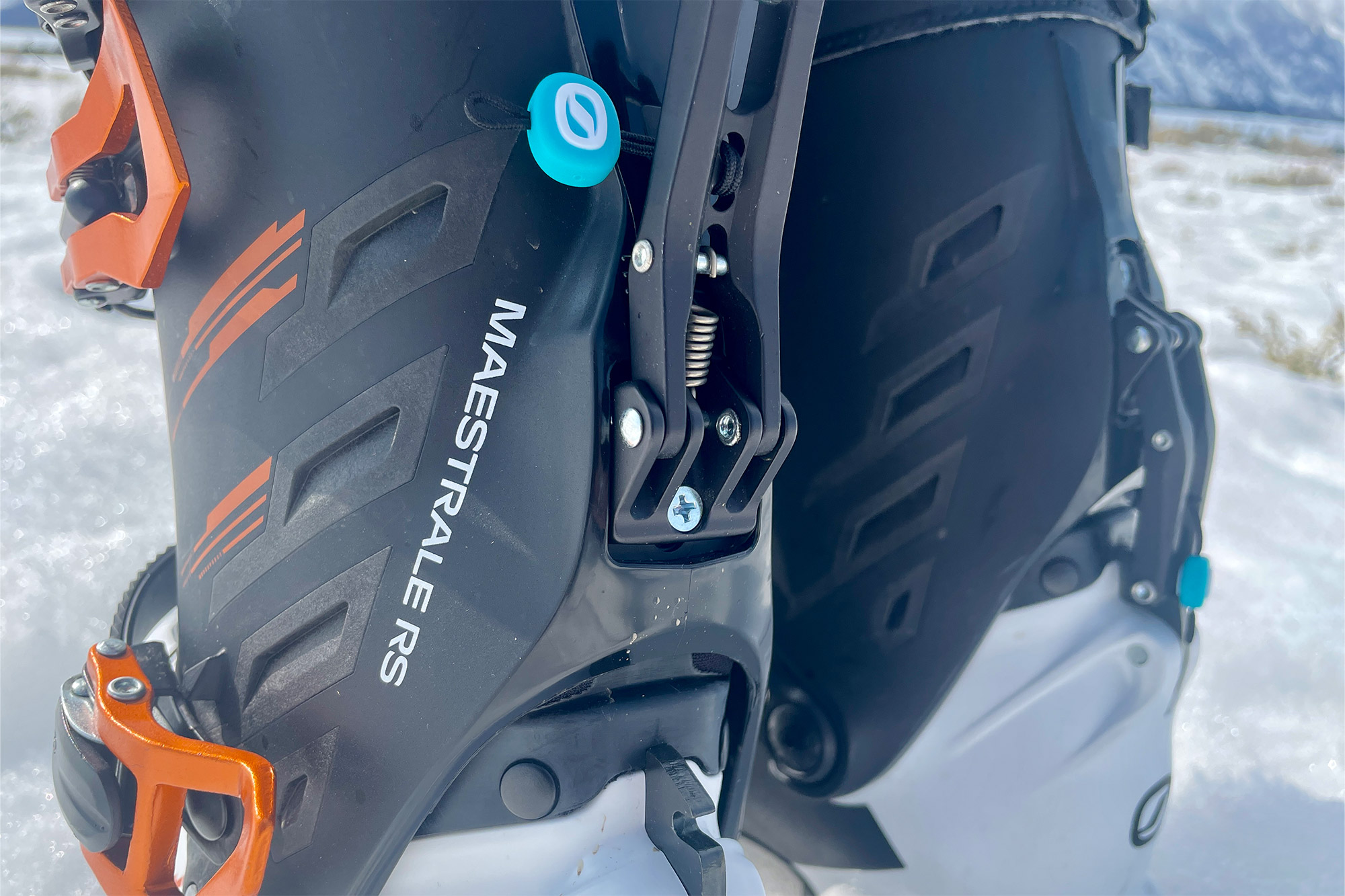
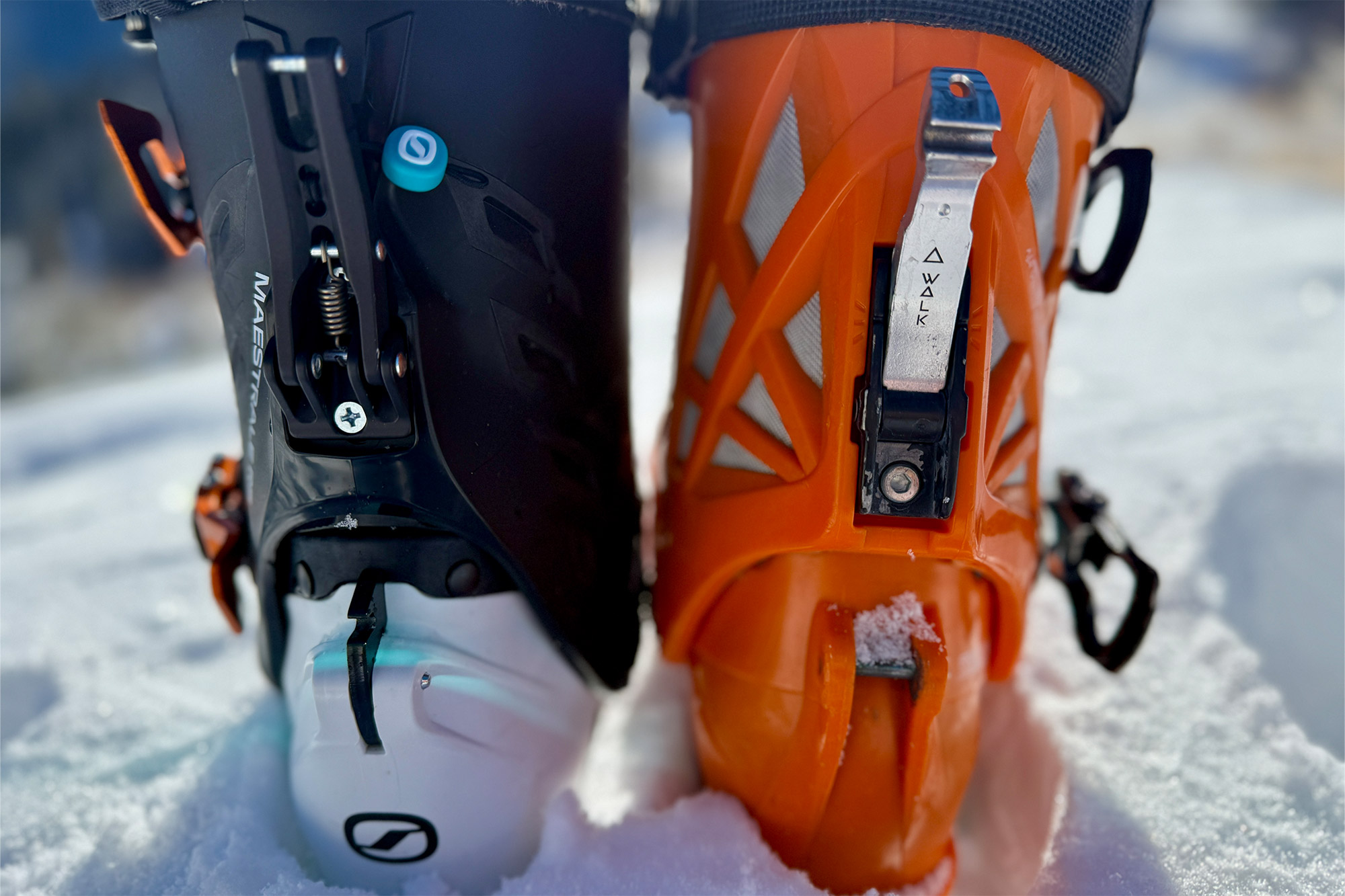
The latest ski–walk mechanism is one of the most meaningful upgrades in this redesign. The lever engages cleanly, resists icing better than past versions, and feels more robust when switched into ski mode. The large pull tab is easy to grab with gloves, and even on storm days, I never struggled to switch modes.
It’s a simple system, but a clear improvement for both versions of the boot. You still need to clear out ice and snow, or it may not click in on the first try. However, I still found this to be less of an issue than in previous iterations.
Downhill Performance
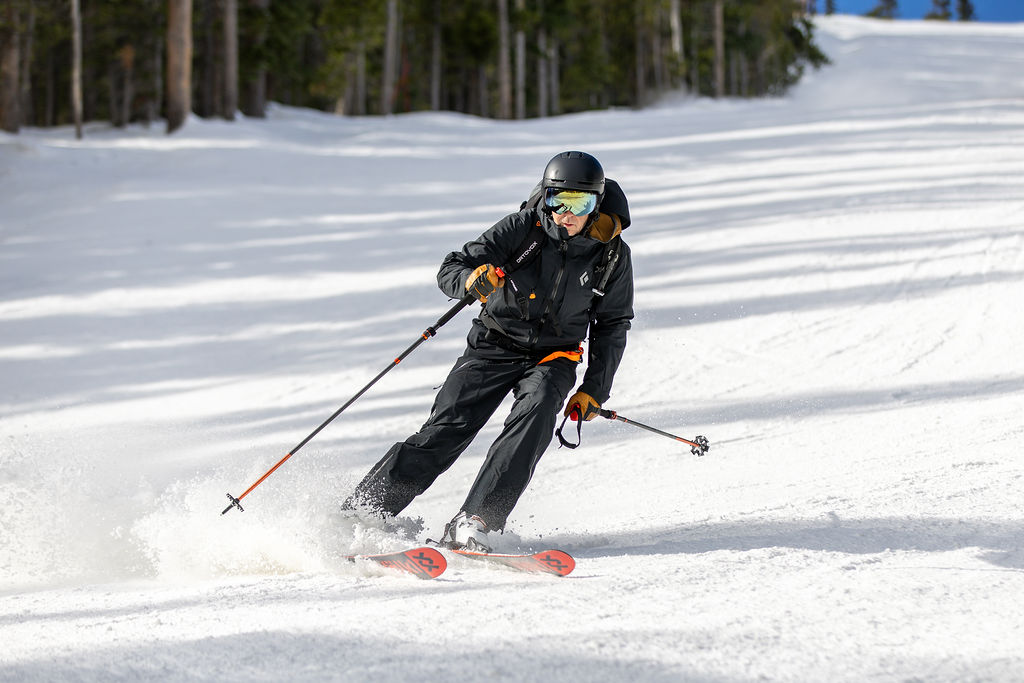
This is where the two boots separate more clearly. The standard Maestrale’s 110 flex is stronger than expected. The updated cuff and tongue provide a smooth shin feel and consistent support, making it a great match for mid-to-fat touring skis. I’ve skied multiple iterations of the Maestrales in real terrain from Mount Elbert’s Box Creek Couloirs and the Teton’s Turkey Shoots, and never felt underpowered.
In fact, I always felt composed and in control, but I’m also an experienced skier who has spent the past 15 years skiing largely in backcountry boots, even at the resort. Thus, I’m accustomed to navigating intimidating terrain in lighter boots that flex way more than typical resort boots.
The Maestrale RS, which has a 125 flex, adds a noticeable step up in authority. The added stiffness from the reinforced cuff translates to improved edge hold and stability at speed, especially in firm or variable snow conditions. When driving wider skis or skiing steep, exposed terrain, the RS felt more planted and more confidence-inspiring.
If you spend a lot of time at the resort, stiffer hybrid touring boots are available. But given how well the Maestrale and RS both climb, their downhill strength is impressive. You sacrifice far less power than expected, and in backcountry snow, including wind buff, breakable crust, and soft pockets, both boots feel much closer to heavier freeride options than their weight suggests.
Comfort, Fit, and Warmth
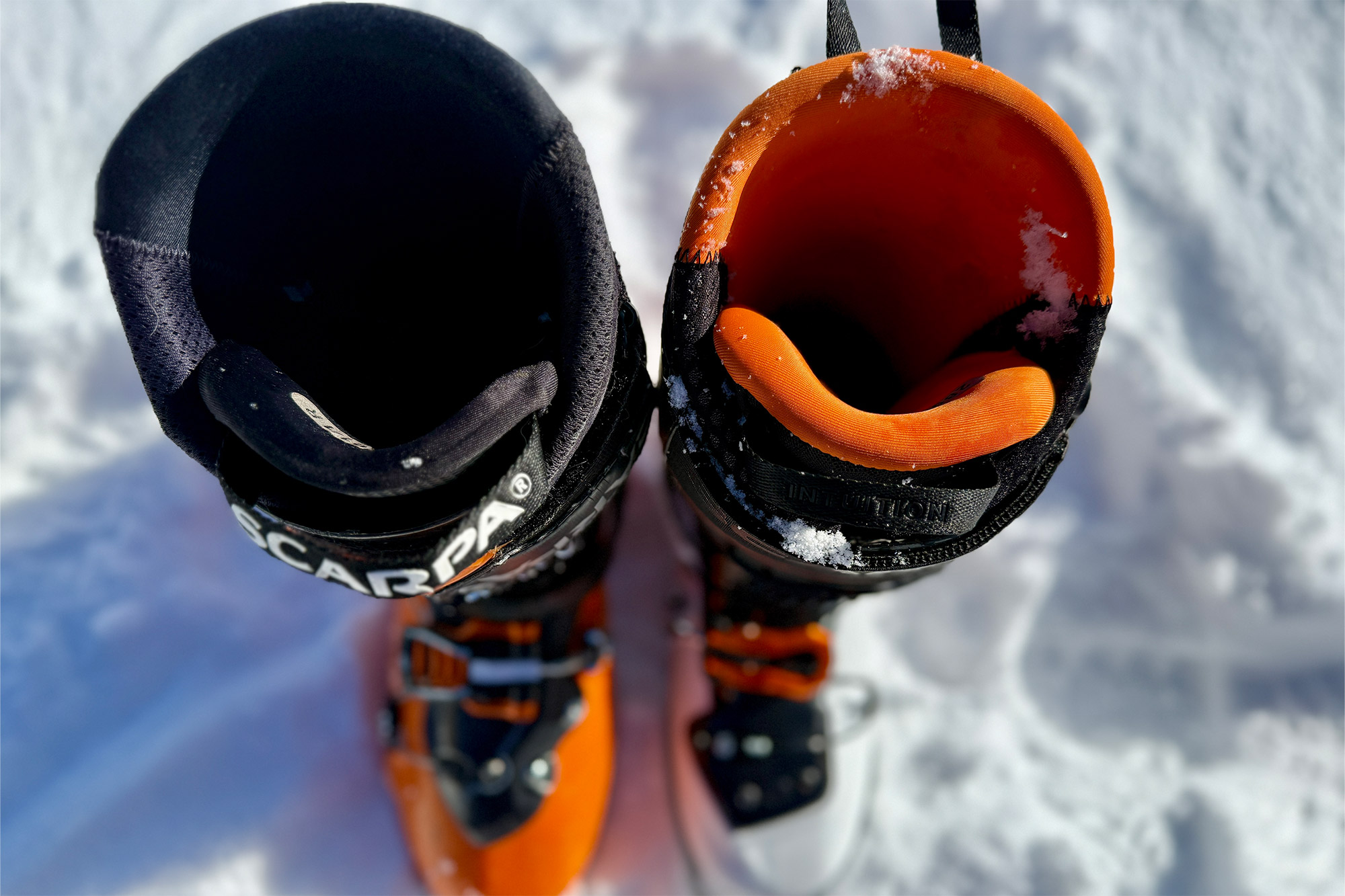
This redesign delivers a noticeably better fit. Both boots share the same 102mm last (1 mm wider than the previous version) with a more open toe box and improved instep shape. The Maestrale RS sits on the higher-volume end of the touring spectrum, particularly across the midfoot and instep.
Skiers with wide or tall feet may find an excellent match with minimal shell work. The standard Maestrale has a slightly softer upper cuff and feels more forgiving on long climbs.
Both run warm. The Intuition liners trap heat exceptionally well, and the more open toe box improves circulation. During long pauses in subzero temperatures, both models kept my feet comfortable. The RS is the warmest of the two due to the denser liner.
Weight
The Maestrale and Maestrale RS land in a practical middle zone for touring boots. The size 27 Maestrale RS weighs 1,470 g per boot (3 pounds, 3.8 ounces), and the standard Maestrale comes in at 1,400 g per boot (3 pounds, 1.4 ounces). That small difference was noticeable to me on long climbs.
Both sit lighter than hybrid boots, such as the Scarpa 4-Quattro XT or Dynafit Tigard, but heavier than uphill-focused options like the Dynafit TLT X or Scarpa F1 LT. That positioning is intentional. The Maestrale favors all-day comfort and smooth efficiency. The RS adds weight where it matters for stability and power.
Neither boot is trying to be the lightest on the market, and that’s why they work so well. They strike a balance between uphill ease and downhill confidence that many boots in this category struggle to hit.
Room for Improvement
The walk mechanism is reliable, but in deep winter conditions, it occasionally requires a tap of the pole or a quick scrape to fully engage. The previous iteration had far more issues with icing and incomplete engagement. While these updated versions are noticeably better, it can still happen on cold, high-moisture days. It’s not a consistent problem, but worth keeping an eye on during storms or when rime starts to build.
Range of motion is better than previous generations, but still not as open or friction-free as the lightest touring boots. On long, low-angle climbs, I occasionally wanted a touch more freedom.
Scarpa Maestrale vs. Scarpa Maestrale RS Comparison
| Feature | Maestrale | Maestrale RS |
|---|---|---|
| Price | $799 | $899 |
| Flex | 110 | 125 |
| Weight (per boot, size 27) | 1,400 g | 1,470 g |
| Last | 102 mm | 102 mm |
| Liner | Intuition Pro Flex Tour | Intuition Pro Flex Performance |
| Fit Feel | More forgiving flex with a comfortable, all-day feel. |
Firmer, more precise feel with added stiffness and edge power. |
| Best For | Long tours, everyday backcountry skiing, and skiers who value comfort and efficiency. | Wider skis, steeper lines, and skiers who want extra power on the descent. |
Which Boot Is Right for You?
The Scarpa Maestrale is ideal for skiers who want one boot to do almost everything. It prioritizes comfort, warmth, and efficiency on long climbs, with a forgiving flex that works well for everyday backcountry skiing, long tours, and technical terrain without feeling overly demanding.
The Maestrale RS is the better choice for skiers who want more power on the descent. With added stiffness and torsional support, it shines with wider skis, steeper lines, and higher-speed skiing, while still touring efficiently enough for big backcountry days.
Both boots remain standout options for skiers who value reliability, balance, and real-world backcountry performance — the choice comes down to how much downhill muscle you want layered onto the same proven platform.
Read the full article here
