





The 800-mile Arizona Trail (AZT) is a premier thru-hike. It’s one of only 11 specially designated National Scenic Trails, and hundreds of people complete it every year. Now, however, it will be obstructed, and hikers will be unable to traverse its entire length.
Recent border wall construction has blocked access to the final mile of the Arizona Trail (AZT). This is the most recent example in a long-running trend of efforts to increase border security and limit public lands access.
What’s Happening
Like all thru-hikes, the start and end of the AZT has dedicated termini. Typically, hikers will take the opportunity for a photo-op there and celebrate finishing or starting their hike.
For the Arizona Trail, it’s Border Wall Monument 102. This shiny, steel obelisk is on National Park Service (NPS) land within Coronado National Memorial. It demarcates the U.S.-Mexico border and the trail’s southern terminus.
Hikers have faced issues accessing the terminus since 2020. According to Arizona Trail Association (ATA) Executive Director Matthew Nelson, in late 2020, the Trump Administration began building a wall near the monument, temporarily blocking hiker access.
“We saw the construction of 420 feet of border wall right at the southern terminus. And this connects to nothing on either side, so it was what they call an “orphan wall,” Nelson told GearJunkie. Then, in Nov. 2025, the administration put up barbed wire near the monument. The ATA urged hikers not to risk crossing the wire for a photo with the monument.
At the time, the ATA warned that border wall construction could require additional closures and affect the trail. That time has now come. On April 13, the organization announced that the trail would be closed from the monument to Joe’s Canyon Trail junction at mile one.
“Current plans include construction of two 30-foot-tall steel barriers, with a 150-foot-wide road in between them. Visitors are warned not to hike on the AZT (Yaqui Ridge Trail) south of Joe’s Canyon until the closure is rescinded,” it stated in a press release.
Building the Wall, Closing the Trail
This closure comes on the heels of major blasting for the wall. That began near parts of Coronado National Memorial in December.
According to Customs and Border Protection’s (CBP) website, this area is currently under construction for the “Smart Wall, which includes a combination of primary and secondary steel bollard wall, waterborne barriers, patrol roads, and the technology required to tie it all together, such as cameras, lights, and other detection technology,” the agency said.
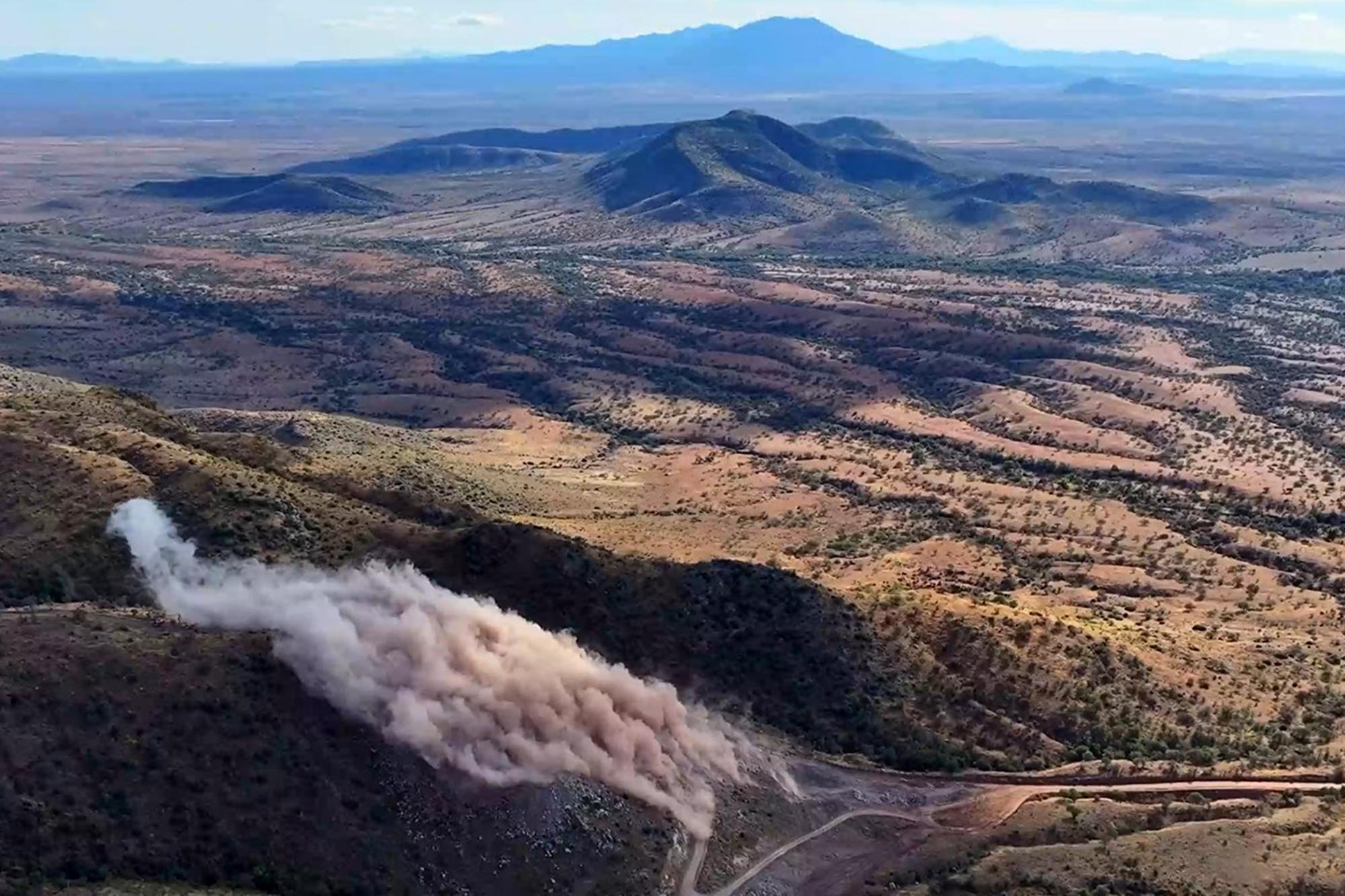
In response, the ATA announced that it is working with the NPS to establish a new southern terminus at Coronado Peak, just south of Montezuma Pass, located in Coronado National Memorial.
“This location has outstanding views of the San Rafael Valley, is far away from construction activities and border wall impacts, and is the exact location where Dale Shewalter (‘The Father of the Arizona Trail’) first had a vision for the Arizona Trail in the 1970s,” the ATA explained.
Depending on the route taken, this new terminus would be about 1.5 miles north of the current terminus at Border Wall Monument 102. Nelson expects the new terminus to open sometime this summer.
Beyond the AZT
GearJunkie reached out to CBP via email about the situation near the terminus.
“CBP’s Smart Wall project located near the Arizona National Scenic Trail is estimated for completion in late 2027. It is not CBP’s intention to prevent use of the Arizona National Scenic Trail upon completion of the barrier. During construction, due to safety concerns, CBP may need to limit access for short periods. However, as CBP does with all projects, it will coordinate with impacted stakeholders,” a spokesperson responded.
When asked why the ATA decided to move the terminus, Nelson explained that if it’s behind two border walls, hikers obviously won’t be able to access it. On both the Pacific Crest Trail (PCT) and the Continental Divide Trail (CDT), the Department of Defense has declared the areas around the termini as border National Defense Areas and under Army control. To access these areas, hikers would have to file for permits, pass a background check, and be U.S. citizens.
It’s been a longstanding tradition for hikers to touch the border wall before embarking on the PCT. However, that practice is now banned. At this time, three of the country’s 11 National Scenic Trails have faced disruptions and/or closures due to border wall construction.
With parts of AZT soon to become potential National Defense Areas, Nelson believes just moving it away from this militarized zone is the better option.
“We’re trying to figure out, ‘Okay, how do we build something that meets all the necessities for a southern terminus?’” Nelson explained. “And the general consensus is we have to stay away from this border zone because of construction, because of threats to public safety, because of impacts to scenery.”
Impacts to Wildlife
Nelson is also extremely concerned with the border wall’s potential to harm wildlife. That includes black bears, mountain lions, and jaguars. Many other groups, including the National Parks Conservation Association, have objected to border wall construction in other parts of Arizona on similar grounds.
“Incredibly diverse wildlife has been passing back and forth through the valleys and through these mountain ranges forever. And so by building a wall here, it will isolate species. I think that we will see a loss in species diversity and richness. And I think that’s a vital part of the Arizona Trail experience, so that’s the part that I think is the most sad,” he explained.
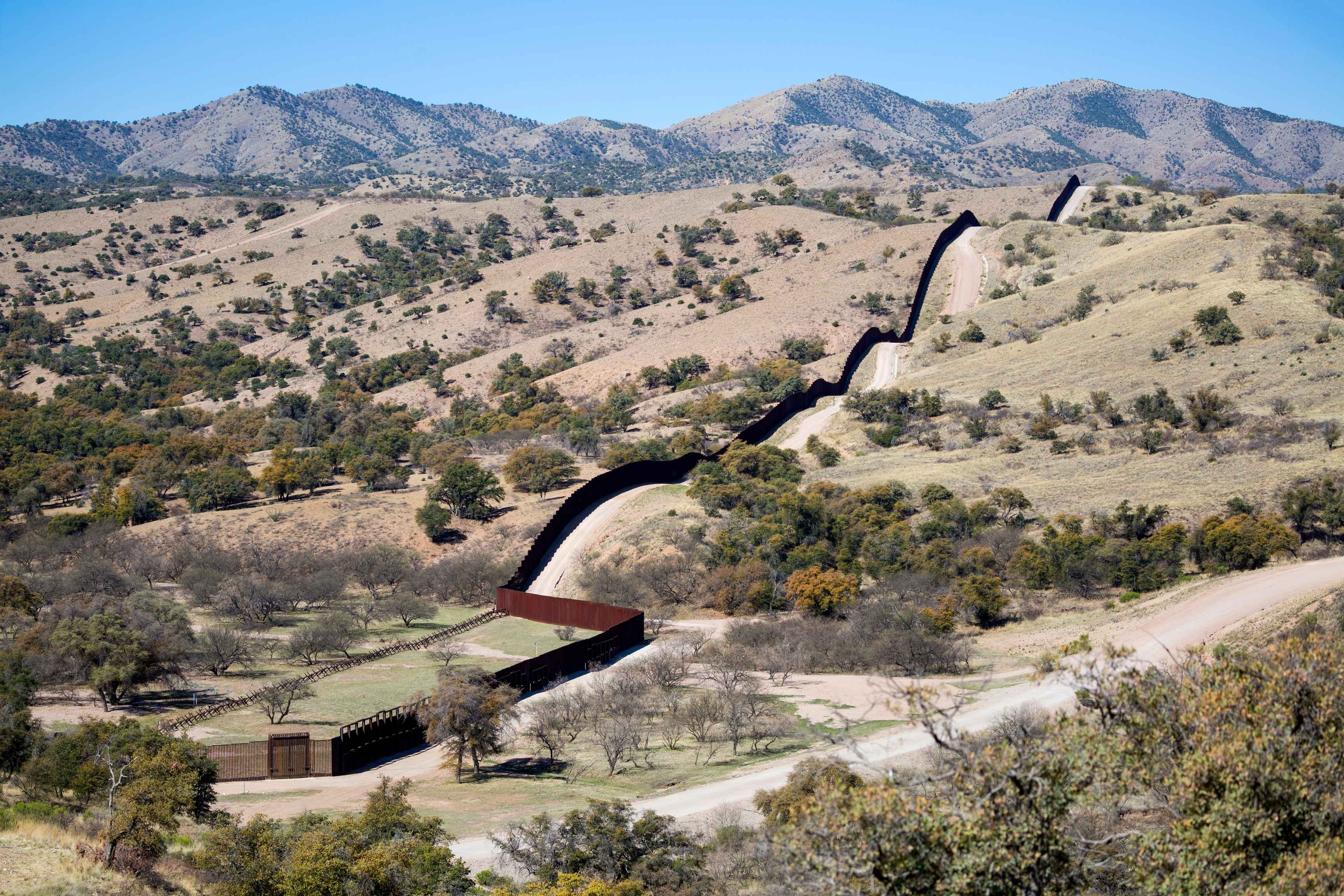
In efforts to speed up construction, the Department of Homeland Security (DHS) waived 41 environmental, historic preservation, and Native American protection laws.
Throughout the changes to the border wall, Nelson said the ATA has received no communication from CBP or DHS. It has only learned of closures and access issues from the NPS.
In Nelson’s eyes, these construction projects have far greater effects than just blocking thru-hikers. “The impacts are significant, and if they’re not forever, then they’re long-lasting. This wall will be here for a very long time and it will impact the trail user experience, It will impact the landscape the views, all of it … I think the fact that all these environmental laws that have been put into place to protect our resources as Americans, the fact that these are all being waived, it is legal, but it is incredibly unfortunate.”
Read the full article here
