



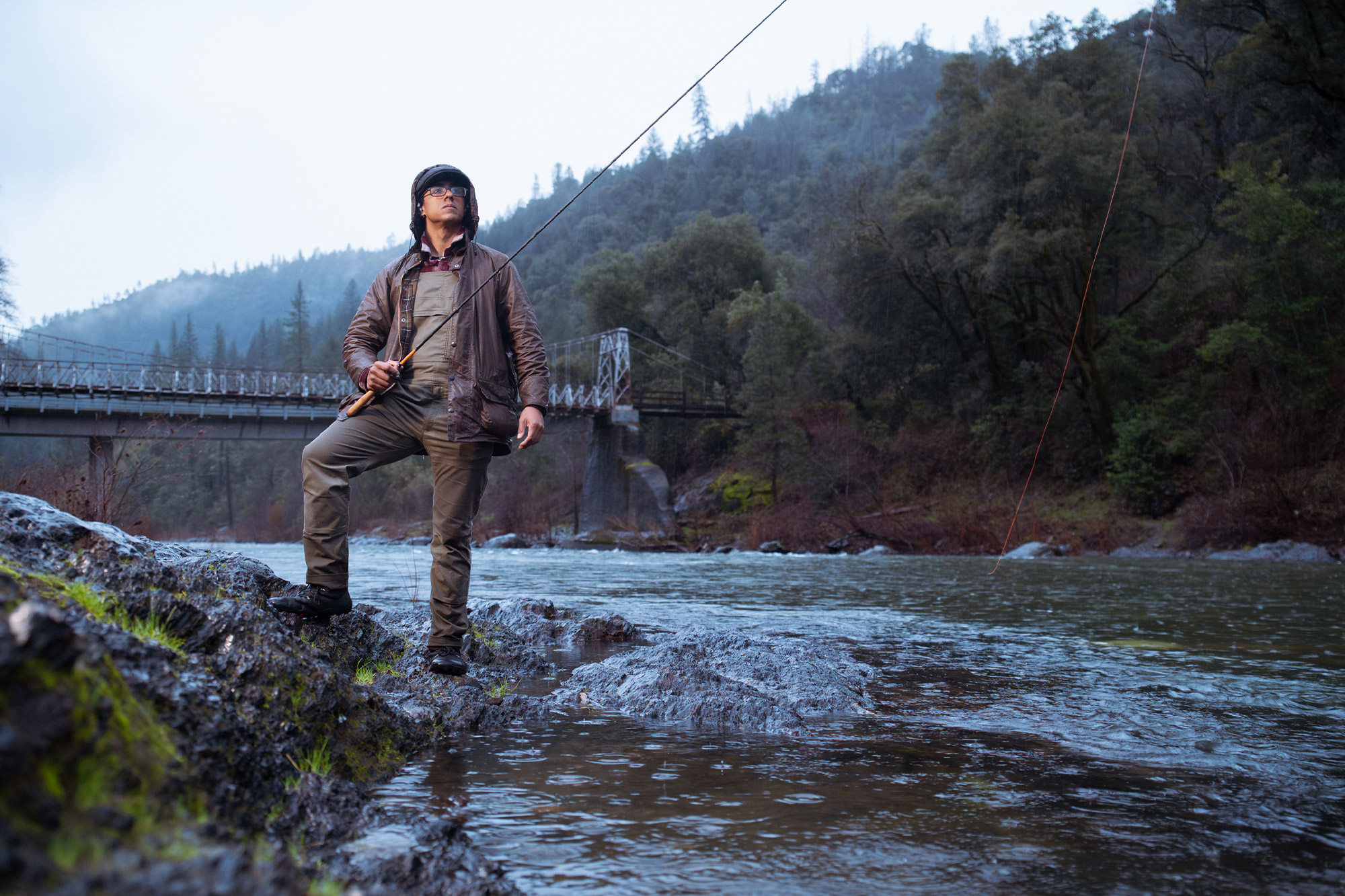

In the U.S., when you think of waxed cotton jackets, you probably think of Filson — almost everywhere else, though, it’s Barbour. Among the first, and undoubtedly the oldest operating waxed jacket manufacturers, Barbour has over 130 years of history behind its products.
Few Barbour jackets carry that heritage quite as strongly as the Beaufort. Few waxed jackets are as versatile, built for layering, and functional for a wide gamut of outdoor activities.
Mine may not have the decades of wear that plenty of Beauforts still in action today can claim, but over the last several months, I’ve put one through its paces. With more competition in the world of waxed cotton than ever, I wanted to see if Barbour’s genteel prices and styling stood up to its reputation.
The Beaufort Jacket did not disappoint.
In short: The Barbour Beaufort Jacket ($435) is a waxed cotton rain jacket with a corduroy collar and moleskin-lined pockets. It has thoughtful features that far outstrip most of the competition and stack up to the jacket’s reputation as a fantastically versatile, high-performing piece. With the brand’s care program and quality of construction, it should last for decades of use if cared for.
Check out GearJunkie’s guide to the Best Rain Jackets.
Outer construction
6 oz. waxed cotton
Finishes
Sylkoil or thornproof
Pockets
Two waist, one game, two hand-warmers, and one hidden chest
Hood
Wire-reinforced and tartan-lined
Sleeves
¾ lined, with Velcro storm cuffs
Zippers
Extra large, custom YKK
Accessories
Hood and insulated vest-style liners
Pros
- Durable
- Well-constructed
- Light enough to layer
- High mobility
- Considerable storage
- Backed by a repair and alterations program
- Wire-reinforced hood
- Soft corduroy collar
- Excellent hardware
Cons
- Expensive
- Limited liner options
- Velcro storm cuffs instead of elastic
- Baggy fit may be more hit or miss
- No exact women’s equivalent
Barbour Beaufort Wax Jacket Review
The Tester and the Grounds

You might call me something of a waxed jacket aficionado. I’ve used, restored, and rewaxed several waxed jackets from Filson, Huckberry, and Outback Trading Company. Among my favorite jackets is a self-waxed 1943 Army chore coat.
I’ve got a good use case for them. I live in the mountains of the third-wettest county in California. I visit Illinois during its coldest seasons. I’m a wildland firefighter who does controlled burns during the rainy season.
Most rainwear doesn’t fare well in forests full of flying embers and 20-foot flames. Anything ultralight will be ultra full of holes with a quickness. Waxed cotton keeps on going.
Fire aside, I do photography outdoors in all conditions. I’m a big canoer, angler, and cyclist. Waxed cotton’s combination of longevity (with proper care and rewaxing), abrasion resistance, water resistance, and layering versatility lends itself well to almost everything I do outdoors — save for bikepacking, backpacking, and running, where weight takes priority.
Beaufort Breakdown
Barbour’s 6-ounce waxed cotton is thoroughly impregnated with wax by hot rollers. It’s light enough to be useful as a shell in three- and four-season conditions, depending on where you live. Most of the seams are oriented downward, like shingles, to shed water, and there are no seams running along the top of the shoulder.
Like most Barbour jackets, the Beaufort offers storm cuffs that prevent water from seeping through the zippers and pockets, except for the vertically oriented hand-warmer pockets, which are protected by flaps.

What sets this waxed jacket apart is its length and storage. For most people, a properly sized Beaufort will come down to the lower butt/upper thigh area. It’s long enough to protect any other upper body layers beneath it.
Being a field jacket, it also has a relatively baggy cut, prioritizing mobility and layerability. The Beaufort is meant to never feel tight, even with puffers, suits, and hoodies beneath it. Coming from a hunting heritage, it also offers plenty of storage, with a rear dual-entry game pocket that’s so massive that I was able to fit five tallboy Nalgenes vertically with space left over.
Features Galore
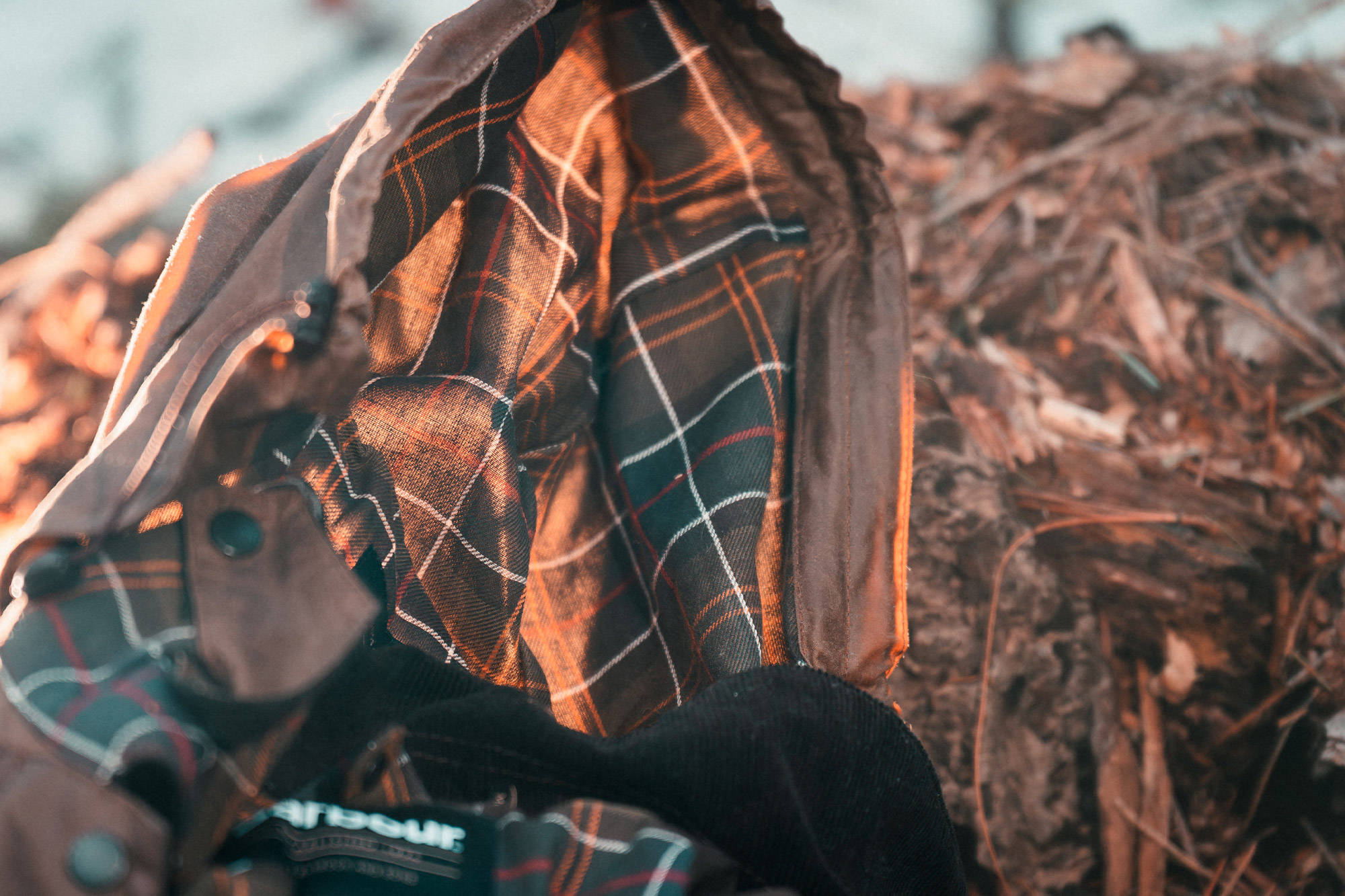
The Beaufort is replete with fine execution, starting with the corduroy-lined collar. Waxed cotton isn’t comfortable on your neck. Barbour’s corduroy collar, however, is soft, supple, and warm. For extra protection, it also features a storm flap for securing it, erect, against your neck.
The Beaufort’s chest pocket is slick, allowing you to stow and access items like phones without unzipping the jacket. The storm flap protecting it also prevents water from soaking through the zipper.
The zipper itself is an oversized, custom YKK, double zip. It’s massive, smooth as butter, and seemingly impervious to sticking or jamming. It’s also easy to operate with gloves, and it can be unzipped from the top and bottom.
Famously, the custom zip slider doubles as a bottle opener. It’s far from the best beer de-locker in that regard. Some may even find it slightly gaudy. Personally, I find a certain punk appeal in cracking an Irish stout with the breast of a jacket so associated with the English gentry.
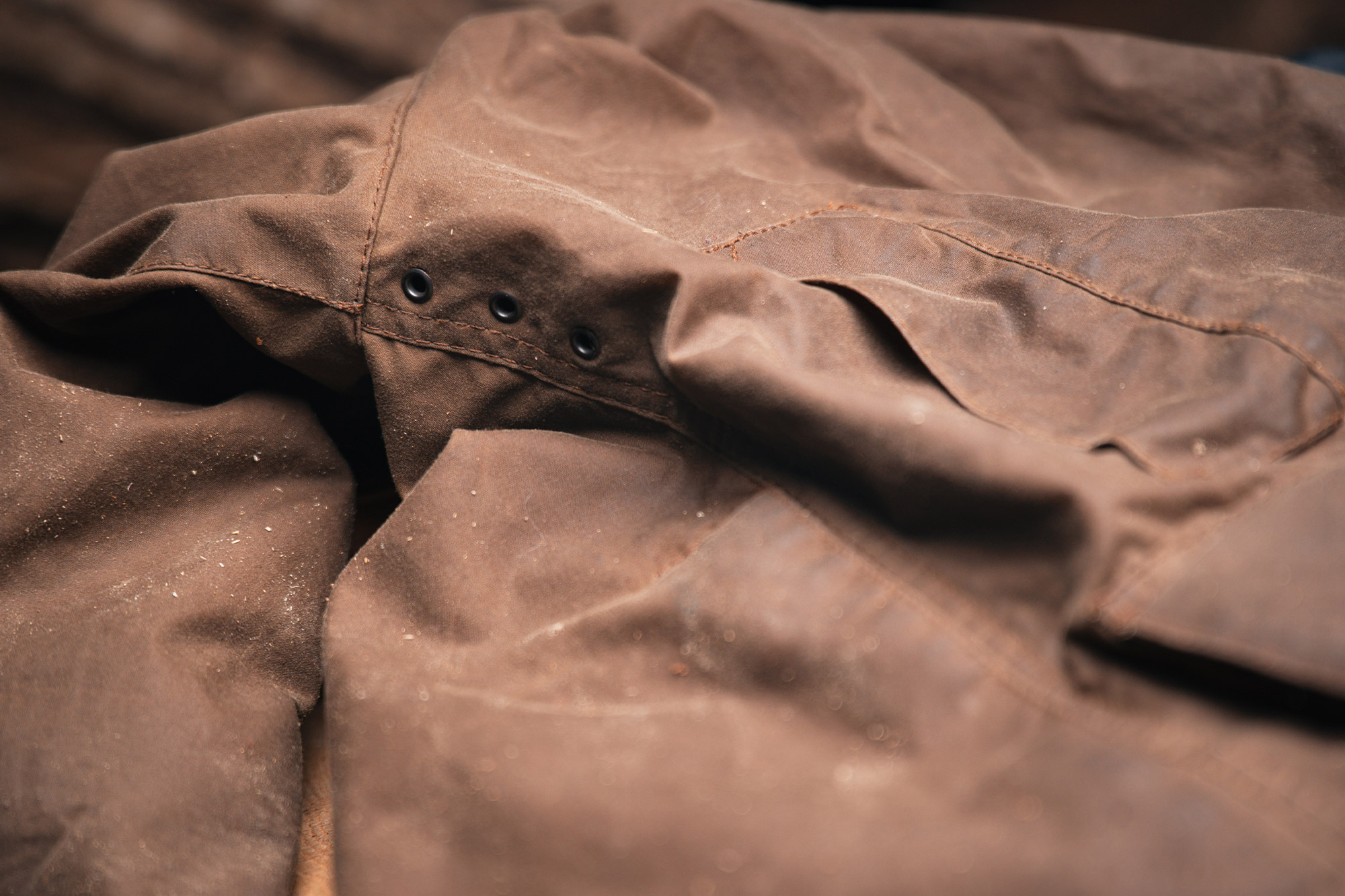
Barbour’s snaps start black and wear over the years to reveal a copper color beneath. At the armpits are three ventilation holes, matching the two drainage holes on the underside of the front dump pockets.
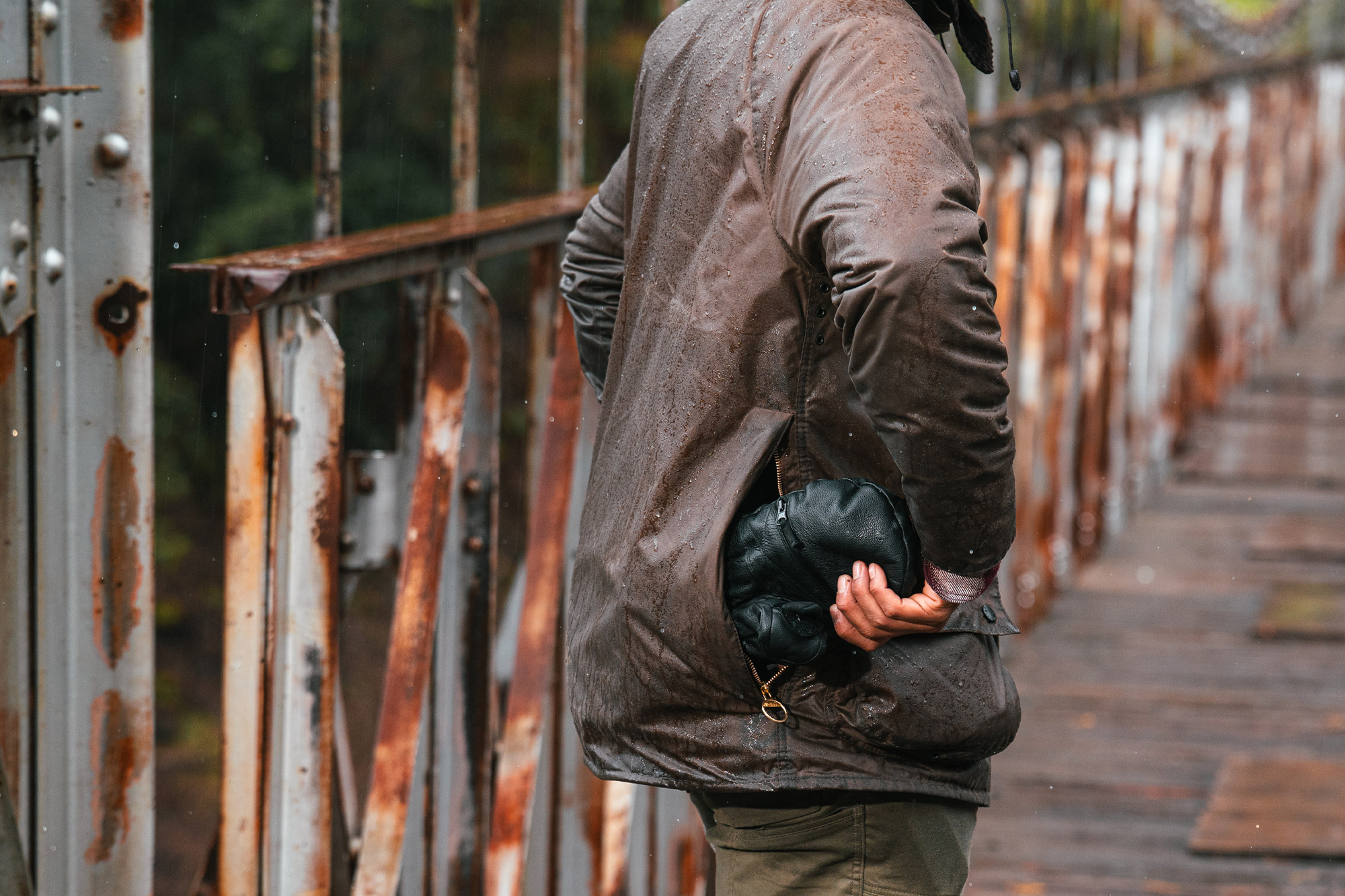
Unlike some waxed jackets, all of the Beaufort’s pockets are protected from the rain. The frontal dump pockets have protective flaps. The rear game pocket has recessed vertical zippers. The moleskin-lined handwarmer pockets leverage a nearly vertical entry to prevent water intrusion.
Construction

Like most Barbours, the Beaufort is made with 6-ounce waxed cotton. Compared to the 10-14–ounce canvas of your Filsons and Outbacks, Barbour’s fabric is less rugged, but lighter, more breathable, and easier to layer, while still cutting wind fantastically.
The stitchwork is beautiful. There are no permeable seams along the shoulder line. Instead, they are shifted to the chest and back, and rolled downward to shed water. On the inside, they’re beautifully finished and bound.
All the stress points of the pockets are reinforced. The pockets are also purpose-lined. The frontal dump pocket and hidden pocket get Barbour’s iconic cotton tartan, matching the inside. The handwarmer pockets feature a soft, warm moleskin lining. The rear game pocket — the most likely to carry a dead pheasant, dirty spent shells, or a wet umbrella — gets easy-to-clean and water-resistant polyester.
The Beaufort is lined with Barbour’s iconic tartan. However, near the wrist, the tartan gives way to polyester, which ends in a Velcro cuff. On the inside of this cuff is the one place where a plastic liner is exposed.
It seems that this liner likely extends throughout the jacket, between the tartan and cotton. Although unconfirmed by Barbour, the word on the grapevine among Barbour aficionado communities is that this seems to be a recent addition to U.S.-bound jackets to comply with PFAS restrictions.
Accessories & Options
Bar none, Barbours have my favorite hood. It has the de rigueur drawstring and matching tartan lining. What sets it apart is the wire sewn into the opening. This reinforces the hood, allows it to be shaped to your head or any hat you might be wearing, and makes it harder for a stiff wind to blow it off.
Unfortunately, it is sold separately as an accessory. I occasionally wish it had a small visor or brim on the hood, for extra protection. And sometimes a snap will come undone when I tug the hood. Even so, it remains my favorite and most secure hood, pairs perfectly with a flat cap, and stows so well in the game pocket that I forget it’s there.
Barbour occasionally collaborates to make limited-edition liners, but it has two standbys in several colors: The moderate, tartan inner “Quilted liner” and the more cold-weather–dedicated, fleece-and-quilt “Polarquilt Liner.”
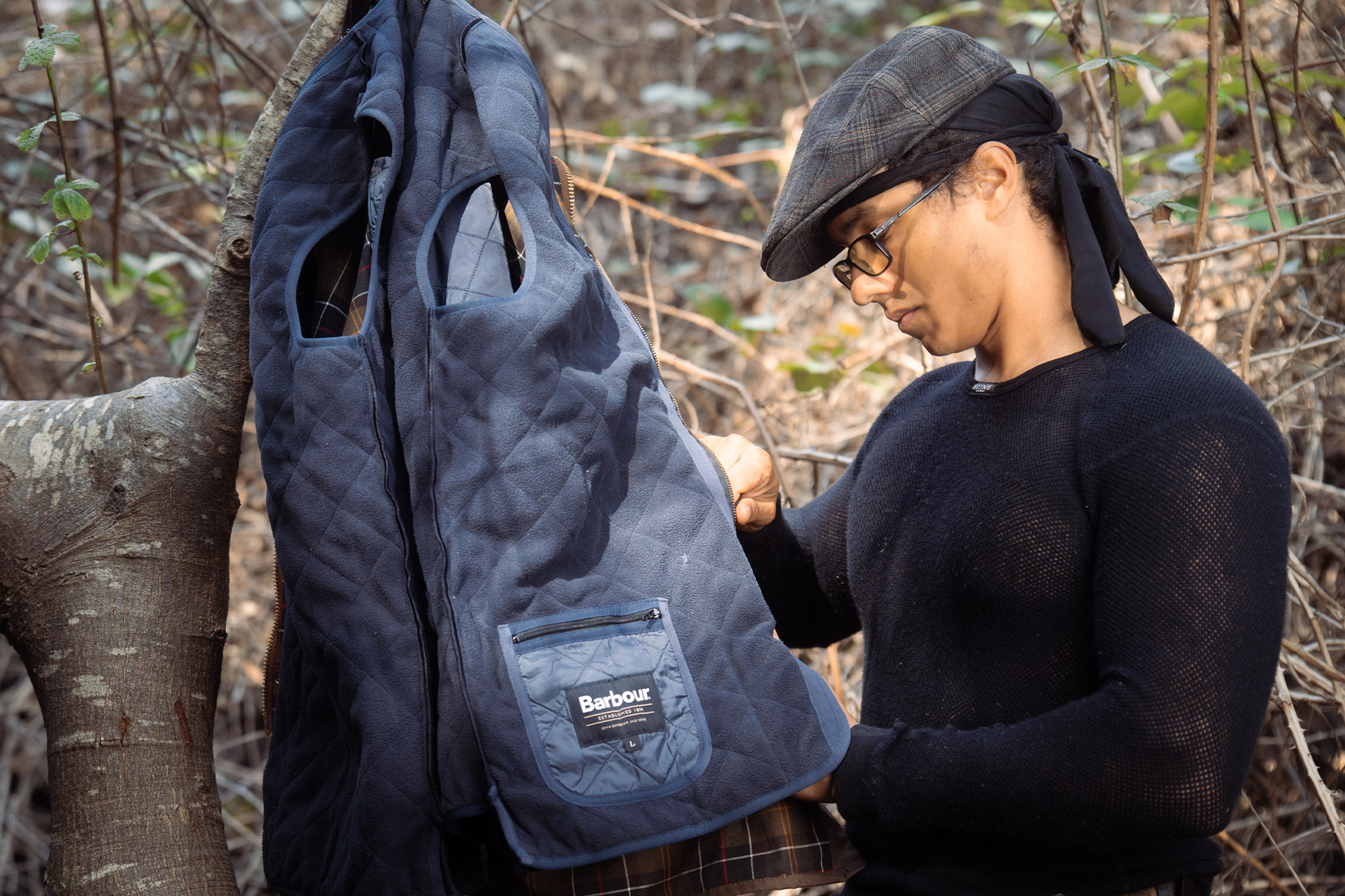
The liners also work as a standalone vest, but they’re cut to fit perfectly in their respective jackets. For the Beaufort, this means a very boxy cut — enough so that for the odd occasion that I feel like wearing it alone, I’m adding a cinch strap to the back of the waist.
One accessory Barbour doesn’t offer — though I may be a minority of one in wanting this — is a way to beef up the collar’s insulation. In comparison, another favorite waxed coat of mine, Outback Trading Company’s Oilskin Duster, can be paired with a shearling liner that extends up to the collar, allowing you to substantially beef up the insulation around your neck in frigid conditions.
Understanding Options and Fit

The Beaufort is longer than a standard jacket, such as its flagship Bedale, but shorter than a more formal length coat, such as its Border and Car coats. It’s geared for relatively extensive protection without sacrificing layerability and mobility.
There are waxed jackets that offer better arm mobility through back gussets. Tom Beckbe’s Tensaw is one notable example. It’s a bit more expensive and doesn’t have a hood. However, it offers a similar pocket layout (sans game pocket) and maintains a more tailored fit.
However, the Beaufort remains king in layering versatility and pocket space. I’ve worn mine with T-shirts, hoodies, three-piece suits, and everything in between. It just works. It’s still often a bit baggy, but I can easily have a waist cinch added. That said, for those looking for a shorter and more fitted offering, Barbour’s Ashby will likely hit the nail on the head.
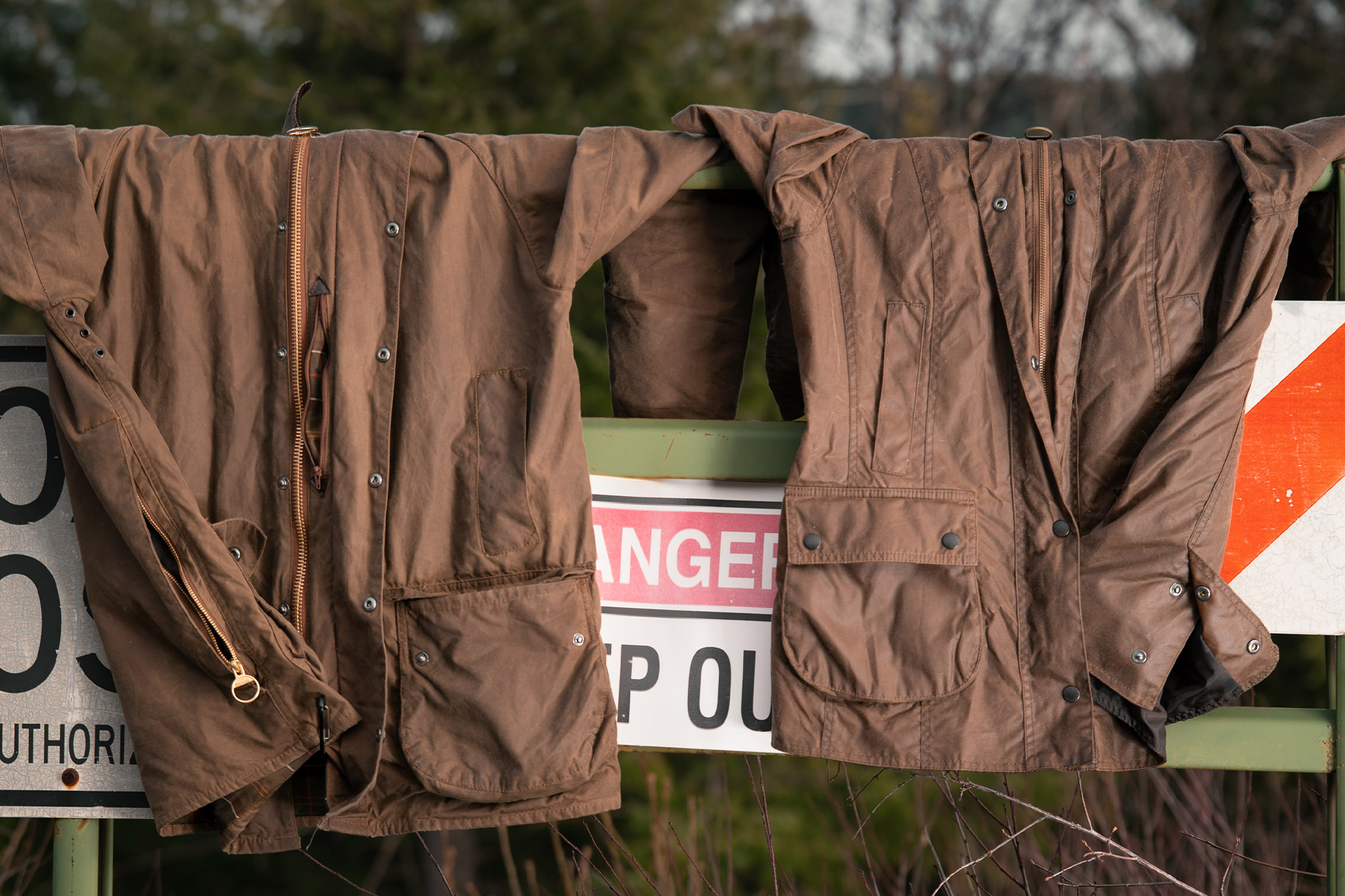
Sadly, for those who’d prefer a more classically feminine silhouette, while Barbour offers many women’s waxed jackets, it doesn’t have an exact Beaufort equivalent. Its women’s flagship, the Beadnell, though shorter and based more on the Bedale, has a narrower waist, which gives it a longer look.
After months of testing it alongside the Beaufort, my partner found it to have comparable performance, with a few caveats. She has broad shoulders but a lithe build, and a tendency to run cold (making a sweater a necessity on most Barbour-worthy days). We found it necessary to size up to fit the shoulders. However, this left the midsection a bit too roomy for a slender frame.
Likewise, we noticed that, unlike the Beaufort, the zippers were smaller and not YKK. The chest pocket isn’t similarly accessible when the jacket is zipped. Lastly, the jacket was made in Moldova, not England.
A Tale of Two Finishes
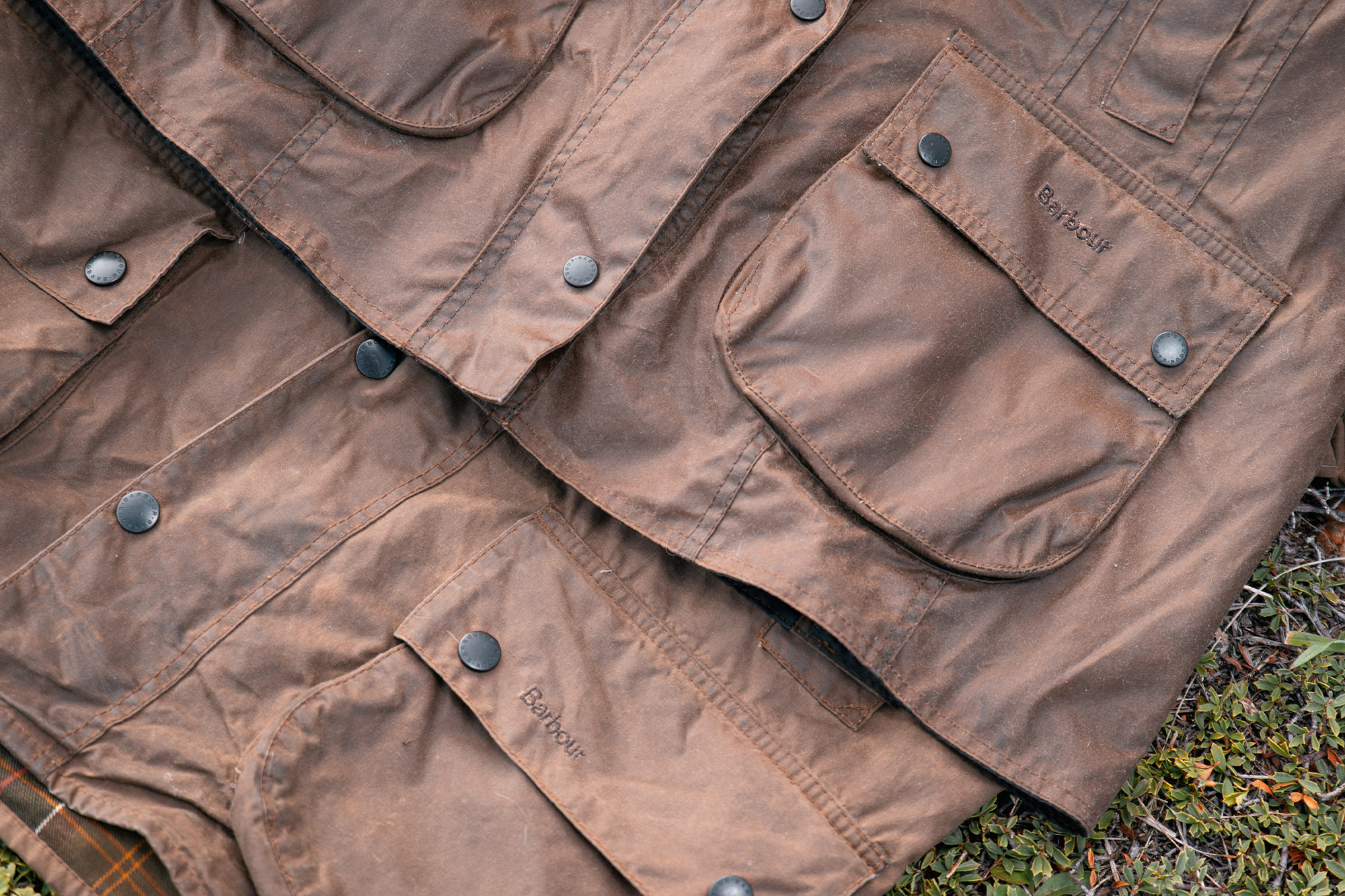
The most impactful choice when picking a Beaufort is between the two finishes pictured above: the Beaufort’s thornproof finish and the Classic Beaufort’s sylkoil.
Thornproof features a smoother cotton surface that is more heavily impregnated with wax. It snags less on spikey vegetation and typically stays dry longer.
The sylkoil is rougher and less waxy. It’s the suede to the thornproof’s leather. It’s the same weight canvas, but it wets out faster than the thornproof. The upside: It has less of an oily sheen and is less likely to leave wax residue on other surfaces.
Over the long haul, the finish will depend more on maintenance. Go long periods between rewaxing, and the thornproof will lose wax in places and patina. On the other hand, a sylkoil coating that gets rewaxed with a heavy hand every year or two is likely to have a glossier look than most thornproof jackets.
My two cents: Although I got my Beaufort in sykloil, I envy my partner’s thornproof. If you’re the sort to wear it in the rain for hours on end, go thornproof. If you usually use your heated car seats on full blast, go Classic and avoid waxy seats. Either way, rewax the jacket at least every 2 years.
Where the Rubber Meets the Rain

Barbour deserves its raincoat reputation. During my longest day out in continuous rain, it took almost 3 hours of moderate showers for the pits of my elbows — the part that folds and creases the most during a day-long photoshoot — to begin feeling damp. Not long after, I felt the backs of my shoulders getting moist.
By the 4-hour mark, those areas felt properly wet, and my chest was starting to feel a bit moist. My midsection and lower back, however, stayed dry. A bonus of the looser, boxier cut: even if the fabric was soaking through, I had nothing wet against my skin.
If I’d been wearing a backpack, the pressure of the shoulder straps likely would have pushed water through sooner. Ditto for a tightly cinched waistbelt.

The handwarmer pocket’s cotton moleskin, which was so soft and warm when dry, did slightly lose insulation over hours of putting in and taking out wet hands. Given my penchant for wearing the corduroy collar up in heavy rain, it never suffered the same fate. Even so, I wish that Barbour at least occasionally offered jackets with something like woolen corduroy for both the collar and warmer pockets.
Nitpicks aside, this jacket easily makes my top three waxed rain jackets. The hood never blows off. The 6-ounce cotton dries quicker than most waxed jackets when soaked through. Layered with wool, I can attest to the Beaufort stonewalling the wind and even getting you through long days of sleet and freezing rain — if not perfectly dry, then still warm and comfortable.
Despite this, unlike most waxed jackets, which I usually find too thick and heavy for rigorous hiking, the Beaufort is light enough to layer just like any rain shell. Additionally, if you need more space than the game pocket provides, all of the other pockets are accessible while wearing a backpack.
Price & Value
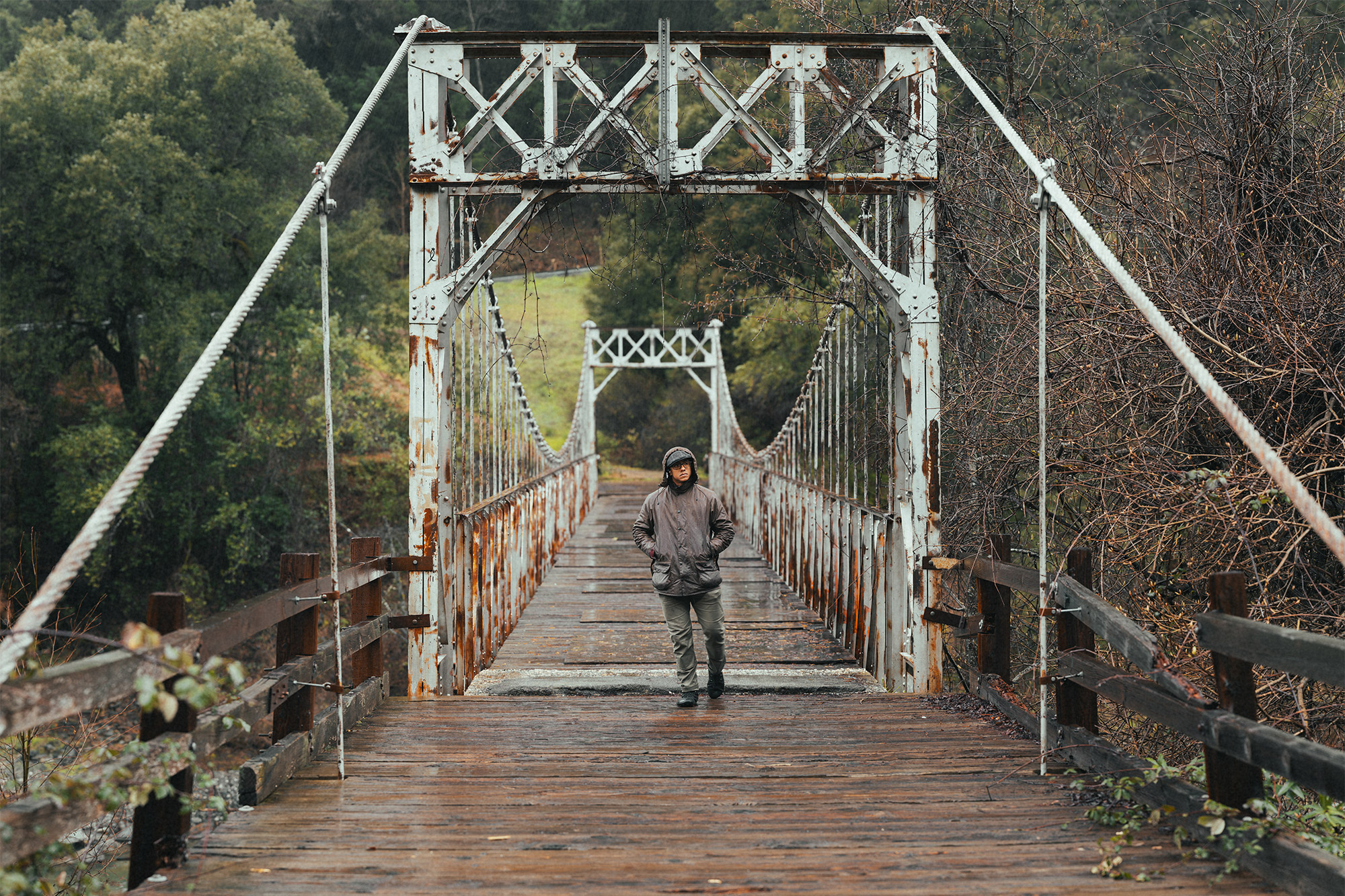
The elephant in the room is the Beaufort’s $435 price, without a hood. There are damn fine synthetic rain jackets for less than half that price. Apples to apples and cotton to cotton, how does the Beaufort stack up? For as well-built as it is, purely on value, there are better picks.
In the same price tier, I’d argue that Filson loses out on versatility and features, but wins on style. Tom Beckbe offers Barbour-level polish in a more modern design — albeit without liners or hoods. Outback Trading Company, meanwhile, is a budget dark horse.
However, for pure downpour performance, I’ve yet to find any waxed jacket that touches Outback’s Oilskin Dusters. Few pockets, few seams, 12-ounce canvas, minimal lining, overwhelming coverage, and an additional shoulder cape make it a no-nonsense tank in a downpour — for around half a Beaufort’s price.
Where Barbour claws back value is its care program. It will happily rewax, repair most damage, and even perform some alterations on the jackets. I enjoy rewaxing jackets, and even I admit it’s a chore. Paying Barbour $25 to do it is a genuinely good deal.
Barbour Beaufort Wax Jacket: Who It’s For

The Beaufort won’t replace a modern technical jacket for the most active pursuits. However, if you already have one of those, the Beaufort is a fantastic waxed cotton option for working, doing chores, or simply looking stylish in rainy conditions. It’s an incredibly practical heritage piece.
It handles rain more than well enough for how long most people will spend in it. The fit and styling may not be everyone’s taste, but the Beaufort is easy and practical to layer and style for most activities, most of the year. It’s meant to endure — to be customized over time. It’s rugged, repairable, and very well built, without being too heavy or bulky.
It is also wonderfully mobile and replete with storage. I’ve even taken to leaving my day pack at home more often — shoving my camera, telephoto lens, Nalgene, and umbrella (for a partner who forgets to check the forecast) into the game pocket and setting off rain, wind, or shine.
In a saturated market, if you’re looking purely for performance, there are better values. However, you can find used Beauforts for a steal (you might just have to rewax them). Or, catch them on sale. And if you just love heritage wear, maybe the $435 price tag won’t deter you. After all, while it’s a steep buy-in year one, 20 years in, and the value becomes hard to ignore.
Read the full article here
