



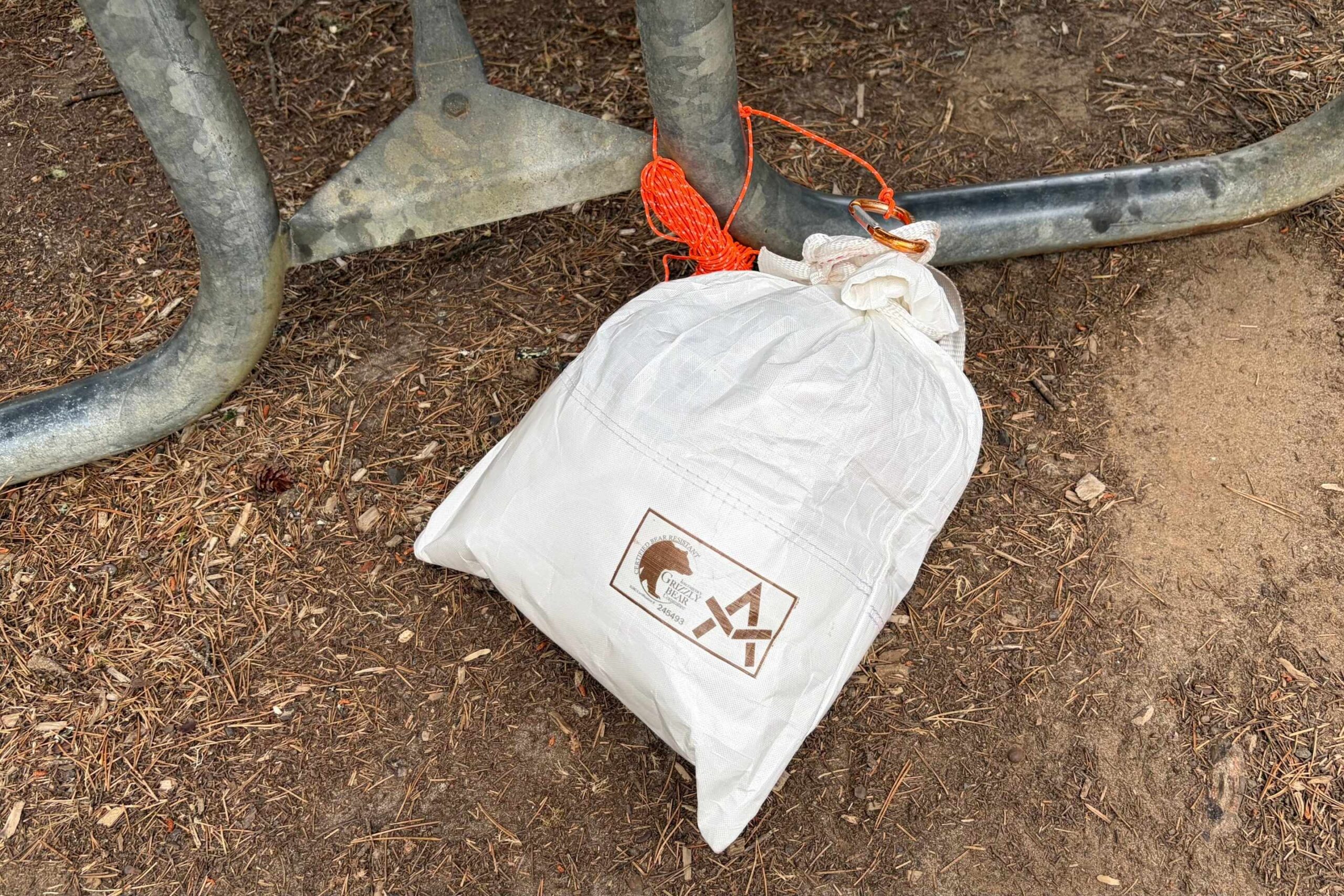

Bear-safe storage is an absolute necessity when headed into certain parts of the backcountry, but as someone who doesn’t go into bear country much, my primary concern on backpacking trips is always rodents and other critters.
There’s nothing worse than waking up to find that a squirrel has gotten into your food bag and made off with your precious snacks. Classic bear canisters provide protection from both bears and critters, but they’re heavy, bulky, and take up way too much valuable space in packs.
Luckily, there’s a new solution on the market. Adotec recently released a soft-sided food storage bag that is bear- and rodent-resistant. To see if the Ultralight Bear Locker can handle all of Mother Nature’s creatures, I took it on a 7-day backpacking trip in Oregon.
In short: The Adotec Ultralight Bear Locker ($163) is a massive improvement over traditional bear canisters. While it can’t be used in every backcountry area, its ability to keep out critters and rodents makes it a useful piece of gear.
Cons
- Expensive
- Not useable in all areas
Adotec Ultralight Bear Locker Design
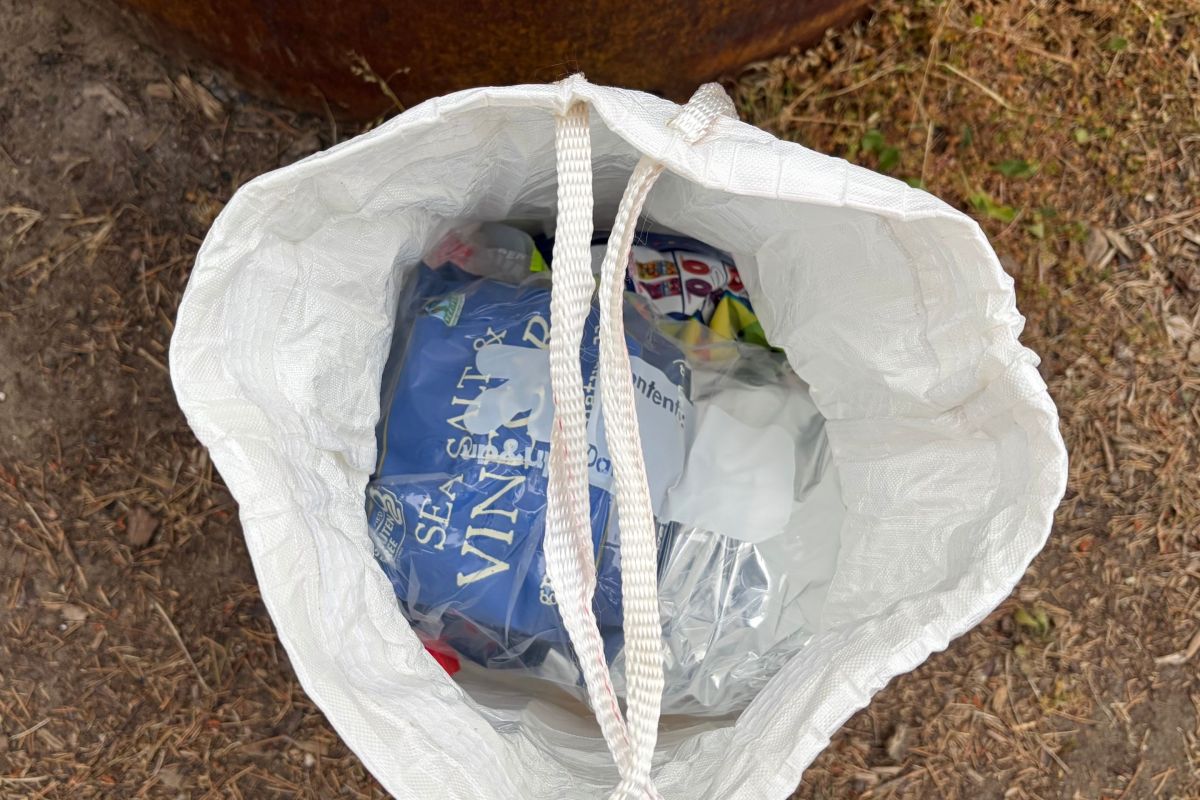
The bag, which is available in capacities of 9L, 14L, and 20L, is made from Ultra-High Molecular Weight Polyethylene, which is the same kind of fabric as Dyneema. This material is made to be ultra-tough and durable, as well as waterproof. It has a cinch closure made with nylon ties.
Adotec says that the Interagency Grizzly Bear Committee, which tests bear storage, has rated the 14L size (and this size only) as “grizzly bear resistant.” To achieve this designation, a product filled with food is placed in an enclosure with a grizzly bear for 60 minutes. If the bear fails to breach the container, it passes. No product is “bearproof.” The brand says that the bag is also rodent-resistant.
Using the Bear Locker
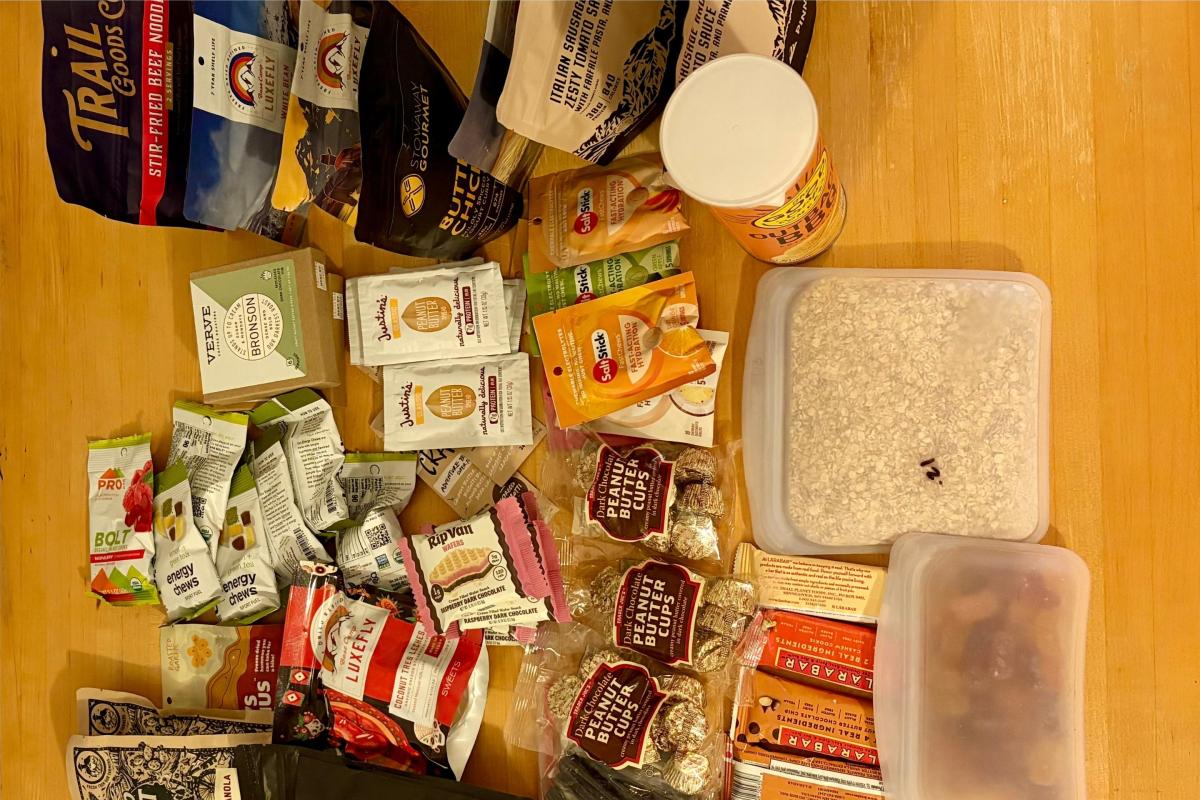
I used this bag to store all of my food and scented items on a 96-mile backpacking trip along the Oregon Coast Trail. At first, the bag was quite stiff and rigid. Adotec says that, over time, the bag will become more flexible, which is exactly what happened with mine. I was surprised how much I could fit in the 14L bag: I fit almost all of my food for my entire weeklong trip. I was able to compress and shove oatmeal and bags of freeze-dried food in it.
I truly loved how little space it took up in my pack compared with a classic bear can. As the fabric became softer, I could really shove it into the small spaces in my bag between my sleeping bag and stove.
I was using a 50L pack, so real estate was an absolute premium, and there’s no way I could’ve fit a classic bear can in with all of my other supplies. And of course, the bag can shrink. As I ate more and more food, the bag took up less space, unlike most bear cans, which have a fixed size.
How Secure Is It?
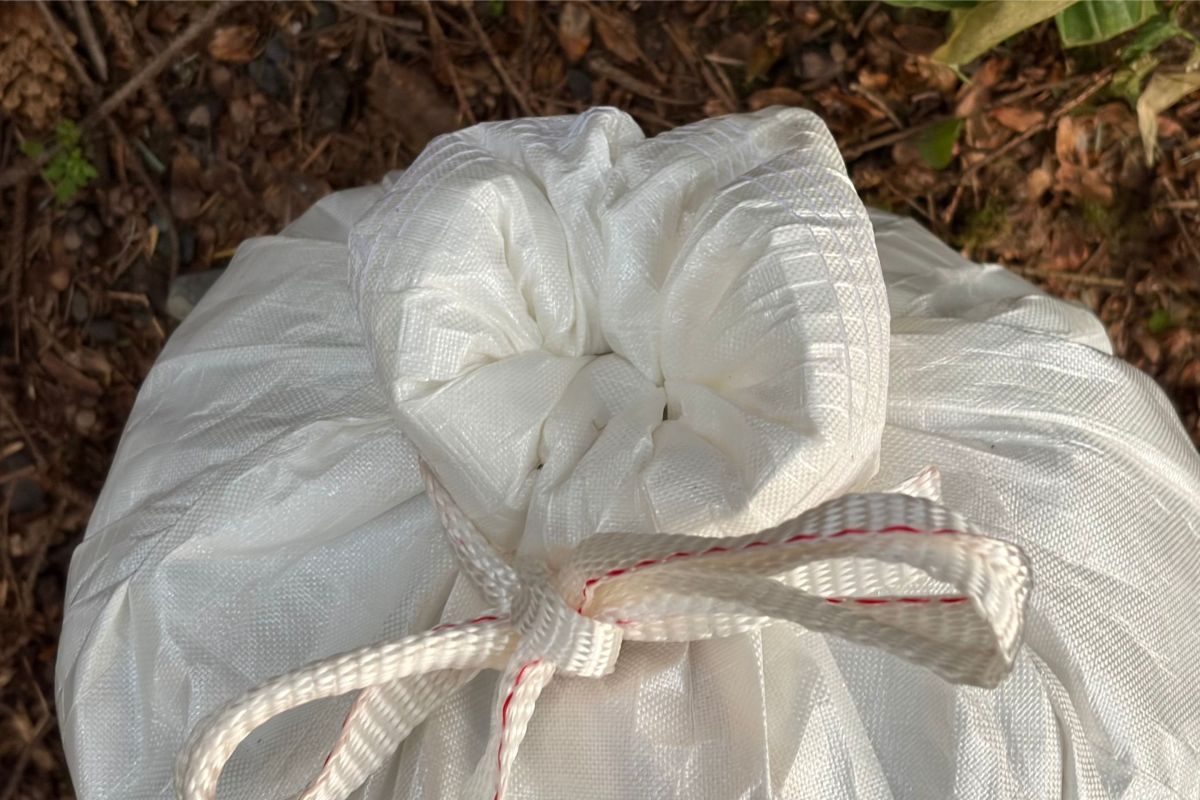
Tying up the bear bag took a bit of getting used to, but within a few days, I was a pro at it. To close it, you roll the top of the bag down as far as you can, like a classic brown paper bag for your lunch. Then you take the nylon ties, wrap them in opposite directions, and pull hard. From there, tie two overhand knots.
Adotec recommends securing the bag to a tree or other large object. I used cordelette and a lightweight carabiner to attach it each night to items like large trees or bolted picnic tables. As a test, I also hung it from a tree one night using proper bear hang procedure.
The part of Oregon I was in has experienced black bear sightings in the past, but they aren’t super common, and of course, there are no grizzlies there. I can’t speak to how it would fare against a grizzly, other than citing the IGBC’s approval.
The Tiny ‘Bears’
However, when it comes to other critters, the Adotec bear bag excelled. One night, I was camping in a very developed area with extremely aggressive chipmunks. As I was preparing dinner one night, a chipmunk tried to rummage in my pack when I turned my back on it for less than a minute. These fellas had zero fear of humans and seemed quite food-motivated.
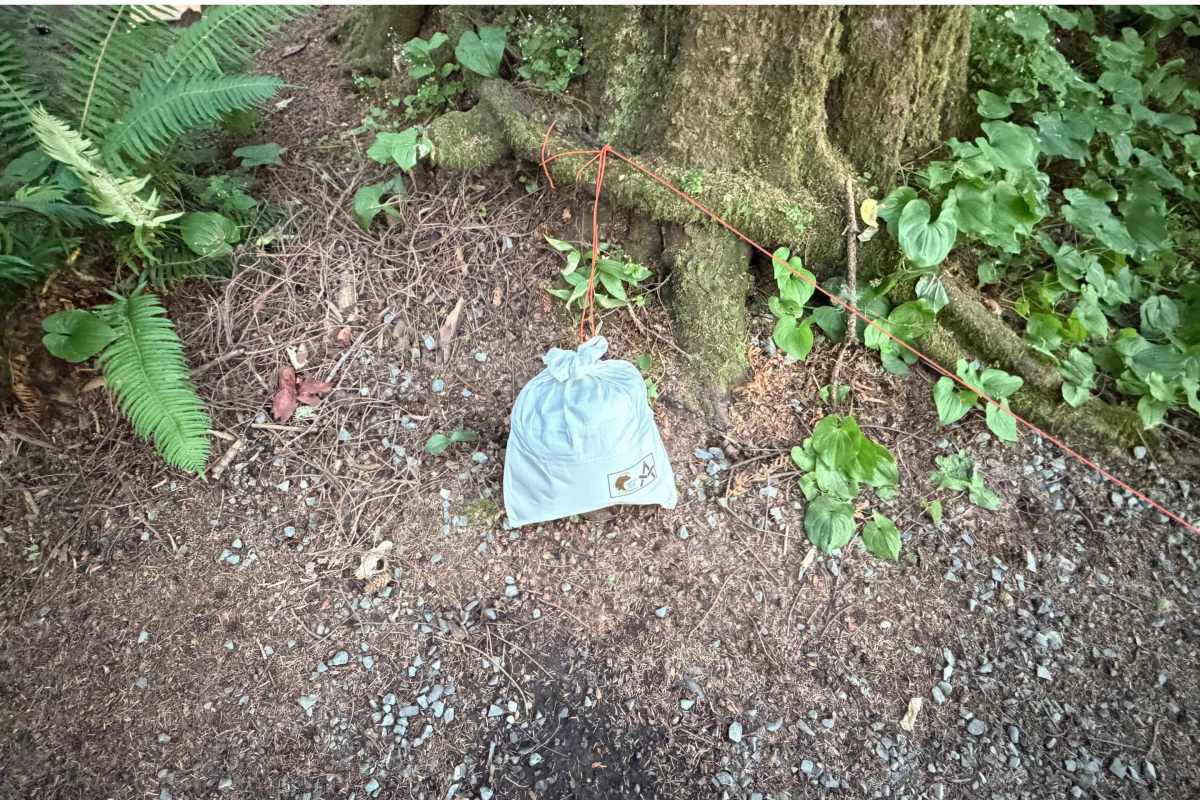
I secured my bag, went to bed, and hoped for the best. I woke up, and to my surprise, the bag looked no worse for wear. At another campsite, there were bear-safe lockers provided, but as I opened them, I found that they were all full of mouse poop. I secured the Adotec bag, and then secured the locker. Once again, no hungry rodents had breached the bag.
This ability to protect against rodents is even more important when you take hantavirus into account. People can catch this disease if they have contact with rodents’ saliva, feces, or urine. Nevada’s Office of State Epidemiology (NOSE) said it’s possible to also contract it if rodents get into your food. With all of this context, having a rodent-resistant bag is crucial, and I feel confident saying that the Adotec bag can fend off even the hungriest, most determined critters.
Other Features
While the fabric is waterproof, since the closure isn’t a full seal, the bag itself is only water-resistant. I put this to the test on an ill-fated attempt to cross an estuary at low tide. Unfortunately, low tide was not low enough, and I got drenched up to my ribs from a wave. Almost everything in my pack — tent, sleeping bag, fleece — was wet, but the contents of the Adotec were dry.
Later on in the trip, I got caught in a massive rainstorm that lasted 24 straight hours. To keep my electronics protected, I put them in the Adotec bag and sealed it, and even as everything else was dripping, they were dry.
The Adotec vs. Bear Cans
For backpackers, likely the biggest draw of this bag is the weight. The 14L size only weighs 7 ounces and can hold food for one person for 5 to 6 days. Bear Vault’s BV475 is probably the closest comparable model, since it also can carry that amount of food. It weighs 2.25 pounds.
By using the Adotec, you’d save 21 ounces, or nearly a pound and a half. Even if you’re not an ultra-lighter, that’s a huge amount of weight savings. It’s also lighter than Bear Vault’s lightest model, the BV One, which weighs 1 pound, 15 ounces.
Of course, it’s important to note that just because a product is marked as bear-resistant from the IGBC, that doesn’t mean that it is approved for use in certain areas. Many national parks, for example, specify that people who stay in the backcountry must use a bear canister.
This means that the Adotec can’t fully replace the bear canister in your gear closet; you’ll still need a bear can for certain situations. Always be sure to check local regulations about bear-safe storage requirements before you head outside.
I think having both in your quiver is an excellent choice, however. If you’re on trips where bear locks are provided, for example, it’s still worth bringing along the Adotec bag to protect against rodents.
When I went to New Zealand, there were no bears, but there were ultra-aggressive birds that were both protected by law and very eager to get into hikers’ stuff. This bear bag would’ve been a great solution.
A Note on Price
The 14L size of the Adotec bag costs $163. This is pretty pricey; the BV475 only costs $95, and REI’s modular canister retails for $90. I’m highly skeptical that the Adotec bag is that expensive to produce; the cynic in me thinks that the brand is definitely charging a premium for weight savings, since it knows most ultra-lighters will happily pay more to cut ounces.
The brand makes a black bear–resistant bag that costs slightly less money, but I’d rather pay a few extra bucks to have the toughest, most durable version possible.
Ultimately, I do think the cost is worth it. I truly hate lugging my bear can around. I fly a lot to go on backpacking trips, and nothing makes it harder to fit my pack in the overhead bin on the plane than dealing with a bulky, bulbous bear can.
The Adotec Ultralight Bear Locker: Conclusions
A key part of responsible environmental stewardship and Leave No Trace ethics is not allowing wild animals access to human food. The more food-conditioned wild animals get, the less scared they become of humans, which can result in potential dangers for them and us. The Adotec Ultralight Bear Locker is an effective, easy, and lightweight way to do your part to secure your food.
While it can’t be used in every backcountry area, its durable, ultra-tough fabric keeps out critters and rodents and protects your stuff. For backpackers looking to cut weight, it’s a godsend, with major weight and space savings compared to traditional bear cans. The price is high, but the utility and function mean it definitely deserves a space in your gear closet.
Read the full article here
