





For over 50 years, the Endangered Species Act (ESA) has served as a landmark environmental protection law. By mandating conservation for species threatened with extinction, it promoted biodiversity and the health of ecosystems ahead of commercial development.
On Friday, the Trump administration rescinded a key interpretation of the ESA, removing its ability to protect the habitats of endangered species. Environmentalists called the change a major blow to the conservation of 1,300+ species currently classified as endangered or threatened, from Yellowstone grizzly bears and Florida panthers to California condors and gray wolves.
How the ESA Works
The core of the Endangered Species Act, passed in 1973, is a prohibition on harming species that are listed as endangered or threatened. It bars the “take” of any of these animals, meaning actions that “harass, harm, pursue, hunt, shoot, wound, kill, trap, capture, or collect, or to attempt to engage in any such conduct.”
Since 1981, agencies like the U.S. Fish & Wildlife Service (USFWS) have interpreted “harm” to mean “significant habitat modification or degradation.” This means, for example, that cutting down trees of a listed bird’s habitat is prohibited under the act — even if no bird dies as a result. If changes to a habitat interfere with a listed species’ ability to breed, that would also violate the ESA.
Removing Habitat Protections
In a rule published on July 10, the Department of the Interior (DOI) rescinded that definition of harm. Essentially, this means that the ESA no longer protects listed species’ habitats. Directly killing or injuring listed species is still prohibited — but degrading their habitats is not.
The legal underpinnings of this decision relate back to the Chevron doctrine, which the Supreme Court established in 1984.
This principle held that “if federal legislation is ambiguous or leaves an administrative gap, the courts must defer to the regulatory agency’s interpretation,” according to the Public Policy Institute of California. Essentially, experts in federal agencies had the ability to interpret laws passed by Congress, and the courts had to defer to those decisions.
The 2024 case Loper Bright Enterprises v. Raimondo overturned this doctrine. This decision shifted power from the agencies to the courts. Agencies have less leeway and flexibility to create regulations as part of interpreting laws.
The DOI cited this decision in its overturning of the harm definition: “This reform is based on the Supreme Court’s 2024 decision in Loper Bright v. Raimondo, which requires agencies to follow the single best meaning of a statute rather than contorting laws to fit political agendas,” it said in a press release.
Trump officials presented the prior interpretation of harm in the ESA as a source of burdensome red tape. The DOI believes that changing this rule will eliminate unnecessary permitting, lower costs, and streamline development for businesses.
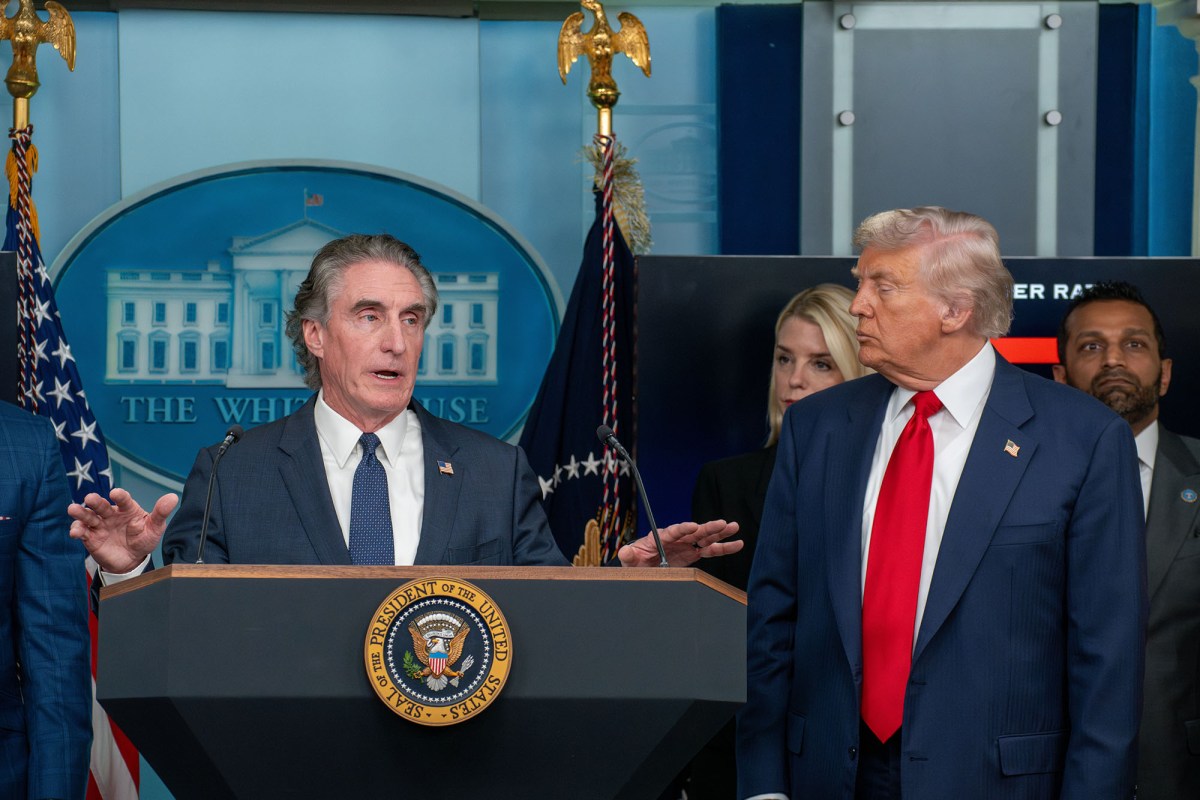
“For years, federal agencies abused the ESA to obstruct lawful land use and burden American families and businesses,” DOI Secretary Doug Burgum said in a press release. “That approach turned routine activity into a regulatory trap, drove up costs that impacted people’s lives, and expanded federal authority beyond what Congress intended.”
This is not the first time that Republicans have attempted to defang the ESA. Congress was working to pass the ESA Amendments Act of 2025, which would have weakened the law. Speaker Mike Johnson unexpectedly pulled the bill from the floor in April after widespread outrage.
Outcry From Environmentalists
Many environmental and conservation groups were quick to condemn the White House’s decision. The Center for Biological Diversity, a nonprofit, worried that the change would imperil at-risk plants and animals.
“Habitat destruction is the number one threat to endangered species and Trump’s decision to toss out the definition of harm is a death knell for America’s wildlife,” Tara Zuardo, a senior campaigner for the Center, said in a press release. “If animals don’t have a place to live, they can’t live. Spotted owls, Atlantic salmon, Florida panthers and thousands of other species need protections for the wild places where they make their homes.”
Earthjustice announced plans to fight the decision in court.
“The White House is paving the way for timber, oil, mining, and other extractive industries, as well as the government and individuals, to destroy habitat where endangered species live, even if the damage to habitat harms those species,” Earthjustice leaders said in a press release. “This senseless rule has no scientific or legal basis — and it directly contradicts a Supreme Court ruling that upheld the ESA’s definition of harm over 30 years ago. We will see the administration in court.”
Read the full article here
