



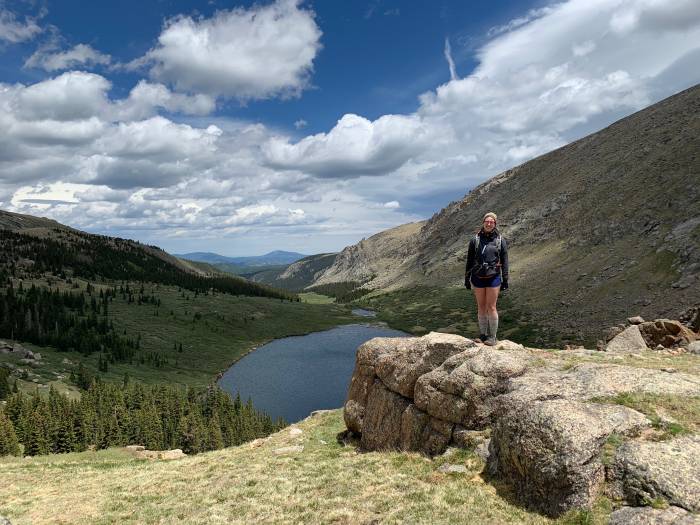

No matter whether you’re heading out on a local trail or pursuing a nontechnical alpine summit, there are a few key things you should always have with you. Consider this list of 10 hiking essentials the foundation of your hiking gear, not a complete pack list for every situation. Customization is key.
Want your own copy? Download GearJunkie’s Printable Checklist
It’s easy to underprepare for a casual hike (or even a not-so-casual one). However, if you prepare using the above list, you’ll be well-equipped to handle 95% of everything you’ll encounter on the trail. If you add a few items, like a GPS satellite communicator, an emergency shelter, and/or an SOS whistle, you can bump that up to 99%.
When thinking about your pack list as a whole, it’s important to keep in mind the type of hike you plan to go on. Some of the most important factors that may impact your gear list are:
- Location
- Weather
- Altitude
- Elevation gain
- Trail conditions
- Hiking duration
- Exposure to the sun and wind
Knowing these factors will help you modify the hiking essentials included on this list. For example, what you bring on an early spring hike in the mountains will be different than a summer day hike through the desert parks of Utah.
What to Bring Hiking: 10 Essentials for Day Hikes
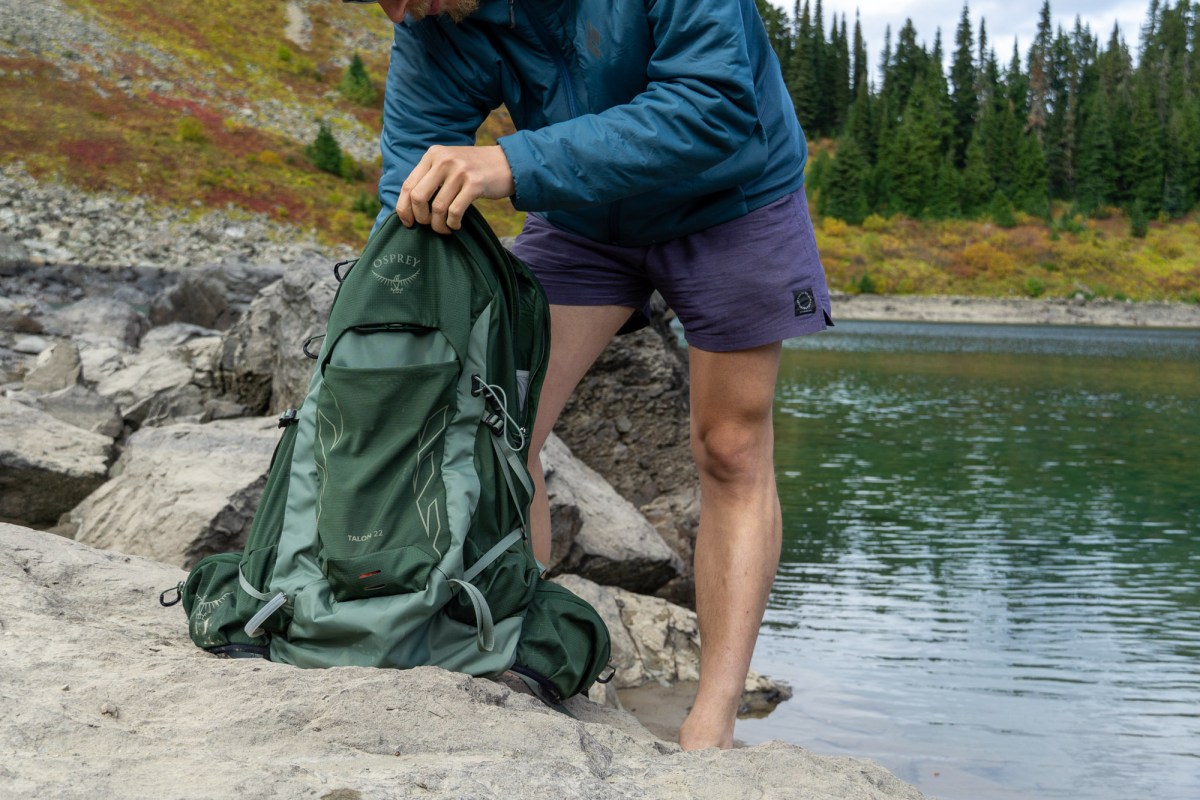
1. Daypack (11-30L)
One of the most important items on our hiking essentials list is the very thing you need to carry it all in: a backpack. Well, a daypack, probably in the 11-30L range, to be precise.
You’ll have enough space for the essentials with 11-13 L of capacity, but not enough room for the kitchen sink. This is a good size if you’re going on a shorter hike or have other people with you to split supplies with, such as an emergency kit and navigation items.
Meanwhile, a daypack around 20-30 L lets you bring plenty of water for very dry or hot environments, extra food, and heavier layers if it’s spring, fall, or winter. Just remember, the extra space makes it easier to overpack, which adds weight.
Check out the options on our guide to the Best Daypacks and the best Backpacks for Backpacking to compare your options.
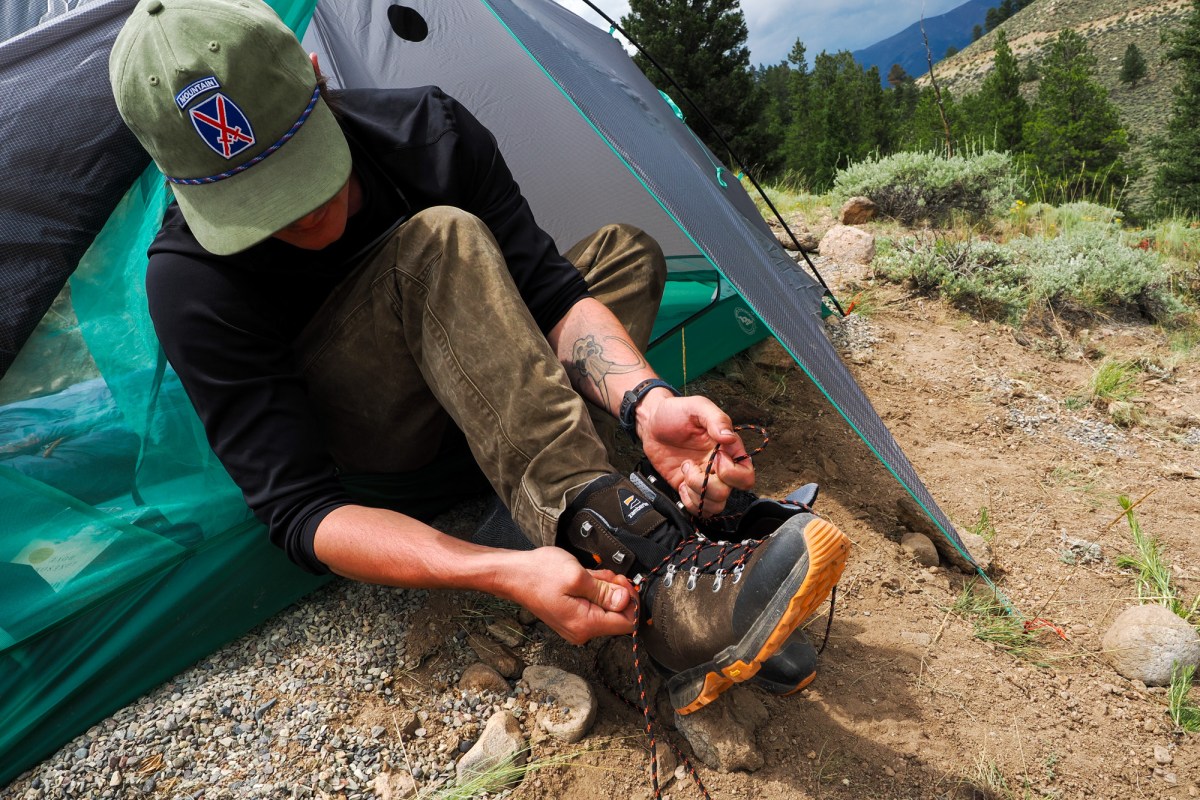
2. Boots or Shoes
Not all hikes require hiking boots. Many choose to hike in hiking shoes or even running shoes. For very short or mellow hikes, you can make hiking sandals like Tevas or Chacos work. No matter your preference, adequate footwear with good traction, support, and protection from the elements is necessary.
Usually, if you’re doing more than a couple of miles, I prefer something with sole, arch, and ankle support. Mid or full hiking boots are my favorites, but to each their own.
Your hiking shoes are one of the most expensive (and important) items on the 10 Essentials list. So, when deciding which pair is best for you, it’s important to consider the weather and terrain you’ll be in the majority of the time.
If you plan to traverse a lot of rocky, uneven terrain, you might want more ankle support. If you expect to cross creeks and rivers or hike in the rain, you’ll need waterproof boots or shoes. Or, if you mostly hike in dry, hot places, breathability might be at the top of your priority list.
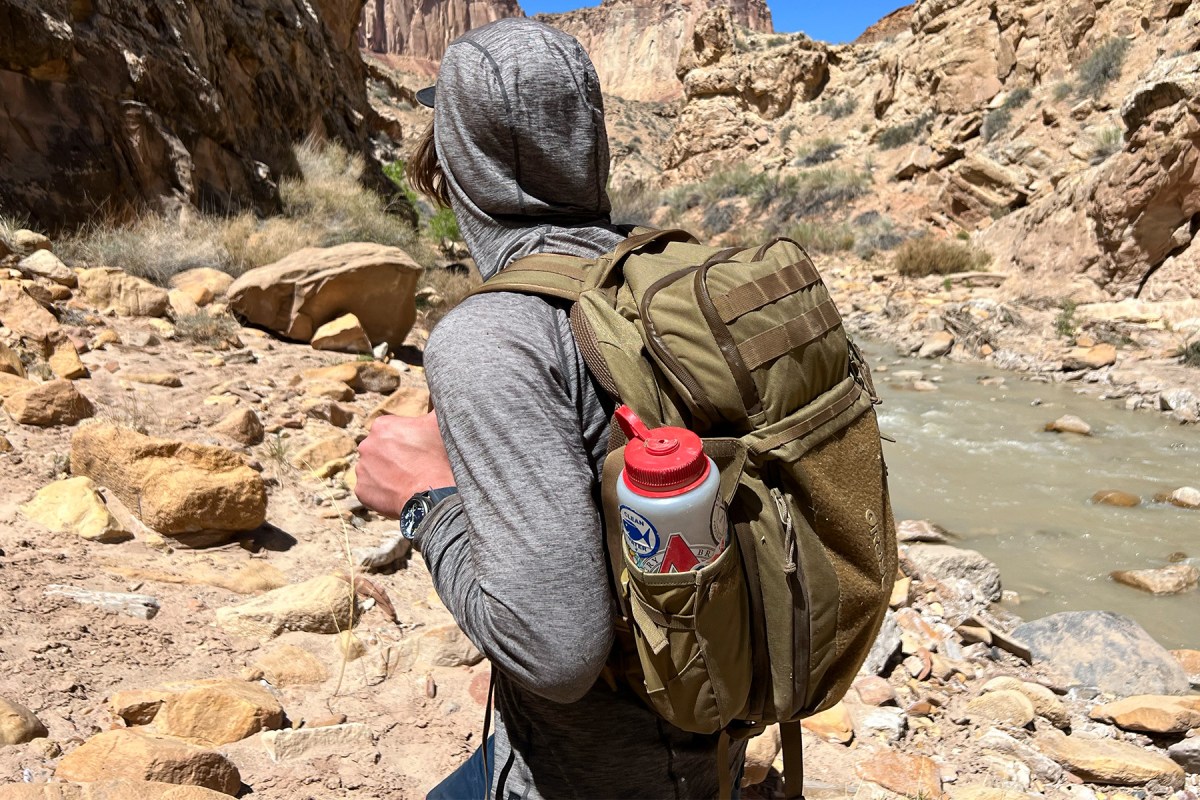
3. Hydration
Drinking water is one of the most important things you can carry on a hike. Some people prefer using a plain water bottle like a Nalgene. Others like having a Hydration Pack or Running Vest.
If you have no idea how much water you drink in a day, don’t worry. A starting point to pack for the average adult is to carry 2-4 cups (½-1 L) of water for every hour you plan to spend hiking. Be familiar with how much water you typically drink, though, and bring extra.
It also doesn’t hurt to consider a water filter or purifier, or to carry iodine tablets with your 10 Essentials. Even if you bring a big water bottle or a reservoir-compatible daypack, you can still run out of water. Having a backup way to procure clean drinking water when you need it is a pro move.
4. Trail Snacks
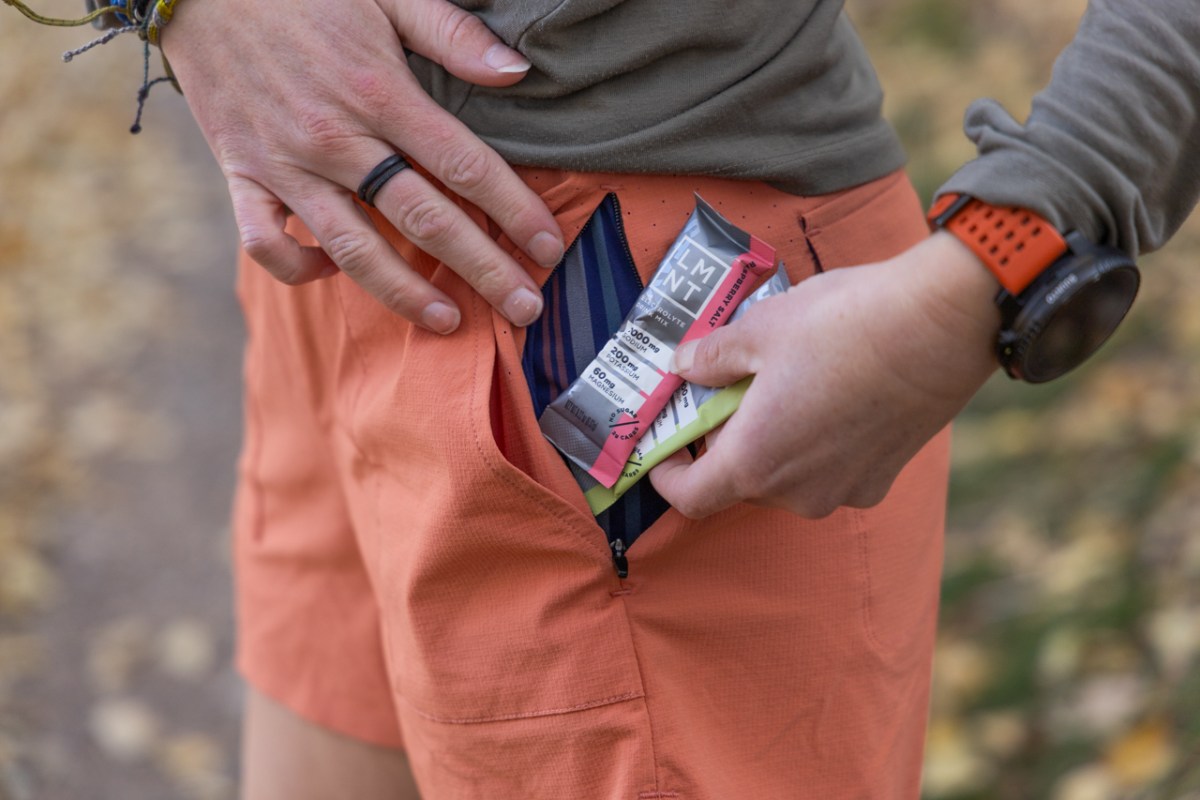
Depending on the length of your hike, you may not need to bring food. But for hikes longer than an hour, pack a few snacks. Maintaining calories is important on the trail, and even if you don’t plan to eat them, they’re useful to have if something goes wrong.
What should you bring? We love granola bars, single-serving nut butters, jerky, fruit, or a bag of homemade GORP (good old raisins and peanuts). Also, it’s tough to beat pistachios, which you can buy shelled, as they are high in good fats and provide complete proteins. For higher aerobic outings like trail runs, consider grabbing some energy gels or chews designed specifically for athletes.
Plan to eat something small about once every hour. If you like being prepared, bring extras in case other folks get hungry, or you have to stay out on the trail longer than expected.
5. Backup Navigation
Having multiple navigation systems will help make sure you don’t get lost on the trail. A good idea is to have two options. If Google Maps or a hiking map on your phone is your primary navigation system, you should also carry a backup battery for emergency charging. You should consider carrying a physical map and compass as well, as they don’t need power and take up very little pack space.
A satellite GPS is also a highly recommended item to bring (though not essential). Modern phones like the iPhone 14 and later models, the Google Pixel 9 series and later, and the Samsung Galaxy S25 series all include emergency satellite communication functions. If your phone doesn’t, check out our guide to the Best Satellite Messengers.
6. Lightweight Rain/Wind Jacket
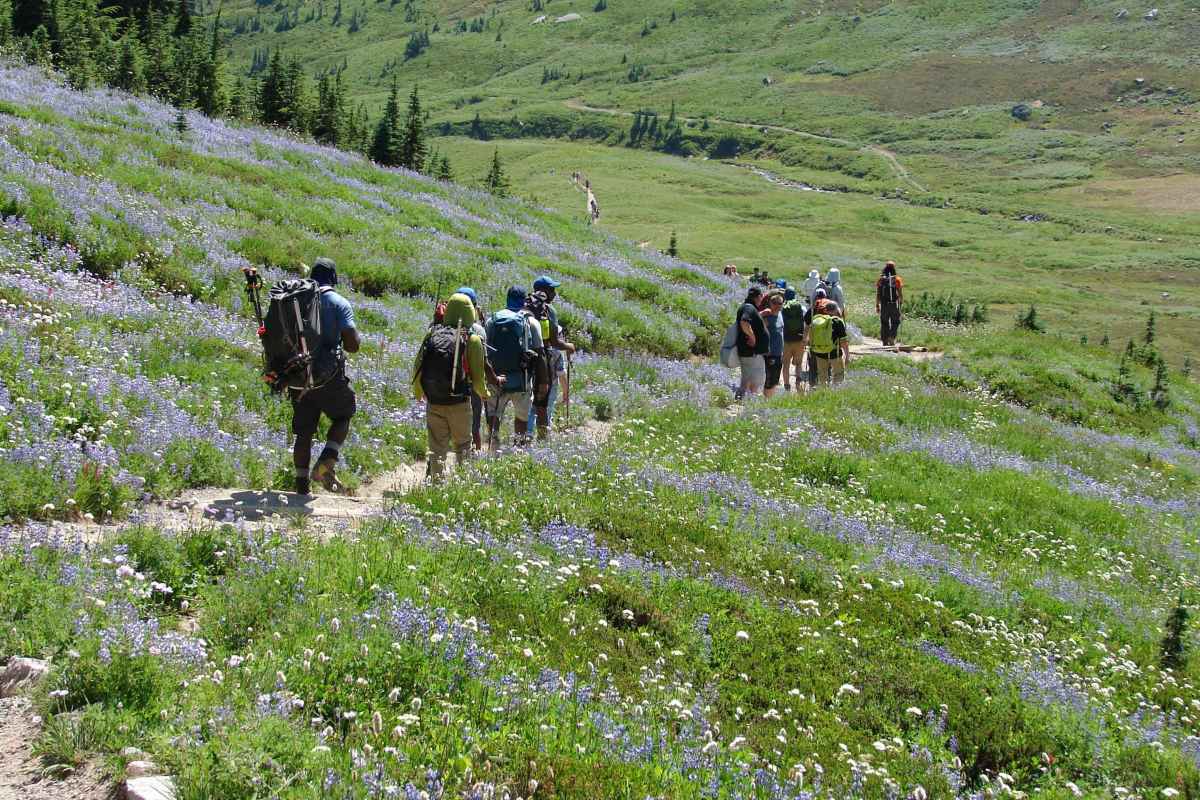
A lightweight jacket or outer shell should also be included in your 10 Essentials list for hiking. When looking for the perfect jacket for day hikes, you want something that protects you from wind and rain while remaining breathable and comfortable. If you primarily hike in the summer or only go on short day hikes, a water-resistant option will probably suit you just fine.
For all-season hiking, or if you live in a moist, humid environment, spending the extra time and money to find a completely waterproof rain jacket will be worthwhile. Look for one made from GORE-TEX or another waterproof/breathable fabric.
One of the major benefits of a rain/wind jacket is that it can easily be packed into your daypack when you don’t want it. Some of the Best Rain Jackets in our guide are unlined and can be folded into their pockets or hoods for easy storage.
7. Sun Protection
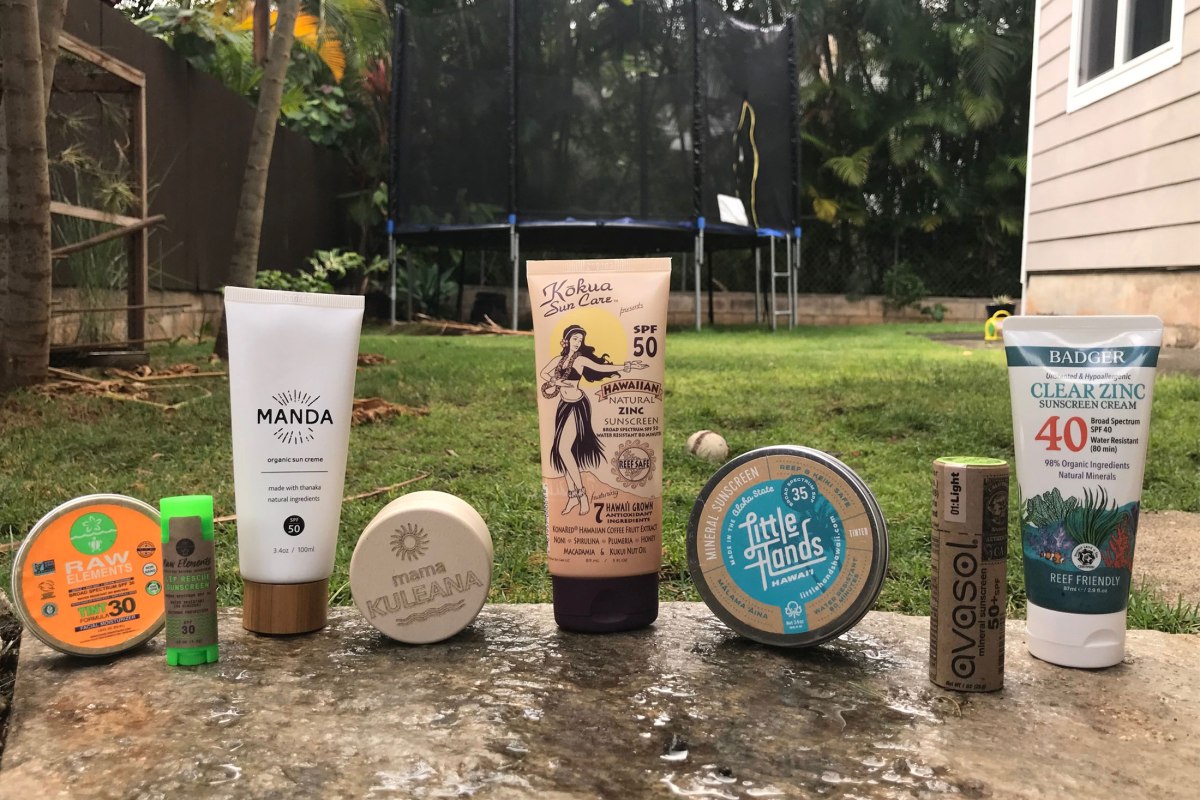
Overexposure to the sun can lead to dehydration, fatigue, sunburn, and more serious conditions such as heatstroke. Sunscreen is the first place to start. Screen up your face and other places that will get significant sun exposure.
Next, consider your clothing. All clothes have some level of sun protection, but many brands now create clothing designed with a known SPF/UPF rating. Sun hoodies have become very popular in recent years as lightweight, high-SPF, full-coverage top layers. GearJunkie’s guide to the Best Sun Shirts has a lot of great options.
Add a hat like those from Fractel and sunglasses, and consider Buff Headwear for neck protection.
8. Headlamp
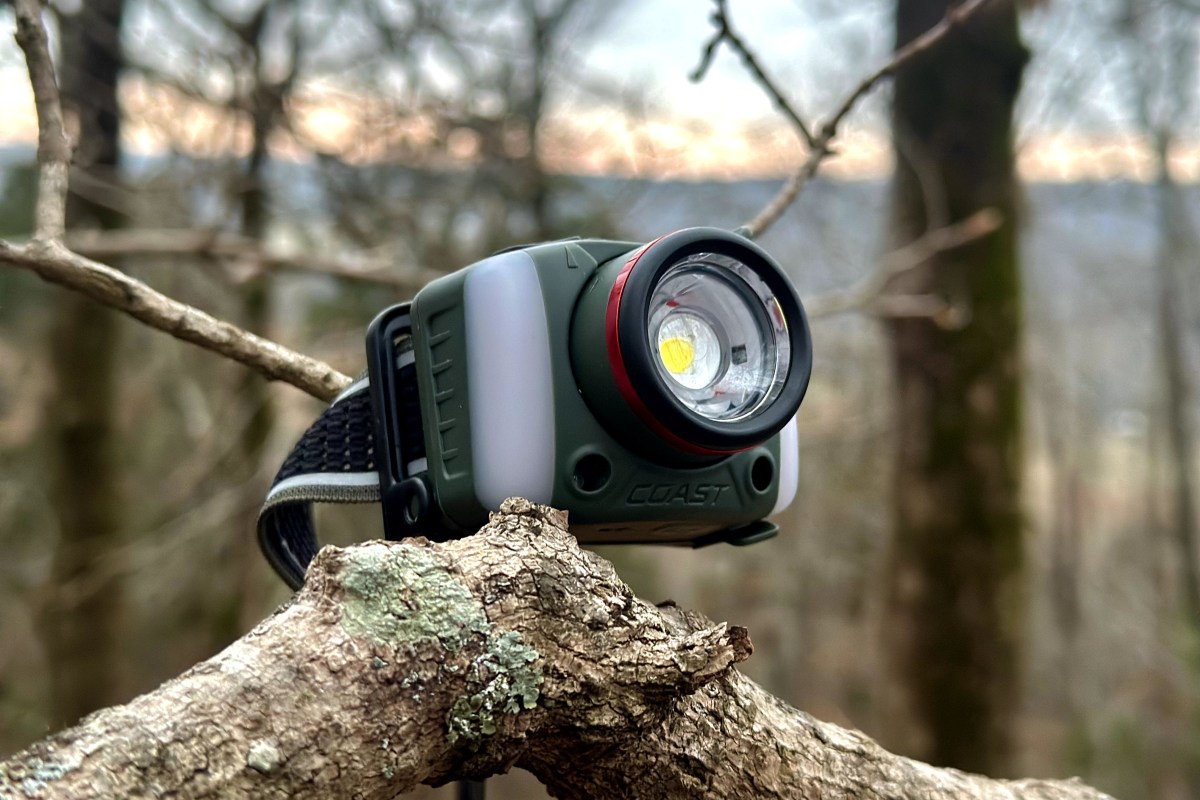
Having a headlamp in your pack ensures that you don’t have to race against daylight to get back to the trailhead. There are a lot of great headlamp options in GearJunkie’s guide to the Best Headlamps. Some are budget-friendly and basic. Others are more costly and feature extended battery life, numerous light settings, and high lumen outputs.
Keeping a headlamp (or, alternatively, a flashlight) in your pack makes a big difference when you need it — whether you planned to use it or not. It’s a very useful tool across a variety of use cases, especially in emergencies.
A simple, small headlamp doesn’t have to be an expensive addition to your gear list, either. Something like the PETZL Tikka headlamp is excellent for on-trail hiking and running, giving you a wide beam to see what’s ahead. Plus, it’s small enough to stow in a side pouch.
9. First-Aid Kit
No matter how many precautions you take, accidents can happen. That’s why, regardless of the terrain, weather, trail difficulty, or how far you are from home, having a basic first-aid kit is smart.
Most trail injuries are relatively minor and can be handled in the field. If there’s a more significant injury, your first-aid kit can serve as a temporary fix until you can get additional help.
You can DIY your first-aid kit with some Band-Aids, medical gauze, antiseptic wipes, tweezers, ibuprofen, Benadryl, duct tape, a multitool, a lighter, and safety pins. Or, buy a pre-assembled kit that you can throw in your daypack as is.
GearJunkie keeps a running list of the Best First-Aid Kits. The beauty of all of them is that you can add, modify, and customize what’s in them based on your needs and the conditions you’ll be hiking in.
10. Non-Cotton Hiking Clothes
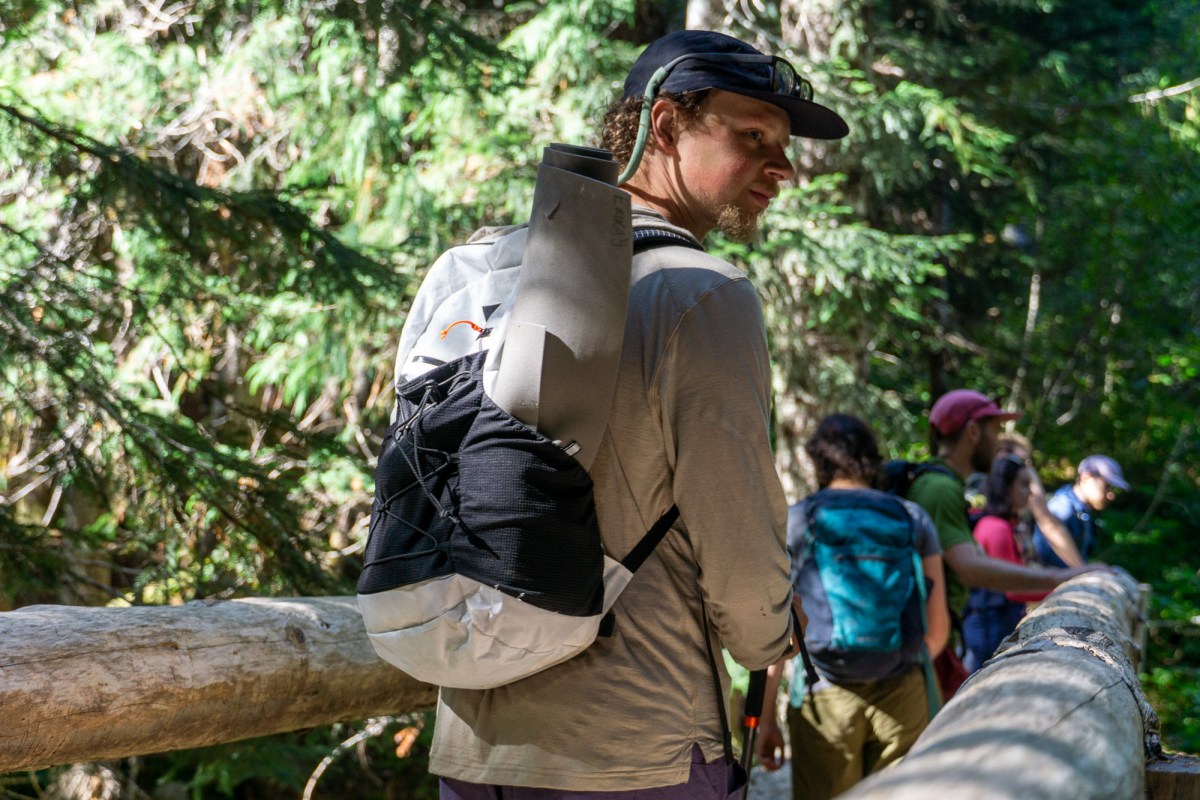
No hiking essentials list would be complete without a mention of the best clothes. Many factors go into choosing your trail wardrobe, but two of the most important are the fabric and layering options.
You want to select something with wicking properties. Wool, polyester, and other synthetic fibers help transfer sweat away from your body, while also insulating you during a chilly morning or afternoon hike. Natural fibers like wool also have anti-odor properties.
Meanwhile, cotton retains moisture, has little to no SPF, gets stinky fast, and becomes heavy if wet. If you can avoid wearing anything cotton on the trail, you should.
When it comes to layering, you want to choose clothing and outerwear that can all be worn together — without adding too much bulk. Wearing a base layer, a fleece or puffy midlayer, and a wind- and/or waterproof shell is the standard layering kit. But you can always add more or modify based on your needs.
Make Our Hiking Essentials List Your Own
The 10 Essentials packing list at the top of this article is geared toward someone who is out to enjoy a day hike in the summer or shoulder seasons. It is not comprehensive, but it covers the basics and provides a solid foundation.
You should add to and customize your list to suit your needs. If you get colder than most people, pack an extra layer. Maybe you are prone to sunburns and want to pack extra sun protection. Or, perhaps you have a condition like diabetes and need to keep high sugar snacks or insulin in your pack.
The list is called the 10 Essentials, but it’s rarely the only items I bring along when hitting the trail. I’ll usually also pack a knife, water filter or iodine tablets, a lighter, an extra pair of socks, a notebook and pen, and maybe even a camera. If my dog’s with me, there’s a leash, treats, and poop bags in there, too. Being prepared feels good, even if your pack is a little heavier for it, so I tend to err on the side of “throw it in the pack just in case.”
Lastly, keep in mind that most of the gear on our 10 Essentials for Hiking list is affordable. The boots and backpack are the most expensive items, and both can be sourced for relatively affordable prices. Whether you’re just getting started as a hiker or you’re already an experienced trailgoer, having your 10 Essentials list dialed makes it worry-free to hike off into the wilderness whenever you feel like it. It gives you freedom and peace of mind to travel safely and comfortably outdoors.
So, get out there and have a great hike — and let us know if you have anything you’d add to this list.
Read the full article here
