



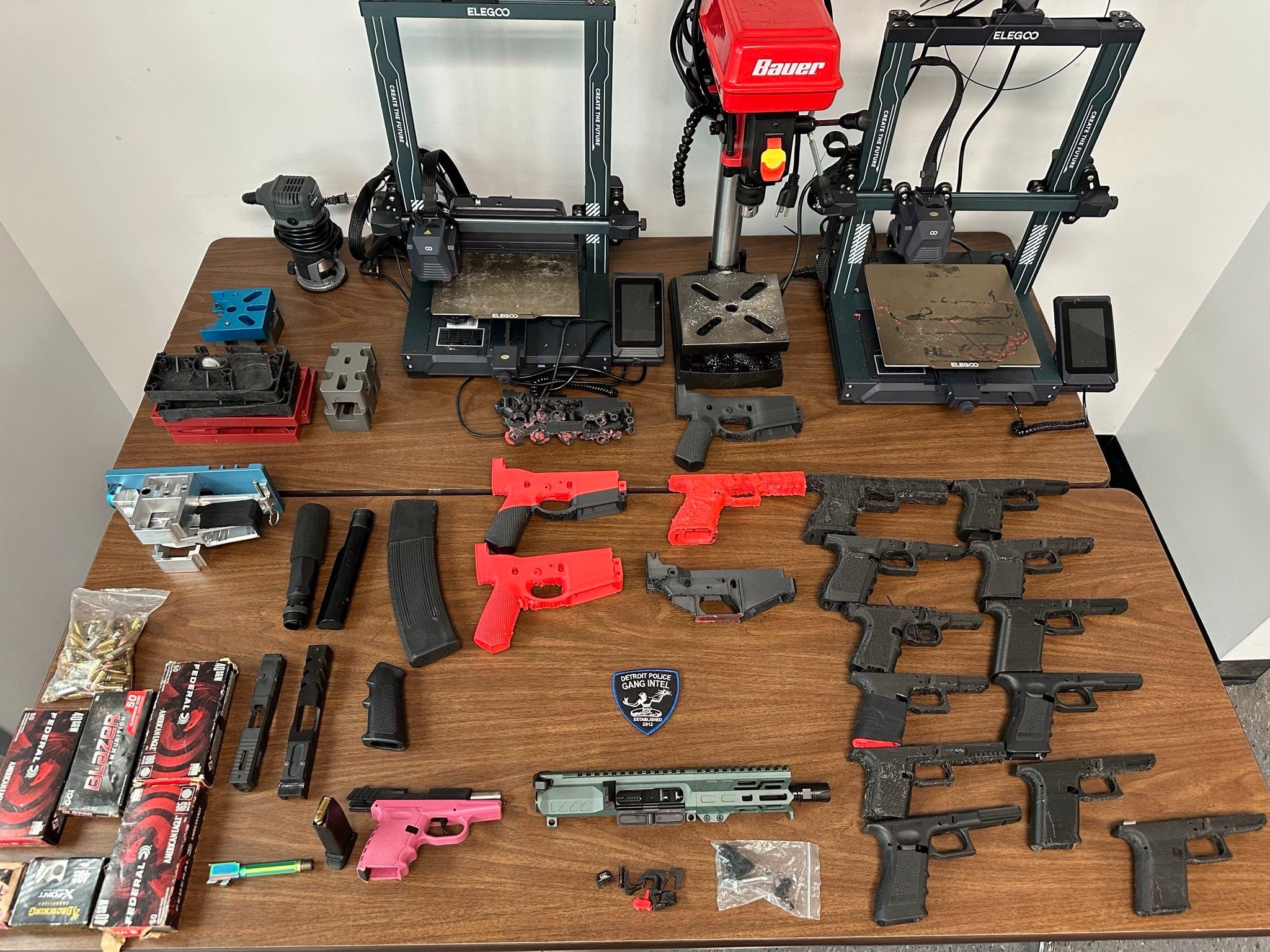

Washington state legislators are pulling out all the stops to ram through House Bill 2320, a sweeping measure that gun rights advocates warn criminalizes not just homemade firearms but the very knowledge and tools used to create them.
On February 6, the Washington House made an unusual procedural move: they yanked HB 2320 from the Appropriations Committee—normally a mandatory stop for any bill with fiscal implications—and sent it straight to the Rules Committee. Translation: it can now hit the floor for a vote at any moment, with minimal public scrutiny.
The NRA-ILA immediately called out the maneuver as an attempt to “steamroll more gun control through the process” without adequate vetting. According to the organization, the bill’s fiscal note dramatically underestimates actual enforcement costs, focusing on paperwork rather than real-world implementation.
What’s Actually in HB 2320?
Supporters frame the legislation as a necessary update to combat “ghost guns”—unserialized firearms made using 3D printers or CNC milling machines. But critics argue the bill goes far beyond addressing criminal misuse.
The measure would criminalize possession of digital design files like CAD drawings or G-code for firearm components, even if you never manufacture anything. It also targets the sale or transfer of 3D printers and CNC machines “marketed primarily for firearm manufacture”—a category that remains conveniently undefined.
Perhaps most concerning to Second Amendment advocates is the bill’s catch-all language prohibiting manufacture “by other means.” Gun rights groups warn this vague phrasing could eventually encompass traditional gunsmithing tools and methods.
Constitutional Concerns
The NRA has identified multiple constitutional concerns with HB 2320:
Second Amendment: The bill criminalizes private manufacture of firearms for personal use—a practice long protected under federal law for non-prohibited persons.
First Amendment: Prohibiting possession and distribution of digital files raises serious free speech concerns. Information and code have established First Amendment protections.
Fifth Amendment: The bill creates a “rebuttable presumption” where merely possessing certain files or tools can be used as evidence of criminal intent, potentially forcing self-incrimination.
Beyond Gun Control
Interestingly, HB 2320 has united an unusual coalition of opponents. Along with the NRA and traditional gun rights advocates, the bill has drawn criticism from technology groups, educators, and the broader maker community.
Christian Czar, president of a nonprofit makerspace, testified against the legislation, warning that the vague definitions could unintentionally criminalize general-purpose 3D printer owners and hobbyists. Others raised concerns that the precedent could lead to vendor-locked printers requiring cloud authentication—turning an open-source tool into a subscription service.
Manufacturing “Untraceable Firearms” Already Illegal
Here’s the kicker that supporters rarely mention: manufacturing untraceable firearms is already illegal under Washington law. Even local media coverage has acknowledged this fact.
So what problem is HB 2320 actually solving? Proponents cite increasing recovery of 3D-printed guns by law enforcement, but offer little evidence that existing laws are inadequate when properly enforced.
Fast-Track Politics
The decision to bypass the Appropriations Committee isn’t unprecedented in Olympia, but it’s telling. When legislators rush legislation through without normal review processes, it’s worth asking what they’re afraid the public might discover.
Gun control advocates argue the bill is urgently needed to address rapidly evolving technology. But technology has been “rapidly evolving” for decades—and our constitutional protections are designed to be technology-neutral precisely for that reason.
The Bottom Line
HB 2320 represents a troubling shift in gun control strategy: rather than targeting criminal conduct, it criminalizes the tools, knowledge, and capacity for lawful activity. It’s regulation by prior restraint—punishing people not for what they’ve done, but for what they theoretically could do.
Whether you own a 3D printer, care about free speech, or simply believe laws should target actual crimes rather than thoughtcrime, HB 2320 deserves serious scrutiny. Washington residents who share these concerns can contact their state representatives and express opposition before the bill reaches a floor vote.
The NRA’s action center provides contact information for Washington lawmakers at nraila.org.
More on 3D Printing from TTAG:
Read the full article here
