



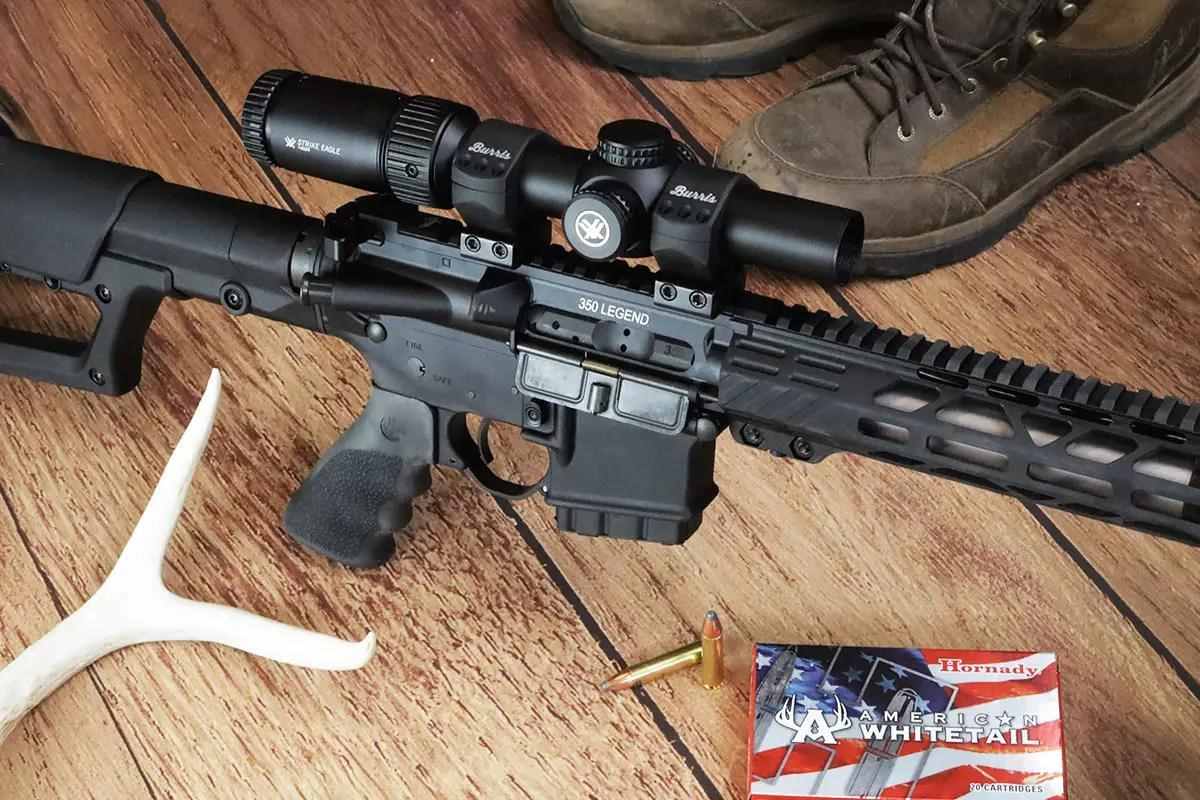

Both AR and bolt-action rifles are suitable for hunting, and improvements in materials and machining over the last two decades have made both platforms more functional and versatile than ever before. In reality, there’s a great deal of overlap between these two firearm types, and choosing either a bolt gun or AR typically doesn’t substantially impact your odds of success on any given hunt. There are, however, benefits and drawbacks to each of these platforms, and understanding these will better prepare you to choose the gun that best suits your needs.
AR Rifles: Pros and Cons
The AR platform was designed by Eugen Stoner in the 1950s, and today’s ARs utilize either a direct impingement (DI) or piston systems. Today the AR-15 is America’s most popular rifle, and one reason for the AR’s popularity is its modular design. More so than most any other rifle, you can customize your AR to suit your exact needs. These adjustments can also be made quite simply without a lot of expensive tools and without special hand-fitting as is required on some other platforms. Legendary firearms maker Bill Wilson said that, unlike the custom 1911 pistols he has built for years, a “reasonably well trained labrador” could piece together an AR.
With a few tools and a small budget, you can customize your AR so that it perfectly suits your style of hunting. There are handguards with M-LOK and Picatinny rails for attaching accessories available from companies like Aero Precision or Bravo Company Manufacturing, or you can opt for smooth tube-style handguard like Rock River Arms’ Frontier Edge Series that comes with cool looking coyote print machined into the metal. You can also swap out triggers, barrels, magazines, pistol grips, stock, and just about everything else about an AR. If you don’t want to do anything to your AR except add an optic, that’s an option, too. Most stock AR optics available today work well for a variety of hunting applications.

The biggest advantage to hunting with an AR, however, is higher capacity and the ability to make faster follow-up shots. This is particularly important when you’re in a situation where you’ll have an opportunity to fire multiple times, such as when you find yourself in the middle of a sounder of hogs or when a pair of coyotes come running to the call and you’re trying to take them both. This is why I prefer to carry an AR when hunting predators, varmints, and hogs, especially in areas of dense cover where shots are close and fast. ARs are an effective personal defense weapon, and I know of hunters whose AR doubles as a hunting rifle and a home defense firearm.
Advertisement
ARs do have some drawbacks, not the least of which is that local legislation may severely restrict or even ban AR ownership where you live and hunt. In that case a bolt gun is your best option. AR-15 and AR-10 rifles are available in a variety of chamberings, but not nearly as many as bolt-action rifles. AR rifles are also more expensive on average than bolt guns. While ARs vary in price from $500 for value rifles or budget builds to over $2,000 for top models, you can find new and used bolt-action hunting rifles as low as $300. Additionally, because the AR’s operating system is more complicated than that of a bolt gun, there are more parts to that are able to break and fail. ARs (especially AR-10s) also tend to be heavier than bolt guns and therefore more burdensome to carry at steep, thin-air elevations.

Bolt-Actions: Pros and Cons
It’s hard to beat a turnbolt rifle. On average, bolt-actions are slightly more accurate than AR rifles. Bolt-actions also boast a shorter lock time (space of time from when the trigger is pulled until the firing pin strikes the primer), and a shorter lock time means less chance that minor movements could send the bullet slightly off course. However, today’s quality AR rifles are capable of excellent accuracy, and while bolt-actions tend to be more accurate than ARs on average, I believe that most quality AR rifles are capable of suitable accuracy for most hunting situations.

The real benefit of bolt-actions is their simplicity. The design is very basic and relatively foolproof. Manually cycling the action generally ensures reliable performance, and except for minor cleaning and light lubrication there’s very little maintenance required to make a bolt-action run reliably. ARs require more attention, and fewer moving parts means less components to fail, and since bolt guns are cycled manually there’s less chance that variations in the gas/pressure levels in various loads will fail to properly cycle the action.
Advertisement
Bolt-actions are also available in a much broader range of chamberings than AR rifles. The robust modern bolt-action design with its forward lugs is capable of handling cartridges from light rimfire up to the real hotrods like the .33 Nosler, .300 Remington Ultra Magnum and the various Weatherby Magnums. With the exception of highly specialized AR rifles, you’ll have more choice in chamberings with a bolt-action.
Bolt-actions can also be built lighter, and this is important for hunts that require long hikes in steep country. There are several bolt-action rifles available today that weigh less than six pounds, which is considerably less than the average AR-15 rifle and substantially less than AR-10 guns. When hunting elk, sheep, and other game at high elevations you’ll have to do a lot of climbing and a few extra pounds of gun weight may have a substantial impact on the success of your hunt. If I know I’m going to have to hike a lot on a hunt and make a long shot on game I’d choose a bolt-action every time. If you’re planning to hunt internationally the choice will almost certainly be a bolt-action. ARs are legal for hunting in many U.S. states, but once you venture outside of our borders there are stricter limitations on action types, and many countries do not allow autoloading firearms of any kind.
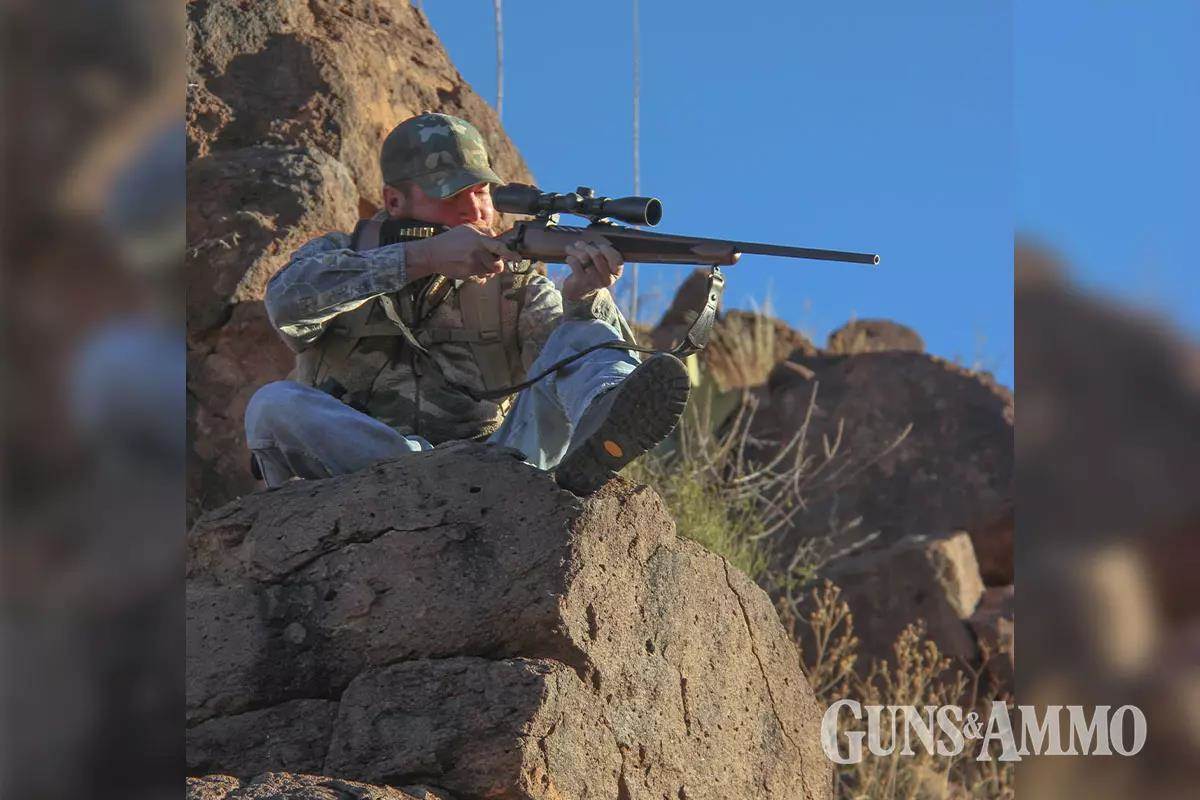
Bolt-actions are not as modular as ARs and there are fewer interchangeable parts, although that is slowly changing. Pre-fit barrels and tighter tolerances make it easier than ever to build or modify your bolt-action, so today’s turnbolt rifles are far more customizable than guns from just a few years ago. There are lots of interchangeable triggers from brands like Timney and TriggerTech, allowing for a fast, simple, affordable upgrade.
As stated, bolt-actions tend to have less capacity than ARs and follow-up shots with a bolt gun are likely to be slower than with an AR (although modern straight-pull rifles like the Savage Impulse close the gap between AR and bolt-action follow-ups). There are some left-handed bolt-actions available, but I do believe that an AR with ambidextrous controls is easier for a southpaw to learn to shoot than a right-handed bolt-action.
Room for Both
The good news is that there’s lots of overlap between AR and bolt-action performance. Each platform certainly has its advantages for specific hunting situations, but if you’re hunting whitetails from a box blind and shots will be under 200 yards both platforms will serve you very well. Personal preference is probably the key factor when choosing which of these rifle platforms to carry in the field. I grew up shooting bolt-action rifles and, as a result, most of my hunting rifles are bolt guns. However, I have a friend who grew up shooting primarily ARs and spent time in the military carrying an M4. Not surprisingly, he gravitates toward AR-platform firearms.
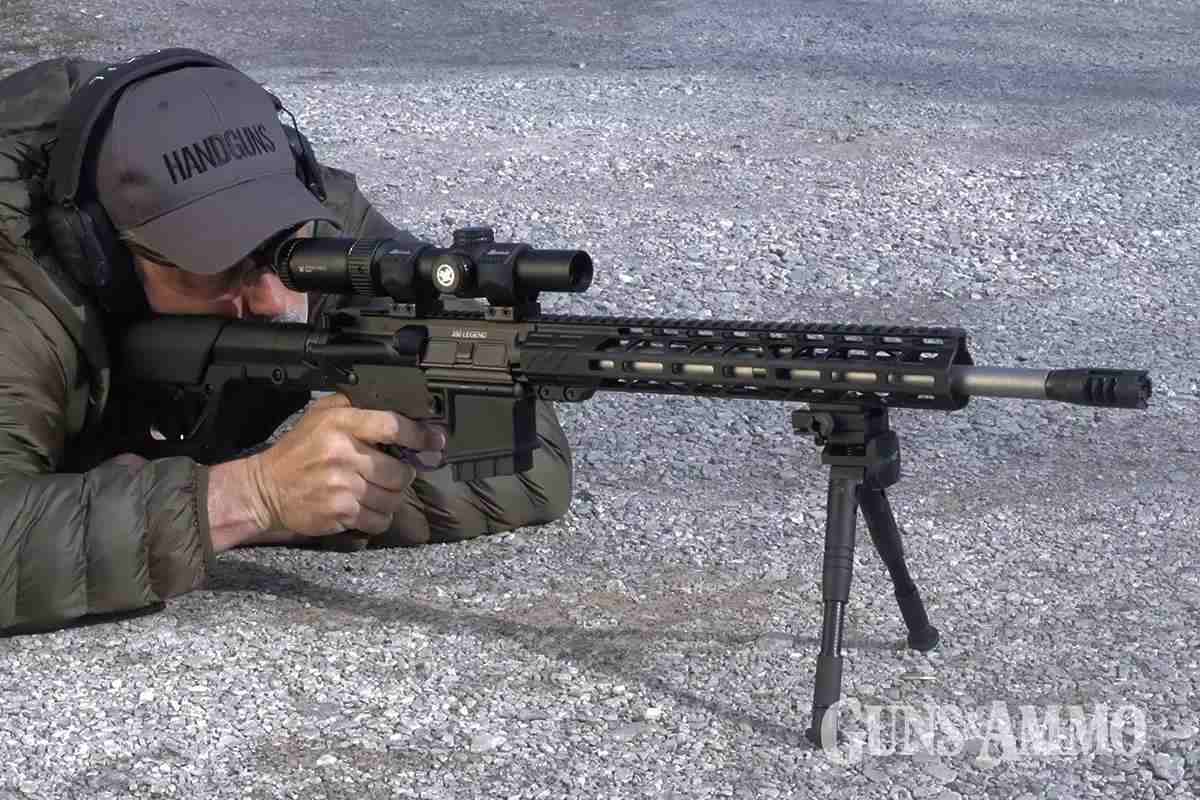
Since both platforms will perform equally well in most hunting situations, the AR/bolt-action question is more about what you want rather than what you need. If you like the AR’s modularity, increased capacity and faster follow-ups, and don’t mind the additional maintenance and a slightly elevated price of ownership then that’s the gun for you. If, however, you prefer the simplicity of a bolt gun and appreciate that platform’s light weight and wide selection of available cartridges, then perhaps a turnbolt is your best option. Neither one of these guns takes up very much room in a gun safe, so perhaps the best option is one (or maybe more) of each.

Brad Fitzpatrick
Read the full article here
