




A U.S. Army veteran is suing a sheriff in his native Virginia county for allegedly looking the other way after repeated alleged incursions of hunters and hunting dogs on his sprawling property.
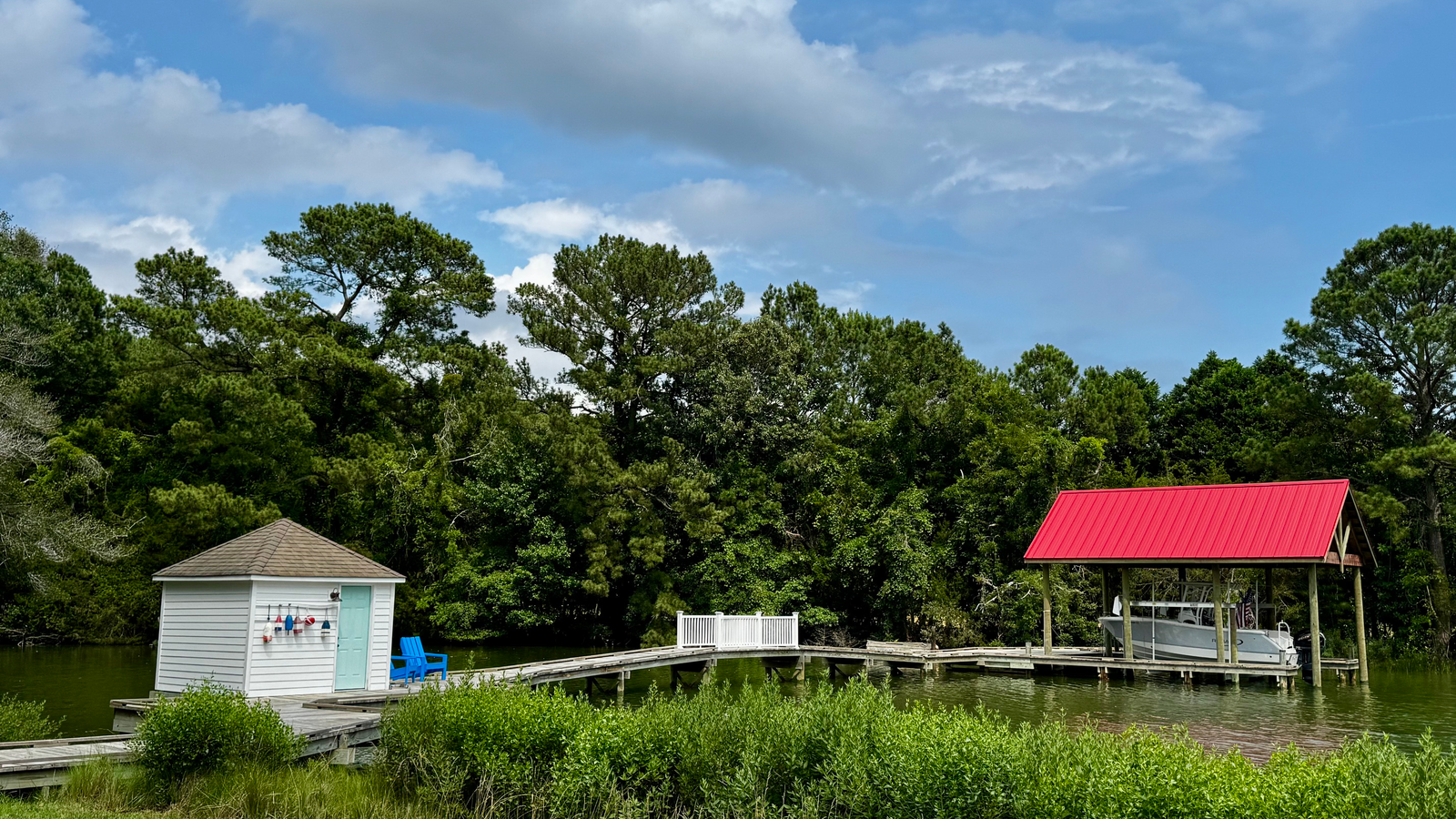
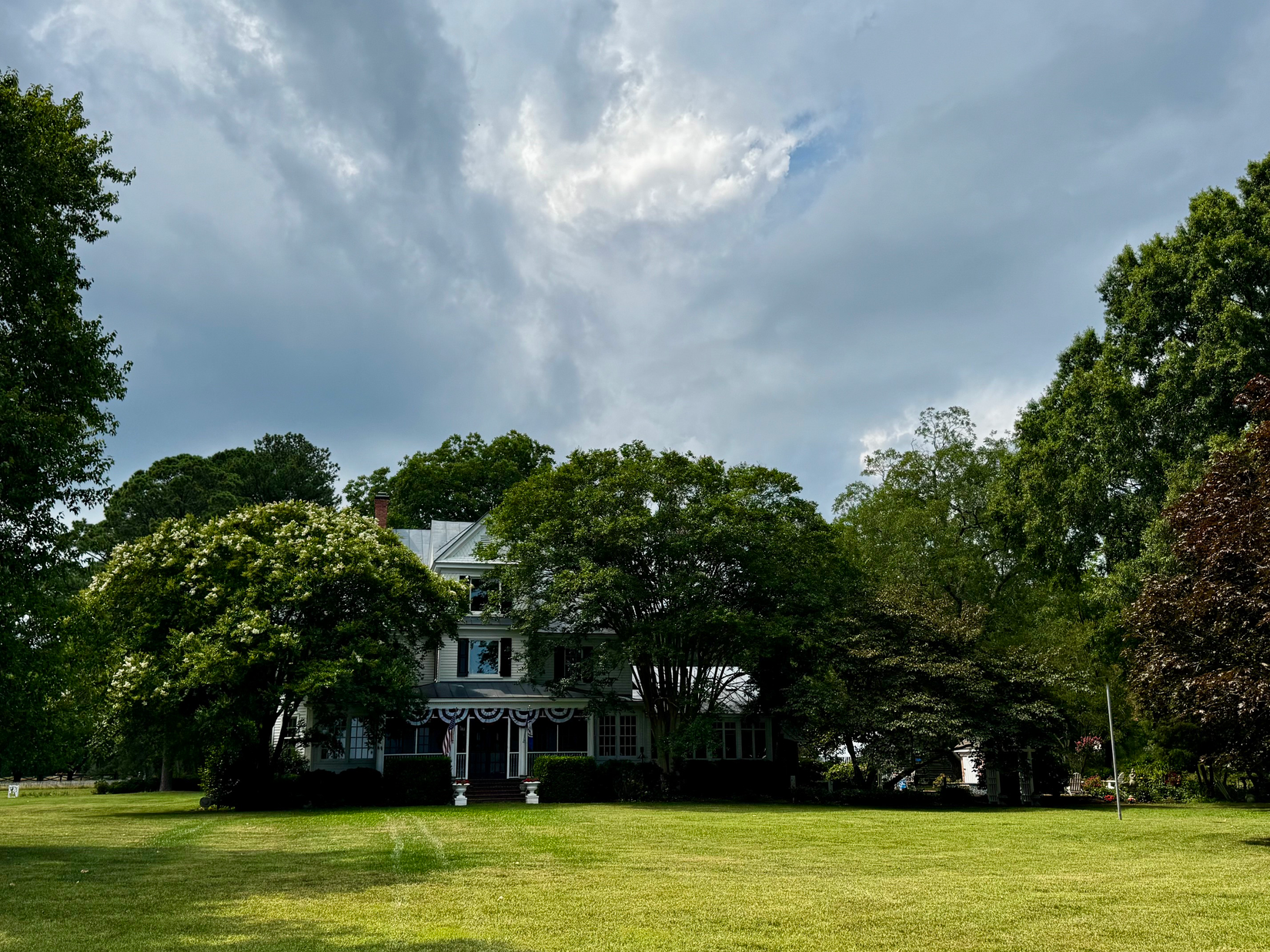
Ret. Army Brig. Gen. Billy Don Farris II, who served in the U.S. Army for over 30 years and earned a Purple Heart for his service in Iraq, bought an 80-acre farm in Gloucester County, Va., after he retired.
But what was intended to be a post-service career basking in the area’s natural world alongside his family has turned into a back-and-forth with a local sheriff, now leading to a federal lawsuit against the county on First and Fourteenth Amendment grounds. He’s claimed that multiple packs of dogs have routinely come onto his property over the years.
The suit, filed Sept. 4 in the U.S. District Court for the Eastern District of Virginia against Sheriff Darrell Warren, alleges that “hunters and their dogs have repeatedly entered Mr. Farris’ property and harassed his family.” But rather than remove, Warren is accused of supporting the intruders on the basis of hunters being able to “traverse others’ property without penalty.”
“The sheriff’s actions have resulted in the uncompensated deprivation of Mr. Farris’ right to exclude unwanted persons from his private property,” the lawsuit states. “Thus, the Sheriff’s actions violate the Fifth and Fourteenth Amendments’ command that government shall not take private property for public use without payment of just compensation.”
Military.com reached out to the Commonwealth’s attorney in Gloucester for comment but received no response.
Claims Made Against Sheriff Warren
Farris is represented pro bono by the Pacific Legal Foundation (PLF), specifically attorney Nathan Hotes.
“Billy Don has repeatedly asked these hunters to leave, repeatedly asked them to exit the property [and] that he does not want them or their dogs there, and has engaged with local law enforcement in efforts to identify…and remove the hunters from his property, to little to no avail,” Hotes told Military.com.
Hotes told Military.com that Farris’ dispute started shortly after he moved into his current home, and has occurred intermittently during hunting seasons over the last 10 to 15 years. “It really picked up during COVID,” he said.
The plaintiff reached out to PLF in mid-2025 following “repeated efforts to talk with Sheriff Warren,” Hotes added, as well as other government officials in Virginia. But it led to no reprieve for the Army veteran.
This case mimics a U.S. Supreme Court case called Cedar Point Nursery v. Hassid that involved PLF, in which a local or state government cannot block a property owner from restricting third parties from entering their property. That’s where the Fifth Amendment arguments comes into play.
“In Cedar Point, the California state government was allowing union organizers onto private property for a period of time, like every weekend or other weekend or something similar to that,” Hotes said. “And here, you have the misinterpretation leading to the sheriff essentially allowing these hunters to enter Billy Don’s property without giving him any right to exclude them.
“The right to exclude unwanted trespassers from your property…is a cornerstone of your rights.”
How Virginia Law Works in Cases Like These
Hotes explained that Virginia, like many other states, divides trespassers into civil and criminal categories.
“Criminal trespass is a big difference,” he said. “Criminal trespass has to be intentional. Civil trespass sometimes doesn’t have to be intentional, and they have different remedies. You can get criminally charged for criminal trespass, but with civil trespass, you’re normally removed from the property.”
But there’s also a separate Virginia law that relates to criminal trespass, called the right to retrieve, that is not being argued in this litigation since Virginia courts and all three branches of the Virginia government—at one point or another—have clarified the right to retrieve as merely affecting the criminal and not the civil side of trespass.
“That still leaves Billy Don’s fundamental civil right to exclude hunters,” Hotes said. “So here, the sheriff is trying to take that away, based off of a misreading of the right to retrieve, and regardless of what it’s based on, that still constitutes a Fifth Amendment taking of the civil right to exclude trespassers.”
Fourteenth Amendment and the County’s Defense
The Fourteenth Amendment is also integral in this case, due to language within the Bill of Rights allowing due process.
As for Warren and Gloucester County’s apparent defense, Hotes said it’s his prerogative of an existing “misplaced desire to support hunters.
“Neither Billy Don nor our team is against hunting within the limits of private property protected by the Constitution, but that seems to be the impetus of a lot of this because there’s been a lot of hostility to Billy Don’s efforts to discuss the issue,” Hotes said.
“In terms of what their legal argument would be, I imagine that on the merits, the sheriff will argue that he was following essentially Virginia law when that’s not the case, because, like I said, Virginia decriminalizes the trespass,” he added.
It’s assumed that Warren’s legal stance is that if there’s no criminal trespass, then Farris “has no right short of building a wall” to exclude the hunters. But Hotes said it’s unclear how they will argue on the Fifth Amendment grounds, considering that it overwhelms any state law.
Farris should have a right to his privacy, Hotes added, especially after his years of service to the nation.
“He was a brigadier general. He earned a Purple Heart for his service in Iraq,” he said. “He had some pretty major military accolades and served this country for many years. And we feel that that country should respect his right to decide who he lets on property he buys.”
Read the full article here
