



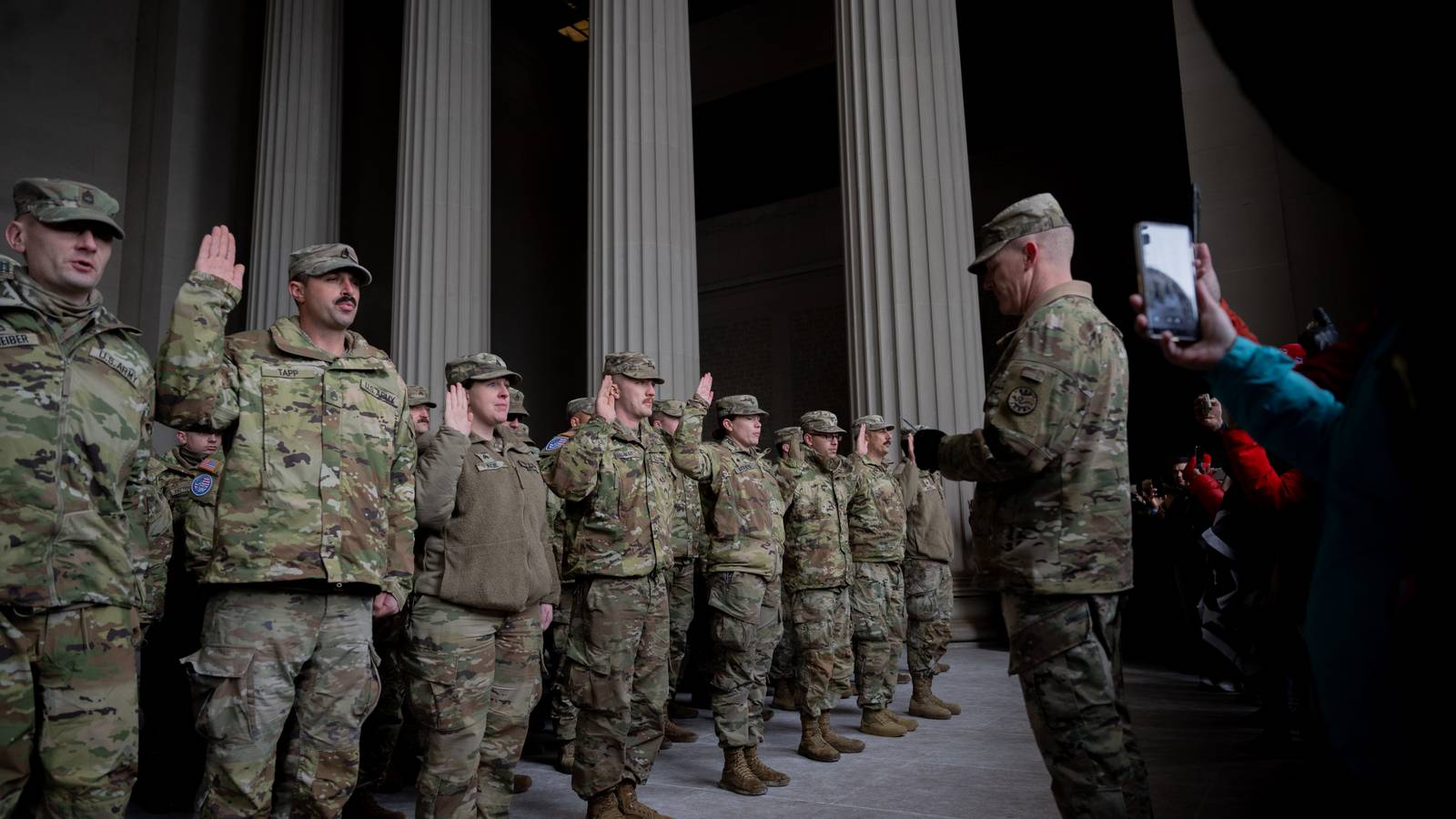

The Selective Service System has withdrawn the regulation intended to implement nationwide automatic draft registration, leaving the agency without a public implementation rule months before a congressionally mandated deadline.
An official federal docket shows that the agency submitted the proposed rule March 30 and withdrew it July 23.
The withdrawal does not repeal the automatic-registration requirement or activate a military draft. Congress enacted Section 535 through the fiscal 2026 National Defense Authorization Act (NDAA), which President Donald Trump signed into law Dec. 18, 2025.
The amendment takes effect one year after enactment, while the federal regulatory agenda lists Dec. 19, 2026, as the implementation deadline. The still-pending fiscal 2027 NDAA is separate from this requirement.
The Rule Was Withdrawn After July
Selective Service withdrew its proposed automatic-registration rule July 23 before publishing it for public comment.
The agency still lists automatic registration as a future rulemaking project, but it has not announced when it will restart the process or did not explain how it intends to meet the statutory deadline in December.
Selective Service could submit a revised proposal, and Congress could change the timetable. Neither development appears in the public rulemaking record as of mid-September.
Without regulations, the agency has not publicly explained which federal records it will use, how it will resolve conflicting information, or how the law’s required notification and correction procedures will operate.
The rule’s withdrawal followed unusually public discussion of conscription. In March, the Trump administration said a draft remained “on the table” as a possible wartime measure.
No law restarting induction has followed, and automatic registration alone cannot send anyone into military service.
What Congress Changed
The statutory language covers every male U.S. citizen and other male resident between the ages of 18 and 26.
People lawfully present under non-immigrant visas remain exempt while maintaining that status. Women are still excluded.
Until the new provisions take effect, nearly all male citizens and male immigrants ages 18 to 25 must continue registering on their own. The Selective Service website says registration is also required for U.S. citizens living abroad and generally applies to veterans and reservists in the age range.
Current law allows penalties of up to five years in prison and up to a $250,000 fine for known violations, although criminal prosecutions have become rare.
The Military Readiness Case
Selective Service maintains a pool of potential personnel for an emergency that exceeds the capacity of the all-volunteer force.
Its mobilization plan calls for delivering the first inductees within 193 days and the first 100,000 within 210 days after Congress and the president authorize a draft.
Supporters describe automation as a readiness and administrative reform. Registration among eligible men fell from 84% in 2023 to 81% in 2024, according to an earlier report on the rule.
A more complete database could reduce the time spent locating unregistered men and produce a broader pool for a lottery.
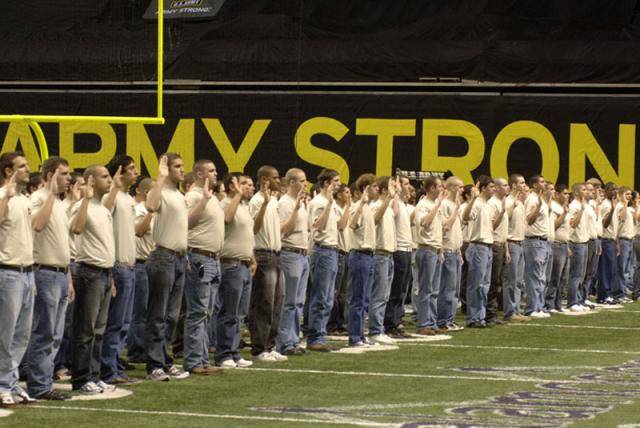
The law’s broad data-sharing authority also creates privacy and accuracy concerns. Congress did not identify which federal databases Selective Service will use or establish the technical standards for resolving contradictory records.
Erroneous registrations could involve exempt visa holders, incorrect addresses or duplicated identities. Congress required notice and a correction process, but the withdrawn regulation was supposed to supply the operational details.
Draftees still face a lottery, medical and administrative screening, classification, possible deferments and conscientious-objector claims. Registration functions as mobilization insurance rather than an augmentation program for routine recruiting shortages.
Constitutional Ground is Well Established
Congress has used conscription since the Civil War and enacted the Selective Service Act during World War I.
In 1918, the Supreme Court upheld the draft under Congress’ constitutional authority to raise armies and rejected claims that compulsory service violated the 13th Amendment.
Inductions ended in 1973, registration stopped in 1975, and President Jimmy Carter restored registration without conscription in 1980 after the Soviet invasion of Afghanistan.
As of mid-September, Congress has ordered a new registration system while the regulation designed to build it has vanished from active review. Eligible men must keep registering under the existing process.
A database intended to protect wartime readiness now faces an implementation deadline without a public plan for meeting it.
Read the full article here
