



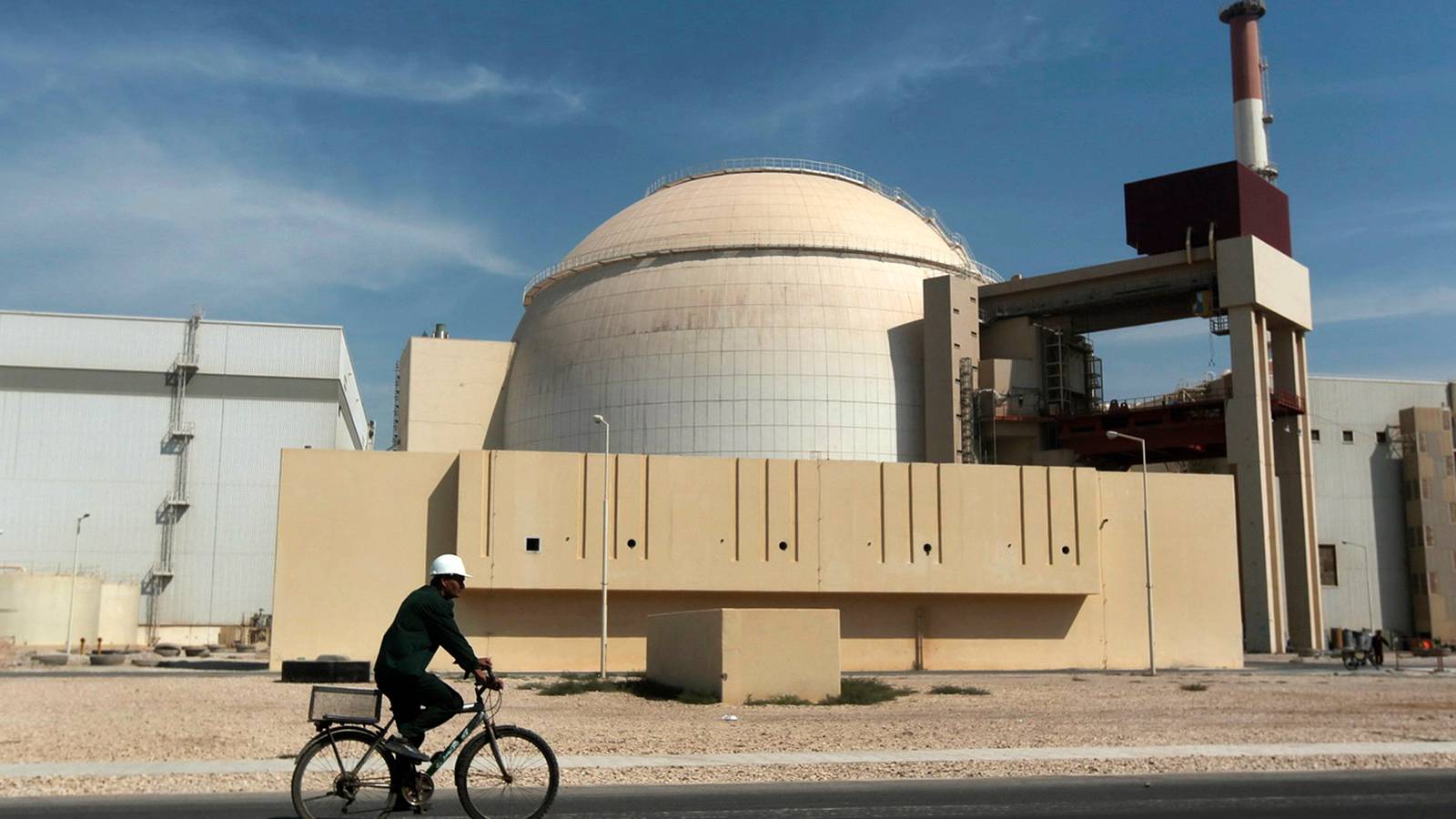

Russia and Iran are advancing a $25 billion nuclear power program that would add several Russian-supported reactors to Iran’s electrical grid.
Iranian Ambassador to Russia Kazem Jalali said Wednesday that the countries had agreed on the investment framework and selected land near the Persian Gulf for a new nuclear facility, according to CNN, citing Iran’s semi-official Mehr news agency. Iranian President Masoud Pezeshkian is also expected to meet Russian President Vladimir Putin next week.
The announcement represents movement on an existing project, rather than an entirely new agreement signed Aug. 26. Iran and Russia originally formalized the $25 billion construction deal in September 2025.
The latest statements suggest Tehran and Moscow intend to continue the project despite war, sanctions and renewed scrutiny of Iran’s nuclear activities.
What Russia Has Agreed to Build
The 2025 agreement calls for Russia’s state-owned Rosatom to support construction of four Generation III reactors near Sirik in Iran’s southern Hormozgan province.
The proposed complex would occupy roughly 500 hectares and generate a combined 5 gigawatts of electricity.
That project forms part of a broader intergovernmental framework under which Russia could help Iran build as many as eight nuclear power units. Iran already operates one Russian-built reactor at Bushehr, which has approximately 1 gigawatt of generating capacity.
Claims that the United States “totally obliterated” Iran’s nuclear program have left the impression that Iran no longer possesses functioning nuclear facilities.
Iran still operates the Russian-built Bushehr Unit 1, the country’s only commercial power reactor, which the International Atomic Energy Agency lists as operational with 915 megawatts of net capacity.
The Bushehr complex did come under attack several times in 2026. Projectiles damaged at least one non-reactor building and killed a plant security employee, but officials reported no damage to the reactor, nuclear fuel or radiological barriers and no radiation release.
Iran has struggled with electricity shortages during periods of high demand, giving Tehran a legitimate economic reason to pursue additional generating capacity. Four reactors producing 5 gigawatts would substantially expand the country’s small civilian nuclear power sector.
The arrangement also creates a long-term strategic dependency. Nuclear power plants require specialized fuel, replacement components, engineering support and technical expertise for decades.
Russia would therefore gain an enduring role in Iran’s energy system, while Iran would secure technology and financing that Western companies cannot provide under current political and sanctions conditions.
Putin and Pezeshkian Prepare to Meet
Pezeshkian and Putin are expected to meet during the Shanghai Cooperation Organization summit in Bishkek, Kyrgyzstan, scheduled for Aug. 31 and Sept. 1. The Iranian president’s office had not officially confirmed the meeting as of Wednesday, although Iranian media reported that he planned to attend.
The leaders already signed a 20-year comprehensive strategic partnership treaty in January 2025. That treaty calls for cooperation in energy, peaceful nuclear technology, defense, trade, banking and transportation.
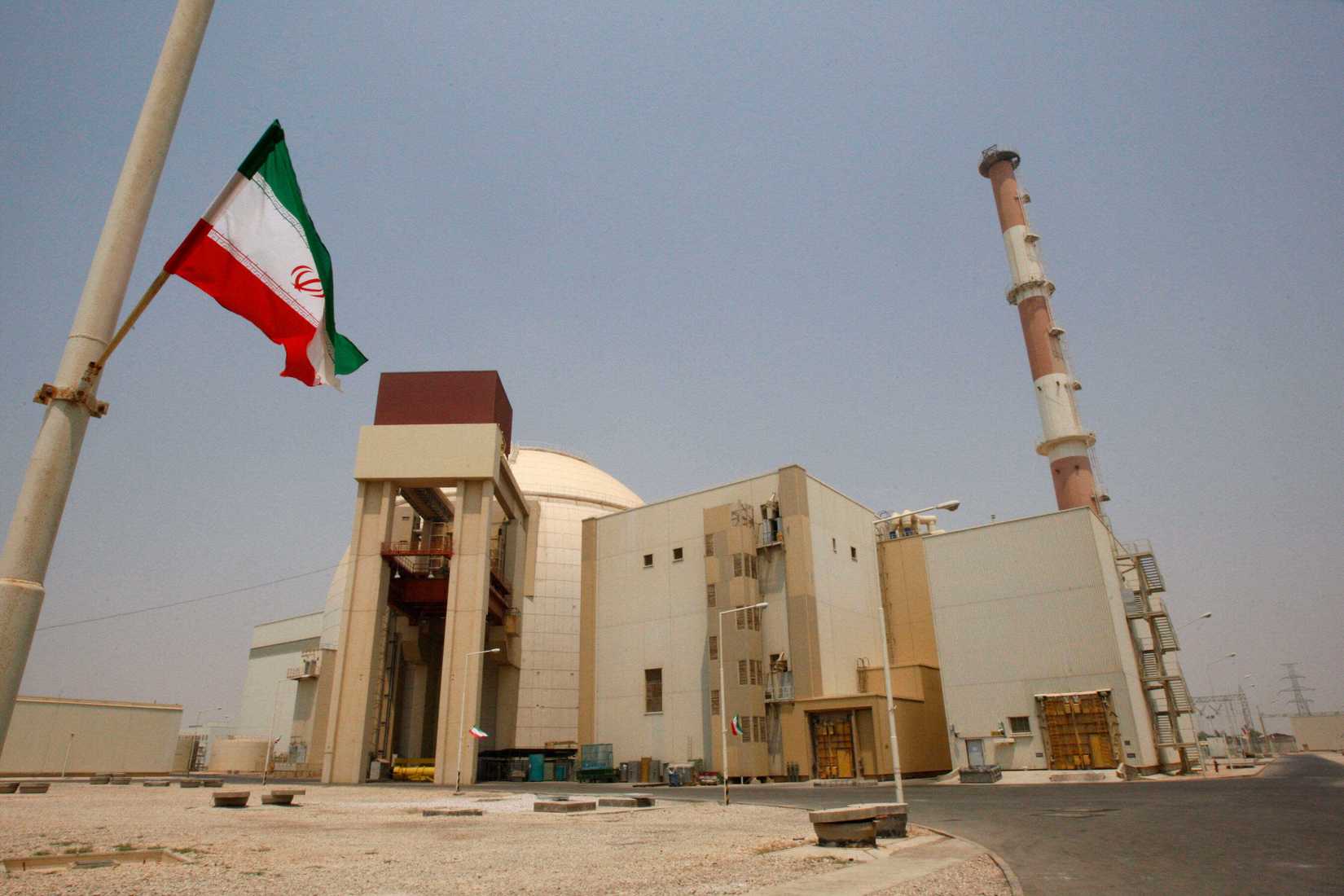
The nuclear construction program consequently fits within a larger effort to make Russian-Iranian cooperation resistant to Western sanctions and diplomatic pressure.
The upcoming meeting could provide more information about the reactors’ financing, construction schedule and security arrangements.
Neither government has publicly provided a firm completion date for the Sirik project, but large nuclear plants commonly face lengthy licensing, construction and infrastructure requirements even without an active regional conflict.
Tuesday’s Secretive CIA Meeting in Moscow
The announcement came one day after CIA Director John Ratcliffe made a rare visit to Moscow.
Ratcliffe met Russian intelligence officials Tuesday, although the Kremlin said he did not meet Putin. Kremlin spokesperson Dmitry Peskov said Putin received an immediate briefing but declined to identify the subjects discussed.
President Donald Trump described the visit as “semi-routine.” A Ukrainian official said Washington informed Kyiv about the delegation and asked Ukraine to pause attacks against Moscow, St. Petersburg and some northern regions until the Americans departed.
The subject of Ratcliffe’s visit remains undisclosed, so its timing alone does not connect the talks to Iran or the reactor agreement. Its significance lies instead in Washington and Moscow preserving an intelligence channel during a period of open hostility. Such contacts allow the two nuclear powers to deliver warnings and manage escalation without indicating any broader reconciliation.
Moscow may hope that access to both Washington and Tehran will preserve its relevance as a possible intermediary in the Iran conflict.
That role remains limited because Russia’s deepening defense, economic and nuclear cooperation with Iran gives it influence in Tehran while also giving Washington reason to question whether Moscow could act as a neutral broker.
A nuclear power contract does not, by itself, establish that Iran intends to build a weapon. Civilian reactors and weapons programs serve different purposes, and the International Atomic Energy Agency conducted a routine inspection at Bushehr in June.
The larger picture revolving around safeguards remains serious, however. The IAEA said it had not inspected Iran’s other declared nuclear facilities during the reporting period and had lost continuity of knowledge over nuclear material at sites affected by military attacks.
Read the full article here
