



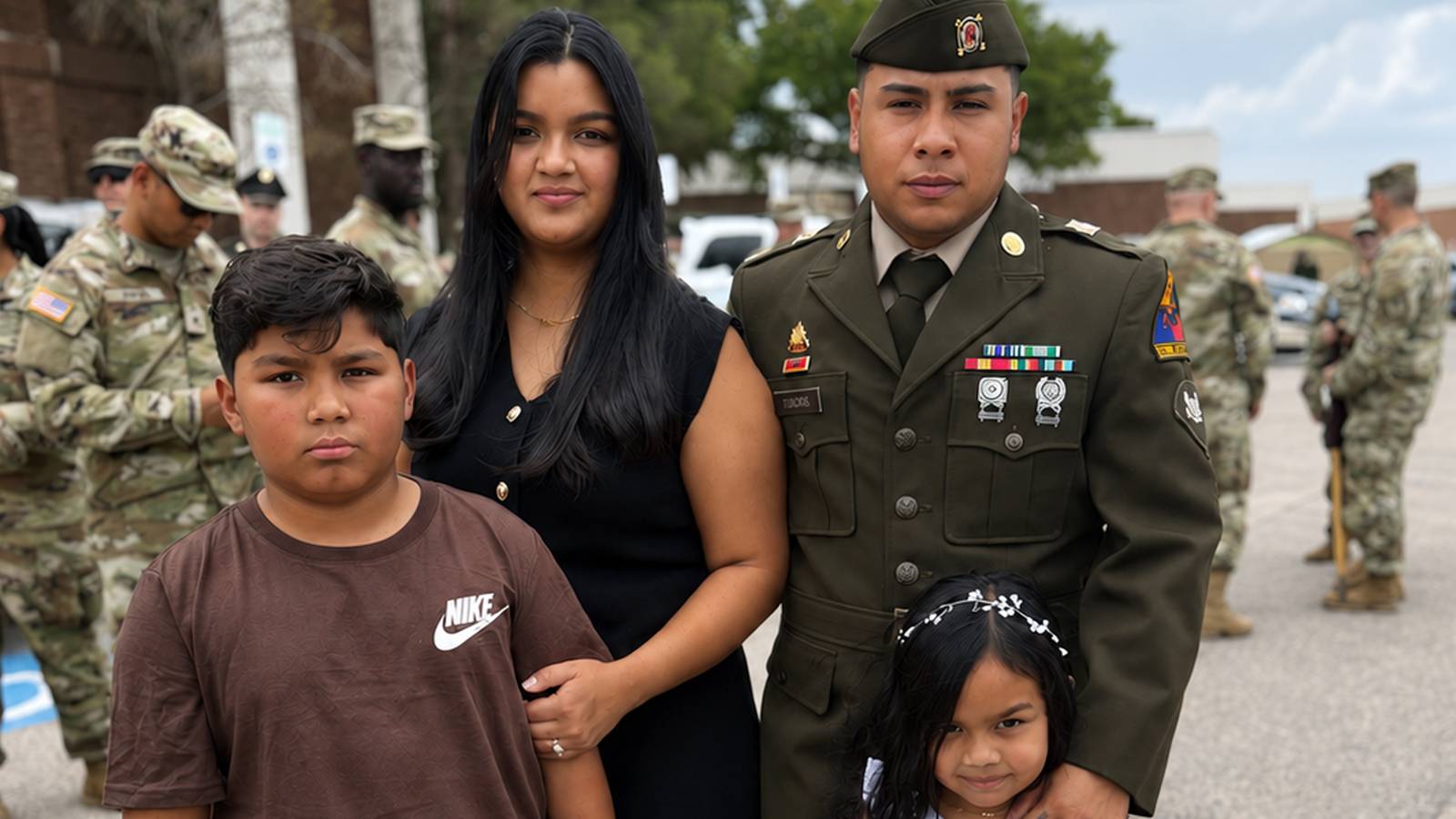

Federal immigration officials scheduled the wife of a Fort Bliss Army sergeant for a deportation flight this week but halted her removal after what the Department of Homeland Security (DHS) described as a “legal impediment,” the agency confirmed to Military.com.
DHS said Cristy Maryori Villafranca Trejo, a 29-year-old Honduran national, was removed from a flight scheduled for Aug. 17 and that her claims would be considered by the Justice Department. Her husband, Army Sgt. Hedár Leonel Turcios Juárez, told Military.com that the attempted removal occurred Tuesday, Aug. 18, after his wife repeatedly told officers that a challenge to her 2017 removal order remained pending.
“On August 17, Cristy Maryori Villafranca-Trejo, from Honduras, was removed from her scheduled deportation flight after a legal impediment developed,” a DHS spokesperson told Military.com. “Her claims will be heard before the Department of Justice, and she will receive due process.”
The department did not identify the legal impediment, explain when officials became aware of it, or say how far the removal process had progressed. It also did not identify the airport or intended destination, whether Villafranca boarded an aircraft, or answer whether another removal attempt could be imminent.
DHS did not respond to follow-up questions seeking to reconcile the date discrepancy.
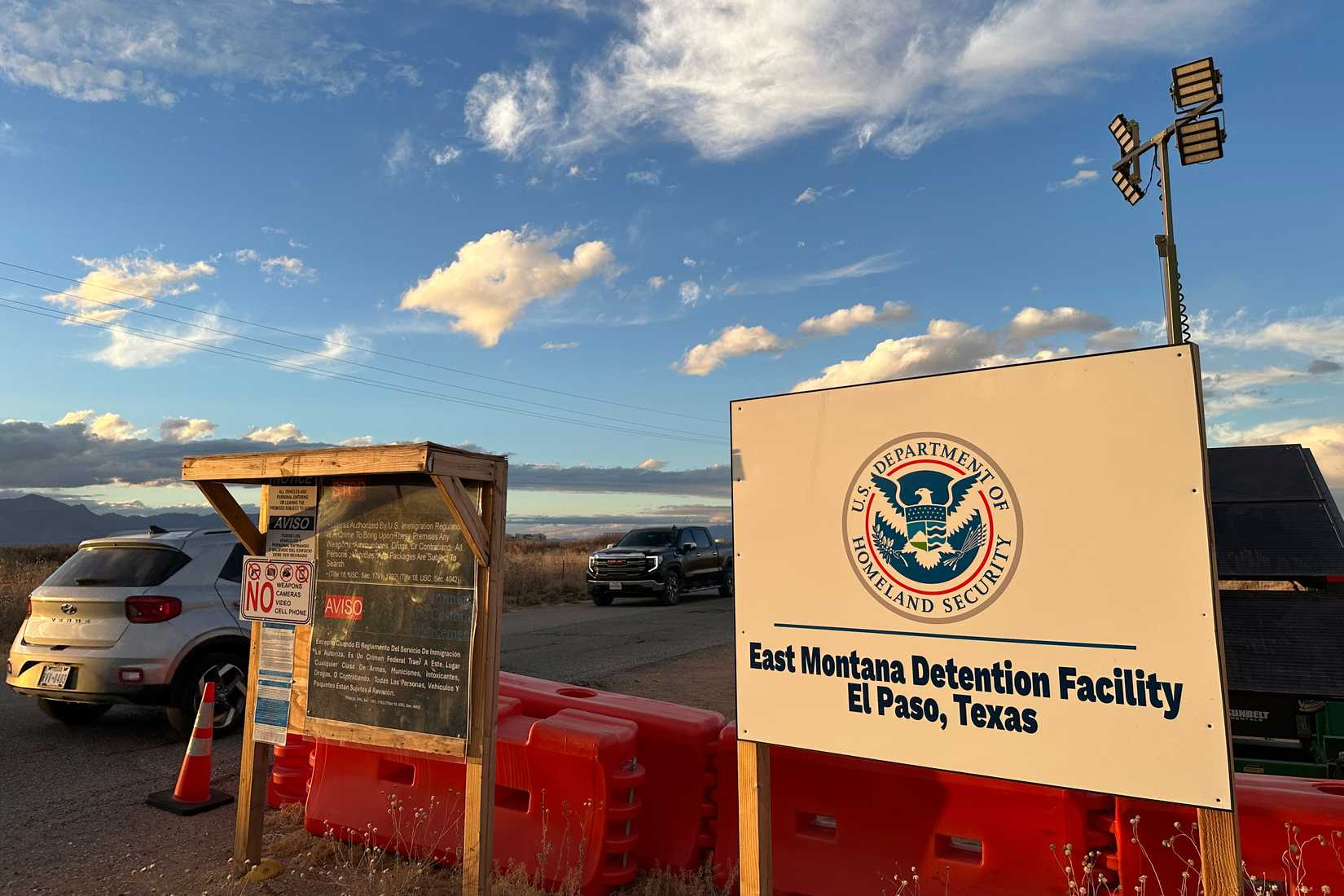
Villafranca has been held since July 11 at Camp East Montana, an immigration detention facility at Fort Bliss—the same installation where Turcios serves as an E-5. She had been the primary caregiver for the family’s children while he worked, trained and deployed.
Her detention left him trying to meet his Army responsibilities while arranging temporary child care and helping manage her immigration case.
Taken From Detention for Deportation
Turcios said his wife told him that officers took her from Camp East Montana and were preparing to deport her when she began asking them to check the status of her case. She became frightened and suffered a panic attack, he said.
According to Turcios, Villafranca said officers initially accused her of trying to delay the deportation. She also told him that officers said they knew her husband was in the military, but that his service would not affect the removal.
Turcios was not present for those exchanges. DHS did not respond to questions about the alleged statements or whether Villafranca received medical treatment during the episode.
An immigration officer later called Turcios and asked him for information about the pending case, he said. Turcios provided the information he had, and the officer later told him that Villafranca would be returned to Camp East Montana.
“She was about to be put on a plane to be deported,” Turcios told Military.com.
Marigloria Rivera and Efraín Díaz, the attorneys Turcios identified as representing his wife, did not respond to requests for comment before publication.
Without an explanation from the attorneys or DHS, it remains unclear what legal action stopped the removal or whether it continues to protect Villafranca from deportation.
Arrested in Front of Their Daughter
U.S. Immigration and Customs Enforcement (ICE) agents arrested Villafranca on July 11 as the family returned from a Walmart in El Paso, according to Turcios. Their 6-year-old daughter, a U.S. citizen, was in the backseat.
Turcios said an unmarked vehicle followed the family before three or four vehicles surrounded their car. Agents showed him paperwork connected to his wife’s removal order and took her into custody.
“My daughter got scared. She started crying,” Turcios said.

DHS described the arrest as a “targeted immigration enforcement operation.” The department said Villafranca entered the United States illegally in 2016 and was released into the country during the Obama administration.
Turcios said his wife entered with her son in 2016, was processed by immigration authorities and released with an ankle monitor. She attended several appointments before the monitor was removed, he claimed.
Documents previously obtained by N+ Univision showed that a Kansas City immigration judge issued Villafranca a removal order in absentia on June 22, 2017. The order said she had received written notice with the hearing’s date, time and location, according to the network.
Turcios disputes that account. He said his wife never received the notice and did not learn about the order until 2024, after he became a U.S. citizen and the couple began trying to resolve her status.
The family filed a motion to reopen the case, which was denied, and then appealed to the Board of Immigration Appeals, Turcios said. That appeal remained pending when Villafranca was detained.
Turcios said the family also filed an I-130 petition for an immigrant relative and applied for military parole in place, a discretionary immigration option available to some spouses, parents and children of service members. Villafranca completed biometrics for the parole application in September 2025, he said.
U.S. Citizenship and Immigration Services (USCIS) guidance says that being the spouse, parent or child of an active-duty service member ordinarily weighs heavily in favor of parole in place when the applicant has no criminal conviction or other serious adverse factors. A grant remains discretionary and does not remove the need to satisfy other immigration requirements.
Haim Vásquez, an immigration attorney consulted by N+ Univision for its earlier coverage, said a pending military parole application or appeal does not automatically suspend a final removal order.
Turcios said his wife has no criminal record. DHS did not answer when Military.com asked whether it alleges that Villafranca has any arrests, charges or convictions apart from her immigration case.
Detention Upends a Soldier’s Family Care Plan
Turcios has served in the Army for a little more than three years.
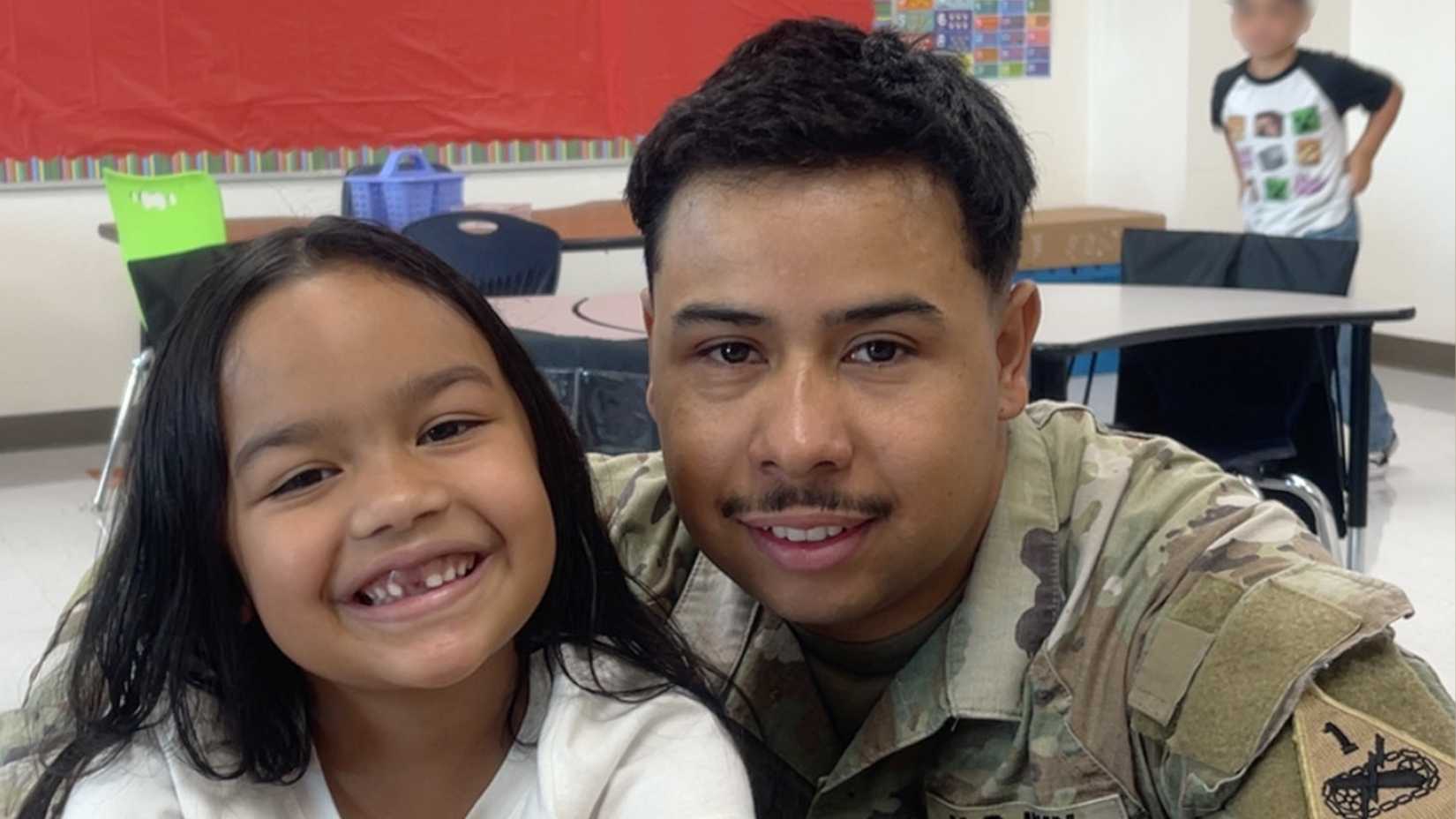
He said Villafranca cared for their daughter and his 12-year-old stepson throughout his military career, including during a nine-month deployment in 2023 to the Middle East.
“She has been my everything,” he said. “She was always there to support me.”
Turcios said Villafranca was the person designated in his Army family care plan. Such plans establish who will care for a soldier’s children when military duties, training or a deployment take the soldier away from home.

Since her arrest, Turcios’ sister has flown to El Paso to help care for the children while he works. The arrangement cannot last indefinitely because his sister has a family of her own, he said.
His chain of command has given him time to take his daughter to school, speak with attorneys and address the immediate problems created by the detention, Turcios said. The Army has not provided immigration representation, leaving the family to pay private legal expenses.
He said the strain could eventually affect his ability to remain on active duty, though no one in his chain of command has told him that his career is currently at risk.
“I truly want to keep serving this country,” Turcios said.
Camp East Montana’s location has made the separation more difficult. Turcios reports for duty on the installation where his wife remains in federal custody. He said he passes the home where the family previously lived together and visits his wife at the detention facility when he can.
An Associated Press investigation published Aug. 5 identified more than 50 parents and spouses of active-duty service members detained since President Donald Trump returned to office.
At least six had been deported, and at least eight immediate family members remained in federal custody, according to the AP. DHS told the AP that it does not track such cases.

DHS also did not answer Military.com’s questions about whether ICE considers the effect a detention or removal could have on a service member’s family care plan, duty requirements or deployment availability.
The department did not say whether immigration officials coordinate with the Defense Department or a service member’s command before removing an immediate relative.
Instead, DHS promoted its CBP Home self-deportation program in its response.
“Being in detention is a choice,” the spokesperson said. “We encourage all illegal aliens to take control of their departure with the CBP Home App.”
DHS said people in the country illegally could receive $2,600 and a free flight if they agree to leave voluntarily. The department did not explain whether the offer applies to Villafranca while her claims are pending before the Justice Department, or what leaving could mean for those proceedings and her ability to return legally.
Turcios said he wants his wife released while the family continues pursuing her case through the legal system.
“I’m not asking for special treatment. I’m not asking to be above the law,” he said. “I’m just asking for my family to be together so I can continue with my military career.”
Read the full article here
