



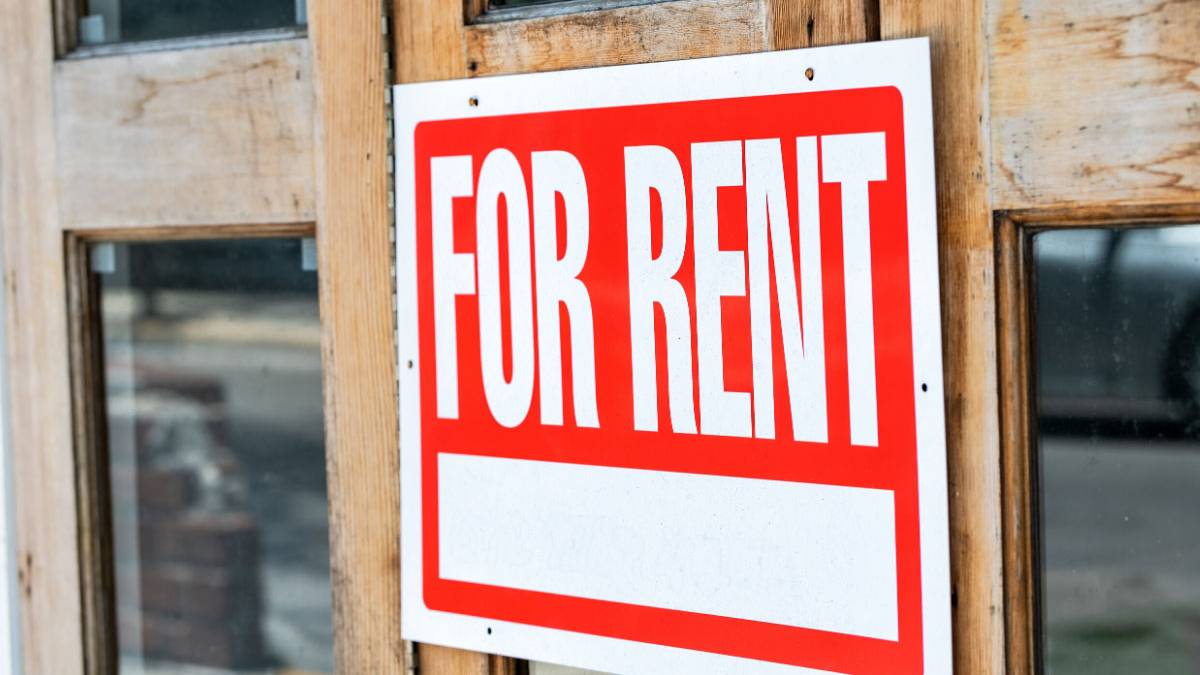

If you have Permanent Change of Station (PCS) orders in hand and are thinking about renting out your home, the one thing that may catch you off guard is that your homeowners policy won’t cover you as a landlord. That is why you need landlord insurance, or a dwelling policy designed just for rental properties. It is a different type of coverage, and you need to know how it works before you hand over the keys to your new tenant.
This guide covers everything you need to know: choosing landlord insurance, navigating VA rules, screening tenants, and preparing your property before you PCS. Keep in mind that VA loan guidelines, landlord-insurance requirements, and local laws can vary by lender, insurer, and state.
Why Your Homeowners Policy May No Longer Apply
Once you go from being an occupant in your home to a landlord, your homeowners’ policy only covers owner-occupied homes. Renting out your home means your standard homeowners insurance policy no longer applies to tenant-occupied properties. You will need to get landlord insurance. These policies come in all shapes and sizes, so you will need to shop around and consider what you need to protect your rental property.
When is Landlord Insurance Required?
While not legally required, landlord insurance is often mandated by lenders to protect homeowners from the risks of renting, especially if you have a VA-backed loan. Make sure you notify your lender before any tenants move into your rental property.
As a landlord, you face many challenges you did not as a homeowner, such as government regulatory requirements, landlord taxes, and costs associated with renting a property. Therefore, having a landlord insurance policy is extremely important.
How Do I Choose a Landlord Insurance Policy?
The key is deciding what is important to you when deciding what type of insurance to buy. If you are worried about a tenant getting injured on your property, you will want public liability insurance. If you are worried about your tenant not paying their rent, rent guarantee insurance can give you peace of mind.
You will need to shop around to find the company that offers the coverage that best suits your situation. As with any type of insurance, the more it covers, the more you will pay.
How Much Does Landlord Insurance Cost?
The cost of your policy will depend on several factors, such as the location of the property, its value, the level of coverage you choose, and any add-ons you select, often called endorsements. You will have to balance the cost of the policy with how much out-of-pocket expense you will incur if you file a claim. Understanding the risks and how to mitigate them should be an important consideration.
The estimated cost of a DP-3 policy on a $300,000 home, including loss of rental income, and $300,000 in liability with a $1,000 deductible, is around $1,500 per year.
Note: Location, age, price, condition of your home, and liability coverage limits will have a big impact on how much your landlord insurance will end up being.
Dwelling Policies (DP) Explained
Landlord insurance can be a bit confusing, especially when agents use letters and numbers to identify types of policies. As a landlord, you are going to take out a “Dwelling Policy.” These policies are used for homes that you own and rent to a tenant. That is the biggest difference between a homeowners (HO-3) policy and a dwelling policy.
Three Levels of DP Policies
DP-1: This is a bare-bones landlord policy, covering only nine perils (fire, lightning, windstorm, hail, explosion, riot, aircraft, vehicles, and smoke) in many policies, and only at actual cash value (ACV), or your home’s depreciated value.
DP-2: This is a broader policy that covers named perils, but usually pays claims using replacement cost value (RCV) for your dwelling, but ACV for your personal property, such as appliances or furniture.
DP-3: This is called special form coverage and is the preferred policy for landlords because it is the most comprehensive option. It provides open peril, or all-risk coverage for everything except those excluded, like earthquakes or floods. You will also be covered at RCV for the dwelling itself, and ACV for your personal property.
What Does a DP-3 Policy Cover?
- Dwelling coverage (Coverage A): The physical structure of the home and attachments like garages.
- Other structure coverage (Coverage B): Detached structures, such as standalone garages, sheds, and fences.
- Personal property (Coverage C): Appliances left in the home for tenant use, but not tenants’ belongings (they need renters’ insurance).
- Fair rental value (Coverage D): If your home is damaged due to a covered peril, and you can’t rent it to tenants until repairs are completed, this can help you recover lost rental income.
Common DP-3 Exclusions:
- Ordinance or Law (costs to upgrade to modern building codes during repairs)
- Water Backup and Sump Pump Overflow (unless added endorsement)
- Intentional loss (criminal or fraudulent acts by owner)
- Mold, animal, and insect damage
- Neglect and normal wear and tear
- Earthquakes, nuclear hazard, flooding, and war
Common DP-3 Add-Ons and Endorsements
You can add endorsements to your DP-3 policy to cover liability, water back-ups, and updated building codes
- Personal Liability: Legal fees and medical bills if someone gets hurt on your property.
- Water Backup: Backed-up drains, sewers, or sump pumps.
- Ordinance or Law: Repair costs if local building laws require you to upgrade materials after a covered loss.
- Vandalism and Theft: Damage if your property is left vacant or if these specific perils are excluded from your DP-3 basic policy. Coverage depends on the base policy and endorsements.
- Equipment Breakdown: Repair or replace mechanical systems (HVAC, water heaters) due to electrical or mechanical failure.
HO vs. DP Insurance Comparison Table
|
HO-3 (Homeowners) |
DP-1 (Basic) |
DP-2 (Broad) |
DP-3 (Special) |
|
|---|---|---|---|---|
|
Primary Use |
Owner-occupied homes |
Vacant homes, rentals, or budget properties |
Rental properties, seasonal homes |
Rental properties, non-owner-occupied homes |
|
Structure Coverage (Dwelling) |
Open Perils, subject to exclusions |
Named Perils |
Named perils |
Open perils (All risks covered unless excluded) |
|
Personal Belongings Coverage |
Your belongings |
Optional or very limited |
Named perils |
Named Perils (Landlord property only) |
|
Loss Settlement (Structure) |
Replacement Cost (RCV) |
Actual Cash Value (ACV) |
RCV |
RCV |
|
Loss Settlement (Belongings) |
Usually ACV unless upgraded |
ACV |
ACV |
ACV |
|
Liability Coverage |
Included automatically |
Requires endorsement |
Requires endorsement |
Requires endorsement |
|
Loss of Use / Rental Income |
Loss of use for owner-occupant |
Limited |
Fair rental value |
Fair rental value |
Liability Considerations
When renting out your house, you need to consider liability factors to ensure your tenants are safe, reduce your risk, and are legally covered in the event of an accident or claim.
- Provide basic habitability standards like safe plumbing, heating, electricity, and structural integrity.
- Fix known unsafe property conditions to prevent slip-and-fall injuries.
- Ensure you have taken reasonable security measures (working locks, sufficient lighting in parking areas, security cameras) to address criminal activity.
- Conduct routine inspections and preventative maintenance. If you are not stationed near your rental home, a property manager may be a good option.
- Fix all repair requests promptly to reduce the likelihood of disputes and negligence claims
- Disclose and remediate any environmental concerns like lead paint or mold.
- Ensure your DP-3 landlord policy has adequate liability coverage. Standard limits are $100,000 to $500,000, with $300,000 being the recommended limit.
- Require tenants to carry renters’ insurance to cover personal belongings and reduce disputes.
- Consider extra liability protection through an umbrella policy for high-value claims.
- Screen all applicants fairly to avoid discrimination claims.
- Define maintenance duties, emergency steps, pet and guest policies directly in the lease.
Beyond securing the right insurance policy, renting out your home while moving under military orders also impacts your mortgage; specifically if you financed through a VA loan.
VA Loan Implications
Renting out a home financed with a VA loan is totally allowed as long as you have met the VA occupancy rules. However, renting does tie up your VA entitlement, and impacts your purchasing power if you plan to purchase another home using your second-tier VA entitlement after getting PCS orders.
Occupancy Rules
- The 12-Month Rule: This is a VA guideline requiring borrowers to certify they intend to occupy the property for at least 12 months.
- Military Exceptions: Getting PCS orders or sudden hardships allow you to rent the home out earlier.
Impact on your VA Entitlement
- Tied-Up Entitlement: Your active VA loan keeps a portion of your entitlement tied to the property until it is paid off, sold, or assumed by another eligible veteran.
- Second-Tier (Bonus) Entitlement: You can use your remaining entitlement to buy another primary residence with a VA loan.
PCS Checklist
Once your insurance and mortgage details are aligned, preparing your home and establishing a management plan will ensure a smooth transition before you report to your new duty station. Preparing your rental home prior to going PCS is important to ensure that you set yourself up for financial success, prepare your property for your tenants and figure out how you are going to manage the property from a distance.
- Screen applicants thoroughly using background, credit, and income verification.
- Convert your homeowner’s insurance policy (HO-3) to a landlord policy (DP-3).
- Obtain a lease specific to your state that includes a military clause, rules on animals, and landscape/maintenance duties.
- Check for local and state laws on landlord-tenant rules.
- Choose whether to manage the property yourself or hire a professional property manager.
- Create a binder with users’ manuals, any maintenance for appliances (HVAC filters, boiler levels).
FAQ
Do I need landlord insurance if I rent out my house after I PCS?
Yes. Homeowners insurance does not cover tenant-occupied homes. If you have a mortgage, your lender may require it.
Do my tenants need renters insurance?
Yes. Renters insurance protects your tenants’ personal belongings. Many landlords include a mandatory renters insurance clause in the lease to ensure tenants maintain coverage throughout their tenancy.
Can I manage my rental property myself while stationed elsewhere?
Yes, but it can be challenging. If you are stationed far away, a property manager can handle maintenance, inspections, tenant communication, and emergencies. Do-it-yourself management is possible, but you’ll need reliable local contractors and a clear communication plan.
Does standard landlord insurance cover loss of rent if my tenant stops paying?
No. Standard landlord insurance does not cover missed rent due to nonpayment. To protect against this, you can get a rent guarantee endorsement, which is a separate product not included in DP policies.
Can I switch back to homeowners insurance if I move back into the property or there is a gap in tenants?
Yes. Once the home becomes owner‑occupied again or temporarily unoccupied, you can switch back to a standard HO‑3 homeowners’ policy. Contact your insurer immediately when occupancy changes to ensure proper coverage.
Read the full article here
