



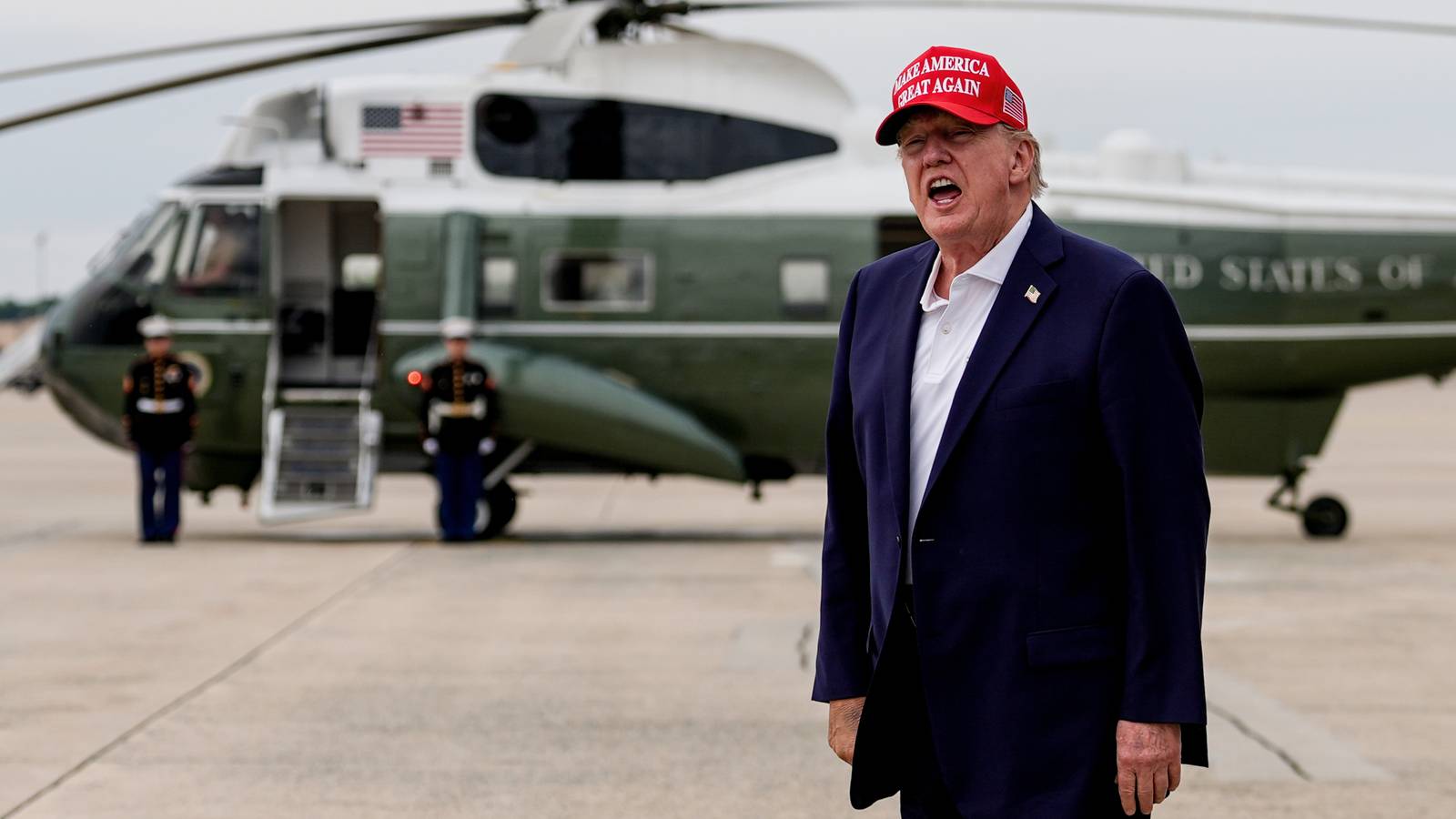

President Donald Trump’s order to dramatically minimize military exercises in Asia with a longtime ally has drawn mixed reactions from the political and military communities.
Trump, in a Truth Social post on Sunday, directed Defense Secretary Pete Hegseth to “substantially reduce” joint military exercises with South Korea, hours before the annual drills were set to begin. The president tied the decision in part to South Korea’s refusal to help with the war against Iran that was jointly launched by the U.S. and Israel in late February.
Trump called the exercises with South Korea too costly, even as his administration has asked Congress for roughly $87.6 billion in supplemental funding. About $67 billion of it is to replenish the Pentagon after the war in Iran. Trump’s post states that the exercises are “not only costly…but send a signal that is totally inappropriate and hostile” to North Korea.
He added that North Korea “has been unthreatening and respectful” during his presidency, writing, “Based on my very good relationship with Kim Jong Un, of North Korea, I am not happy with the fact that the United States has, long ago, agreed to participate in Joint Military Exercises with South Korea.”
Since it was too late to cancel, the drills will be scaled back rather than stopped. It was not immediately clear what a reduced version would involve.
South Korea’s Ministry of Defense said the exercises would “proceed as previously notified and scheduled,” according to Al Jazeera.
Military.com reached out to the Pentagon for comment.
A Decades-Old Exercise
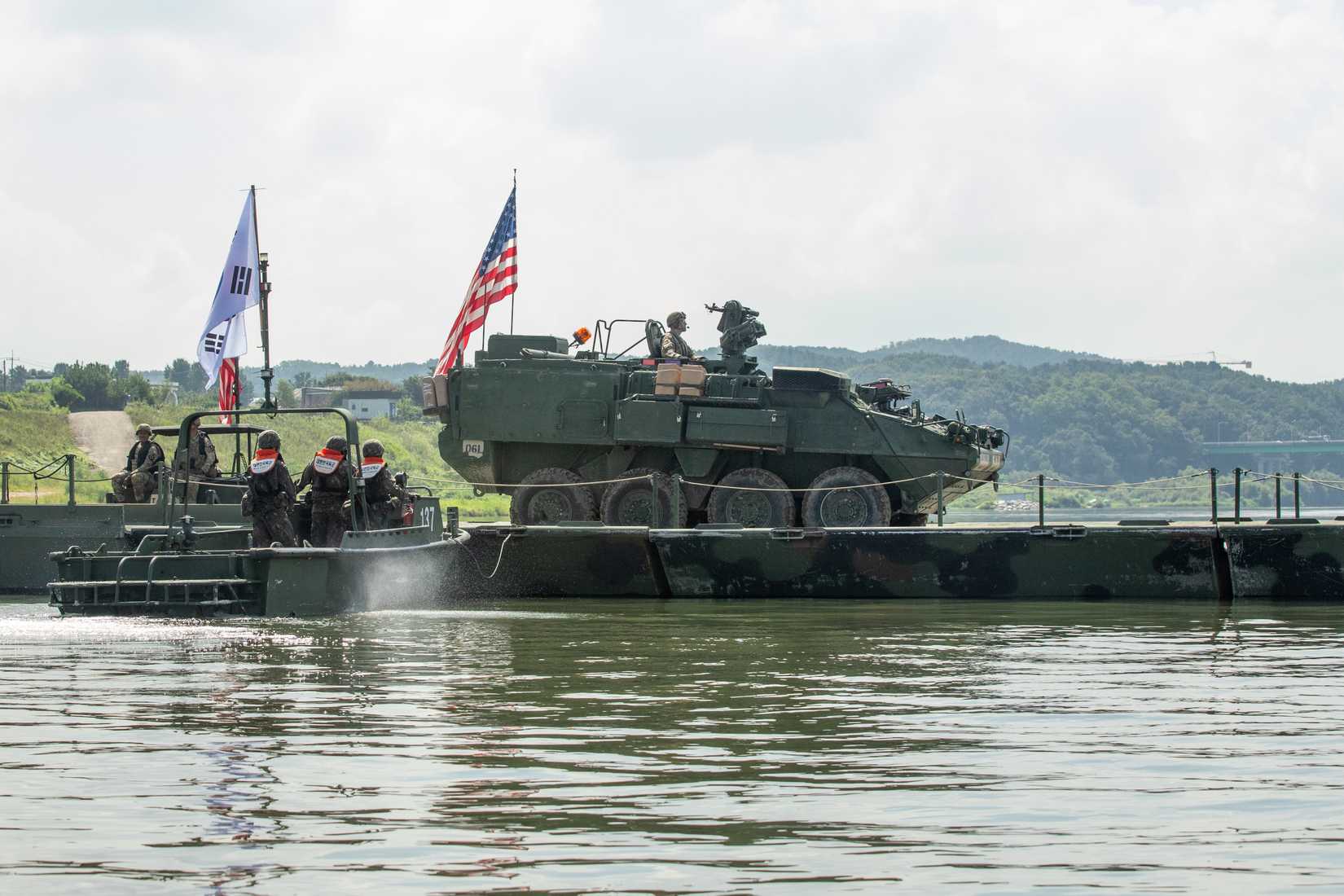
Known as Ulchi Freedom Shield, the exercises were scheduled to run for 11 days, from Aug. 17 to 27. They were set to involve 18,000 South Korean soldiers, as about 28,500 U.S. troops are currently stationed in South Korea.
They are one of two major combined exercises the two militaries hold each year.
President Trump previously put his finger on the pulse regarding the same military drills. In 2018, after Trump’s summit with Kim in Singapore, the Pentagon suspended a major exercise planned for that August.
At the time, Trump said it would save money and described it as ending a “provocative” practice. North Korea has long objected to these exercises.
Last week, it fired a ballistic missile toward the sea, its first such test since June, in what analysts assessed as a protest of the coming drills. North Korea has called the exercises a “rehearsal for an aggressive war” and threatened to retaliate.
Shifting Towards the Middle East
This pullback in the Pacific comes as the U.S. military moves resources toward the Middle East.
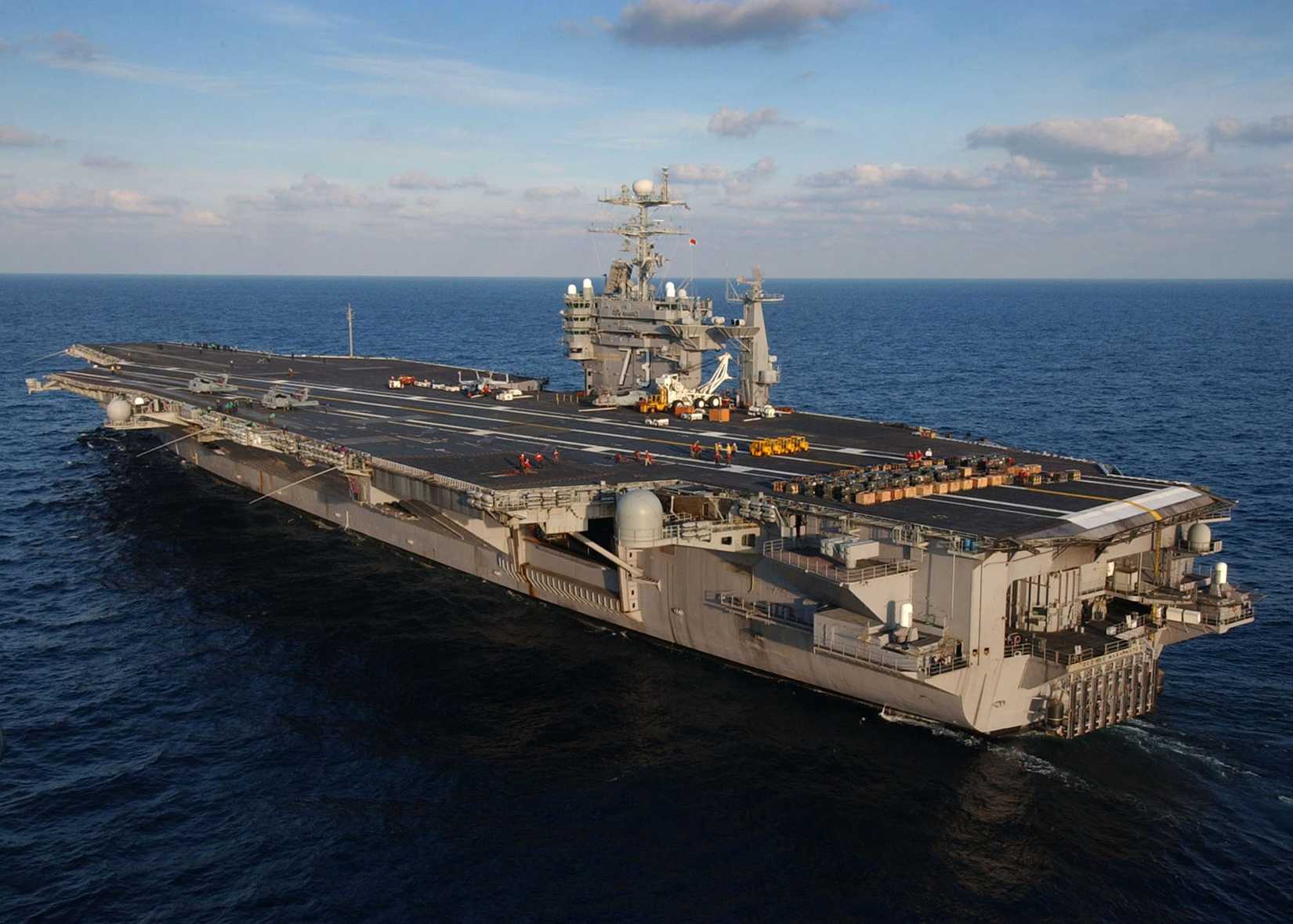
The USS George Washington is being redeployed from the Pacific to the Middle East. It is expected to replace the USS Abraham Lincoln, leaving the U.S. without an aircraft carrier in the Pacific. The war in Iran has cost approximately $37.5 billion, according to the Pentagon.
Until recently, South Korea’s defense role was praised.
In May, Hegseth praised the country’s commitment to increase defense spending and its “leadership in assuming primary responsibility for the security of the Korean Peninsula.” He called it a model of alliance burden-sharing that all of America’s partners would do well to follow.
Drills were still set to begin Monday, scaled back in a way that remained undefined. The Pentagon has not yet said how it would carry out the reduction.
Read the full article here
