



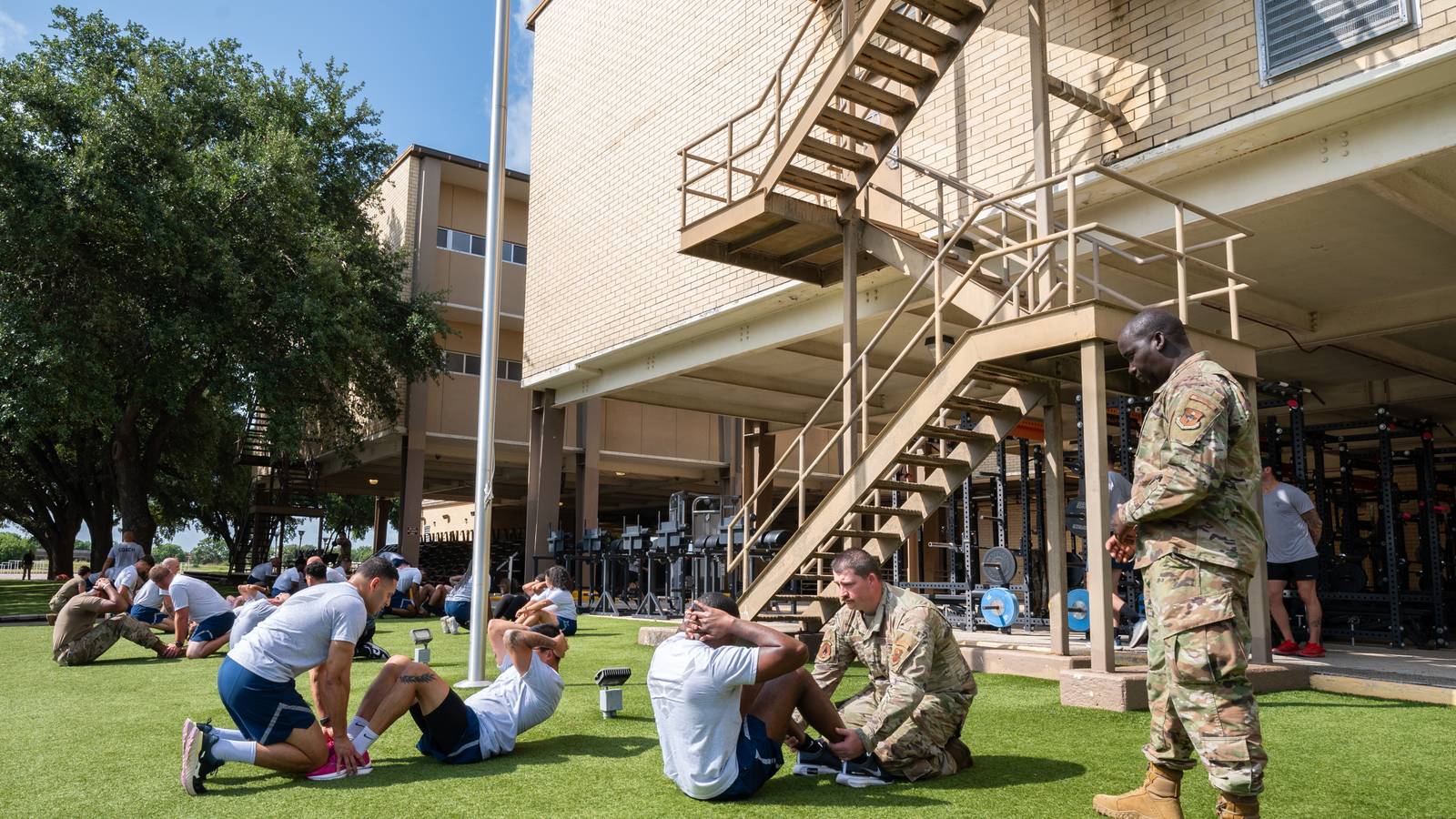

Preparing for any special operations program requires developing yourself into a “jack of all trades and master of none.” Simply put, the tactical athlete needs to be good at everything, including strength, power, speed, agility, endurance — run, ruck, swim — muscle stamina, flexibility, mobility and grip.
All these need to find their way into your preparation programming. Here is a question from an Air Force Special Warfare (AFSW) candidate who may have just discovered the complexities of putting it all together:
Stew, I have been overthinking my AFSW prep training for too long and just wanted to reach out. I tried the 10-day pushup and pullup routine. My max was 50 pushups, so I did 200 every day for 10 days and the same thing for pullups at 50 a day. After resting for 3 days, I was still only at 50 pushups. To be fair, my recovery wasn’t the best; I had some nights only sleeping 5 hours. Thanks, Roger
Thanks for the email. There is a lot to think about, so I wouldn’t say you are overthinking, but perhaps you’re overfocused on exercises that aren’t the most important. Recovery matters. You can have a perfect program and miss out on sleep and not see results. Same for bad nutrition. Do both poorly, and you will likely see negative results.
The 10-day pushup/pullup routine is a good one, but remember: The goal is to do that and push your muscle stamina each set. If you are doing lots of submaximal sets, you may not see the results you expect. But these are the easy parts of Air Force Special Warfare preparation. You have swimming, dozens of pool skills tested, running, rucking and many repetitions of calisthenics, log PT and other load-bearing activities. You need to get on a program that works holistically with your tactical fitness goals. When you are working multiple elements of fitness, recovery (sleep, nutrition, relaxation) needs to be near perfect. Performance does not care if you have the perfect fitness program to prepare; if recovery is not the other side of the equation, seeing gains will be minimal.
Remember, the tactical athlete preparing for special operations programs needs to be able to be good at everything, and this takes time. Not only do you need to work on weaknesses, which appear to be upper body muscle stamina, but you also need to maintain your strengths. The goal in your preparation is to not neglect any aspect of training needed to get accepted into the training program. That means doing well on the Initial Fitness Test (IFT), which includes pullups, situps, pushups, a 1.5-mile run, a 500-meter swim and two 25-meter underwater swims.
This is just Phase 1 of your preparation. Once you can do this well even on a bad day, you need to adjust your training to focus on what selection is going to be like. This will mean adding longer runs, rucks, swims with fins and other pool skills and team-building events that usually involve load-bearing.
Nutrition is not just for the energy of the upcoming workout but to aid in recovery from the previous days of workouts. Then sleep tops off the recovery process so you can see your performance become optimal and help yourself become a competitive Spec War candidate.
Make sure to address nutrition and sleep, as they are just as important as your efforts to improve in multiple areas of fitness. If you are unsure how to do this, consider the process of seasonal tactical fitness periodization, which helps you avoid ignoring weaknesses and to maintain your strength. For more information on training, recovery and the mindset needed for special ops programs, check out the Military.com Fitness Section.
Read the full article here
