



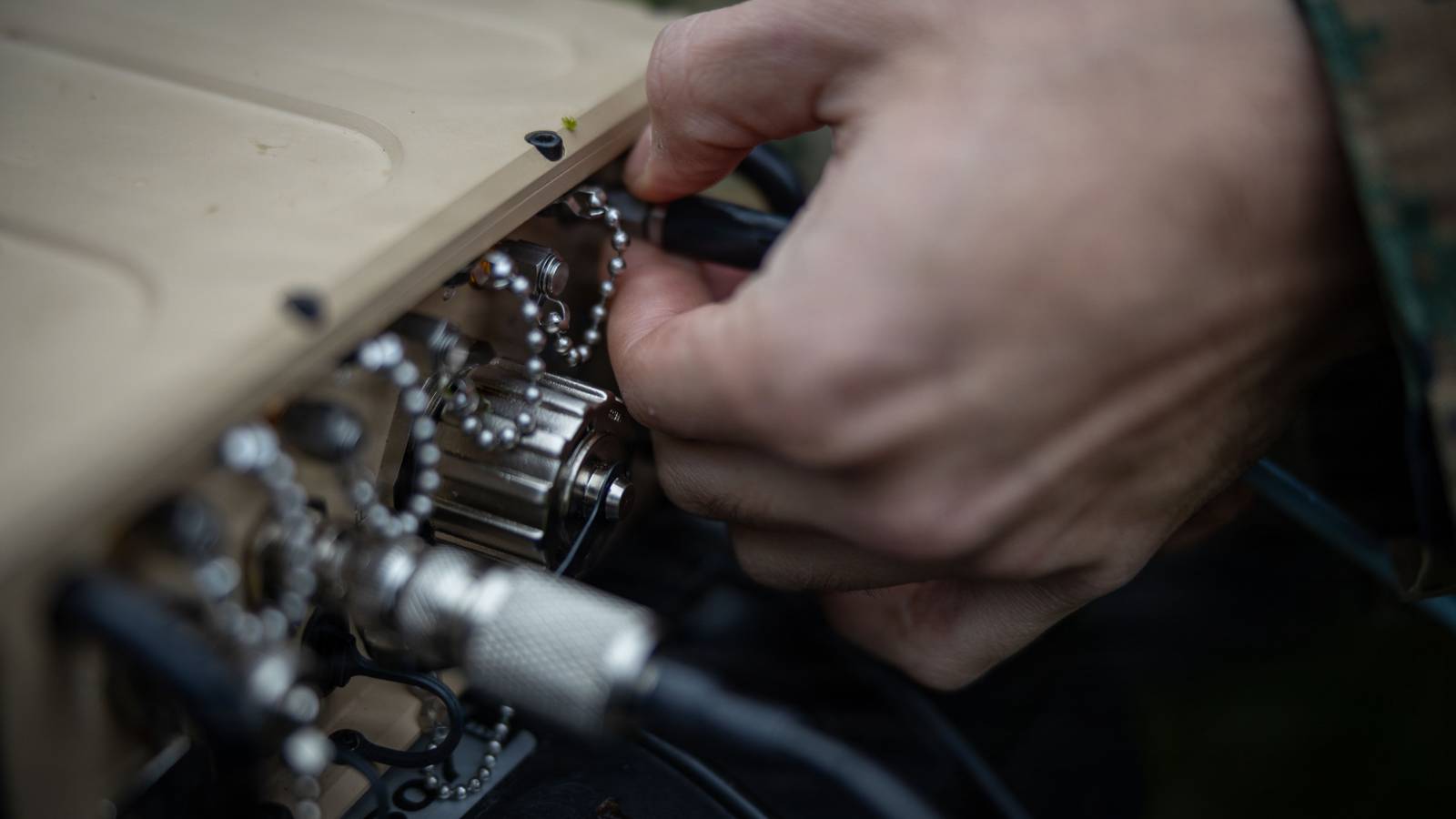

A Chinese national is facing up to 20 years behind bars after pleading guilty to attempting to obtain U.S. military technology.
Dingwei Chen, 29, a citizen of the People’s Republic of China, pleaded guilty Aug. 10 in federal court in Salt Lake City to violating the Arms Export Control Act, according to the Department of Justice (DOJ). U.S. District Judge David Sam accepted Chen’s guilty plea and scheduled sentencing for Oct 19. Chen faces a maximum penalty of 20 years in prison.
Authorities said that Chen attempted to purchase military-grade satellite modems and radios manufactured for the U.S. military by American companies. The legal ramifications were based on the specific communications hardware Chen attempted to buy, as they may not be legally exported from the United States without a license from the Department of State’s Directorate of Defense Trade Controls—which generally does not issue licenses to export military goods and services to China.
“Chen tried to divert sensitive U.S. military technologies to the People’s Republic of China, technologies the PRC could have used against us in the future,” said Assistant Attorney General for National Security John Eisenberg in a statement. “These advanced technologies are a product of United States ingenuity and investment, and the National Security Division will act together with our partners across the government to enforce our laws to protect the military advantage bestowed by such technologies.”
The case is being prosecuted by trial attorney Christopher Magnani, of the National Security Division’s Counterintelligence and Export Control Section.
Foreign Deals and Crypto Led to Arrest
Chen’s tech scheme involved multiple parties and different forms of payment.
Authorities, citing court records, said that Chen worked with others in China to try and acquire the sensitive communications systems from foreign arms dealers on the black market.
Discussions included various methods to export them to China after initial plans between Chen, his co-conspirators explored transporting the goods through Switzerland. The individuals also reportedly spoke about picking the good up in Saipan prior to finally deciding to smuggle goods through Mexico.
After making an initial down payment of over $40,000 U.S. dollars, the DOJ said that Chen and his co-conspirators switched to cryptocurrency, noting that “cold wallets are essentially anonymous bank accounts. Each transaction processed through them is private and untraceable.”
They paid roughly $30,000 worth of USDT, which is a type of cryptocurrency, with the down payments correlated to the purchase of 10 modems.

Chen and his co-conspirators reportedly communicated using an encrypted app to avoid detection. Chen claimed on that unnamed app that the payment was meant to just be an initial deal, with plans to use future funding to buy tens of millions of dollars’ worth of additional military equipment.
“Advanced communication systems—such as those increasingly sought after by adversaries for their sophisticated capabilities—are essential to protecting our war fighters and ensuring they can operate safely and decisively across modern battlespaces,” said Director James R. Ives of the Defense Criminal Investigative Service (DCIS). “Safeguarding this technology is critical to the men and women who rely on these systems when protecting our nation.”
Other Chinese Infiltration of American Systems
Cases like Chen’s are not few and far between.
In May, Eileen Wang resigned as the mayor of Arcadia, Calif., after being accused of acting as an illegal agent for the Chinese government.
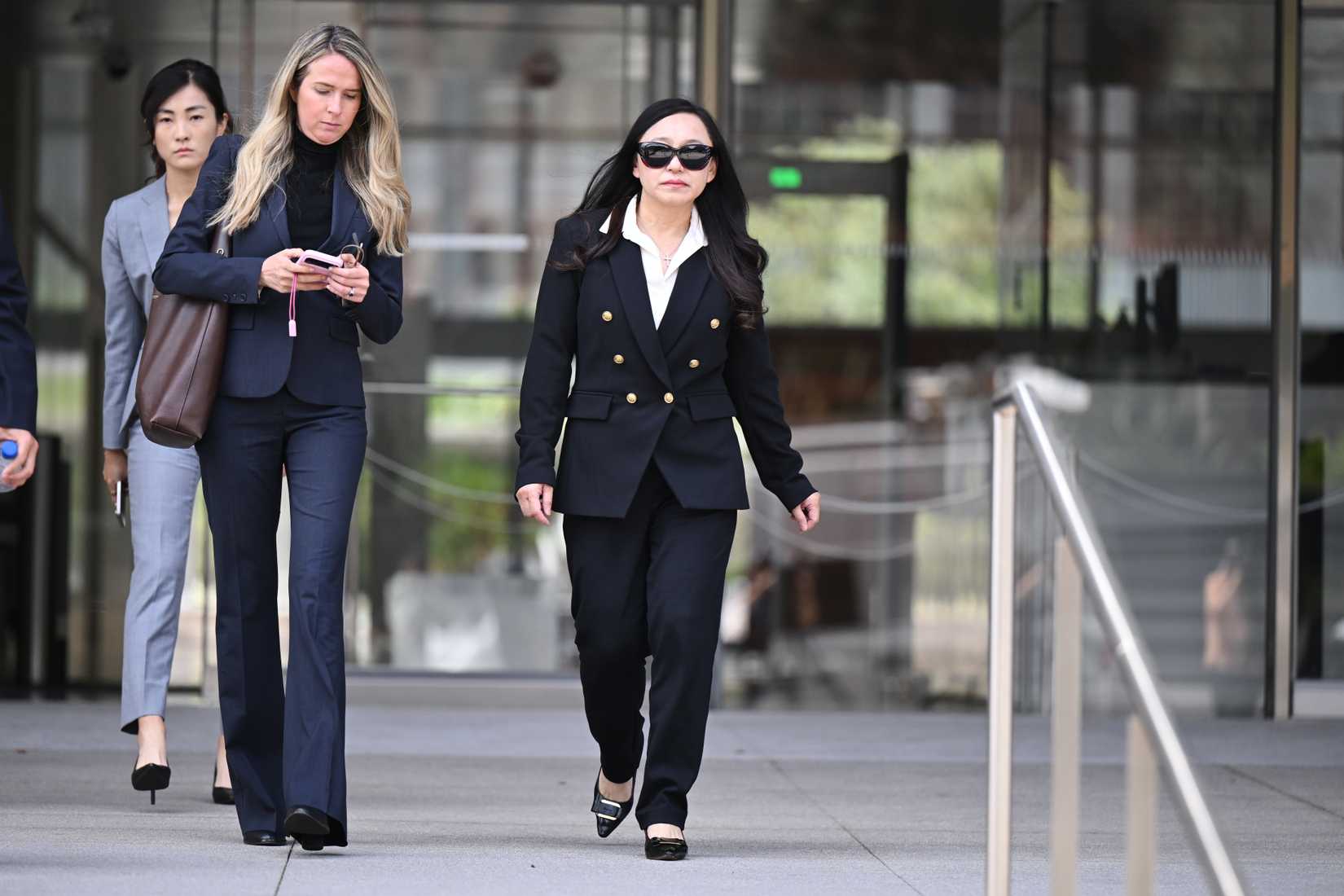
She admitted in her plea agreement that she did not notify authorities that she was acting in the United States as an agent of the People’s Republic of China, nor did she disclose that she was posting content on Arcadia’s website at the direction of the Chinese government.
Days later, Wang pleaded guilty to charges of acting as a foreign agent and using her former office to promote PRC interests and push Chinese propaganda through U.S. channels between late 2020 through 2022.
Wang faces up to 10 years in prison and three years of supervised release. She’s currently out of jail after posting $25,000 bond, which will remain consistent until her Oct. 6 sentencing.
Read the full article here
