



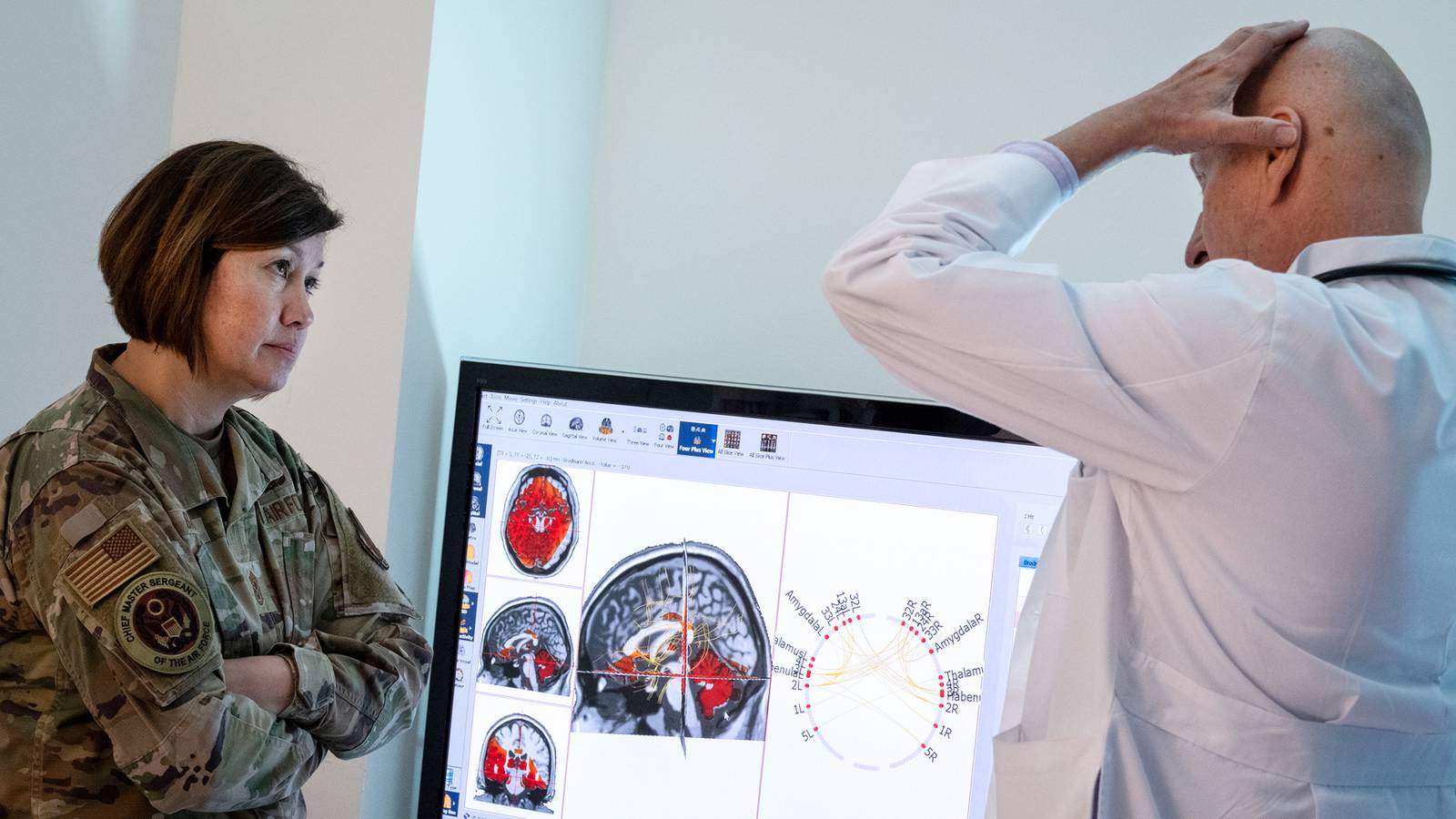

More than 142,000 post-9/11 veterans who screened positive for a possible deployment-related traumatic brain injury and agreed to a comprehensive VA evaluation did not ultimately receive one, according to a new Department of Veterans Affairs (VA) watchdog report.
The VA Office of Inspector General found that 301,177 veterans agreed to receive a comprehensive traumatic brain injury evaluation after screening positive between Sept. 11, 2001, and March 31, 2025. Only 158,907 received the evaluation, leaving 142,270 without the follow-up assessment.
The finding comes from a national review released Aug. 5, examining how the Veterans Health Administration screens and evaluates post-9/11 veterans for traumatic brain injuries, or TBIs. The review found that the VA was largely successful at getting eligible veterans through the initial screening process, but significant numbers fell out of the system before receiving the more detailed medical evaluation used to determine whether they actually had a TBI.
A positive VA screening is not itself a diagnosis. It indicates that a veteran could benefit from further assessment by a specialist.
TBIs became one of the signature injuries of the wars in Iraq and Afghanistan, particularly as troops faced repeated exposure to blasts from roadside bombs and other explosive weapons. The Defense Department recorded 515,885 service members diagnosed with TBI between 2000 and 2024, according to figures cited by the inspector general.
The inspector general cautioned that the figures cover more than two decades and do not necessarily reflect the VA’s current performance.
VA Screened Millions, but Follow-Ups Fell Short
The inspector general examined a population of approximately 2.9 million veterans who left active duty after 9/11 and received VA medical care.
VA initiated TBI screening for 2.7 million of them, or 94.4%. Of the approximately 1.7 million veterans who completed the full screening, 347,650 screened positive for a possible deployment-related brain injury. VA offered comprehensive evaluations to more than 95% of those veterans. The drop-off occurred afterward.
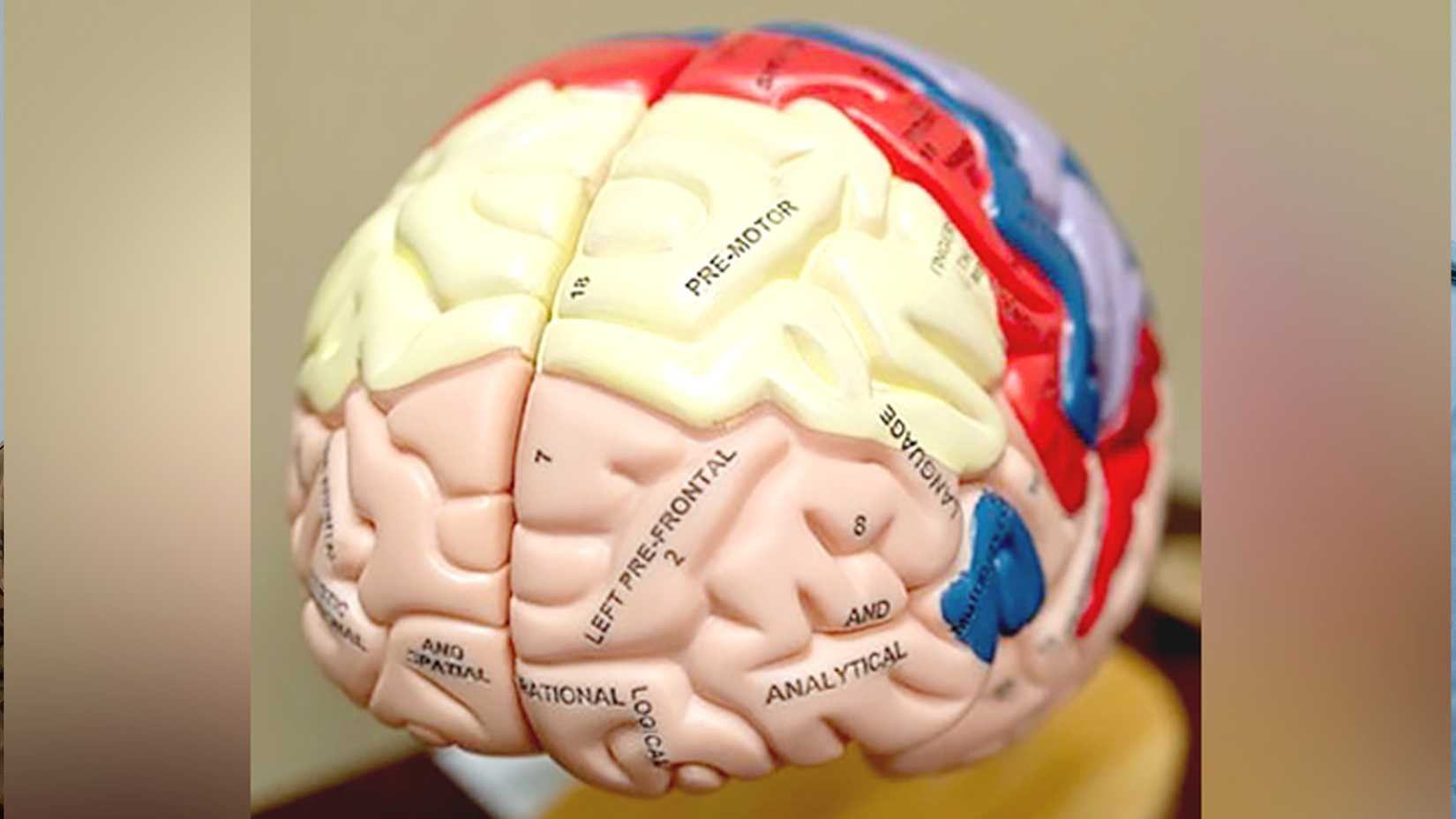
About 91% of veterans offered an evaluation agreed to one. However, only 52.8% of those veterans ultimately received it.
A separate analysis of veterans screened during Fiscal Year 2024 found the completion rate had improved to 61.1%, about 8 percentage points above the historical average. Even with that improvement, investigators concluded that veterans remained at risk of missing needed treatment.
The VA has also acknowledged the importance of specialized care for those injuries. Its Polytrauma/TBI System of Care links veterans with rehabilitation centers and other programs intended to address the long-term effects of brain injuries and related conditions.
Some Veterans Canceled. In Other Cases, VA Never Sent the Referral
The reasons veterans did not receive evaluations varied.
The inspector general reviewed the records of 100 veterans from the FY24 group who agreed to an evaluation but did not receive one. In 65% of those cases, the veteran canceled the appointment or did not respond to VA’s attempts to schedule it.
But investigators also found cases in which the breakdown occurred inside the VA.
In 15% of the records reviewed, VA staff never placed the required consultation for the veteran’s comprehensive TBI evaluation. More than 1/3 of the VA facility officials interviewed by investigators said some nurses and other employees responsible for performing the initial TBI screening did not have the ability to enter those consults themselves. They had to notify another provider and rely on that person to place the order.
Another 14% of the veterans in the sample had apparently received an evaluation, but VA staff did not use the required electronic template—meaning the evaluations were not properly captured in the department’s performance data.
Fewer Than Half Got Evaluations Within 28 Days
Getting an evaluation at all was only part of the problem.
The inspector general found that fewer than half of the veterans who completed comprehensive TBI evaluations following FY24 screenings received them within 28 days of their positive screen.
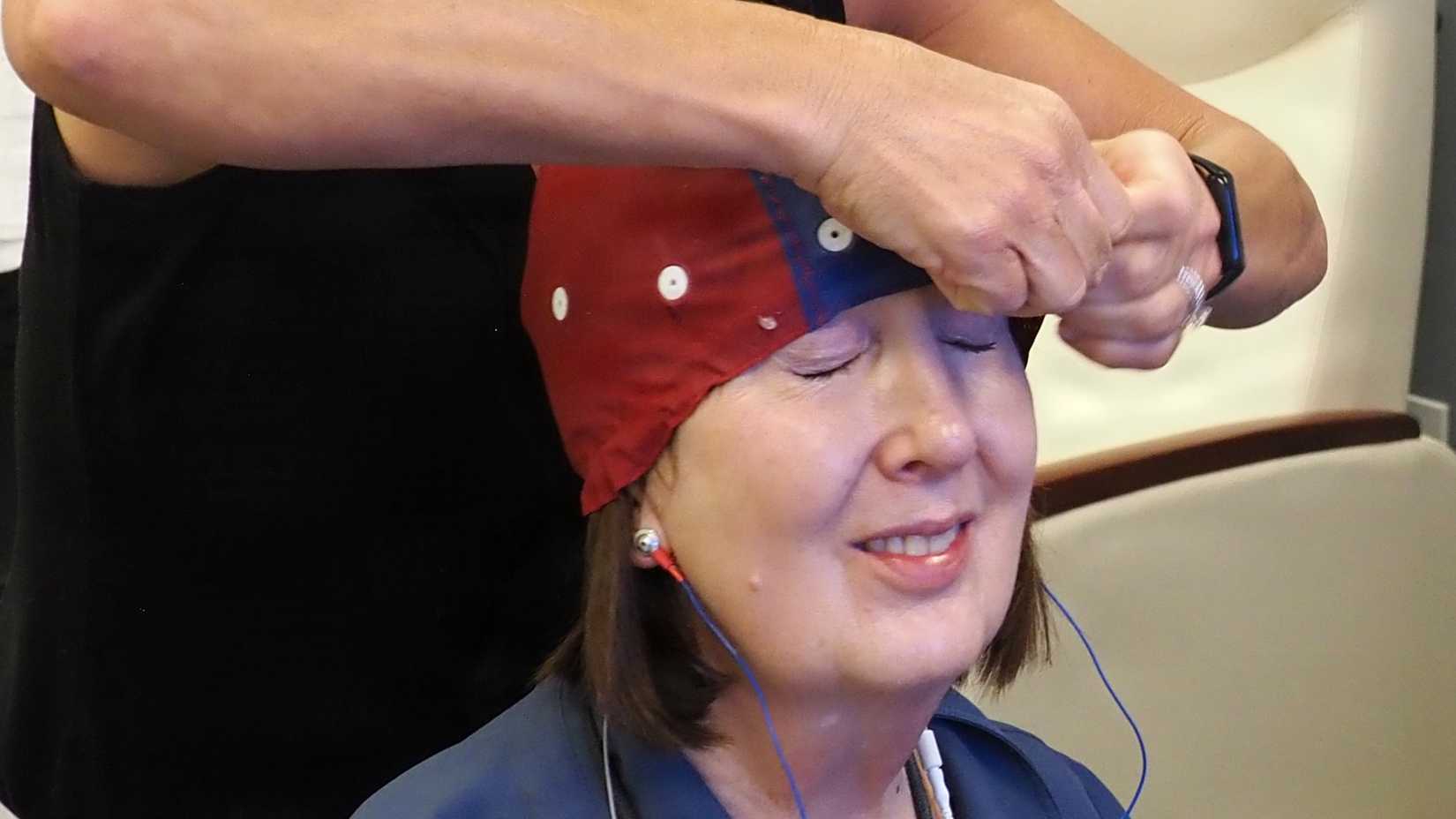
Under VA’s community care rules, specialty care that cannot be scheduled within the applicable access standard can make a veteran eligible to receive care outside VA. Yet, every VA facility representative interviewed by the inspector general said community care was not being used to complete the TBI evaluations when VA could not meet the 28-day requirement.
Officials cited concerns about finding community providers with the necessary TBI expertise and difficulties getting outside documentation back into VA’s system.
The VA’s national director for Physical Medicine and Rehabilitation Services told investigators that facilities should still follow VA policy and seek community care when the wait-time requirement cannot be met.
At one unnamed VA facility, a staff member canceled 135 pending TBI evaluation consults after unsuccessful attempts to find assistance during a year-long vacancy for the provider responsible for conducting the exams, according to the inspector general.
Another VA facility began helping with the backlog in June 2025, and 93 of the 135 evaluations had been completed by December.
VA’s Electronic Records Created Another Problem
Investigators also found that VA’s electronic template for comprehensive TBI evaluations was designed to be used only once.
That created trouble for veterans who returned to military service after an earlier evaluation, deployed again, and later screened positive for another possible brain injury.
A VA official told investigators that once the template had been completed for a veteran, it effectively “locks down.”
The inspector general identified 41 post-9/11 veterans who had previously received a comprehensive evaluation, later redeployed and then screened positive again. Nine did not receive the new evaluation because a consult was never placed.
For 13 others, providers could not use the standard evaluation template and instead documented the appointment through other means.
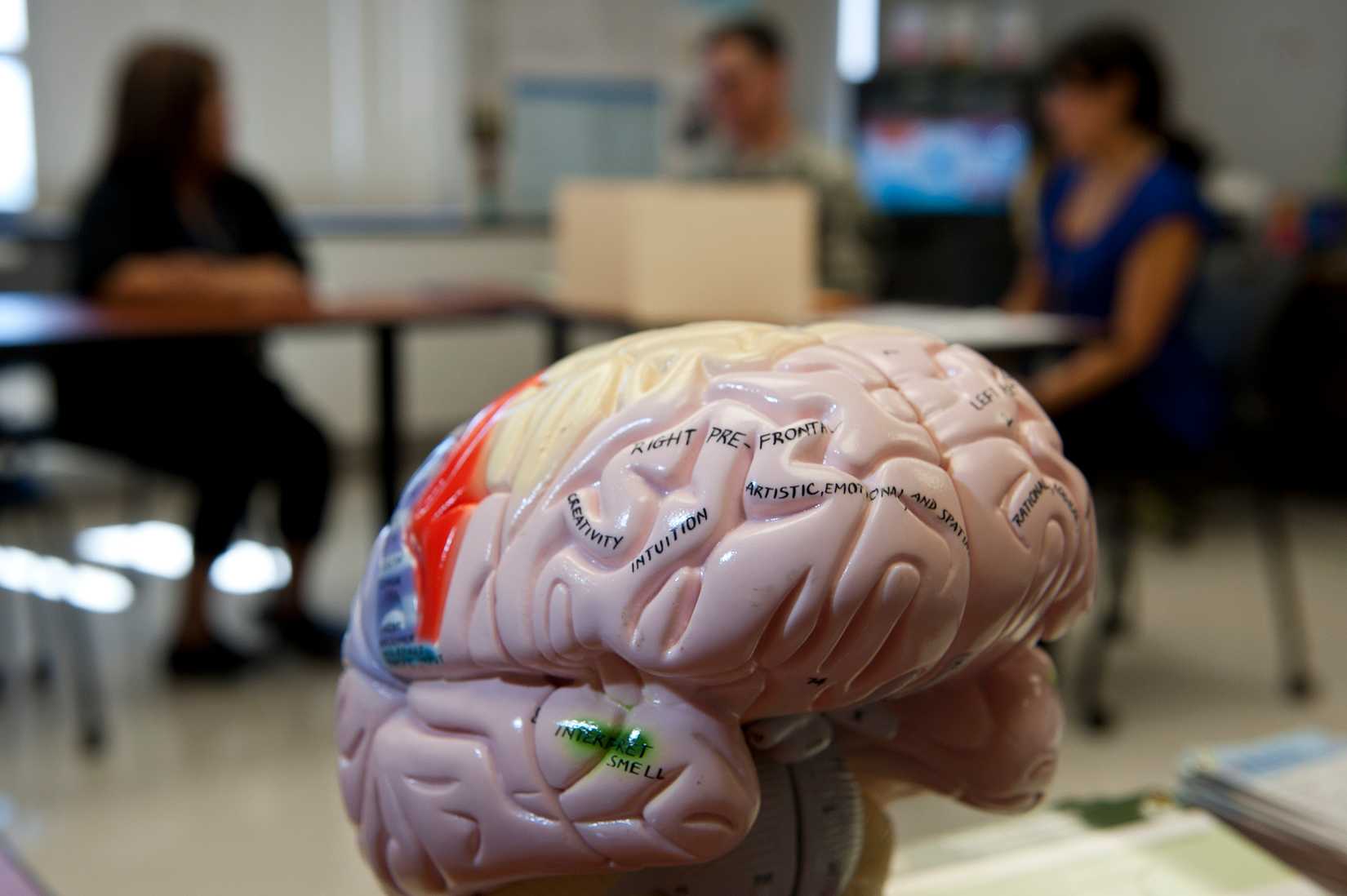
Department of Defense civilians and active duty service members attend a Traumatic Brain Injury Open House event March 20, 2014, at Tripler Army Medical Center located in Honolulu. (U.S. Air Force photo by Staff Sgt. Christopher Hubenthal)
The VA disputed some of the concerns surrounding that limitation, telling the inspector general that clinicians can use a separate follow-up assessment containing the same standardized material. The department said it plans to educate clinicians about that option.
VA Says Changes Are Coming
The inspector general issued three recommendations, including a review of the referral process after positive TBI screenings and consideration of a uniform system for directing veterans to available specialists elsewhere in VA’s Polytrauma System of Care.
The VA agreed with the first two recommendations and agreed in principle with the third.
The department said it will examine technical solutions that could improve referrals after positive screenings and standardize outreach when veterans cancel appointments or do not respond. Those changes have a target completion date of June 2027.
The department also plans to examine creating a uniform referral process and expanding resource sharing through a national tele-TBI hub by March 2027.
The inspector general said it will continue tracking the changes until the recommendations are completed.
Read the full article here
