



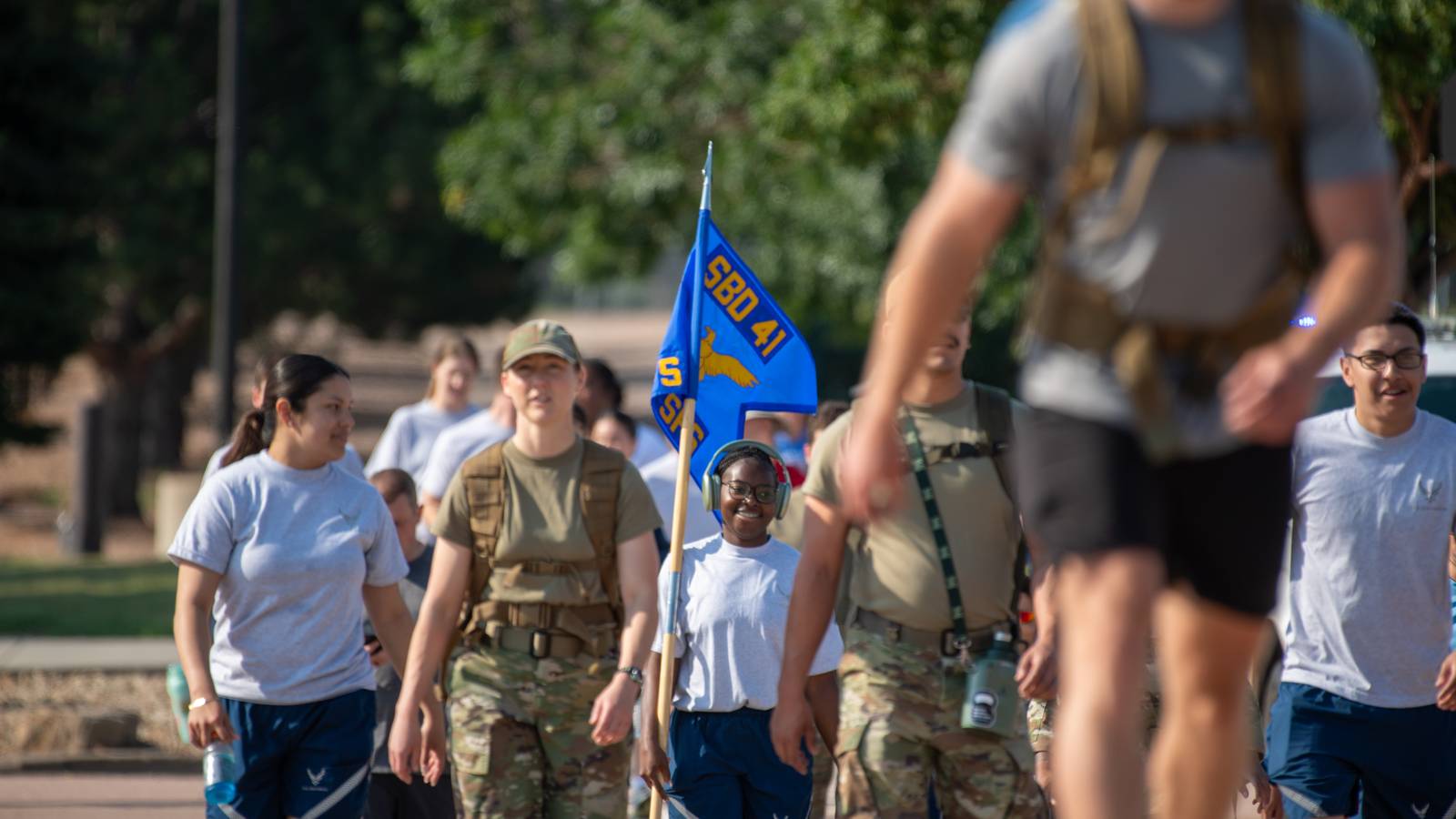

Walking is one of those exercises that helps us remain independent as we age. If you are able, never stop walking. Now, if you are a runner, lifter or active in sports, you may not think you get much from going for a walk. But if you are sedentary, a 15-minute walk can be a gut check. So, how walking will work for you depends on your current condition. Regardless, walking is something we must maintain and can use to stay healthy, stay alert at work, and de-stress after a challenging day.
When you are used to pushing your heart rate into the red zone, walking can easily be dismissed as something meant for beginners. However, incorporating a weekly long walk on your rest/recovery day and a daily 20-minute de-stressing walk are two of the most effective ways to boost mental health and physical performance and to recover from previous workouts. Here is the science behind both and how to implement a “walking plan” throughout your training week:
The Rest-Day Long Walk: High-Yield Active Recovery
Taking a long, leisurely walk of 60 to 90 minutes on your scheduled rest day shifts your recovery strategy from passive to active. Often, yard work or chores around the house can count as active rest for an active person, but walking or biking is especially effective for aiding the recovery process. In fact, active recovery does not ruin your recovery; it helps accelerate it. Check out the science behind recovery day walk (active recovery):
Accelerated tissue repair. If you get after it in the gym — lifting heavy, doing high-rep calisthenics or high miles of intense cardio — you will create micro-tears in muscle tissue. Your recovery is the process of healing and growth. Light movement on a recovery day, such as walking, increases microcirculation while keeping your heart rate and stress levels low. This increased blood flow delivers more oxygen and nutrients to fatigued muscles while helping the body dispose of waste products. Research shows that active recovery reduces delayed-onset muscle soreness (DOMS) more effectively than complete immobility.
Aerobic base building without stress. Heavy lifting and high-intensity interval training heavily stress your central nervous system (CNS) and require significant recovery each time you go intense. Science shows that a long, steady walk will improve heart health without stressing the body, giving you a bigger gas tank for your intense workout without causing extra muscle tissue breakdown.
Motion is lotion for joint health. Sitting still all day after a heavy workout day causes muscles and joints to tighten. Walking gets your hips, knees and ankles moving through foundational movement patterns, pumping synovial fluid through joints to keep them lubricated and pain-free. As you age into your 40s and beyond, stiffness is especially noticeable, and its absence is equally noticeable. These walks act as cool-down sessions from any type of stress in your life. Do them!
But, if walking is your entire workout, you receive similar benefits in heart, lung and mental health as well as physical independence by accumulating time walking each week. The recommended physical activity basics from the Centers for Disease Control and Prevention is 150 minutes each week.
The Daily 20-Minute De-Stress Walk (Midday Breather)
Adding a short, low-pressure 20-minute walk once a day, whether during a lunch break or in the evening, serves a completely different purpose than physical training: It helps to regulate your nervous system and your stress biology. A daily 20-minute walk in the middle of the day has been a go-to for many who sit at work most of the day, as an energy booster, a focus enhancer and a way to gain mental clarity as work stress accumulates. The science:
De-stress with walking and nature. High-intensity training is a form of physical stress. When combined with work stress, life demands and screen time, your body can remain stuck in a sympathetic “fight or flight” state. A landmark study published in Frontiers in Psychology found that taking just 20 to 30 minutes to walk or sit outdoors effectively reduced the primary stress hormone, cortisol. Walking in nature is even better, but walking anywhere will still help.
Reduce fatigue and increase energy. While the science says recovery is enhanced even with a 20- to 30-minute walk later in the day, so is the health of your brain. Feeling de-stressed and less mentally cluttered will help with physical recovery as well. Walking at midday will boost energy levels and mental clarity, helping you finish any tasks you started earlier in the day. If you write or need creativity and are feeling stuck, the walk is extremely helpful to finishing that project as well.
Glucose management. Taking a 20-minute walk after lunch or dinner activates large muscle groups (calves, quads and glutes) that pull glucose out of your bloodstream without requiring insulin. Research demonstrates that short post-meal walks significantly blunt blood sugar spikes, aiding metabolic health and preventing energy crashes later in the day.
Hard Training Needs Easy Movement
Being fit requires many processes to work in your favor. How you fuel yourself and sleep the night before will affect your physical and mental performance each day you train, study or go to work. Fitness isn’t just about how hard you can push yourself physically; it’s about how effectively you can recover and handle the stress of training. Hard workouts provide stress, but your recovery happens when you’re not training and less stressed.
By pairing high-intensity exercise days with a long active-recovery walk and daily 20-minute stress-relieving resets, you create a balanced hormonal ecosystem that reduces stress and improves your recovery. The combination helps you maintain a high volume of movement, lower systemic inflammation, reduce injury risks and keep your stress hormones in check.
Walking isn’t a downgrade from your workout routine; it’s the glue holding your recovery from training together. For beginners, walking is the gateway to improving health, longevity and independence later in life. See more articles on beginner fitness and advanced training recovery protocols in the Military.com Fitness Section.
Read the full article here
