



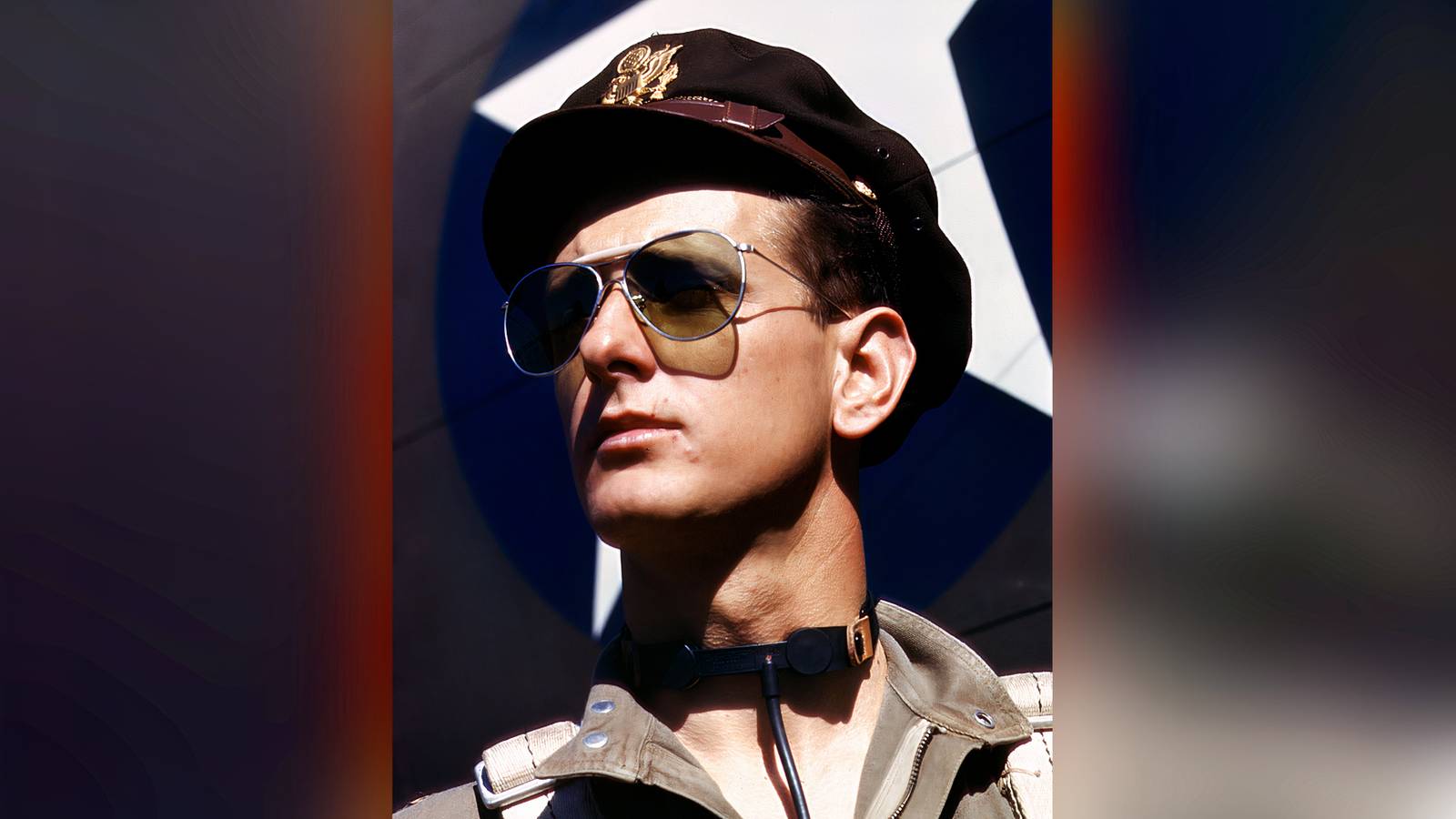

Percy Spencer was working near a magnetron in 1945 when he noticed the chocolate bar in his pocket had melted. The Raytheon engineer had been helping develop radar equipment, one of the technologies that allowed Allied forces to detect enemy aircraft and ships during World War II.
The unexpected puddle of chocolate suggested that the magnetron’s microwaves could do something besides locate approaching bombers. They could also cook lunch.
Spencer’s discovery eventually produced the microwave oven, one of many familiar products with roots in military operations, defense research or wartime manufacturing. Some inventions on this list were commissioned directly by armed forces. Others grew from civilian research funded by defense agencies or attempts to solve problems faced by troops.
Together, these inventions changed how people travel, communicate, eat, work and repair whatever just broke in the garage.
1. Microwave Ovens
After discovering that microwave energy had melted his chocolate, Spencer began experimenting with food near a magnetron. Raytheon patented his microwave-cooking technology and introduced the first commercial Radarange in 1947.
It did not resemble the appliance sitting above most American stoves. Early models stood nearly 6 feet tall, weighed more than 750 pounds and required water cooling. They were mostly installed in restaurants, ships and institutional kitchens.
Smaller countertop models followed, turning radar hardware into a household appliance capable of cooking frozen dinners and reheating coffee for the fourth time. The Smithsonian credits Spencer with developing and patenting the first microwave oven after his 1945 radar experiment.
2. GPS
Every time a phone directs someone around road construction or tracks a food-delivery driver circling the wrong apartment building, it is using a system developed by the Defense Department.
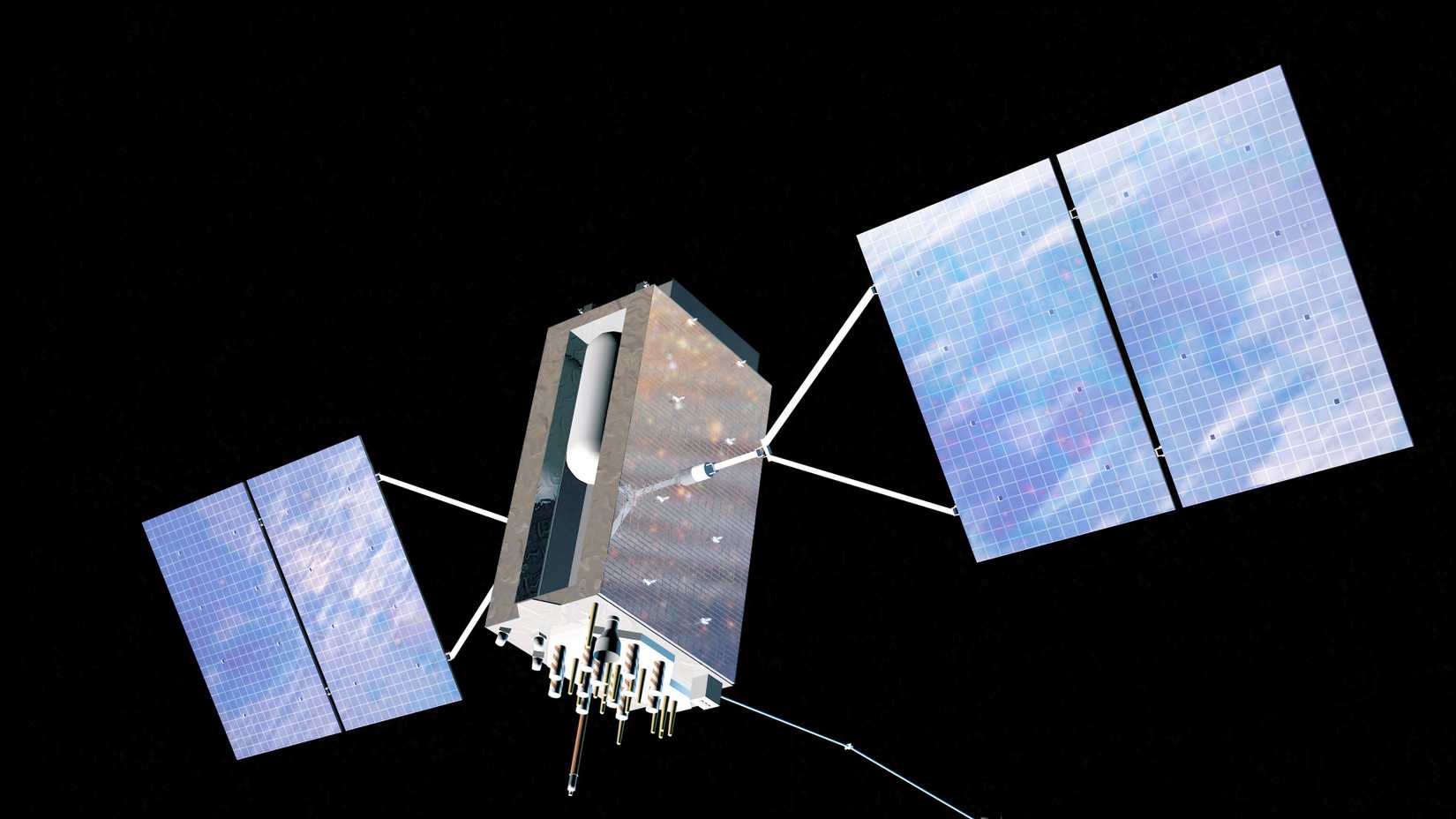
The Global Positioning System uses satellites to provide positioning, navigation and precise timing. The military built GPS to give American forces reliable location data anywhere on Earth, but the system gradually opened to civilian users.
Today, its civilian signal is available worldwide without direct user fees. GPS supports navigation, agriculture, emergency response, communications networks, banking systems and countless smartphone apps. It remains operated and maintained by the U.S. Space Force.
3. Duct Tape
Vesta Stoudt was working at an Illinois ordnance plant during World War II when she noticed a dangerous problem with ammunition boxes.
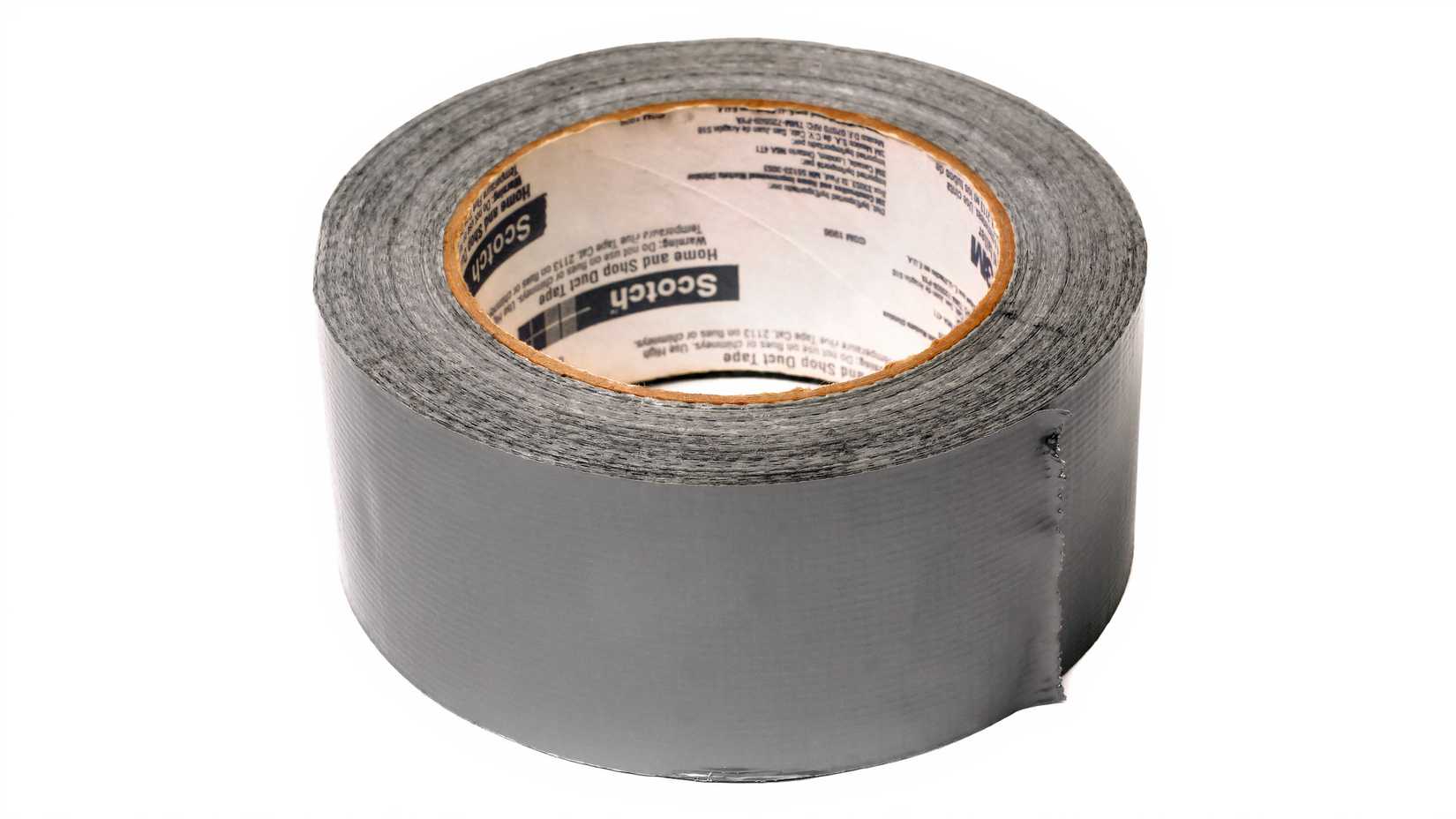
The boxes were sealed with paper tape and wax. Soldiers were supposed to pull a tab to open them quickly, but the tabs sometimes tore away. Stoudt, whose two sons were serving in the Navy, proposed replacing the paper with a strong waterproof cloth tape.
When supervisors failed to act, she wrote directly to President Franklin D. Roosevelt. The government approved the idea, and Johnson & Johnson’s Revolite division produced the new tape for military use.
Troops patched equipment, vehicles and clothing with it. After the war, the tape entered hardware stores and household toolboxes, where it remains the preferred medical treatment for folding chairs, garden hoses and questionable automotive decisions.
4. The Internet’s Precursor
The Pentagon did not build the entire modern internet by itself, but one of its research agencies helped lay the foundation.
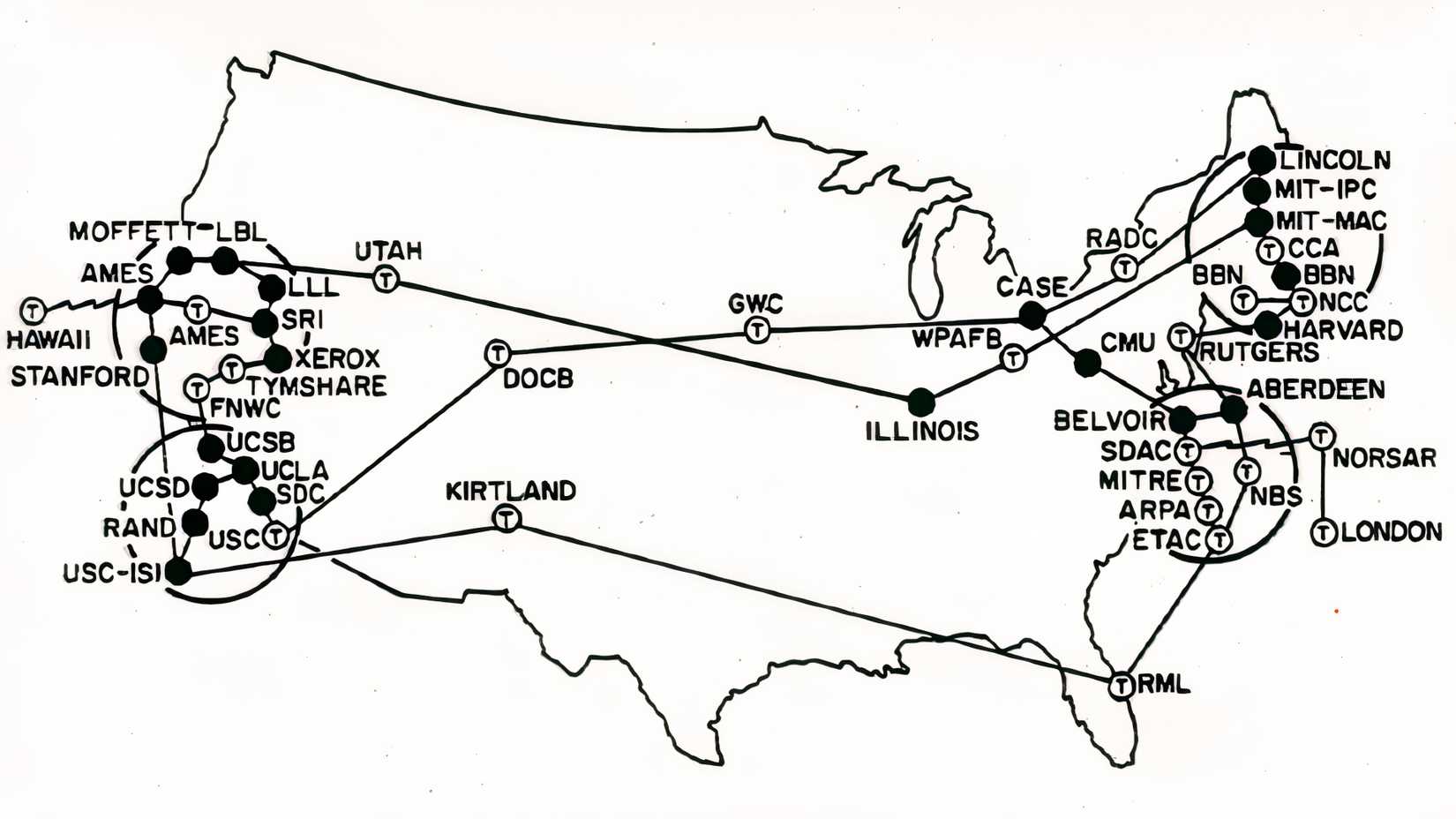
The Advanced Research Projects Agency created ARPANET to connect computers at universities and research facilities. The network activated its first four nodes in 1969 and allowed geographically separated computers to share information using packet switching.
DARPA researchers also supported the development of TCP/IP, the communications protocols that allow different networks and computers to exchange data. ARPANET was eventually absorbed into the far larger network of networks now called the internet.
The result sits behind email, streaming, online shopping, remote work and the ability to argue with strangers about movie rankings at 2 a.m.
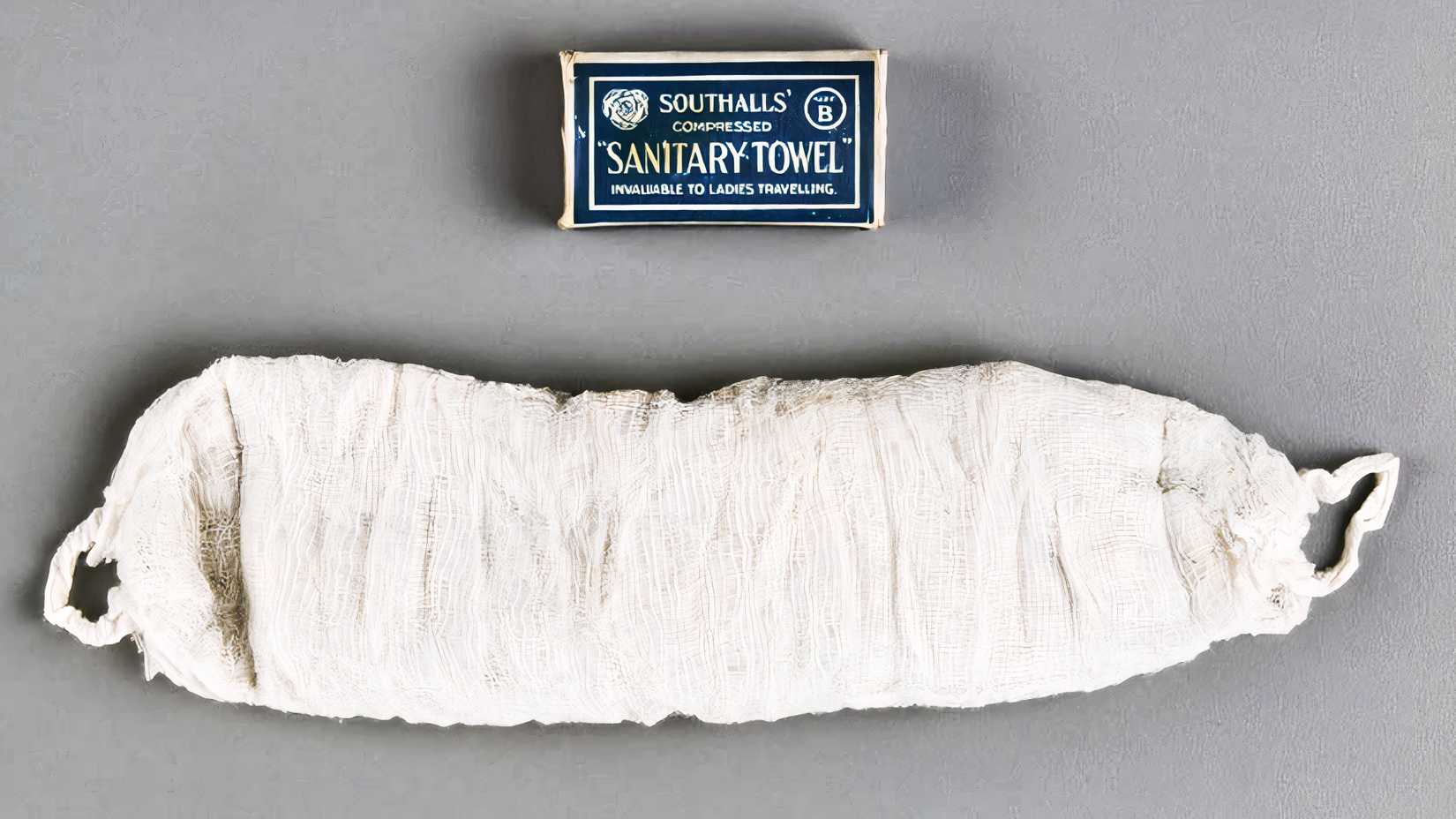
5. Disposable Sanitary Pads
Kimberly-Clark developed an absorbent wood-pulp material called Cellucotton before World War I. During the war, it became a substitute for cotton in surgical dressings.
Nurses working with wounded troops noticed that the material also worked well as a disposable menstrual pad. After the war, Kimberly-Clark used that battlefield adaptation to develop Kotex, which reached consumers in 1920.
The National Museum of American History preserves early advertisements that credited World War I nurses with suggesting Cellucotton for sanitary napkins. The product helped move menstrual care away from reusable homemade cloth and into the growing consumer health market.
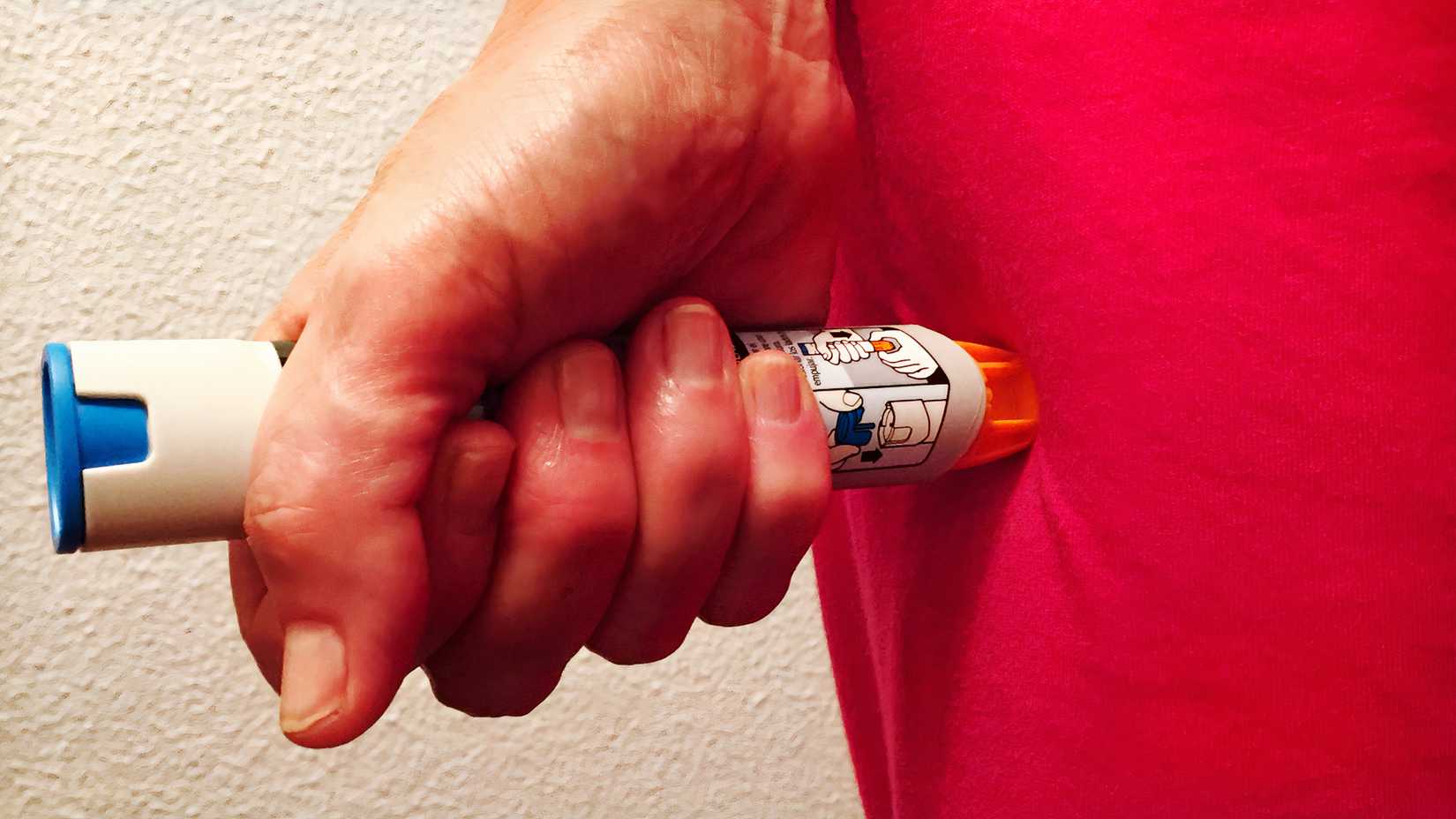
6. The Auto-Injector Behind the EpiPen
During the 1960s, military researchers developed auto-injectors that allowed troops to administer atropine quickly after exposure to nerve agents.
The device placed a measured dose inside a spring-loaded injector that could be carried and used without preparing a conventional syringe. Similar technology eventually reached civilian medicine through epinephrine auto-injectors.
The Food and Drug Administration approved the EpiPen in 1987. It now allows people at risk of a severe allergic reaction to carry emergency epinephrine in a form designed for rapid use.
The military did not invent epinephrine, but its need for a fast nerve-agent antidote helped create the delivery system carried in schools, restaurants and backpacks today.
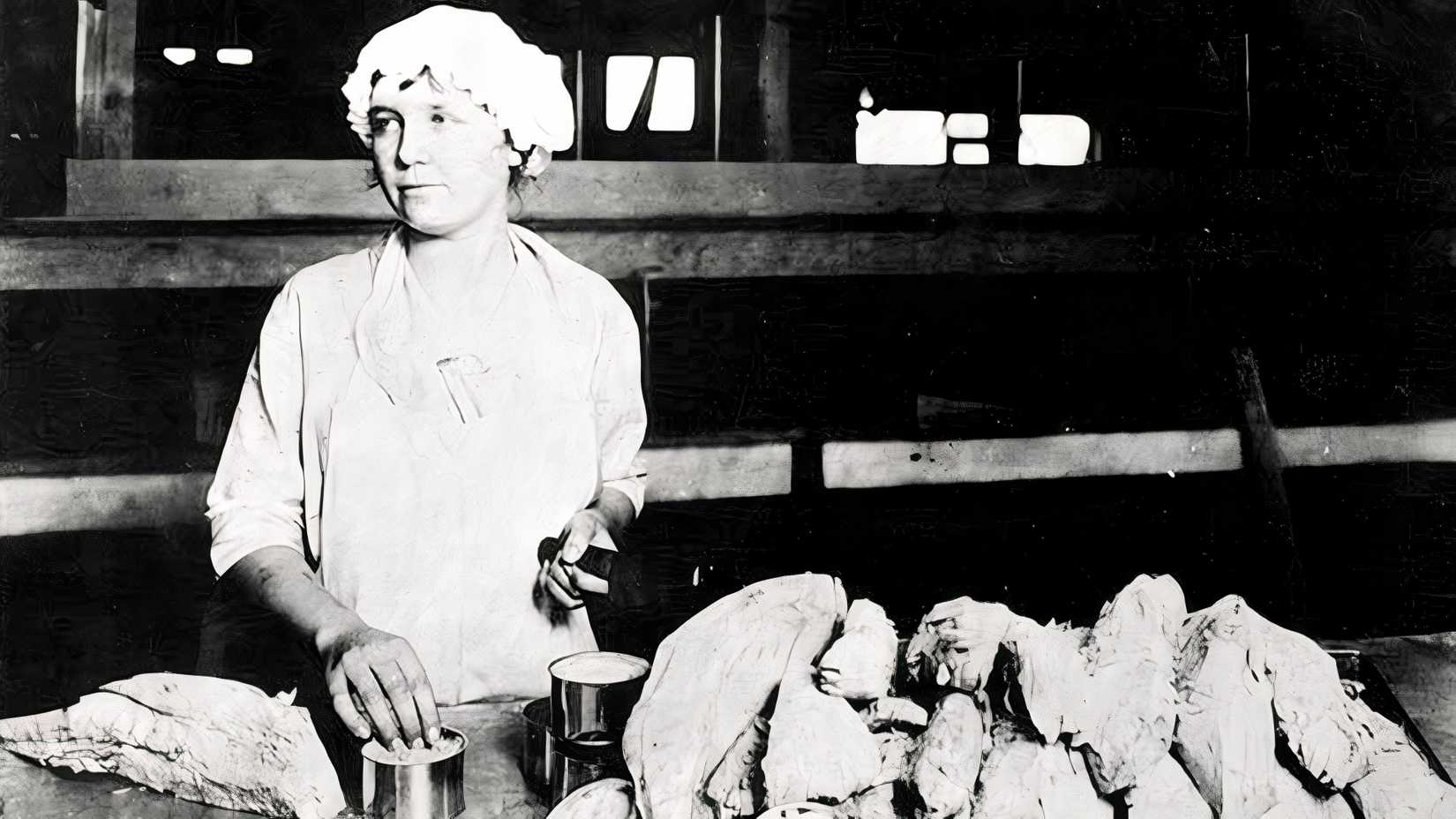
7. Canned Food
In 1795, the French government offered a prize for a method of preserving food for its army and navy.
Nicolas Appert, a confectioner and cook, spent years experimenting before developing a process that involved heating food inside sealed glass containers. The French navy tested the method, and Appert received the government award in 1810 after agreeing to publish his process.
Appert did not understand why the method prevented food from spoiling. Scientists had not yet discovered the role of microorganisms. British inventors soon adapted the process for metal containers, creating the foundation of the modern canned-food industry.
Military logistics helped turn preserved food from a laboratory problem into a grocery-store aisle.
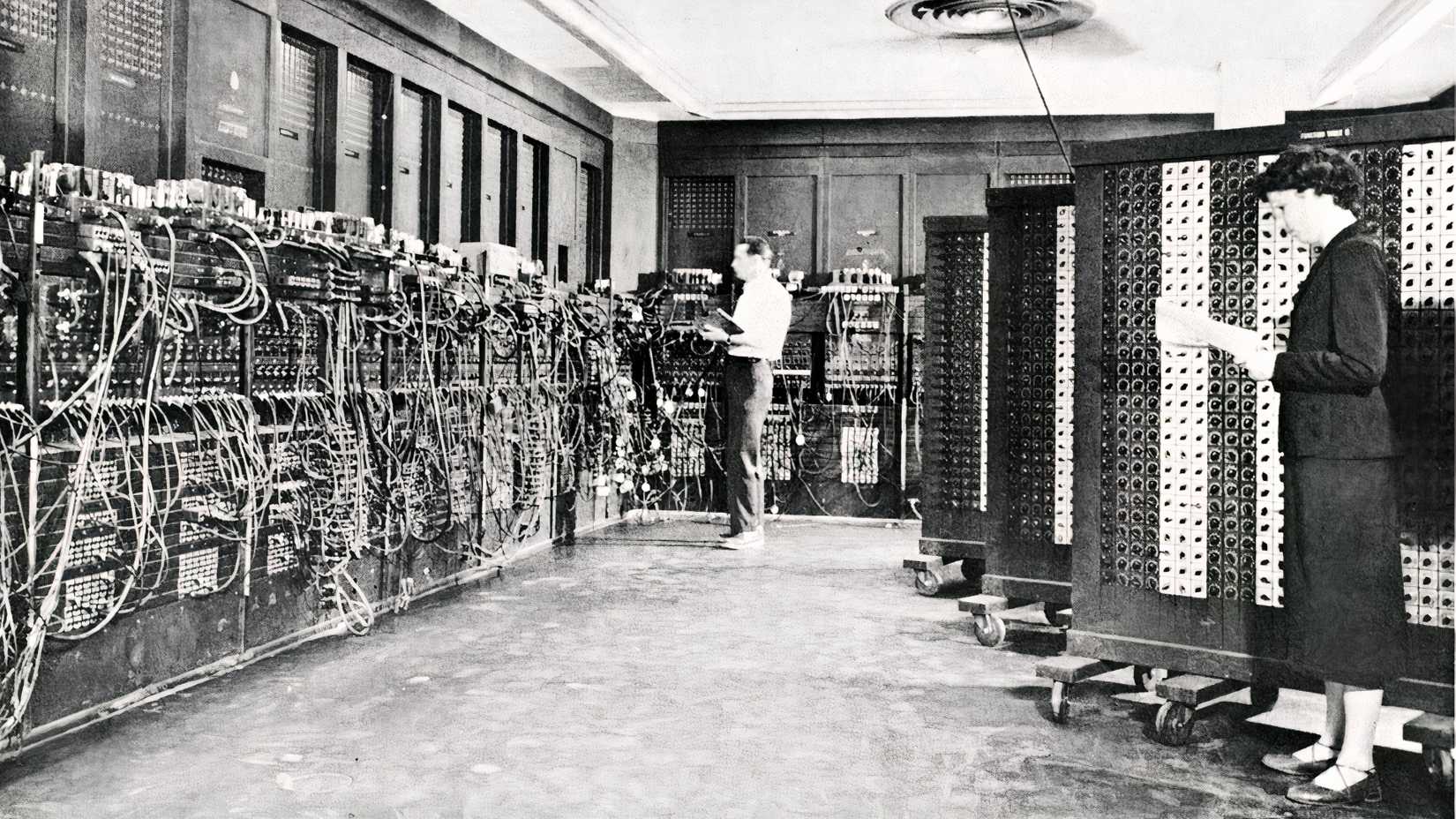
8. Electronic Computers
During World War II, the Army needed thousands of artillery firing tables that told gun crews how elevation, weather, range and ammunition affected a projectile’s path.
Human “computers,” many of them women trained in mathematics, performed the calculations by hand or with mechanical calculators. The work was slow, and the Army wanted an electronic solution.
The service funded the Electronic Numerical Integrator and Computer, better known as ENIAC. Completed in 1945, it became the first operational general-purpose electronic digital computer. Six women who had calculated firing tables became its original programmers.
ENIAC filled a large room and required workers to rewire parts of the machine when changing programs. Its descendants now fit inside phones, watches, vehicles and refrigerators that insist on connecting to Wi-Fi for reasons nobody fully understands.
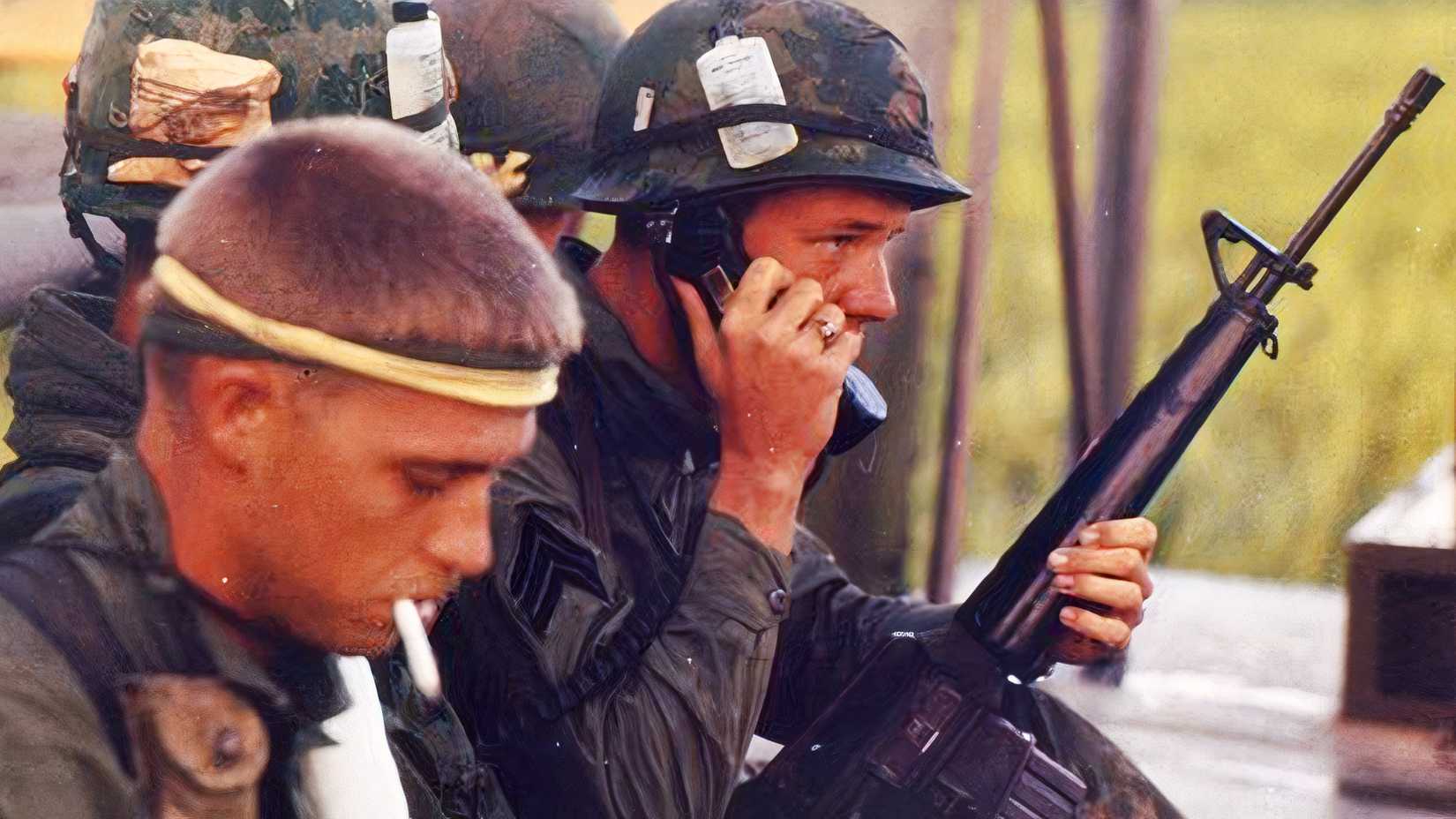
9. DEET Insect Repellent
Mosquitoes, ticks and other insects have disabled enormous numbers of troops by spreading malaria, dengue fever and other diseases.
The U.S. Army developed DEET in 1946 for military personnel serving in insect-infested areas. It became available to the general public in 1957.
DEET does not kill insects. It interferes with their ability to locate people, reducing the chances of a bite. The Environmental Protection Agency says it remains available in sprays, lotions, wipes and other products intended for direct use on skin or clothing.
Its military origins now follow hikers, campers, hunters and parents into backyards every summer.
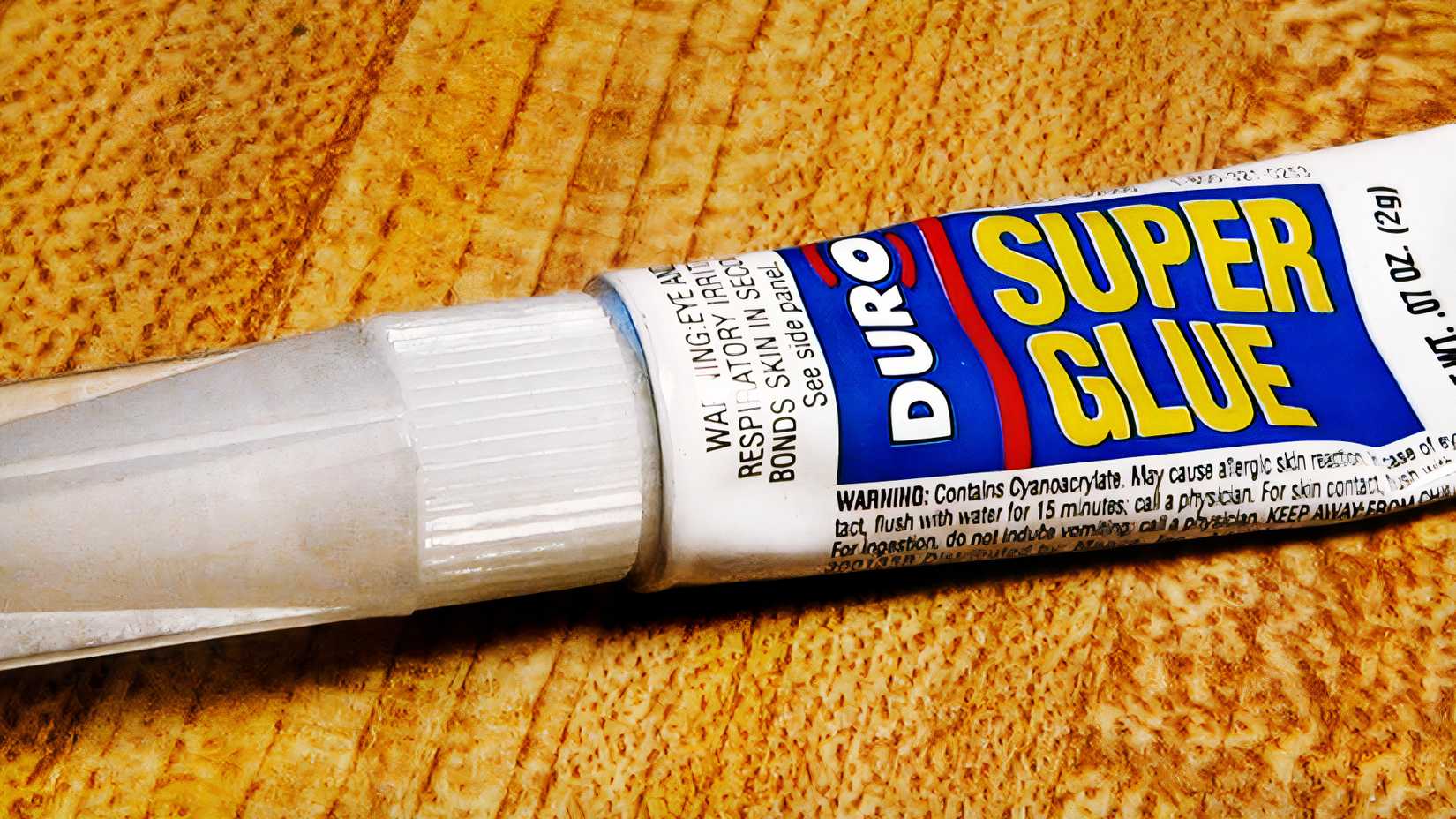
10. Super Glue
Chemist Harry Coover first encountered cyanoacrylates during World War II while trying to create a clear plastic for precision gun sights.
The material was a failure for that purpose because it stuck to nearly everything it touched. Coover returned to the substance years later and recognized that its irritating habit was actually its best commercial feature.
Cyanoacrylate adhesives entered the market as powerful fast-setting glues. Variants now repair electronics, household items and industrial components. Medical formulations are also used to close wounds and secure tissue.
A substance rejected because it was too sticky for military optics became the tiny tube permanently fused to the inside of America’s junk drawers.
11. Walkie-Talkies
Portable radios gave World War II infantry units a way to communicate without remaining tied to telephone wires or large vehicle-mounted equipment.
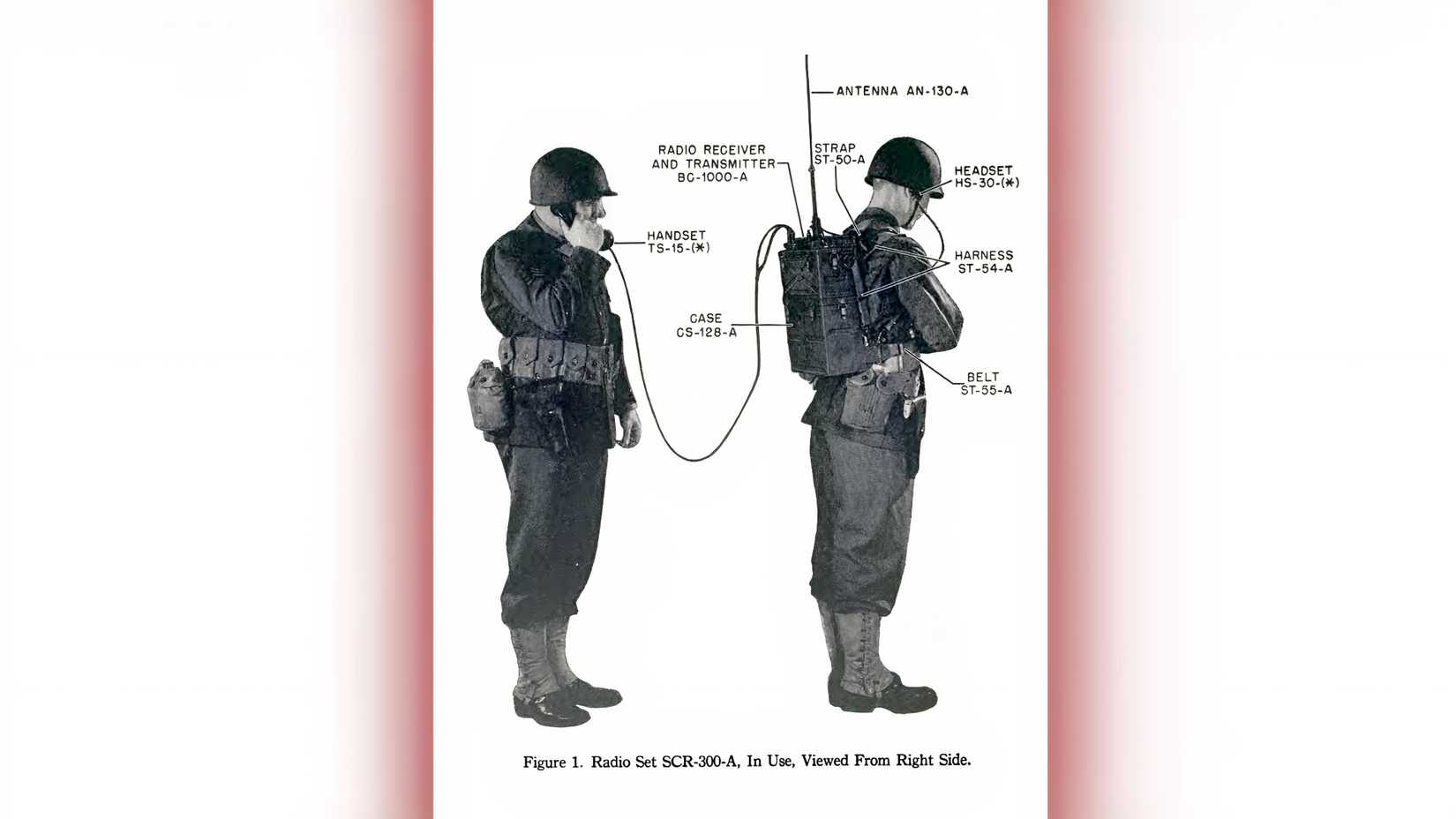
Motorola’s SCR-300 was a backpack-mounted FM radio used by troops in Europe and the Pacific. Soldiers called it the walkie-talkie. A smaller handheld model, the SCR-536, became known as the Handie-Talkie.
The radios supported operations at Guadalcanal, Normandy, Iwo Jima and the Battle of the Bulge. After the war, portable two-way radios spread to police departments, fire crews, construction sites, warehouses and families attempting to regroup after someone wandered away at a theme park.
12. Aerosol Spray Cans
American troops fighting in tropical regions during World War II needed a portable way to kill mosquitoes inside tents and enclosed spaces.
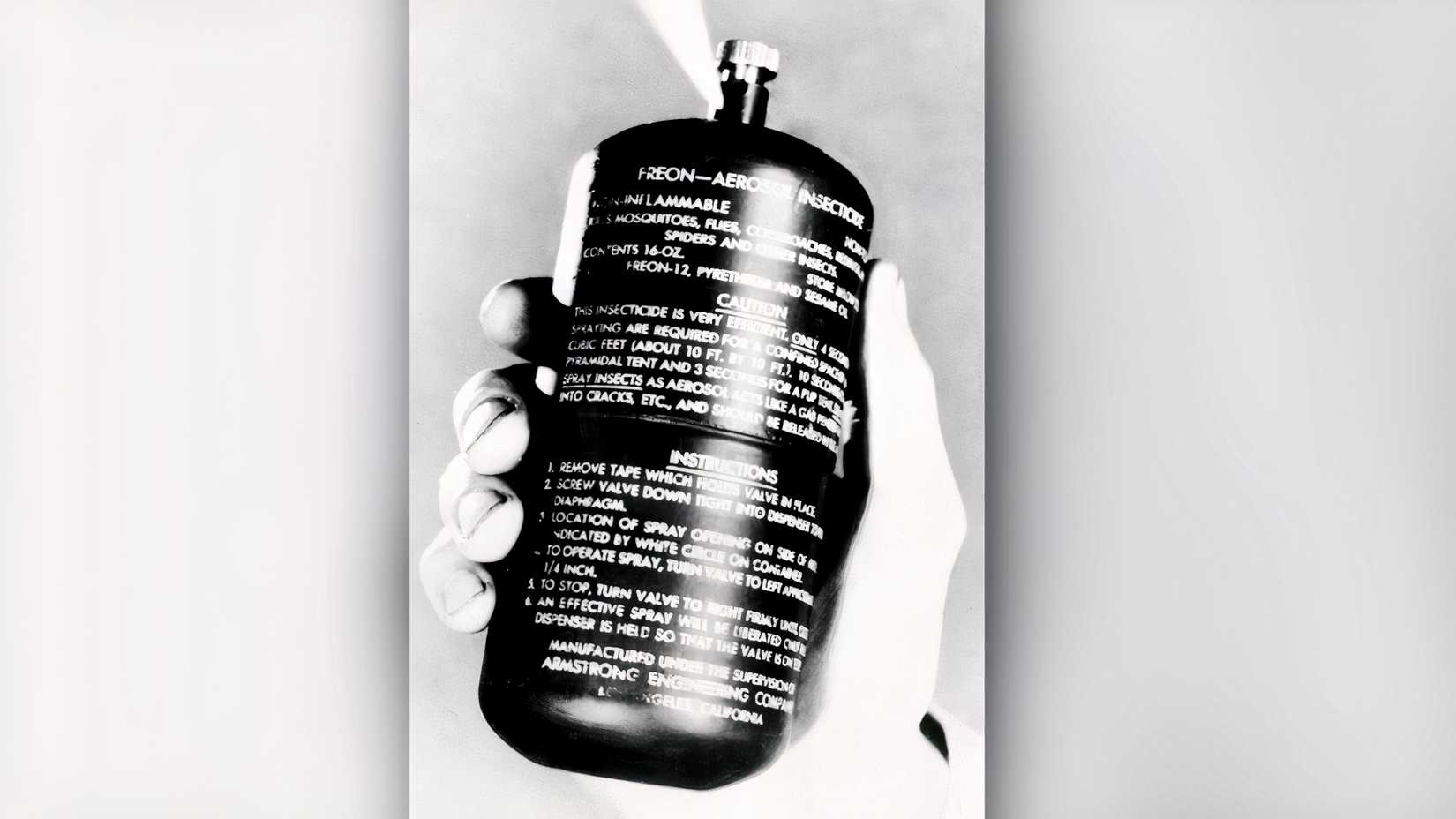
U.S. Department of Agriculture researchers Lyle Goodhue and William Sullivan developed a pressurized canister that dispensed insecticide in a fine spray. Patented in 1943, the device became known as the “bug bomb.”
Troops could carry it into the field and spray areas where malaria-carrying insects gathered. After the war, the same delivery system spread into household insecticides, paint, cleaning products, cooking sprays and personal-care products.
The ancestor of the bathroom air freshener was built because a mosquito could remove a soldier from combat as effectively as enemy fire.
 13. Aviator Sunglasses
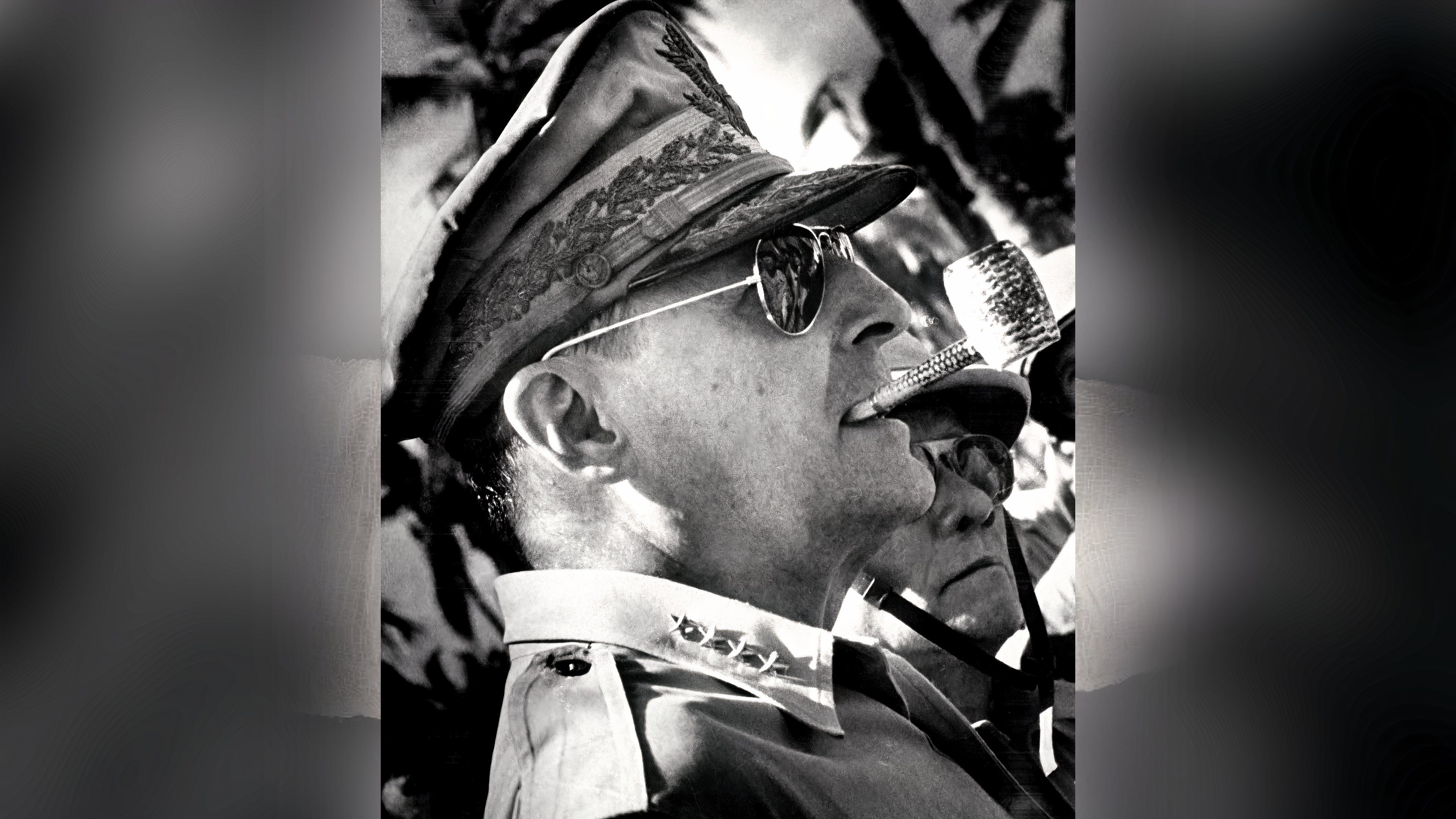
High-altitude flying exposed early military pilots to intense glare and sunlight.
Before World War II, eyewear companies worked with the Army Air Corps to develop sunglasses that protected pilots while preserving a wide field of vision. The large teardrop-shaped lenses covered more of the eye area than ordinary glasses, while their thin frames fit comfortably beneath flight equipment.
The design eventually escaped the cockpit and became one of the most recognizable styles of eyewear in the world. Generations of actors, musicians, police officers and people leaning against motorcycles have since attempted to borrow a little of the original pilot mystique.
14. Freeze-Dried Food
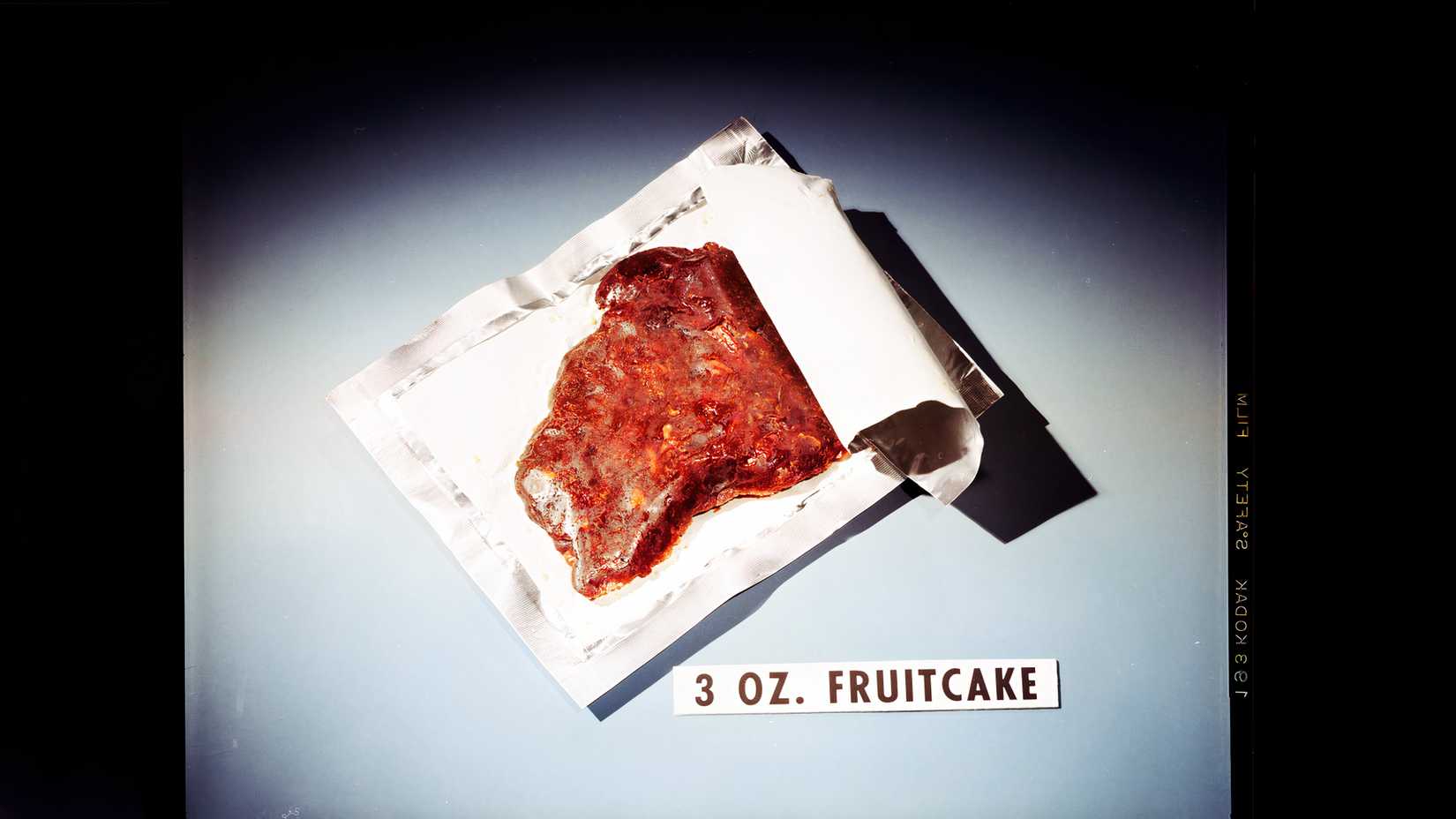
Freeze-drying existed before World War II, but wartime medicine gave the process a vital new job.
Researchers used it to remove water from blood plasma, making the plasma lighter and easier to transport to battlefield hospitals. Medical personnel could later restore it with water when treating wounded troops.
During the 1950s, the military encouraged food companies to adapt the process for lightweight, shelf-stable rations. The results were not always beloved by the troops expected to eat them, but the technology found a comfortable civilian home.
Freeze-dried ingredients now appear in instant coffee, breakfast cereal, backpacking meals, emergency food supplies, pharmaceuticals and pet treats.
 15. Stainless Steel
British metallurgist Harry Brearley was asked in 1912 to help a small-arms manufacturer solve a problem with gun barrels.
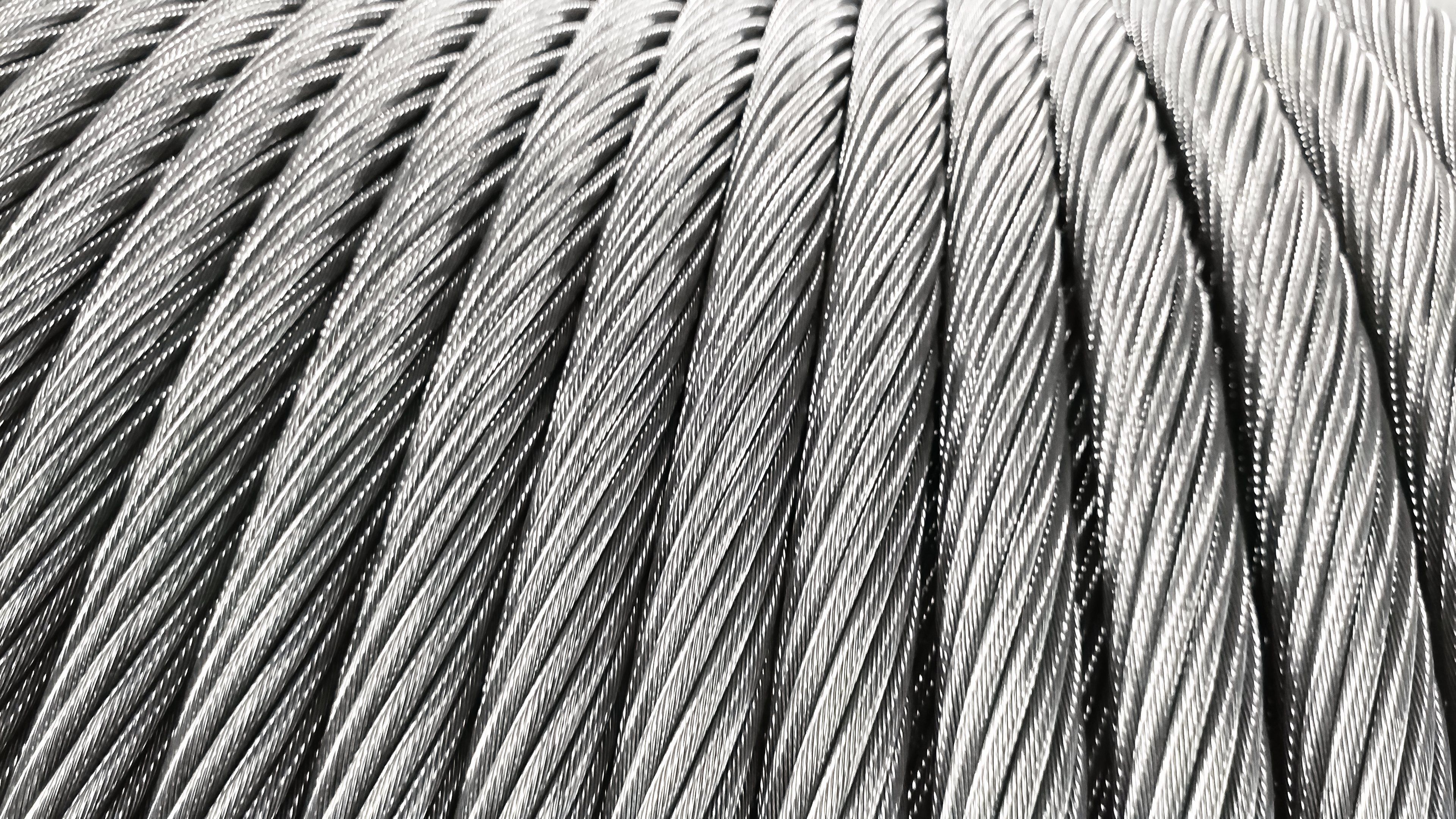
Repeated firing caused the barrels to erode too quickly. Brearley began testing steel alloys that contained chromium, hoping to create a material that resisted erosion. During the experiments, he noticed that one alloy also resisted rust and corrosion.
That discovery helped launch stainless steel. The metal moved far beyond weapons manufacturing. It now appears in kitchen sinks, cookware, silverware, medical instruments, appliances, food-processing equipment and buildings.
Brearley set out to make gun barrels last longer. He helped produce the material now surrounding half the appliances in a modern kitchen.
Military research usually begins with a specific problem, but the solutions rarely stay inside the military. They move into hospitals, grocery stores, cars, kitchens and pockets, changing history and our lives forever.
Read the full article here
