



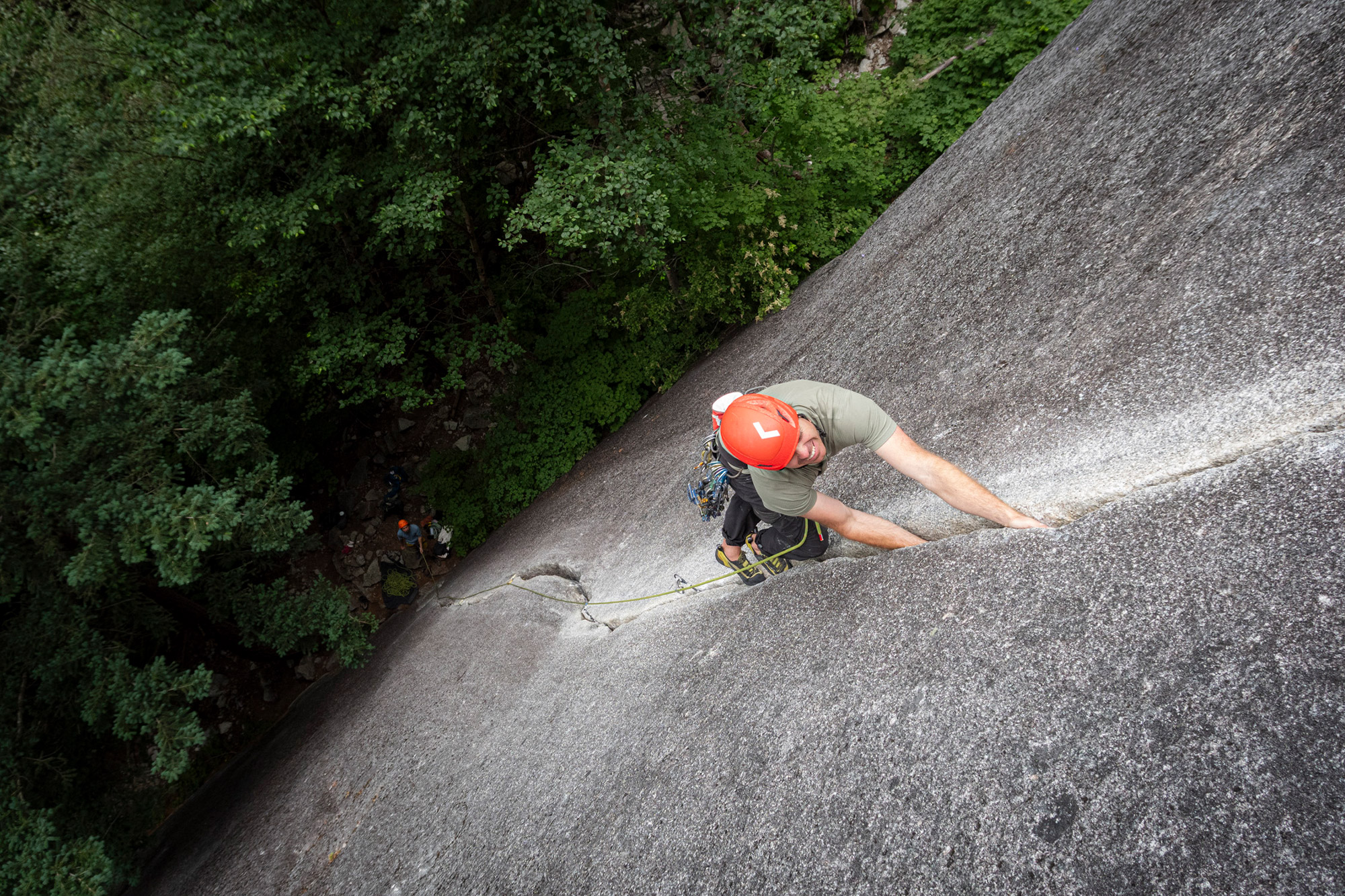

A climbing rope made entirely from recycled materials has no business handling this well. The Mammut Crag Recycled 9.8mm Dry Rope ($200) looks and feels surprisingly similar to some of the thinner ropes I already own. That caught my attention because it had been a long time since I’d been interested in using a 9.8mm rope. The more experienced I became as a climber, the lighter I wanted my ropes to be.
Lighter and thinner ropes have several advantages. They’re easier to feed out of a belay device, faster to clip, and lighter to carry. But they lose points in durability. Ropes are only getting more expensive, and it’s nice to have one in your quiver that can tolerate frequent use instead of wearing out after a single season. That’s what makes 9.8 mm a good diameter for day-after-day climbing.
In short: The Mammut Crag line has consistently performed well in my testing, and the Crag Recycled 9.8mm Dry Rope strikes a great balance between durability, affordability, and sustainability. Although it’s on the thicker side, it handles nearly as well as the 9.5mm ropes I own and should tolerate frequent use better than many slimmer options. It’s a strong value for climbers who don’t mind carrying a little extra weight.
Looking for a new climbing rope? Check out our guide to the Best Climbing Ropes.
Good for
Frequent single-pitch climbing, top roping, and gym lead climbing
Pros
- Made entirely from recycled materials
- Durable diameter for frequent use
- Handles and feeds surprisingly well for a 9.8mm rope
- Dry treatment helps resist dirt and moisture
Cons
- Heavier than slimmer options
- Slightly firmer catches and some initial kinking
Mammut Crag Recycled 9.8mm Dry Rope Review
Sustainability
The most exciting thing about the Mammut Crag Recycled 9.8 is that it’s made entirely from recycled materials. Mammut has done an excellent job creating ropes from leftover factory scraps in the past, but the Crag Recycled is its first rope designed from the start with recycled polyamide sourced from materials such as plastic bottles and car tires.
This reduces its carbon footprint across production by 56% and represents a new benchmark for more sustainable climbing equipment. The innovation earned an ISPO Award in 2025, which recognizes groundbreaking products in the outdoor sports industry.
Purchasing climbing gear can sometimes feel wasteful, and climbers are generally a more eco-conscious bunch. It’s incredible to see brands like Mammut putting real effort into sustainability.
Performance
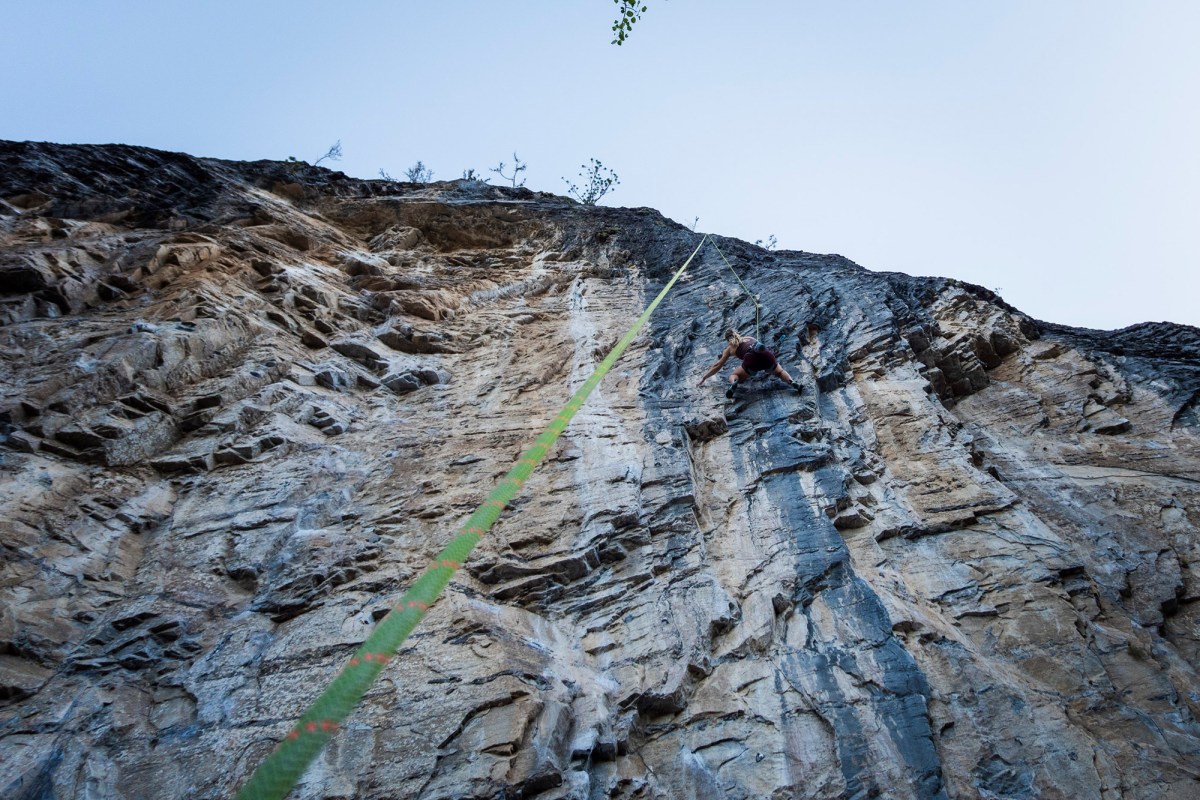
OK, we know it’s better for the environment, but does it perform as well as a standard climbing rope? I tested the 60m rope on 10 single-pitch and multipitch climbs in Mt. Charleston, Nev.; Pine Creek Canyon, Calif.; and Squamish, British Columbia. I’m continuing to use it to assess its long-term durability.
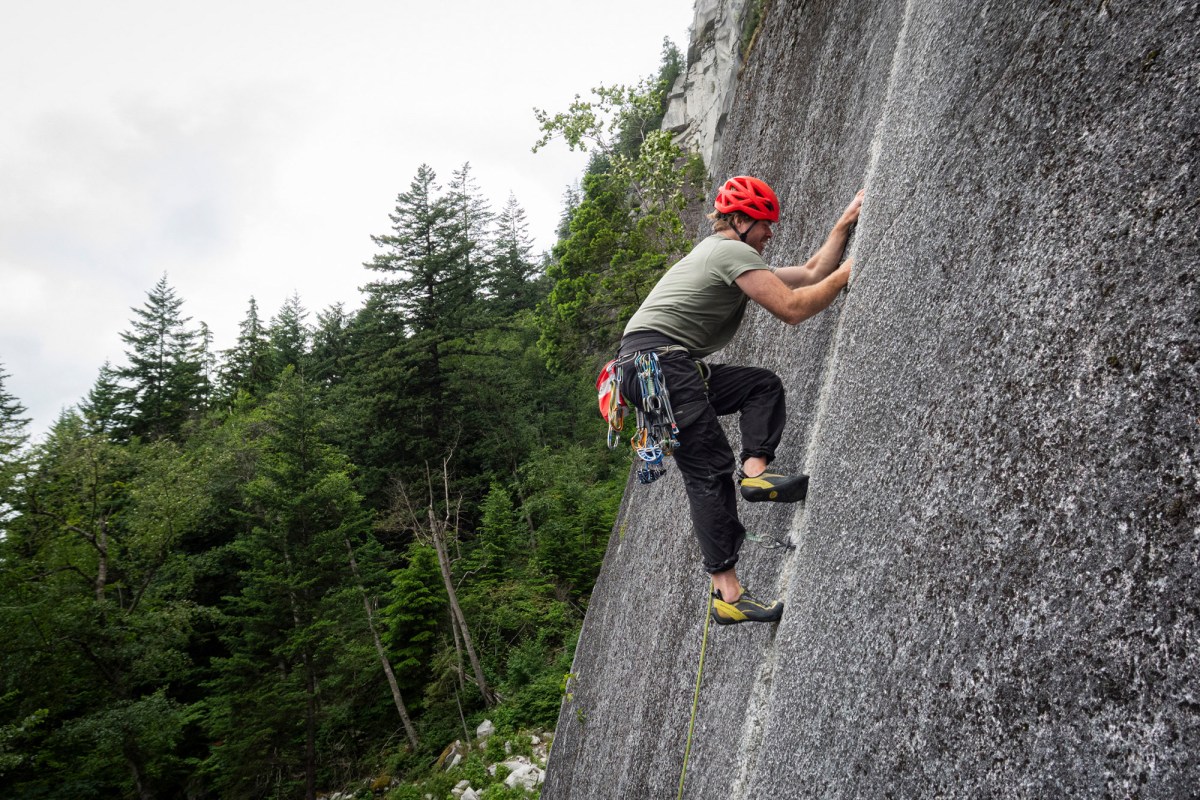
Most Mammut ropes I’ve tested have handled well straight out of the package. The Crag Recycled kinked significantly on the first pitch I climbed with it, but it quickly sorted itself out over the next couple of pitches and broke in nicely.
With an impact force of 8.5 kN, the catches felt slightly firmer than those on some thinner ropes I’ve used. Still, I took several whippers on it and felt completely comfortable.
I noticed no performance tradeoff from the recycled construction. Ultimately, the Crag Recycled performs much as I’d expect from a quality 9.8mm climbing rope.
Handling
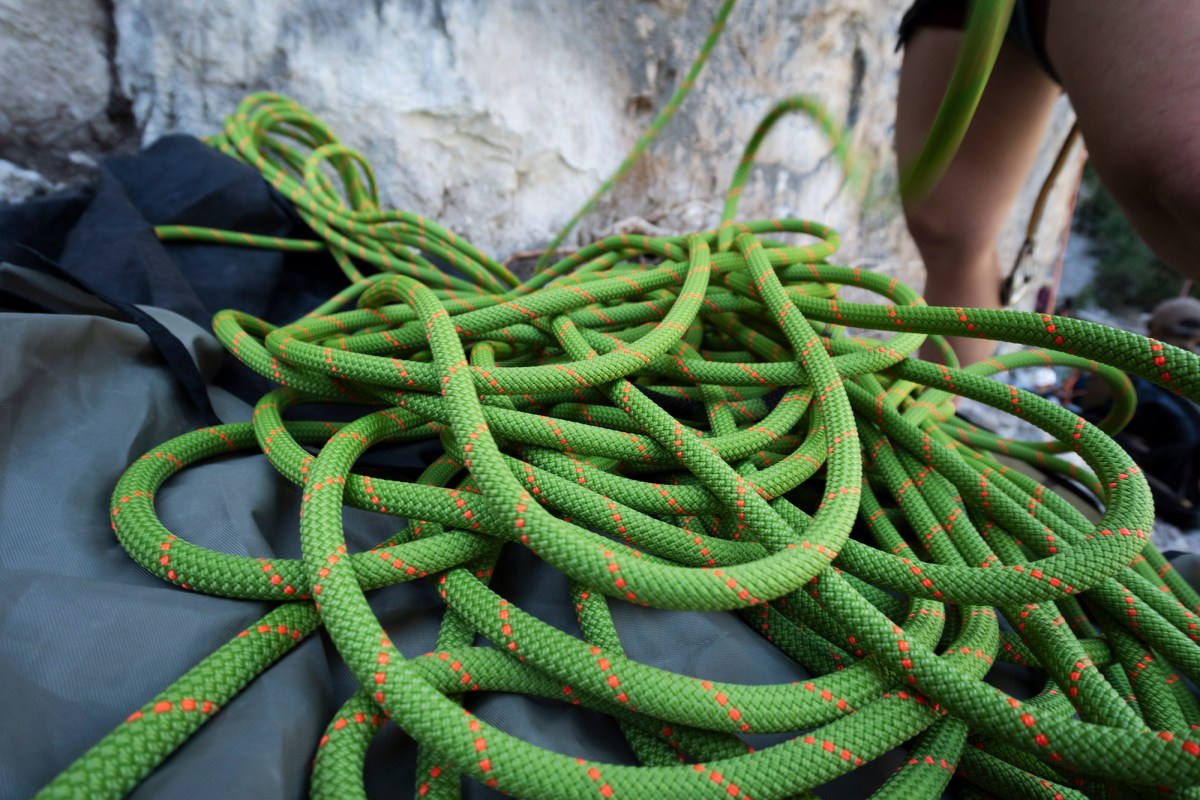
As I mentioned in the introduction, I was impressed by how relatively thin this 9.8mm rope felt. Every rope manufacturer uses different proportions of sheath to core, which can affect how thick a rope feels, regardless of its actual diameter. That construction also influences its weight.
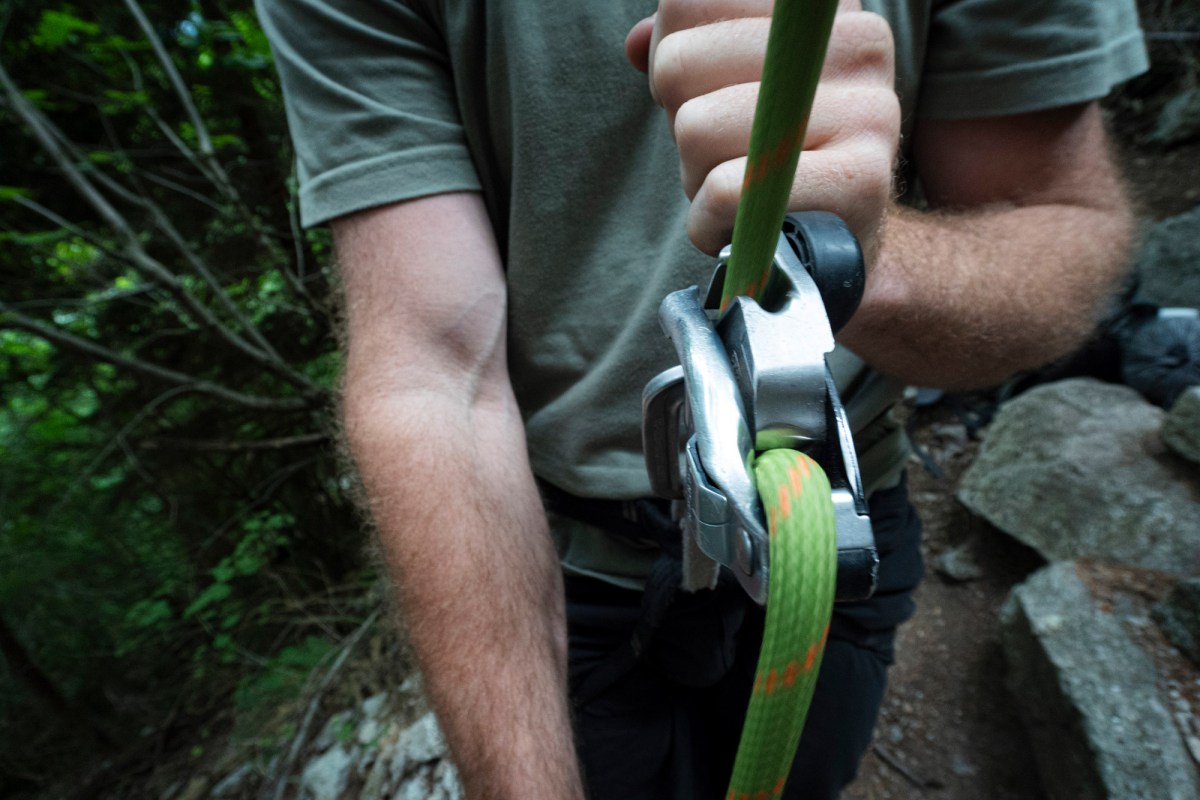
The Crag Recycled weighs 61 grams per meter, which is on the heavier side but expected for a thicker rope. Surprisingly, it doesn’t feel too stiff out of the package and feeds well through a standard GRIGRI without getting caught.
Slimmer ropes may feed more quickly, but the Crag Recycled’s thicker diameter should offer better abrasion resistance. For a rope intended to handle frequent use, that’s a tradeoff I’m willing to make.
Durability
A 9.8mm rope is a great diameter for single-pitch climbing, which typically involves more abuse. Hanging on the rope, pulling it through the chains, top-roping through the gear, and landing it in the dirt all add up quickly. A thicker rope should tolerate that regular wear better than many lightweight options.
This makes the Crag Recycled a dependable daily rope for the gym and local climbing areas. It also has a dry treatment that helps limit how much dirt and moisture it absorbs.
Room for Improvement
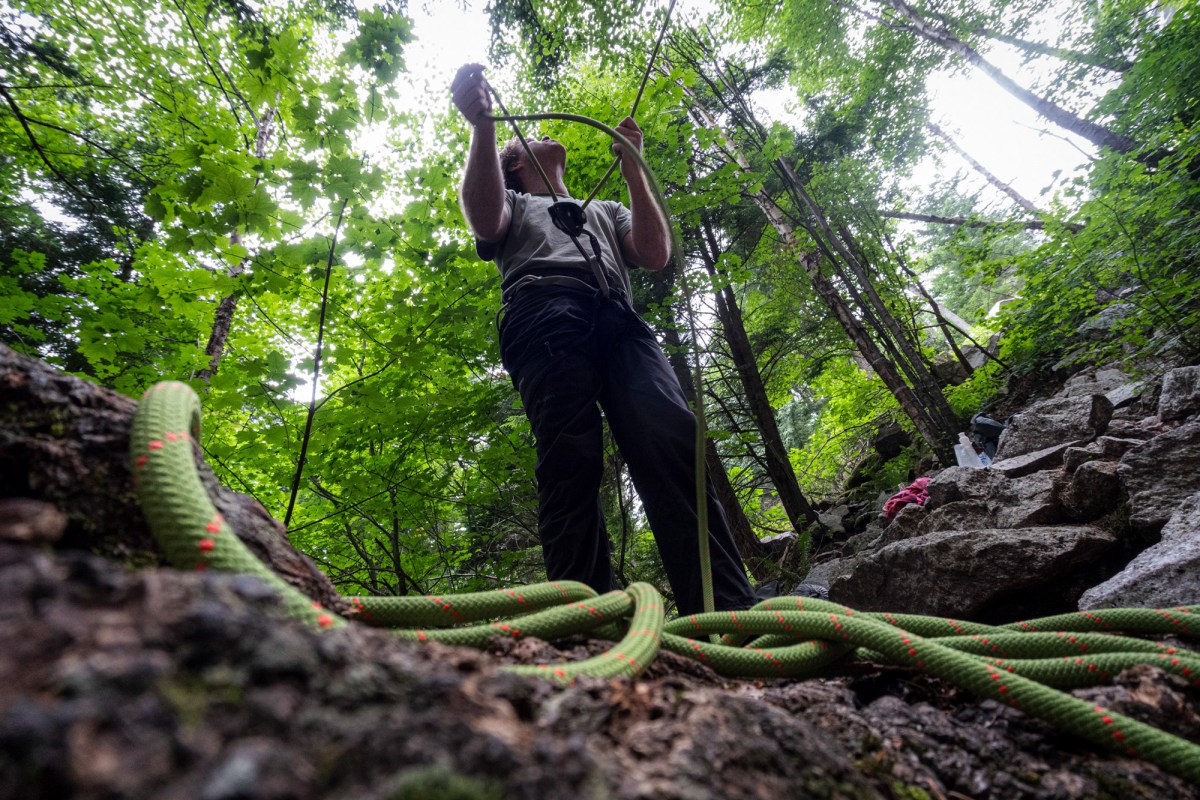
At 61 grams per meter, the Crag Recycled is heavier to carry and doesn’t feed quite as quickly as slimmer ropes. The 8.5 kN impact force also produced slightly firmer catches, although every fall I took on it remained comfortable.
It kinked noticeably on the first pitch, but the issue disappeared as the rope broke in. Climbers prioritizing low weight for long approaches or multipitch objectives may prefer a smaller diameter.
Mammut Crag Recycled 9.8mm Dry Rope: Who Is It For?
If sustainability is important to you and you want a rope that will withstand abuse, last a long time, and won’t break the bank, the Mammut Crag Recycled 9.8 is hard to beat. As long as you’re comfortable carrying a slightly heavier rope to your climbing area, its thicker diameter should provide more longevity than many lighter options.
I love seeing brands put real effort into making climbing gear more sustainable, and Mammut has done that without sacrificing the handling or durability I expect from an everyday climbing rope.
Read the full article here
