



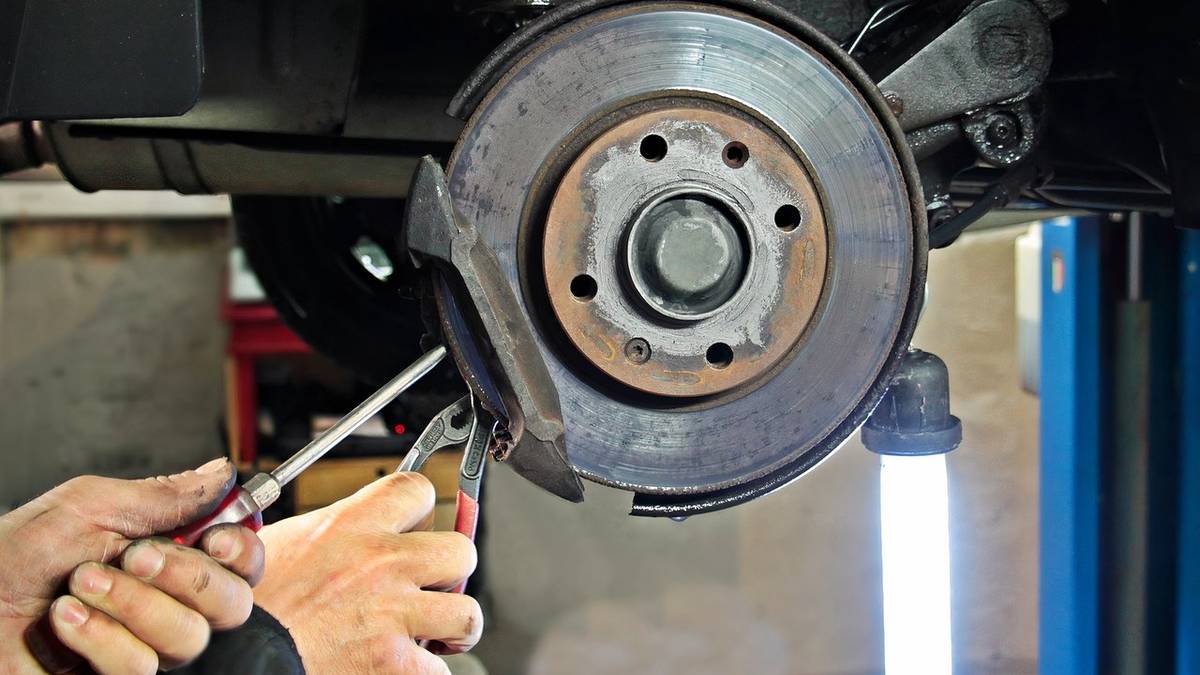

Your vehicle’s brakes are its most important safety system, but they’re also one of the easiest components to overlook when something goes wrong. While brake pads and rotors wear over time, your vehicle usually gives you warning signs before braking performance becomes dangerous.
Paying attention to unusual noises, changes in pedal feel, or differences in how your vehicle stops can help you catch problems early. Knowing what to look for can help you avoid more expensive repairs – and keep you and your passengers safe on the road.
1. Squealing or Screeching When You Brake
A high-pitched squeal when you press the brake pedal is one of the earliest signs that your brakes may need attention. Many modern brake pads include a brake pads include a small metal wear indicator designed to contact the rotor once the friction material has worn thin.
The result is a noticeable squealing sound that serves as an audible reminder to schedule service. While dust or moisture can occasionally cause temporary noise, persistent squealing usually means it’s time to have your brakes inspected.
What it could mean:
2. Grinding Sounds
Unlike a squeal, a grinding noise is usually a sign that immediate attention is needed. Grinding often occurs when the friction material on the brake pads has worn away completely, leaving the metal backing plate to scrape directly against the brake rotor. It often means the brake pad friction material has worn away completely, allowing the metal backing plate to contact the rotor.
In some cases, grinding can also occur if a small rock of other piece of road debris becomes lodged between the brake rotor and the backing plate. Even so, any grinding noise should be inspected as soon as possible.
Driving with grinding brakes can:
- Damage the brake rotors
- Increase repair costs
- Reduce stopping performance
If you hear grinding, schedule service immediately and avoid unnecessary driving if possible.
3. Your Vehicle Takes Long to Stop
One of the most important signs of brake trouble isn’t something you hear, it’s something you feel. If your vehicle doesn’t seem to stop as confidently as it used to, you find yourself pressing the brake pedal harder than normal, your braking system may not be performing as it should.
Longer stopping distances can result from several issues, including worn brake pads, damaged rotors, contaminated brake components, or low brake fluid. Regardless of the cause, reduced braking performance increases your risk of being unable to stop in time during an emergency.
Possible causes include:
- Worn brake pads
- Worn rotors
- Contaminated brake pads
- Air or moisture in the brake lines
- Low brake fluid
Reduced stopping power is a major safety concern that should be inspected right away.
4. The Brake Pedal Feels Different
Your brake pedal should provide consistent resistance every time your press it. Any noticeable change in how the pedal feels deserves attention. A soft or spongy pedal may indicate air has entered the lines or that the brake fluid has absorbed moisture over time. Since brake fluid is hygroscopic – meaning it naturally absorbs water – the fluid can become less effective as it ages.
If the pedal slowly sinks toward the floor while you’re stopped with constant pressure applied, it could indicate an internal leak in the master cylinder or another hydraulic issue that requires immediate diagnosis.
Watch for:
- A soft or “spongy” pedal
- The pedal sinking toward the floor
- Excessive pedal travel
- Pulsation or vibration while braking
These symptoms could indicate problems ranging from air in the hydraulic system to warped rotors or even a failing master cylinder.
5. Your Vehicle Pulls to One Side While Braking
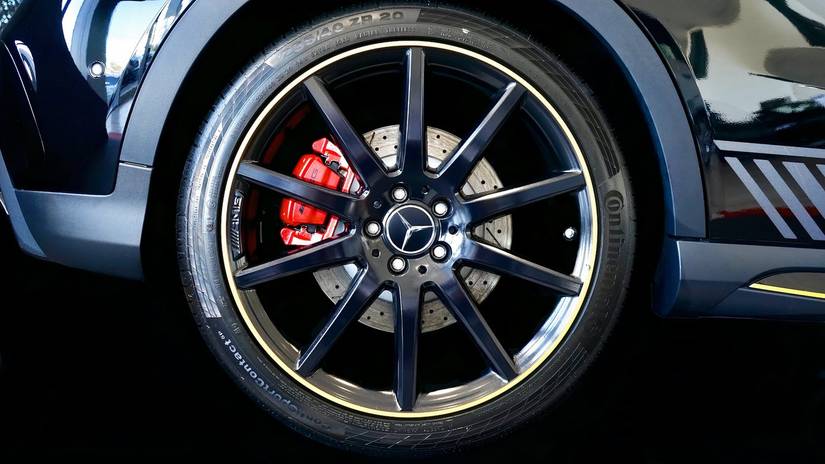
When your brakes are working properly, your vehicle should remain straight and stable under normal braking. If the vehicle consistently pulls to the left or right whenever you apply the brakes, one side of the braking system may not be working as effectively as the other.
Possible causes include:
- A sticking brake caliper
- Uneven brake pad wear
- Brake fluid issues
- Suspension or tire problems
Because uneven braking can reduce control during emergency stops, it’s important to have the issue diagnosed promptly.
When Should You Replace Your Brakes?
Brake life varies depending on your driving habits, terrain, and vehicle. Some drivers replace brake pads after 25,000 miles, while other may get 70,000 miles or more out of them. Rather than relying on mileage alone, pay attention to warning signs and follow the maintenance schedule in your owner’s manual. In reality, brake wear can vary depending on the driving conditions, vehicle type, and maintenance habits.
The Bottom Line
Brake rarely fail without warning. Strange noises, changes in pedal feel, longer stopping distances, or pulling during braking are all signs that your braking system needs attention. Addressing these issues early can improve safety, prevent more expensive repairs, and help keep your vehicle performing as intended.
Read the full article here
