



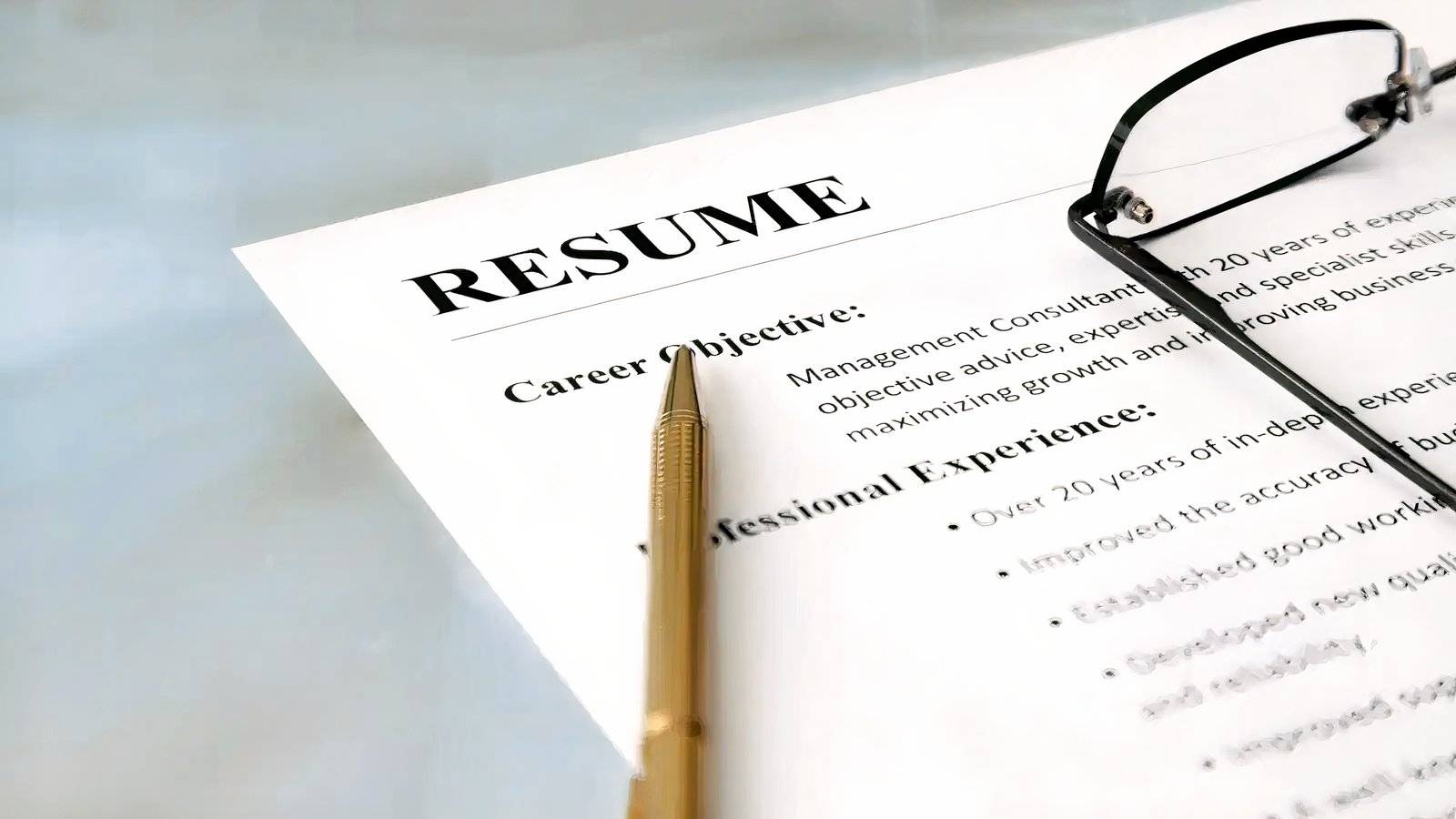

You spend weeks polishing your resume with an AI tool, walk into an interview, and get asked to explain a bullet point you can’t actually speak to because the tool wrote it, not you. Or you get caught in the hallway by a VP after a presentation and can’t answer a follow-up question, because the deck was AI-built end to end. These are the moments that torpedo promotions and job offers, and they’re happening often as veterans lean on AI to navigate an unfamiliar civilian job market.
AI is a useful tool for everything from translating military experience into civilian language to tightening a resume or getting a second pair of eyes on an important email. But used carelessly, it can just as easily flatten your voice, overstate your fit for a role, or leave you unable to defend your own work.
Ways Using AI Is Risky
Some uses of AI to avoid include:
Letting AI Write Your Emails
What happens when someone meets you in person and you don’t sound like the version of you in their inbox? Lean on AI too much, and you risk losing your authentic voice and the version of you that got you hired in the first place.
Read More: How to Write Your LinkedIn ‘About’ Section: Should You Use AI to Help?
Using AI to Build Your Resume Word for Word
It’s easy to end up with a resume stuffed with keywords you can’t back up in an interview or language that doesn’t sound like your experience. The same goes for presentations and interview prep: Anywhere AI can hallucinate or default to generic advice that isn’t tailored to your goals must be monitored closely.
Better Uses for AI on the Job Hunt
Instead of taking a one-size-fits-all approach to AI, consider these tips for using AI to support your email writing or adapt your resume in a job search or when seeking a promotion:
Email
Internal and external work communication should be polished, clear, concise and aligned with your personal and company brand goals.
Instead of: Asking AI to “write an email I can send to my boss that explains why I can’t get the project done on time …”
Do this: Draft your email, in your voice, with the information that matters. Think about who the email goes to (your boss in this example), what that person cares about, what missing the project deadline means for the team and organization, and why you can’t meet the deadline. By giving the AI tool more context, voice and framing, you’ll receive a much better reply.
Then, enter your draft email, with a solid prompt, and assign the AI a role (act as a communications expert with knowledge about my personal brand and my team goals) and ask for input and editing. This ensures the reply sounds more like your voice and goals.
Before you send the email to your boss, ensure the message hits the main points you need to communicate (missing the deadline and why), sounds like you wrote it, and meets the needs of your boss (i.e. to feel informed and included in the process, to have enough time to make team adjustments, etc.)
Read More: 5 Small Details That Make a Big Difference in Your Civilian Job Search
Resume
Your resume needs to translate your military experience into a civilian narrative that speaks to the company’s mission and culture, not just match keywords from a job description. AI can certainly help here, assuming you don’t skip the context.
Instead of: Uploading your resume and the job description into an AI tool with a prompt like, “Make my resume read like a perfect fit for this job. Replace and adapt my skills, certifications and experiences to the exact keywords in the job description, so any screening filters see me as the right candidate.”
Do this: Upload your resume and the job description, then add the company’s website, mission statement, growth projections and notes from conversations you’ve had about their culture and business goals (for context). Ask the AI tool to map your resume to the company’s actual goals and needs, using keywords from the job description only where they honestly fit. You want AI translating your experience into a civilian narrative shaped by who this employer is, not just keyword stuffing.
Review everything it gives you. AI can misread context or misrepresent your experience, so the final resume needs to sound like you, hold up under interview questions, and reflect your real qualifications and skills.
Whether it’s an email or your resume, the same test applies before you hit send or use anything AI helped you write or create, run it through a test: Would you defend every line of it in the room? If a senior leader stopped you in the hallway and asked you to explain a bullet point, a slide, or a sentence, could you? AI is a strong editor and a fast first draft, but the judgment and the voice must be yours.
Read the full article here
