



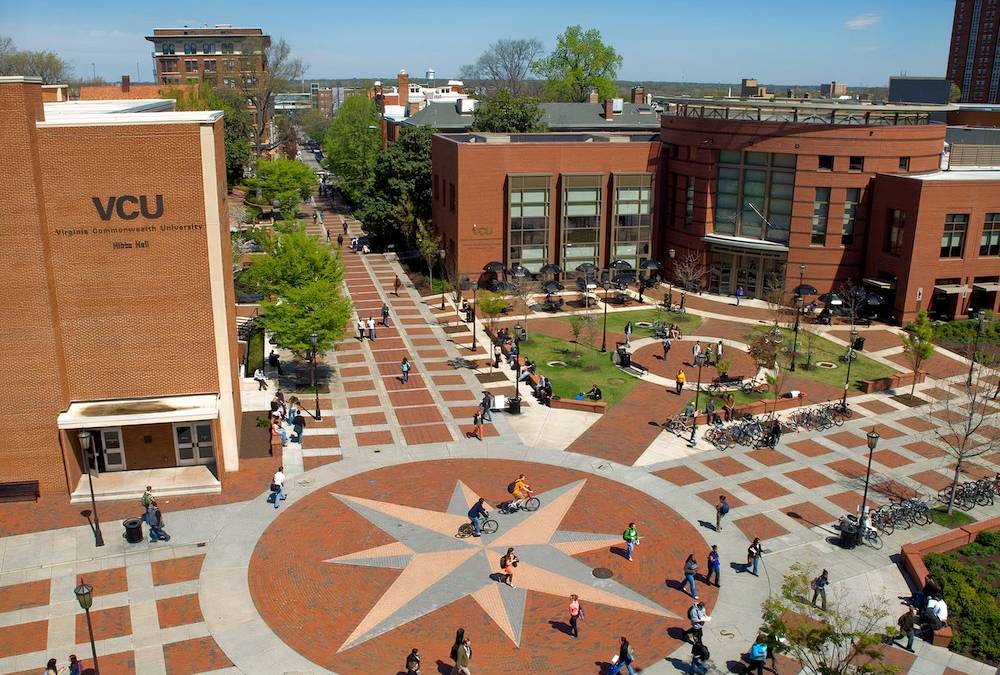

In many ways, putting pen to paper can be therapeutic and healing. That’s proven to be the case for a new writing workshop at Virginia Commonwealth University in Richmond, Va., where veterans, other military members and first responders are learning the art of writing as a tool to process their feelings and experiences.
“We’re teaching people literally how to write. But there’s also been some really astounding therapeutic benefits that we’ve seen people report after finishing the workshop,” Melissa Zhu, a VCU graduate student in the College of Health Professions, said in an interview with Military.com. “In the workshops, we’re reading and hearing what they’ve been through, and how they may be still trying to make sense of, like, their lives.”
It’s called the Mighty Pen Project, which has been operating for about a year with a new $100,000 grant from the Virginia Department of Veterans Services.
Zhu is helping to lead the project once a week for ten weeks, in free virtual sessions over ZOOM. Participants with military backgrounds or family connections submit rough writing samples and learn how to turn prose into poetry, or some other storytelling genre.
“We welcome anyone to bring any kind of genre to the class, anything that they’re interested in. We’re happy to help them learn,” Zhu said. “Most of the time, we’ll see veterans want to write autobiographical stuff. There are essays, short stories; we have gotten poetry as well. Some people write fiction. It all helps them work through a lot of their life experiences.”
Project Founder Originally Taught Mechanics of Writing
Phase one of the Mighty Pen Project, founded by Richmond author David L. Robbins, was simply to get the mechanics of writing taught among participants. But Professor Jared Schultz, Ph.D., chair of VCU’s Department of Rehabilitation Counseling, helped to take the project to the next level.
“It started because of Robbins. He’s a writer, and he does writing instruction. I met him years ago, when he was doing a smaller project on his own,” Schultz told Military.com. “But a couple of years into it, he realized, ‘Man, there’s a lot of therapeutic value to this. These people are digging into stuff.'”
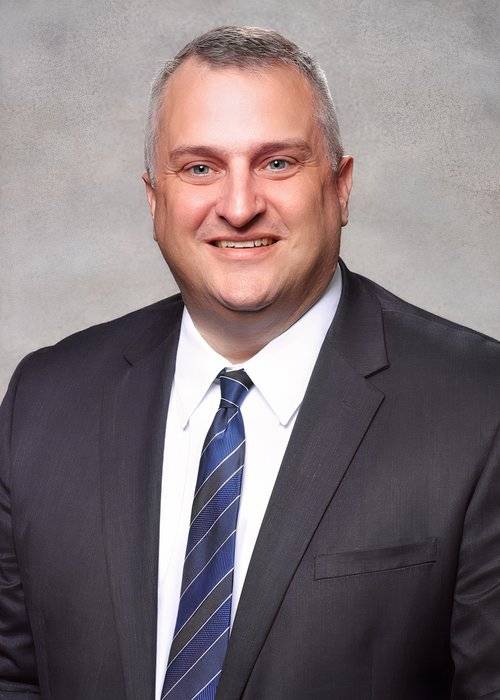
In the current second phase of the Mighty Pen Project titled “Life Between the Lines: A Writing Workshop for the Family Members of Veterans and Active Military Personnel.” Schultz and his team of researchers are looking at how to replicate the program for use by other schools and organizations to reach a broader pool of people.
“We’re meeting them where they are. It’s the idea of desensitization. We’re going to have you write about your experience, your trauma, your perseverance enough to where it doesn’t bug you anymore,” Schultz said. “What this does is it puts the power and control in the hands of the writer, so they can write however much they want, or don’t want, at their comfort level.”
Future Plans Involve National Curriculum
Zhu says the long-term goal is to create a curriculum that can be used in schools and in other institutions for years to come.
“We are still working on what the expansion of scope might look like, and are hoping to train other professionals and counselors or people interested in mental health, in how to run programs like this,” Zhu said. “Right now we’re in the process of manualizing this writing group for broader use in hopes that we can pass it on to other professionals who are interested in being trained in this type of approach.”

But researchers with the project are careful to say that the workshop is not clinical therapy, by any definition.
“That’s something that we always make very clear. This is not an outright therapeutic type of group. Truly, it’s writing first and foremost,” Zhu said. “But because writing, and the act of having to put your life experiences on paper in a way that’s both engaging to a reader and entertaining, it makes you think through that experience and really understand it.”
The next cohort of the Mighty Pen Project starts in the Fall, with an online application process for participants to join from across the country.
“Already, we have some people signed up in different time zones, so not even on the East Coast,” Zhu said. “I think we’re hoping that it does expand, and it’s not like we’re going to gatekeep it. The writing sometimes exposes hard experiences, meaningful experiences for veterans and veteran family members. But through the act of interrogating yourself, you get a sense of what does this life experience mean to me? What have these memories meant to me? Have they changed me? How have they challenged me? We unpack it all.”
Read the full article here
