



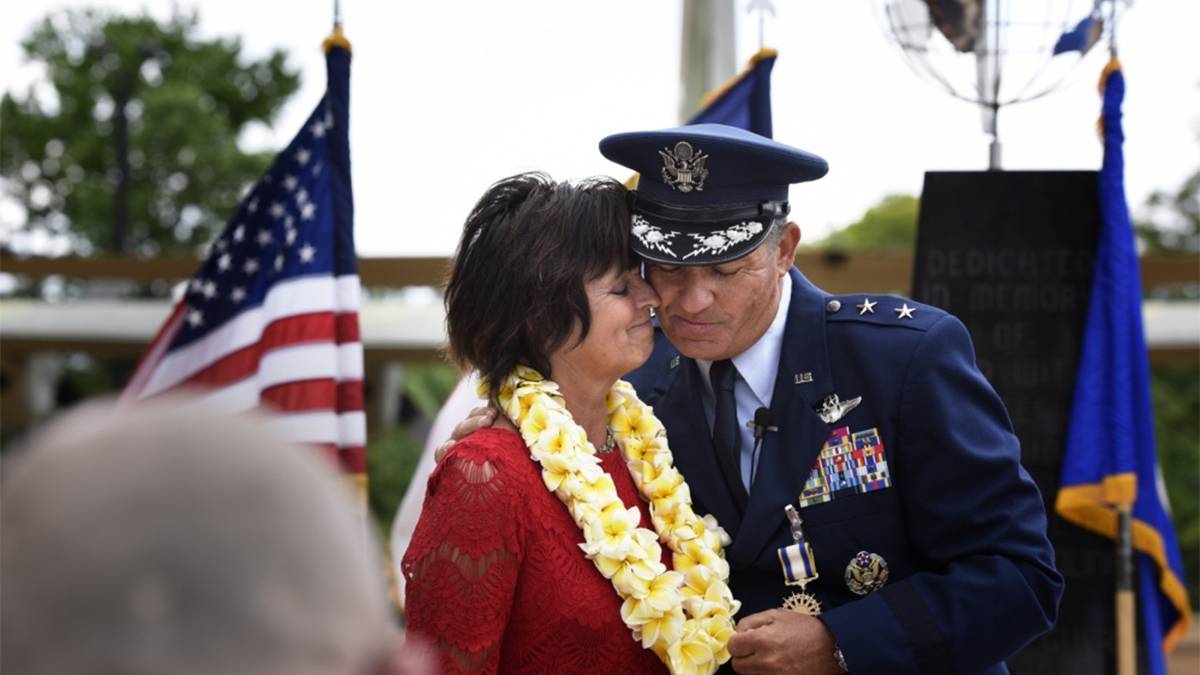

Every summer, thousands of service members leave the military and begin the next chapter of their lives. June is one of the busiest retirement periods of the year, but the reason has less to do with preference and convenience than with military pay.
“It is really more of an administrative timing,” said Sarah Roder, Director of Partnerships at Armed Forces Mutual. “June 30 is the last day of the third fiscal quarter. If you retire on June 30, then you would see your pension check immediately on July 1.”
For Roder, however, the retirement date is only the beginning. The real challenge starts after the farewell ceremony, when veterans must replace not only a paycheck but also a career, a community and, in many cases, a sense of purpose.
“Educate yourself on what you are about to lose and how you’re going to replace it,” she said. “Make sure you have the conversation with your family.”
The Financial Reality Can Catch Retirees Off Guard
Roder recommends that service members begin preparing for retirement one to two years before leaving active duty. One of the biggest mistakes, she said, is assuming a civilian salary equivalent to military base pay will maintain the same lifestyle.
Usually it takes a service member between $30,000 and $50,000 of additional civilian income in order to just break even with what they were making in the military, she said, pointing to the value of tax advantages and non-taxable military allowances that disappear after retirement.
Healthcare expenses are another surprise.
“When you retire, you do get to keep your healthcare, but it now costs you money,” Roder said. “That is shocking to many people.”
She also encourages retirees to review tax withholding through the Defense Finance and Accounting Service (DFAS) after retired pay begins, rather than waiting until tax season to discover an unexpected bill.
Finding Purpose Matters as Much as Finding a Job
Money alone does not determine whether a transition succeeds.
“I think those who transition successfully have a very clear outlook on what they need to do financially,” Roder said. “What comes along with that is service members being able to take the time to say, ‘If I am not serving my country through the military, what am I going to do to find purpose now in my life?’”
She said too many retirees accept the first civilian job they are offered without asking whether it aligns with their long-term goals.
According to Roder, a majority of veterans leave their first civilian job within two years, and about half leave within the first year because they never found the right fit.
Instead, she recommends building enough financial flexibility to take a month or two after retirement before starting another career.
“You can take a breather and decompress,” she said. “Take some time to deal with the situation, then you will be much more successful after returning to employment.”
Don’t Undersell Military Experience
Roder believes veterans often underestimate what they bring to civilian employers.
“They underestimate themselves. One hundred percent,” she said. “Most, especially those who are retiring from the service, have so many wonderful attributes, especially in leadership.”
She encourages transitioning service members to create a LinkedIn profile well before retirement, network with veterans who have already made the transition and seek out mentors who can help translate military accomplishments into civilian language.
She also urged veterans to negotiate salary offers rather than assuming the first number is final.
“They really underestimate their value monetarily,” she said.

The Entire Family Is Transitioning
Military retirement is rarely just one person’s adjustment.
“A military spouse is also experiencing a retirement from the military,” Roder said. “It’s a community that they have been a part of, just like you have, only in a different role.”
That is why she believes communication is the most important factor in a successful transition. Families should discuss where they want to live, whether a spouse wants to return to work, how children will be affected and whether it makes sense to postpone a move until after a child graduates from high school.
Parents should also remember that Post-9/11 GI Bill benefits generally must be transferred to dependents while the service member is still serving.
For retirees searching for a renewed sense of purpose, Roder recommends staying connected to the military community through mentoring or volunteer work.
“Maintaining a connection by volunteering time, by becoming a mentor through different organizations, I think really helps people soften the transition.”
Her advice for service members approaching retirement is straightforward: start planning early, understand the financial changes ahead and make the transition a family effort rather than an individual one.
“The most important piece of advice,” she said, “is to educate yourself and talk to your family.”
Read the full article here
