



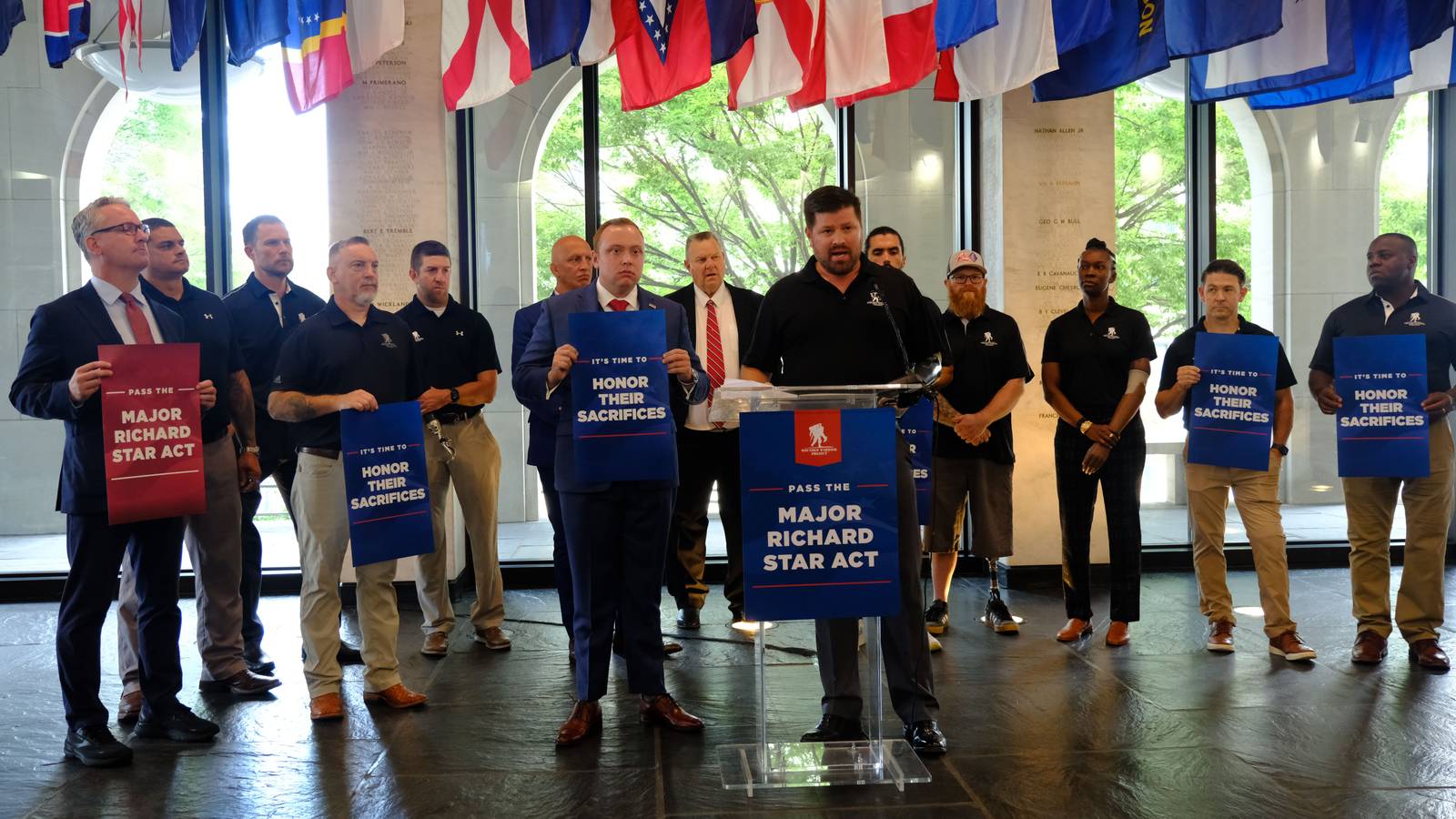

As some have scrutinized the comprehensive Take Care of America’s Veterans Act and called for sections to be modified or removed altogether, nearly two dozen veterans service organizations are “urging” Congress to move swiftly and enact the legislation as written.
U.S. House and Senate lawmakers continue to debate the TCAVA and its more than 60 bill provisions that include the Major Richard Star Act, the Love Lives On Act, caregiver program reforms, Department of Veterans Affairs modernization initiatives and combat-injured veteran expansions. Drafted legislation also includes proposals to strengthen mental health support, improve spinal cord injury care and prosthetic services, expand resources for survivors and families, and advance services for women veterans.
Not everyone is completely on board, however. While support for the Major Richard Star Act, for example, has been widespread, VSOs, veterans and dozens of members of Congress have openly called for certain sections to be amended or stripped, notably one provision known as Section 108 that critics believe will have nefarious effects on military service members who suffer from tinnitus and sleep apnea.
A June 29 letter signed by 23 VSOs remains steadfast in wanting to bring the TCAVA to the finish line, even with Section 108 included as written. The letter was addressed to Sen. Jerry Moran (R-Kan.) and Rep. Mike Bost (R-Ill.), the chairs of the Senate and House Committees on Veterans’ Affairs, respectively, as well as Sen. Richard Blumenthal (D-Conn.) and Rep. Mark Takano (D-Calif.), the committees’ ranking members.
“This comprehensive package reflects years of bipartisan and bicameral work to improve care, benefits, and services for the veteran community,” the letter reads. “Republicans and Democrats have authored elements of the bill, and we believe it represents one of the most thorough efforts to deliver non-partisan support and relief to both broad and narrow segments of the communities we serve.
“It brings together more than 60 provisions affecting veterans’ benefits, health care, education, transition assistance, caregiver support, survivor benefits, and other essential services. Taken together, these provisions would do extraordinarily good for millions of veterans, caregivers, families, and survivors today and for generations to come.”
The full list of the 23 VSOs that signed the letter is as follows:
- The American Legion
- Military Officers Association of America (MOAA)
- Wounded Warrior Project
- Elizabeth Dole Foundation
- Tragedy Assistance Program for Survivors (TAPS)
- American Veterans (AMVETS)
- Air Force Sergeants Association
- American Optometric Association
- Avalon Action Alliance
- Commissioned Officers Association of the USPHS (COA)
- Gold Star Spouses of America
- K9s For Warriors
- Korean War Veterans Association
- Military Chaplains Association
- Military Order of the Purple Heart (MOPH)
- Mission Roll Call
- National Defense Committee
- National Military Family Association (NMFA)
- Sons and Daughters In Touch
- United States Army Warrant Officers Association (USAWOA)
- USCG Chief Petty Officers Association (CPOA)
- Veterans Justice Alliance
- Vietnam Veterans of America
VSOs’ Reasons for TCAVA Support
The VSOs, as part of their letter, described the legislation as “critical” and overwhelmingly view it as a step in a positive direction.
They especially applaud the inclusion of the Major Richard Star Act, which would end what bill proponents view as the unfair offset that forces more than 59,000 medically retired, combat-injured veterans to forfeit a portion of their earned military retirement pay to receive the disability compensation they deserve.
“Correcting this injustice would have a meaningful and lasting impact on some of the most severely wounded, ill and injured veterans,” the letter reads.
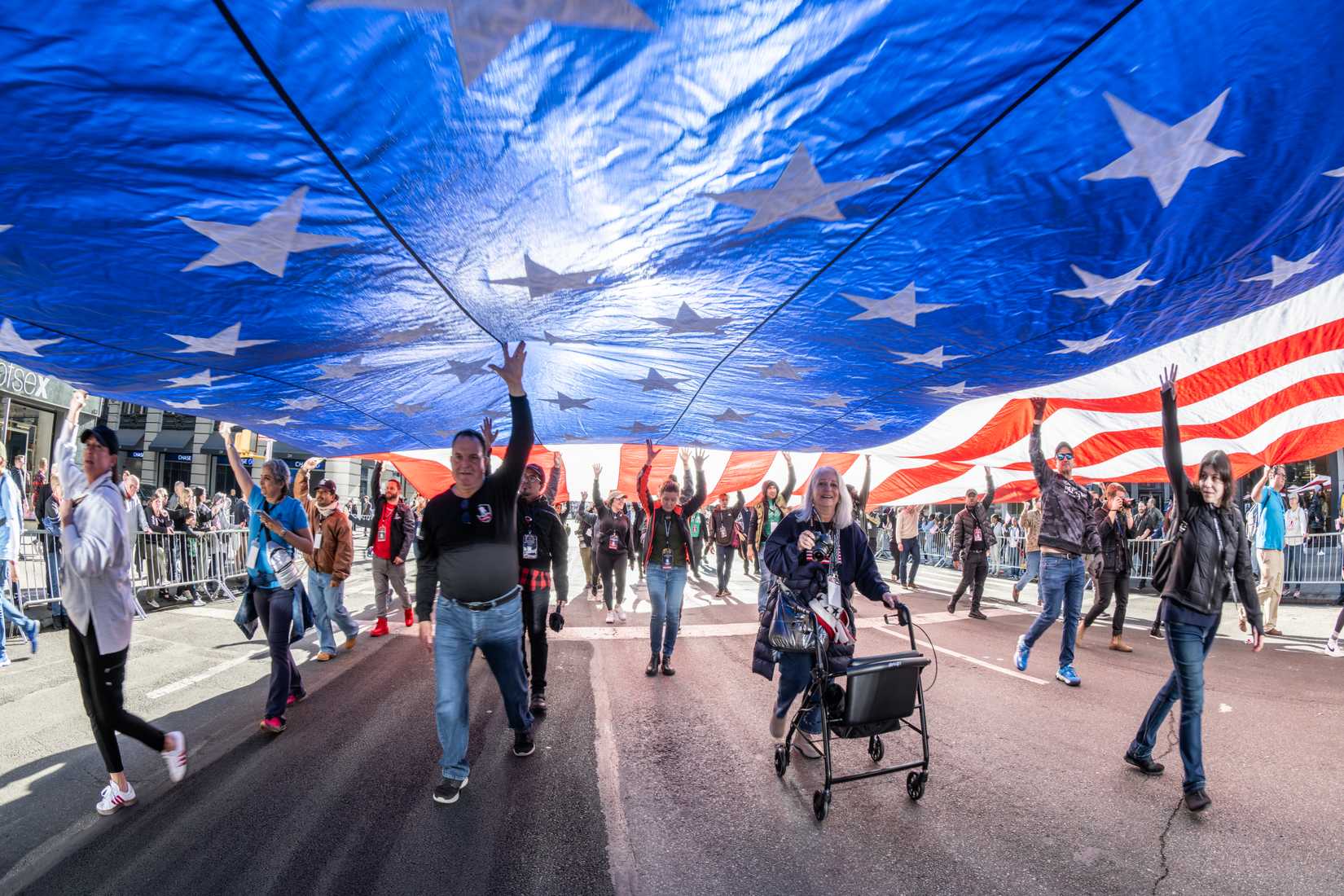
The letter also toes the line between support and rejection of the legislation, noting how “the current environmental is far from ideal” though it presents an opportunity for a divided Congress to find some common ground. VSOs added that their support is a result of “thoughtful consideration and discussion of our concerns.”
“Legislating changes to the Veterans Affairs Schedule for Rating Disabilities (VASRD) is not a standard path, and under ordinary circumstances it is not an approach we would support,” the letter reads. “Ideally, Congress would advance these long-overdue priorities without requiring offsets from future disability compensation.”
Gold Star Spouses, Wounded Warrior Project Speak Out
Military.com reached out to a handful of VSOs for additional remarks, notably on why keeping Section 108 in the currently written legislation is not a make-or-break decision as it has been for some other organizations and veterans.
Representatives for Gold Star Spouses of America and the Wounded Warrior Project provided their input, rooted in the way the legislation is drawn, while acknowledging that some aspects of the bill may appeal to some more than others.
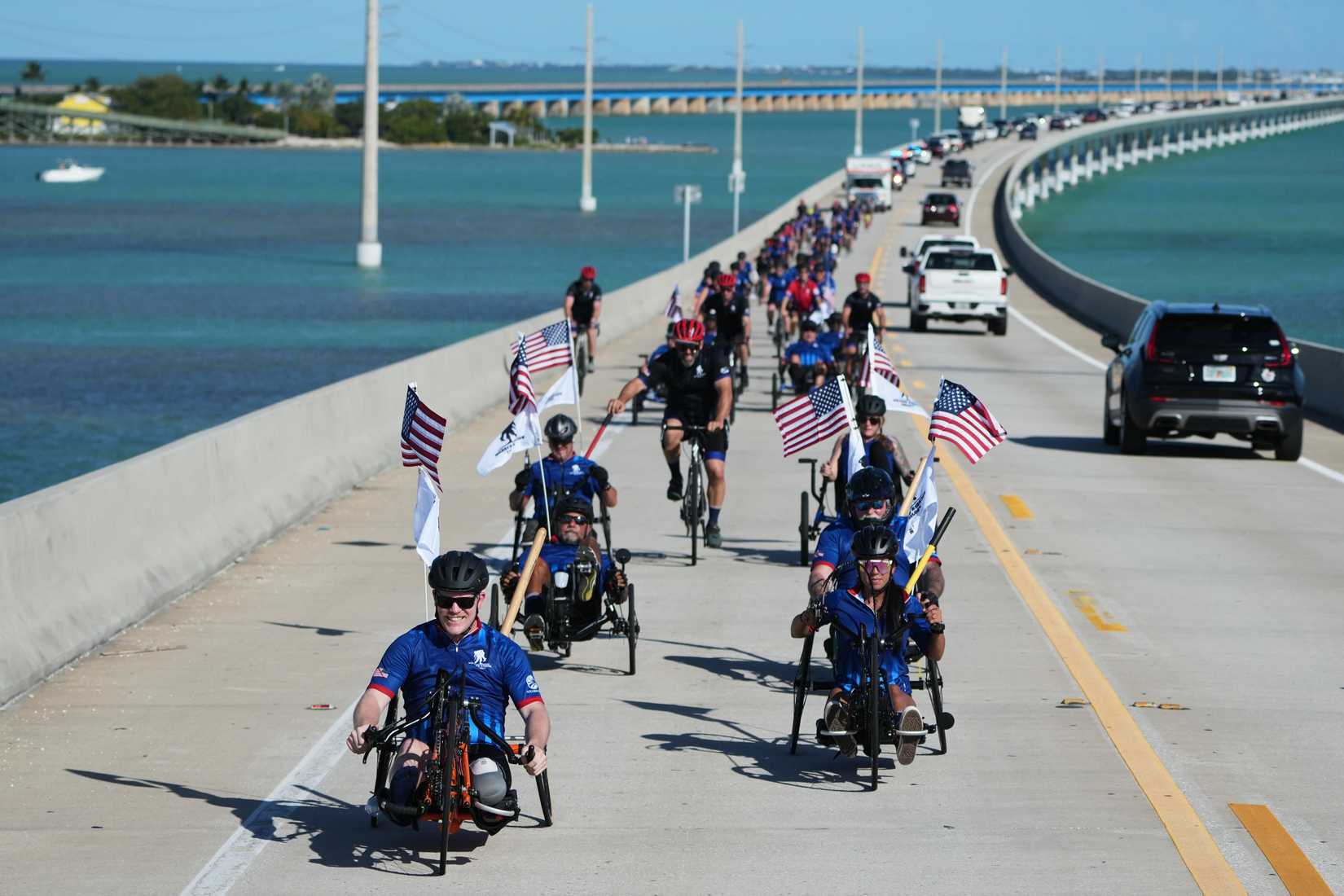
Tamra Sipes, president of the Gold Star Spouses, told Military.com that her organization is centered on ensuring that the promises made to those who serve and to the families who sacrifice alongside them are honored—specifically praising provisions including the Sharri Briley and Eric Edmundson Act and Love Lives On Act, both of which specifically affect surviving spouses.
“We recognize that some organizations have expressed concerns regarding specific provisions, including Section 108,” Sipes said. “Those concerns are legitimate and deserve thoughtful consideration through the legislative process. It is not uncommon for broad, comprehensive veterans’ legislation to generate differing viewpoints on individual sections.
“However, we do not believe those concerns should prevent Congress from advancing legislation that delivers substantial and meaningful improvements for so many veterans, survivors, caregivers and military families. We encourage lawmakers to work collaboratively and address concerns where appropriate while ensuring that the many critical benefits contained within the package are not delayed.”
That perspective was echoed by the Wounded Warrior Project. A spokesperson for the organization told Military.com that “meaningful improvements” included in the final bill version are paramount to the causes of all those affected.
“We believe continuing the conversation outweighs stopping progress on TCAVA,” the spokesperson said. “The choice before Congress and the community is whether we deliver long-overdue benefits to veterans, caregivers and survivors while working with Congress to improve these real concerns—or allow both the opportunity and the resources to slip away.
“We do not believe stopping all conversations or ending progress on a broader package that has the potential to improve the lives of millions in the veteran community is the only alternative option. Our focus remains on strengthening the legislation and ensuring veterans receive the care, benefits and support they have earned.”
Read the full article here
