



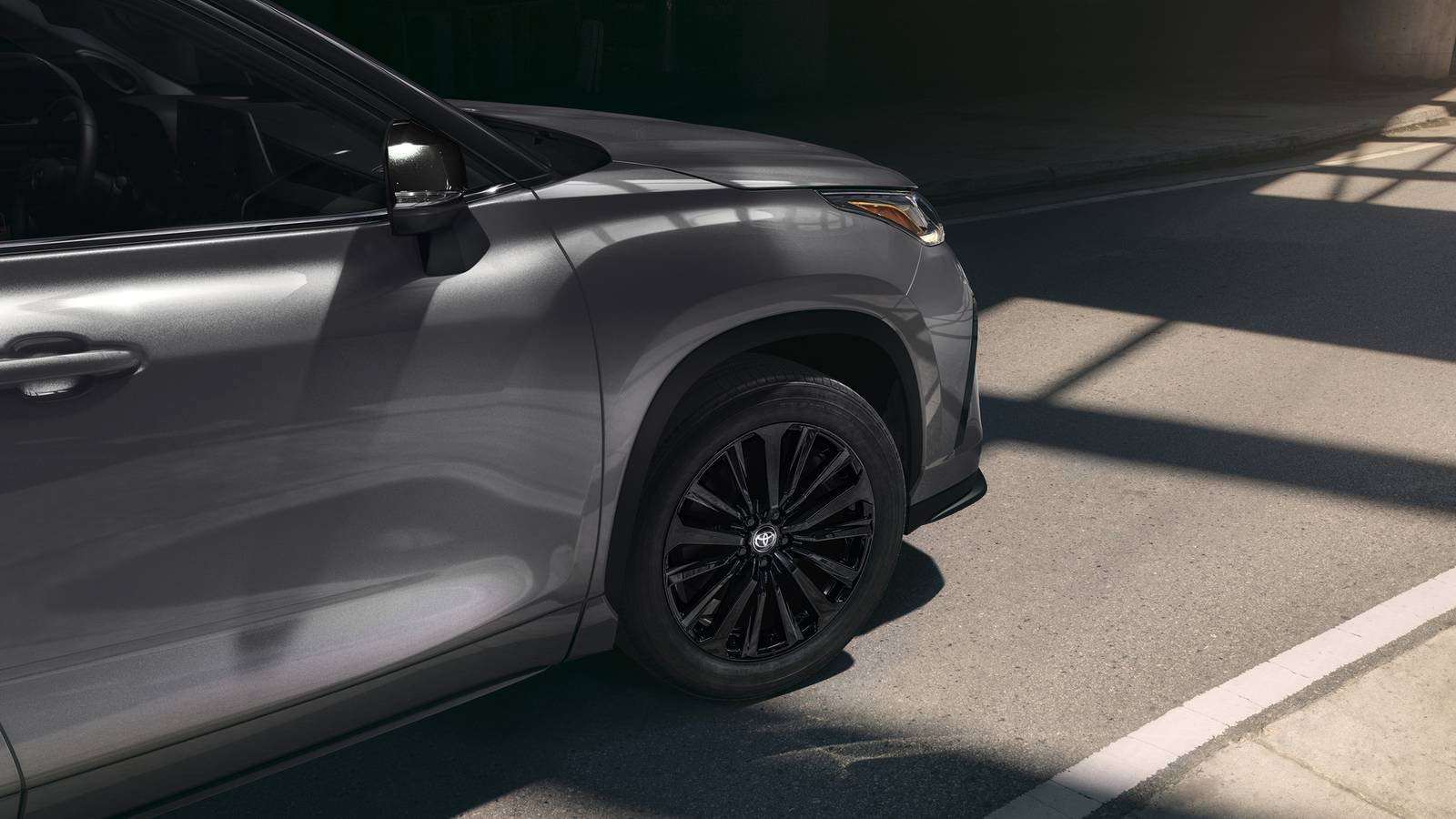

Take a look at data fromiSeeCars, and you’ll see a handful of SUVs that are anywhere from 2.9 to 9.1 times as likely to cross a quarter million miles as the average vehicle, led by Toyota models like the Toyota Sequoia. These SUVs are all made by automakers with a reputation for dependability, like Honda and Lexus, but that’s not all they have in common.
It’s not just that these SUVs are remarkably well-built, but that they buck certain trends. Namely, small, overstressed turbocharged engines and one-speed CVTs. All of these SUVs are available with multi-speed automatic transmissions, and engines tuned to a reasonable power output. These characteristics don’t necessarily guarantee dependability, but they can make a big difference in the six-digit mileage range.
Toyota And Honda Know How To Build’Em
iSeeCars ranks the following ICE SUVs as the most likely to cross 250,000 miles.
|
Model |
% Chance Of Lasting 250,000 Miles |
Compared To Average |
|
Toyota Sequoia |
39.1% |
9.1x |
|
Toyota 4Runner |
32.9% |
7.7x |
|
Lexus GX |
18.3% |
4.3x |
|
Honda Pilot |
13.1% |
3.1x |
|
Toyota Highlander |
12.7% |
2.9x |
We’ll feign surprise that they’re all built by Honda and Toyota.
An Automaker’s Got To Know Its Limitations
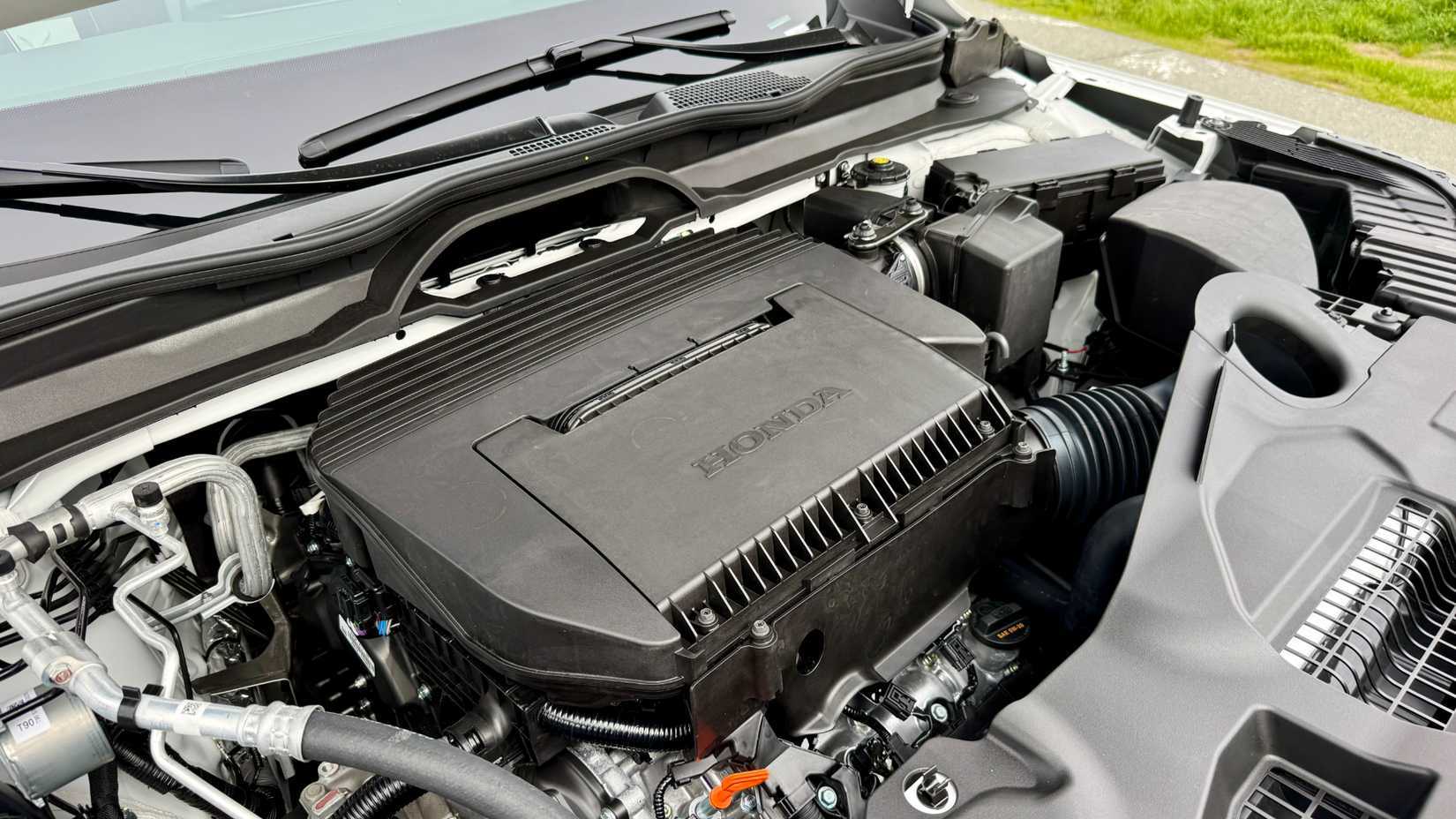
If you know your SUVs, we know what you’re thinking. Don’t the Toyota Highlander and the Toyota 4Runner both pack 2.4-liter turbo-fours as their base engines?
Yes, they do. But let’s take a look at power output and displacement, comparing these models to some SUVs that didn’t make the list.
|
SUV |
Engine |
Power |
|
Toyota 4Runner |
2.4-Liter Turbocharged 4-Cylinder |
278 hp |
|
Toyota Highlander |
2.4-Liter Turbocharged 4-Cylinder |
265 hp |
|
Volkswagen Taos |
1.5-Liter Turbocharged 3-Cylinder |
158 hp |
|
Ford Escape |
1.5-Liter Turbocharged 3-Cylinder |
180 hp |
|
Jeep Renegade |
1.3-Liter Turbocharged 4-Cylinder |
177 hp |
The trend across all five of iSeeCars‘ leading engines isn’t just bigger power plants, but engines that aren’t being pushed to their absolute limit. The Jeep Renegade’s 1.3-liter turbo-four has barely more than half the displacement of a 2.4-liter turbo-four in a Toyota Highlander, but it’s making close to 200 hp.
Anything under 300 hp is reasonable for a well-built 2.4-liter turbo-four. The problem isn’t necessarily the turbo, or the small engine, but pushing a small turbocharged engine to do more than it’s comfortable doing.
The Transmission Plays A Big Part In Longevity
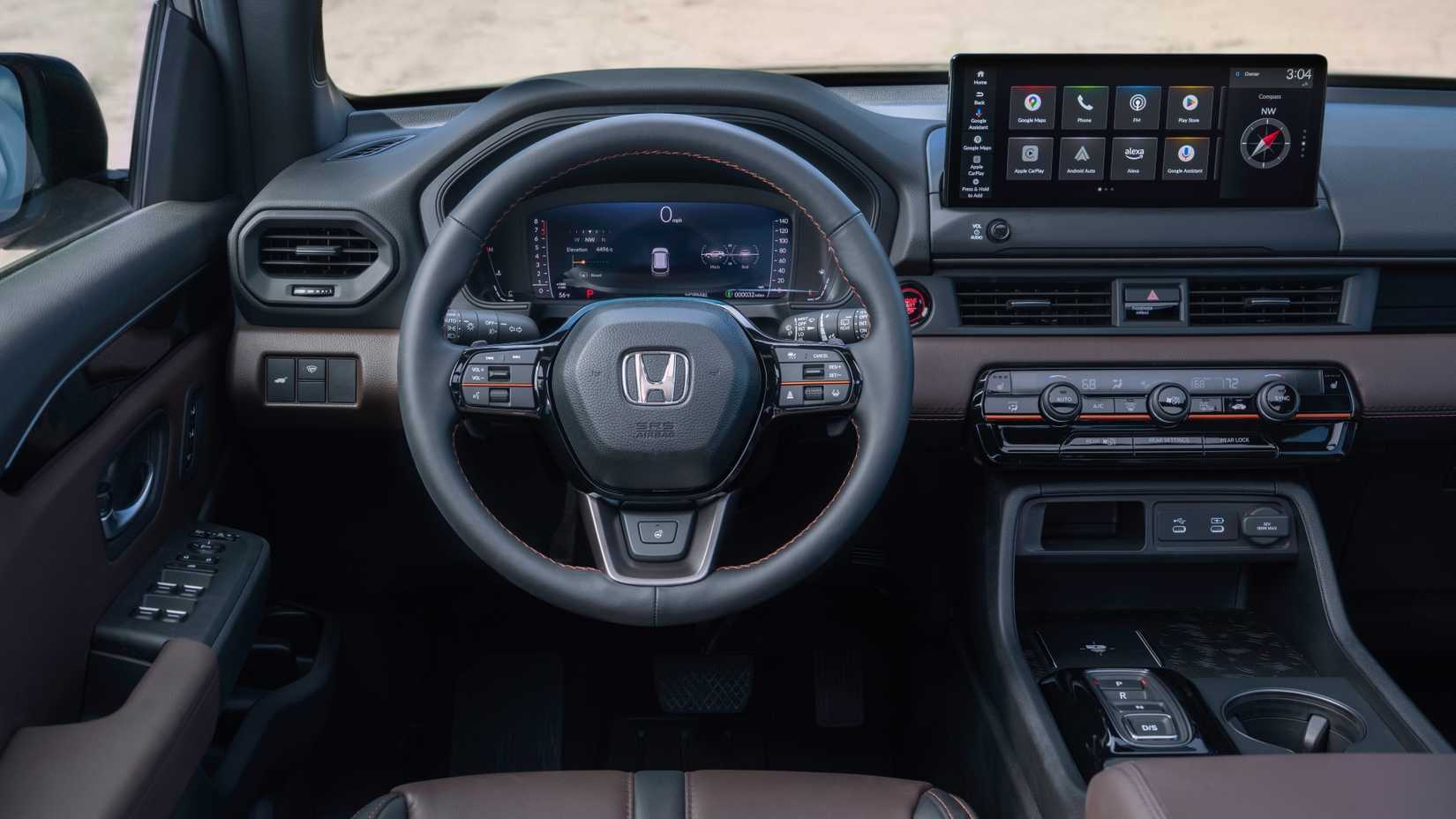
Check the transmissions in the leading SUVs.
|
Model |
Transmission |
|
Toyota Sequoia |
10-Speed Automatic |
|
Toyota 4Runner |
8-Speed Automatic |
|
Lexus GX |
10-Speed Automatic |
|
Honda Pilot |
10-Speed Automatic |
|
Toyota Highlander |
8-Speed Automatic |
Having more gears doesn’t necessarily make a transmission more reliable, if you’re wondering. Engines can more easily operate in their most efficient RPM range with more gears, but the trade-off is more complicated repairs and more parts that can break. But that’s all beside the point we’re trying to make here. What these transmissions have in common is simply that they’re multi-gear transmissions, not CVTs.
Do Turbos And CVTs Really Destroy Longevity?
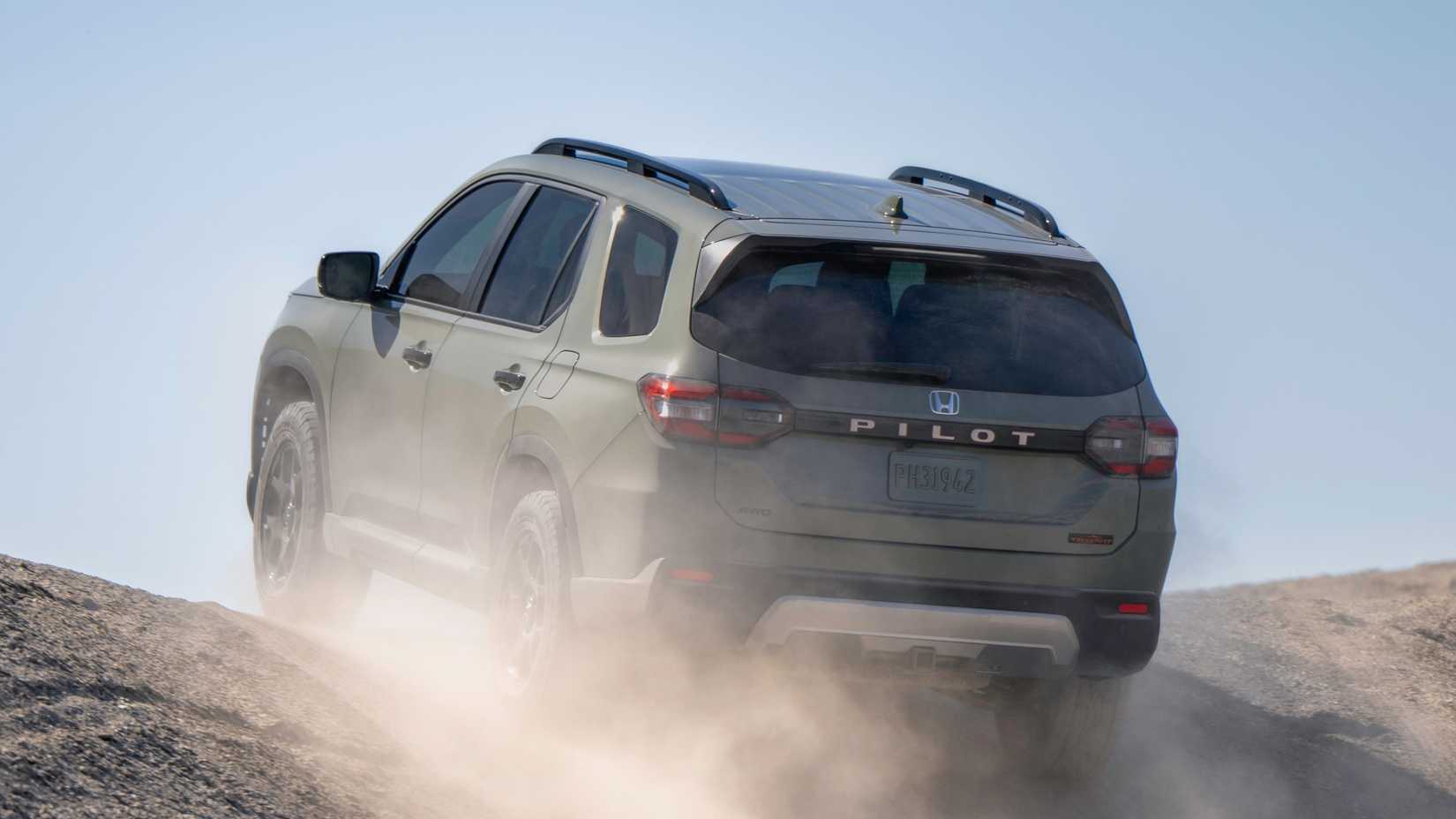
We don’t want to spread any misinformation here, so let’s be clear. Turbocharged engines aren’t necessarily unreliable, and CVTs aren’t nearly as flaky as their reputation would suggest. Honda has been offering CVTs in the Civic since the 1996 model year, and Toyota’s CVT is known for its outstanding longevity.
Check out the Toyota Corolla Club group on Facebook, and you’ll find a 2017 Corolla owner showing off their 300,000-mile sedan, despite a handful of small accidents “and a CVT transmission.” Now that these transmissions have been around for a while, it’s not unusual to see them crossing a quarter-million miles.
An automatic transmission typically requires a fluid change every 60,000 to 100,000 miles or so, depending on what your owner’s manual says. A CVT’s fluid-change intervals are a bit shorter, usually somewhere between 30,000 and 60,000 miles. Putting these fluid changes off will take years off your transmission.
All of that being said, automatic transmissions use solid metal gears, instead of rubber belts slipping around on a couple of cones, creating constant friction and wearing the components down. You don’t need to be an MIT graduate to see how one of these solutions will tend to outlast the other.
Sources: Toyota, Honda, iSeeCars, The Zebra, Toyota Corolla Club.
Read the full article on CarBuzz
This article originally appeared on CarBuzz and is republished here with permission.
Read the full article here
