



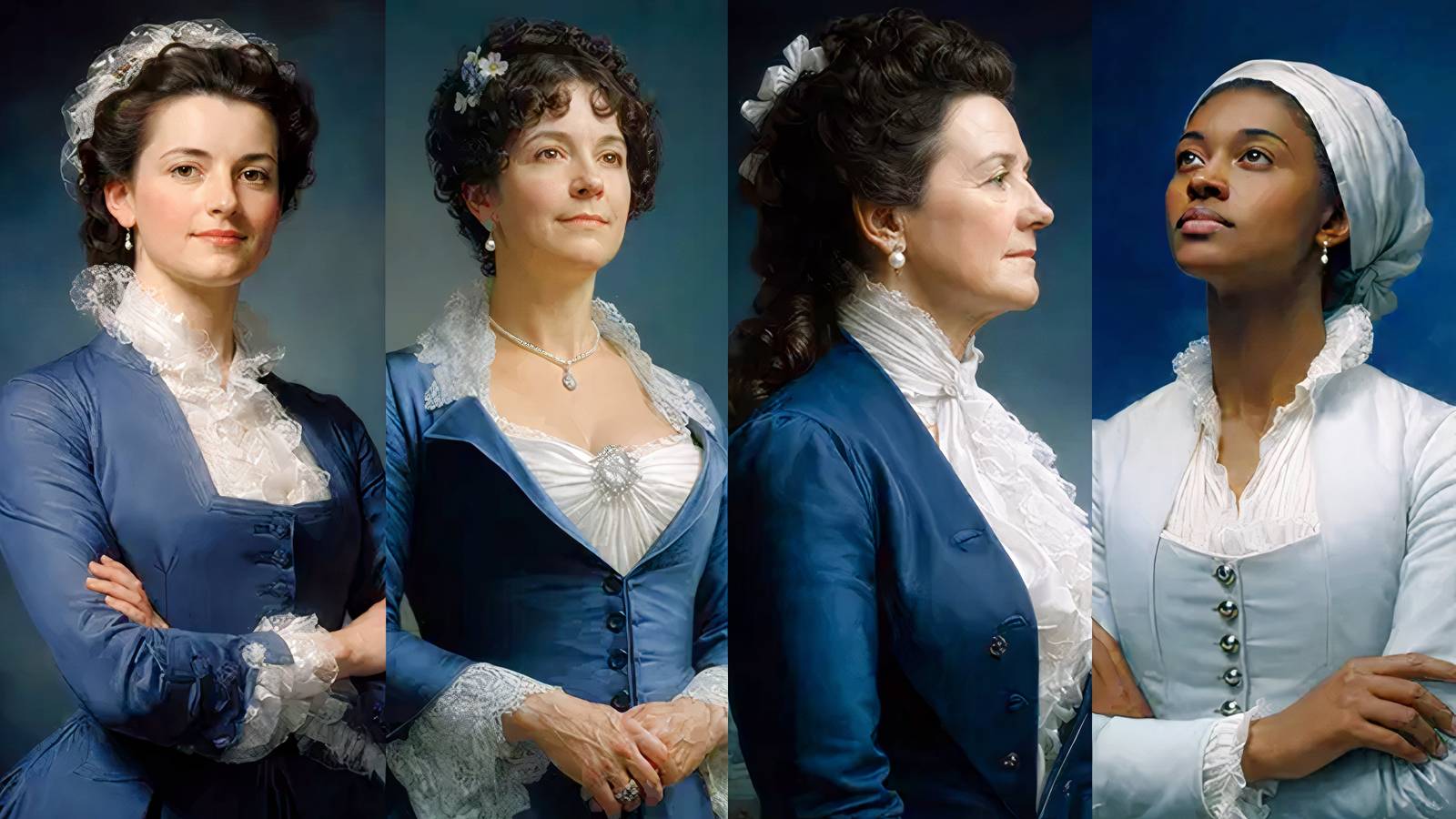

A historian and podcast host drew more than 1.1 million impressions on Instagram after criticizing the White House’s Freedom 250 website over what she described as AI-generated images and historically inaccurate depictions of women connected to the American Revolution.
Isabelle Roughol, host of the women’s history podcast “Broad History,” posted a video calling out images on the Freedom 250 site’s “Ladies of the Revolution” section, including images she said were presented as Abigail Adams and Dolley Madison.
The White House’s Freedom 250 page describes the initiative as part of the national buildup to July 4, 2026, when the United States will mark 250 years since the adoption of the Declaration of Independence. The site says the White House created Freedom 250 as a public-private partnership and that the broader Task Force 250 effort will include a year of events running through the end of 2026. The Freedom 250 page also includes sections on Revolutionary War history, agency plans, major events and a “Ladies of the Revolution” section.
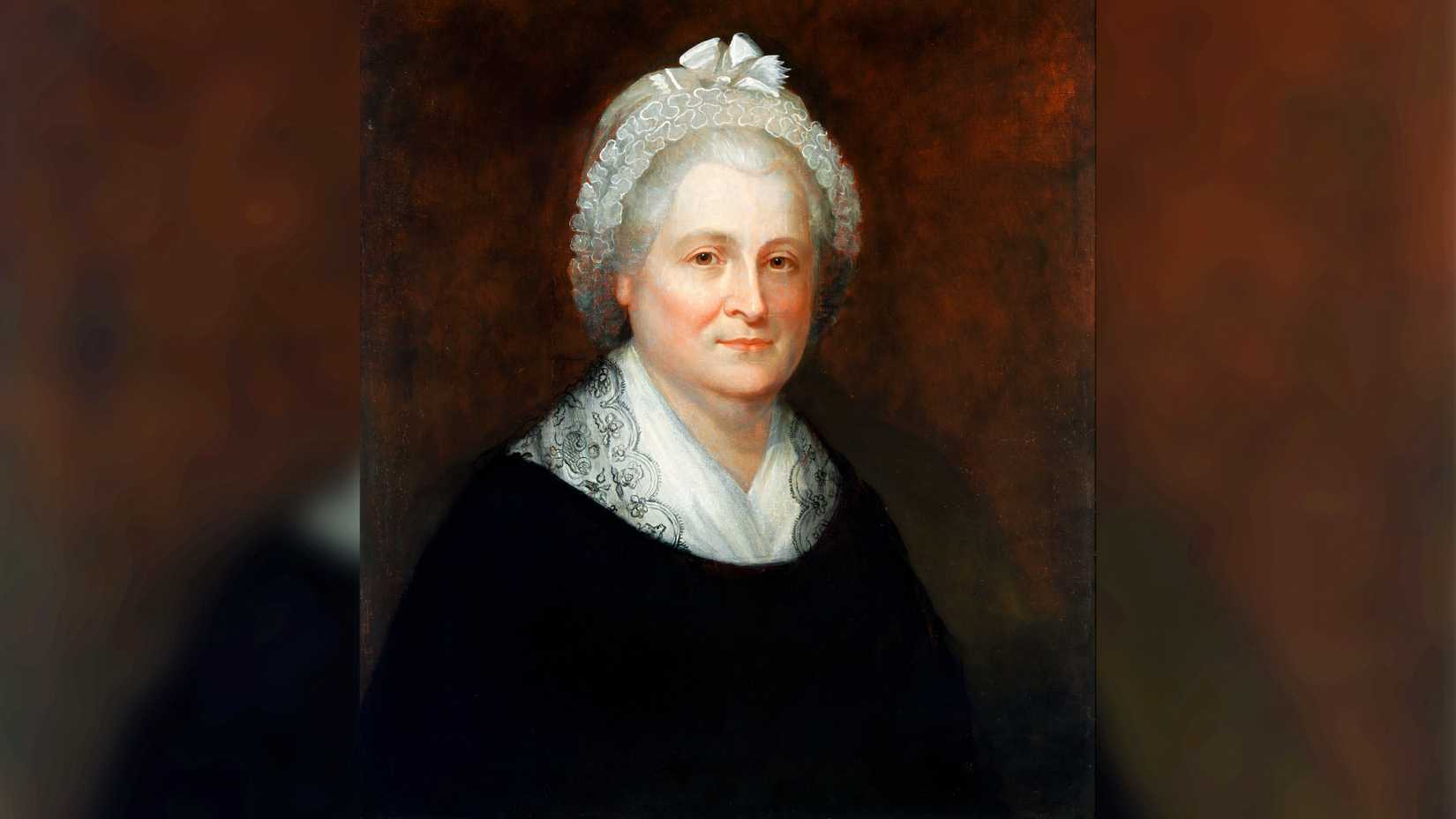
“That is not Abigail Adams,” Roughol said in the video, comparing the image on the White House site with known portraits of Adams.
Military.com asked the White House and Freedom 250 whether any images in the “Ladies of the Revolution” section were generated or altered with artificial intelligence, what review process was used to verify historical accuracy, and whether the images would be updated, corrected or removed. None provided on-the-record responses prior to publication.
The video was reviewed by Military.com before Roughol’s Instagram account was made private. Military.com reached out to Roughol, who also did not respond before publication.
Military.com could not independently confirm whether the images Roughol criticized were generated by artificial intelligence. The Freedom 250 page did not appear to label the images as AI-generated in the section Roughol criticized.
‘Misinformation Machine’
Roughol, a journalist and public historian, argued that the images show why artificial intelligence can create problems when used for public history, especially during a national commemoration meant to teach Americans about the country’s founding and individuals important to American Independence.
“The White House website for the Semiquincentennial, which they call Freedom 250, is an absolute textbook case in why you do not use AI illustration when you do public history,” she said, adding that it’s a “misinformation machine.”
Roughol’s video focused on the use of images to represent women whose lives are already often compressed or misremembered in popular Revolutionary War history.
Abigail Adams is one of the best-known women of the founding era, in part because of her letters to John Adams during the Revolution. Her March 1776 appeal to “remember the ladies” became one of the era’s most quoted arguments for women’s legal and political consideration, even as women remained excluded from formal political power.
Roughol also criticized the site’s use of an image she said was meant to represent Dolley Madison. Madison later became first lady during James Madison’s presidency and is most commonly associated with the early 19th century and the War of 1812. She was born in 1768, making her 8 years old when the Declaration of Independence was adopted in 1776.
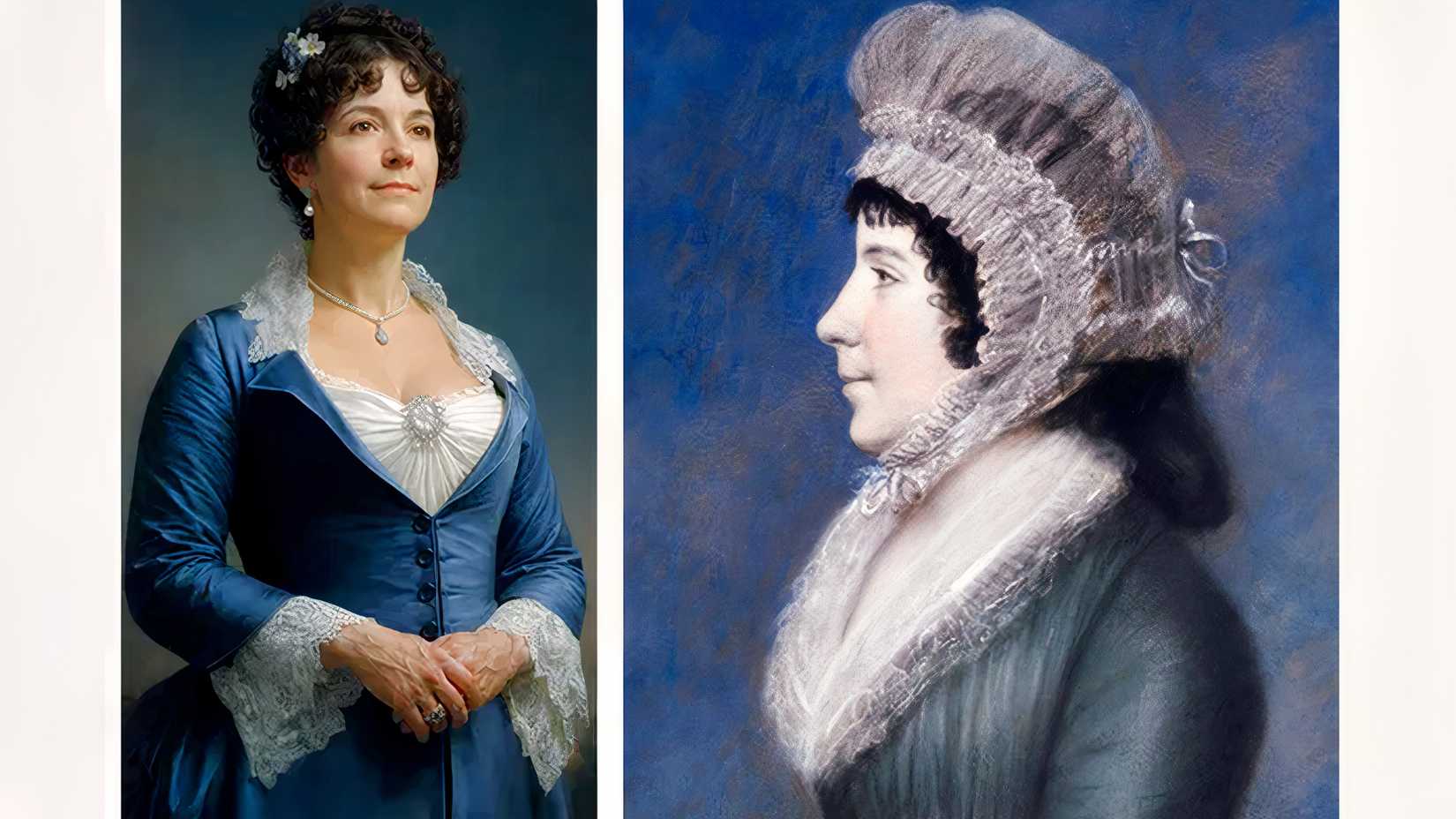
“And this is how I can tell you that that is also not Dolley Madison,” Roughol said in the video. “Dolley was eight years old for the Declaration of Independence.”
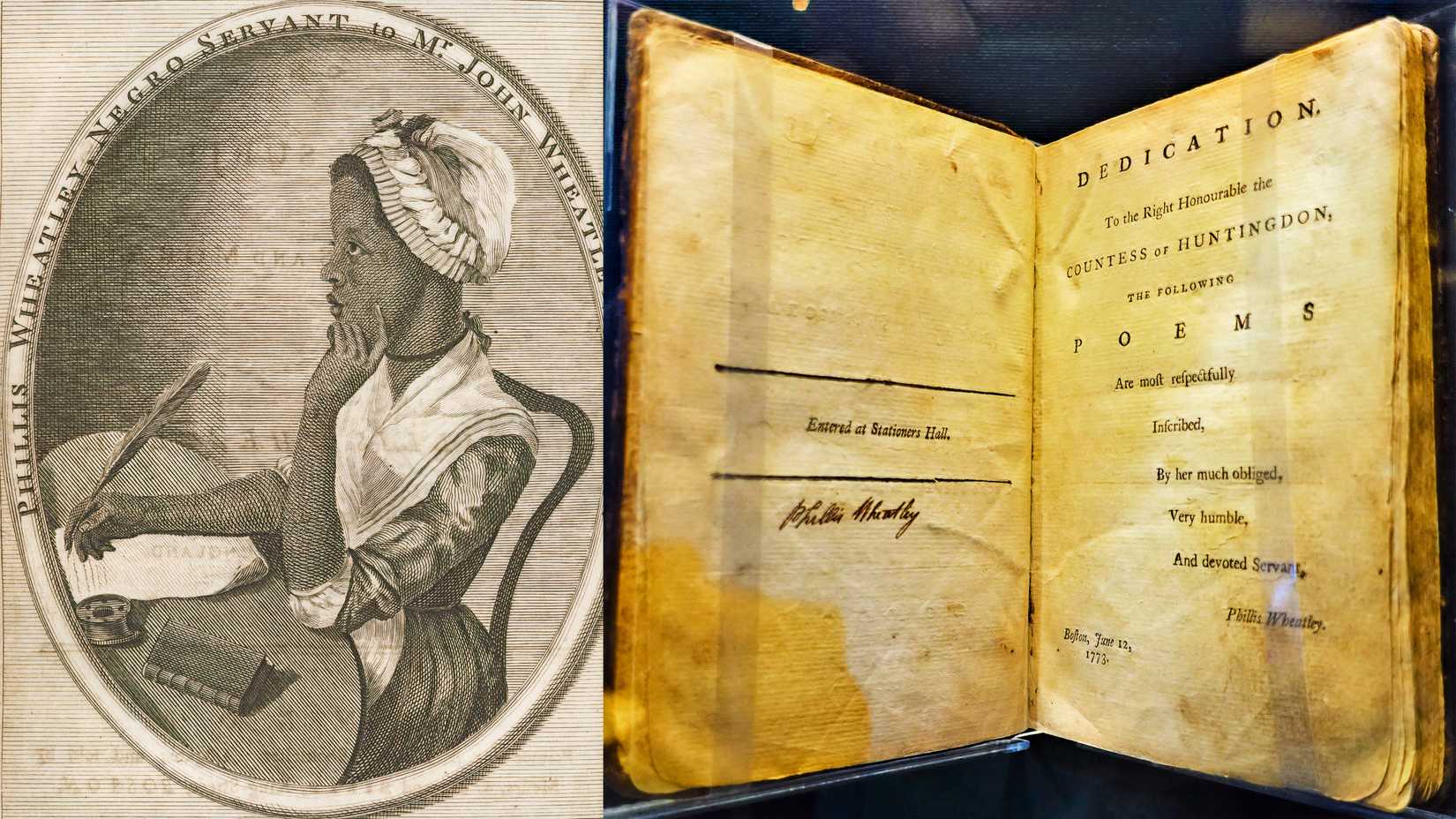
Roughol also criticized the site’s depiction of Phillis Wheatley, the formerly enslaved poet whose 1773 book made her the first Black American woman to publish a book.
In the video, Roughol argued that the image’s wealthy styling, including silk clothing and pearl earrings, ignored the hardship Wheatley faced after emancipation. Wheatley’s planned second volume of poems was never published, and accounts of her later life describe financial struggle before her death in 1784.
Gearing Up for 250
The criticism comes as federal, state and local commemoration efforts accelerate ahead of America’s 250th anniversary.
Museums, historic sites, government agencies and local communities are preparing programming tied to the Revolution, military history and the nation’s founding documents.
The scrutiny also points to a broader concern for public-history projects tied to America250. Official commemoration sites often serve as teaching tools for students, families, veterans and service members seeking reliable historical context.
When an official page uses questionable visuals, especially for people whose surviving portraits or records may already be limited, errors can spread quickly.
AI-generated images have become easier to produce and harder for casual viewers to spot. In public history, technology can blur the line between illustration and evidence, particularly when images are presented without clear labels explaining how they were created or whether they are historically accurate.
That problem can be sharper for women’s history. Many Revolutionary-era women left fewer official records than men, and their contributions have often been filtered through family papers, letters, local memory or later retelling. A polished but inaccurate image can give readers a false sense of certainty.
Roughol said in the video that she is producing a summer series on women of the American Revolution for “Broad History,” which she describes as a podcast about “the history you think you know, with women in it this time.”
That focus made the White House page stand out to her.
In the video, Roughol said the page appeared to have far fewer women than men, then criticized what she viewed as an effort to fill out the section with familiar first ladies rather than women who more directly belonged to the Revolutionary era.
Dolley Madison is a particularly awkward fit for a Revolutionary War section. Though she lived through the early republic and became a defining figure of Washington society, her most famous wartime association came decades later, during the War of 1812, when she was credited with helping save valuables from the White House before British troops burned it in 1814.
Broader Scrutiny Against Some Anniversary Events
The criticism also comes as Freedom 250 promotes major events tied to the anniversary, including Independence Day celebrations, agency programming, educational projects and military-related commemorations.
The White House page said the Department of Veterans Affairs will hold events at local VA facilities and national observances tied to Memorial Day, Veterans Day and the 250th anniversary. It also lists Defense Department-related programming, including America 250 video features, air shows, Fleet, Navy and Marine weeks, and military appreciation events at sports venues.
That makes historical accuracy more than a design issue. Freedom 250 is being presented as a national public history effort, and the images it uses help shape who appears in the story.
Roughol argued in the video that women of the Revolution have already had to fight for space in public memory of the founding. Replacing them with generic or inaccurate AI-style figures, she said, risks making that erasure worse.
Read the full article here
