



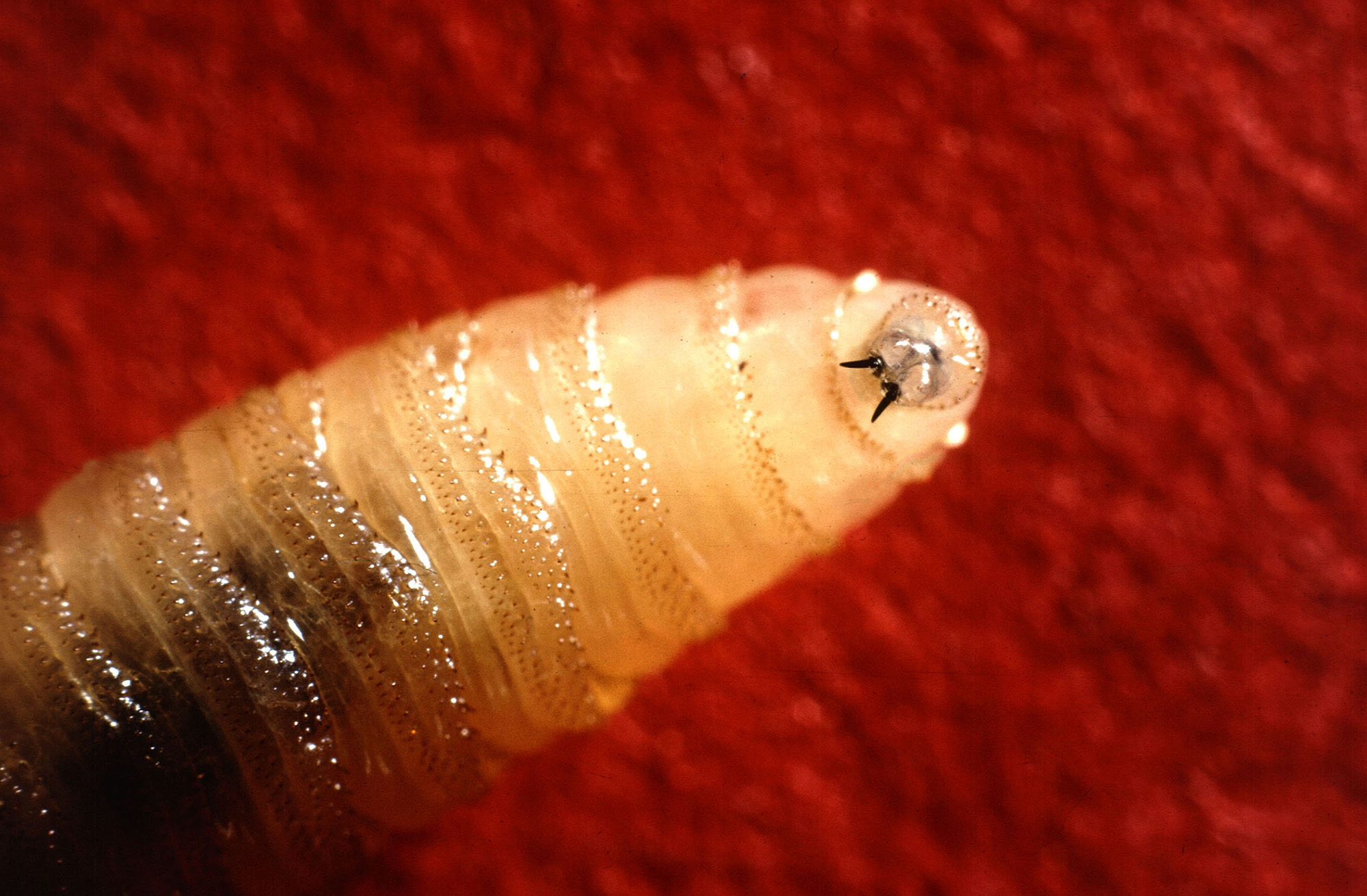

A flesh-eating parasite is back in U.S. animals, and federal agencies are asking people who spend time around livestock, pets, and wildlife to watch for suspicious wounds.
The parasite is the New World screwworm, a fly whose larvae feed on living tissue. The first U.S. animal case in the current outbreak was confirmed on June 3 in a calf in Texas. As of June 22, the Centers for Disease Control and Prevention reported 16 domestically acquired animal cases in the United States.
The CDC says no locally acquired human infestations have been reported in the U.S. The agency also said the current risk to people and animals remains very low and is localized to areas where cases have been reported.
That all makes this a bit less of a panic story and more of a field-awareness story. Hunters, dog owners, ranchers, and people recreating around livestock or wildlife are among the groups most likely to notice something wrong.
What Is New World Screwworm?
New World screwworm isn’t actually a worm. It’s a parasitic fly, known scientifically as Cochliomyia hominivorax. Female flies lay eggs in open wounds or body openings, including the eyes, ears, nose, mouth, genitals, and the navel area of newborn animals.
When those eggs hatch, the larvae burrow into the wound and feed on living tissue. That’s what separates New World screwworm from many other maggots people may associate with dead animals or rotting tissue. New World screwworm attacks live, warm-blooded animals.
The pest can infest livestock, pets, wildlife, birds, and, in rare cases, people. In animals, untreated infestations can cause severe wounds, suffering, and death.
Why Hunters and Dog Owners Should Care
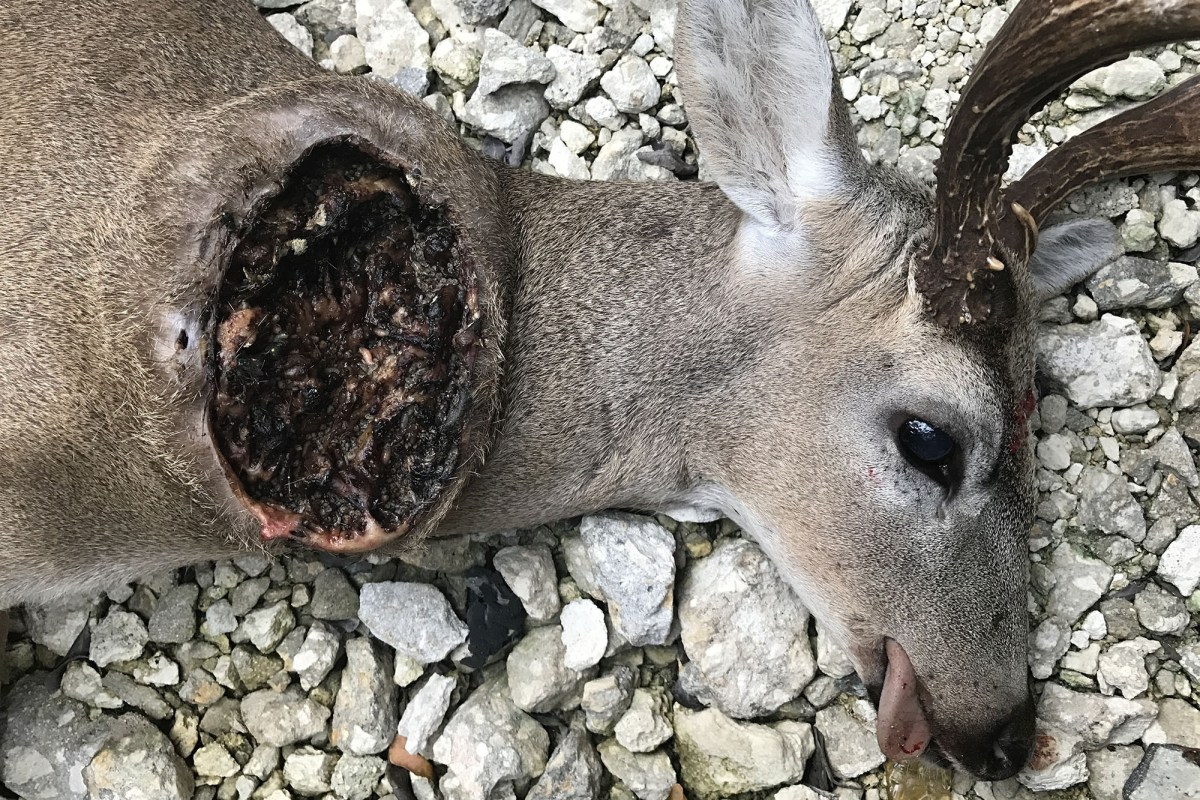
Hunters spend time where wildlife, livestock, working dogs, and feral animals overlap. They scout remote country, glass animals closely, check trail cameras, handle carcasses, and may be among the first people to spot a sick or wounded animal.
Not every wounded animal is a screwworm case. Wildlife gets injured for plenty of reasons. If an animal has a worsening wound, visible maggots, or a foul smell, or shows obvious distress, report it instead of handling it.
Bird dogs, hounds, stock dogs, and camp dogs can pick up small cuts from cactus, barbed wire, rocks, brush, grass awns, or other hazards. Even a small break in the skin can attract New World screwworm flies in areas where they are present.
What to Watch For
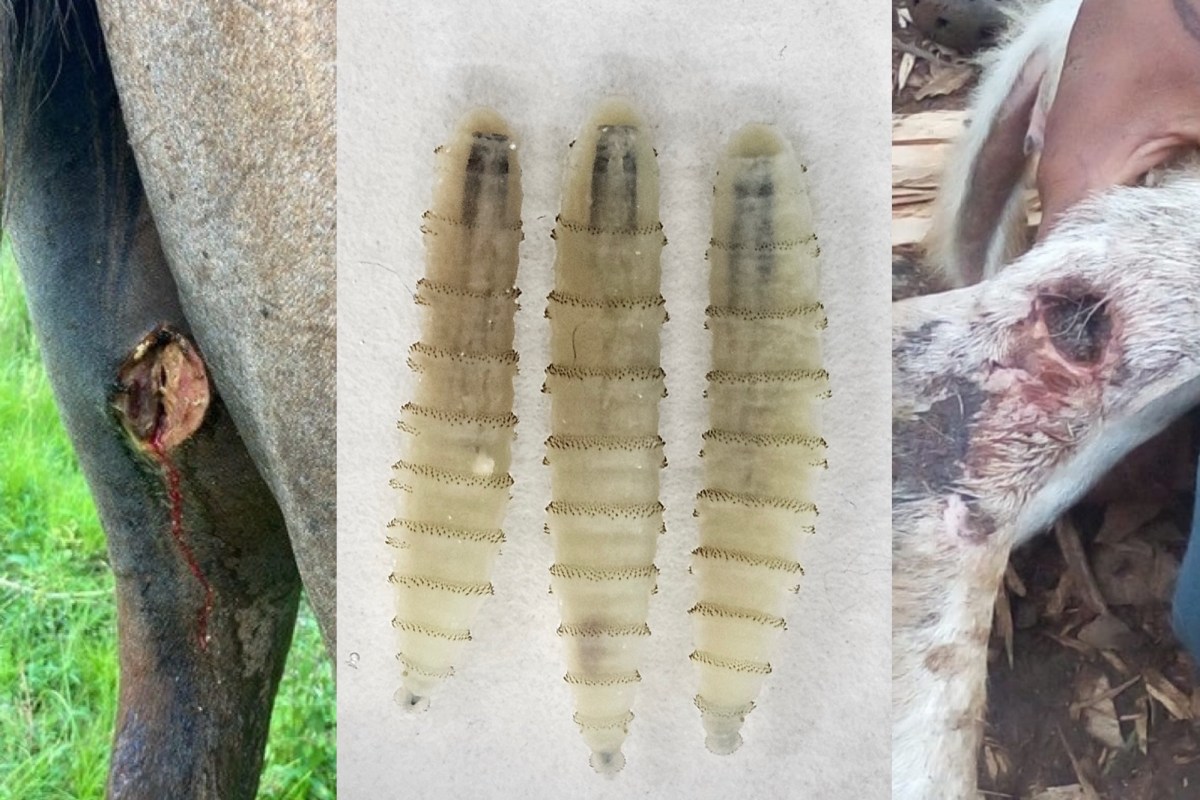
The CDC lists several symptoms that can point to New World screwworm. These include visible or moving maggots in a wound, painful sores that worsen within a few days, a foul odor from the wound, and bleeding from open sores.
The USDA tells animal owners to watch for draining or enlarging wounds, signs of discomfort, and larvae or eggs in or around body openings, including the nose, ears, genitals, and the navel area of newborn animals.
For hunters and dog owners, the check should start with the obvious places: ears, noses, eyes, feet, bellies, tails, and any open cuts or sores. Check between a dog’s toes, around its collar, under its belly, near its tail, and anywhere it may have picked up a scratch or puncture.
What to Do If You See It
If you harvest an animal and notice an unusual wound with larvae, stop handling the animal and contact your state wildlife agency or animal health officials for guidance.
Do not try to remove maggots or egg masses yourself. If larvae fall out of a wound, contain them if you can do so safely and contact a veterinarian, state animal health official, wildlife agency, or USDA area veterinarian in charge. Do not throw live maggots outside or in the trash.
For dogs, any wound that grows, smells bad, bleeds, shows signs of larvae, or causes obvious discomfort needs to be seen by a veterinarian. This is most for dogs traveling in or near affected areas, dogs that spend time around livestock, and working dogs that come home with cuts after a day in the field.
What About People?
The CDC says officials have not reported any locally acquired human infestations in the United States.
People face a higher risk in areas where the flies are present if they spend a lot of time outdoors and have open wounds. The CDC recommends keeping wounds clean and covered, using insect repellent, treating clothing and gear with permethrin, and sleeping in screened areas when needed.
Anyone who sees or feels maggots in a wound should seek medical care immediately.
Read the full article here
