





For military families, getting Permanent Change of Station (PCS) orders often triggers a long checklist: housing, household goods, schools, travel plans and countless administrative tasks. But one item that is easy to overlook can have a major impact on the journey ahead: your vehicle.
Whether you’re driving across one state or across the country, a PCS can mean hundreds or even thousands of miles on the road with children, pets, luggage and everything else that didn’t make it onto the moving truck. The last thing any military family needs is a breakdown in the middle of an already stressful transition.
A little preparation before departure can help prevent delays, expensive repairs and roadside headaches. Before you hit the road, here are the key car checks every military family should make before a PCS.
Start with Basic Maintenance
Even if your vehicle seems to be running fine, long-distance driving can expose maintenance issues quickly.
If you’re close to your next oil change interval, consider getting it done before you leave. Extended highway driving, summer temperatures and a fully loaded vehicle can put extra strain on your engine.
It’s also worth checking key fluids, including:
- Engine coolant
- Brake fluid
- Transmission fluid
- Windshield washer fluid
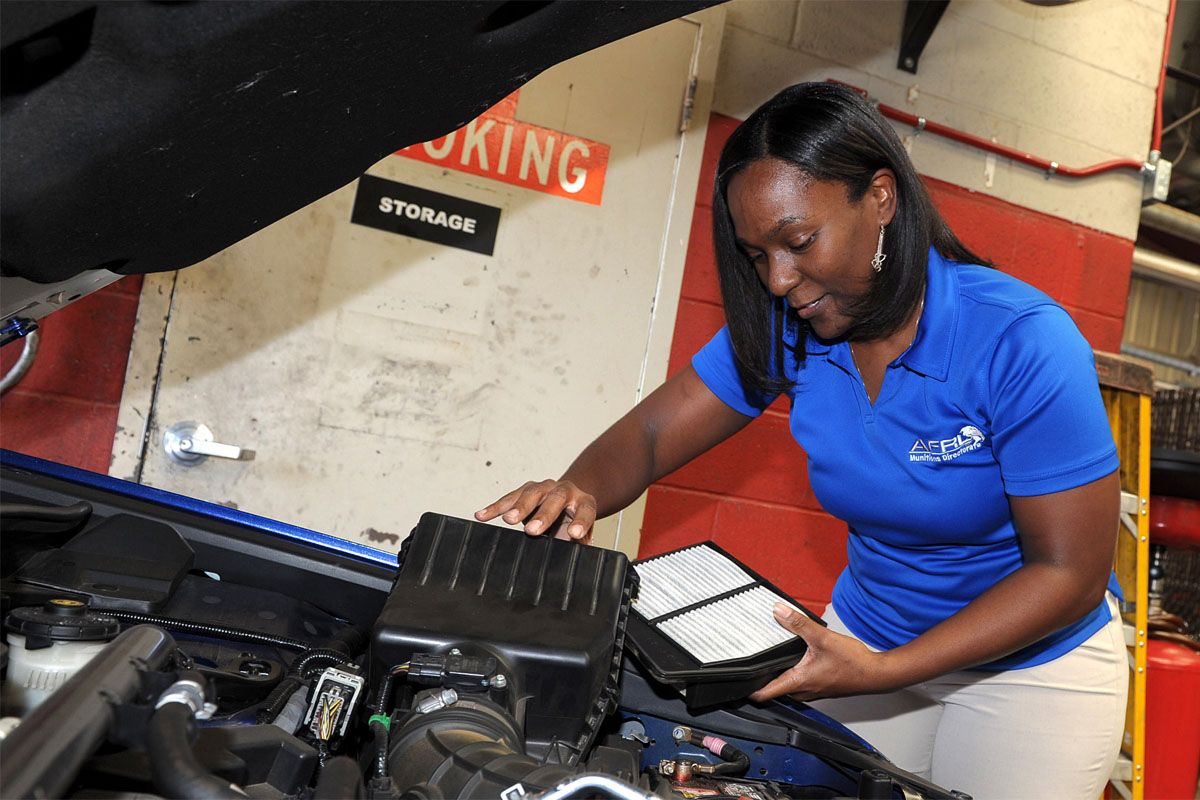
A quick look at your air filters is a good idea as well. A dirty engine air filter can reduce performance and fuel efficiency, while a clogged cabin filter can make long hours in the vehicle less comfortable.
If you’re not comfortable performing these checks yourself, most service centers can complete a pre-trip inspection in less than an hour.
Pay Special Attention to Your Tires
Tires are one of the most common causes of road trip trouble.
Before departing, inspect all four tires for excessive wear, low tread depth, cracks or bulges. Check the tire pressure and adjust it according to the manufacturer’s recommendations.
Don’t forget the spare tire.
Many drivers discover too late that their spare is flat or missing entirely. If you’re driving through remote areas, having a usable spare can mean the difference between a quick stop and a lengthy delay.
If your tires are already nearing replacement, handling that before a PCS may be safer and more economical than hoping they’ll survive another thousand miles.
Test the Battery and Brakes
A weak battery rarely announces itself at a convenient time.
If your battery is more than a few years old or you’ve noticed slow starts, have it tested before departure. Many auto parts stores offer free battery testing and can quickly identify potential problems.
The same goes for your brakes.
A vehicle loaded with luggage, moving supplies and passengers requires more stopping power than your daily commute. If you’ve noticed squealing, grinding, vibration or reduced braking performance, get the system inspected before hitting the road.
Addressing problems at home is almost always easier than finding a repair shop halfway through a PCS.
Make Sure Your Climate Control Works
Comfort may not seem like a priority until you’re stuck in traffic during a summer PCS with children or pets in the vehicle.
If your air conditioning has been struggling, now is the time to address it.
Likewise, service members making winter moves should verify that their heater and defroster are working properly. Extreme temperatures can quickly turn an inconvenience into a safety concern.
Build a Basic Emergency Kit
Military families understand the value of preparation, and your vehicle should reflect that mindset.
At a minimum, consider carrying:
- Jumper cables or a portable jump starter
- Tire pressure gauge
- Portable tire inflator
- Flashlight
- First aid kit
- Reflective warning triangles
- Phone charger or battery pack
- Bottled water
- Nonperishable snacks
Families traveling with young children or pets should also keep essential supplies readily accessible in case of unexpected delays.
A few inexpensive items can make a significant difference if something goes wrong far from home.
Keep Important Documents Within Reach
During a PCS, important paperwork often ends up buried among boxes and bags.
Before departure, make sure you can easily access:
- Vehicle registration
- Proof of insurance
- Driver’s licenses
- Roadside assistance information
- Copies of PCS orders
Military families frequently navigate unique registration and insurance situations due to home-of-record and duty station requirements. Double-check that everything is current before you leave.
Plan Your Route Ahead of Time
Not all road trips are created equal.
A route that looks straightforward on a map may include mountain passes, long stretches without fuel, heavy construction zones or areas with limited cell service.
Before leaving, identify:
- Fuel stops
- Overnight lodging
- Alternate routes
- Areas with limited services
- Emergency contacts and roadside assistance options
A little planning can reduce stress and help prevent minor problems from becoming major disruptions.
 If You’re Towing, Double-Check Everything
Some military families use trailers, cargo carriers, or towing setups to maximize space during a PCS.
If that’s part of your plan, inspect:
- Hitch connections
- Trailer lights
- Tire condition
- Weight limits
- Safety chains
Overloading a vehicle can create handling problems, increase stopping distances and place additional strain on critical components.
When in doubt, consult your owner’s manual and stay within the manufacturer’s towing recommendations.
Consider Whether Driving Is the Best Option
For many families, driving is the obvious choice. For others, it may not be.
If your vehicle has high mileage, known mechanical issues or major repairs on the horizon, shipping it could be worth considering.
A breakdown during a PCS can quickly become more expensive than transportation costs alone, particularly when hotels, rental cars and missed reservations enter the equation.
Every situation is different, but it’s worth evaluating the options before departure.
The Bottom Line
PCS season brings enough uncertainty without adding preventable vehicle problems to the list.
A few hours spent checking your vehicle before departure can reduce risk, save money and make the journey smoother for everyone involved.
Military families are accustomed to adapting when plans change. But when it comes to a PCS, one of the best ways to stay ahead of unexpected challenges is by making sure your vehicle is ready for the miles ahead.
Read the full article here
