



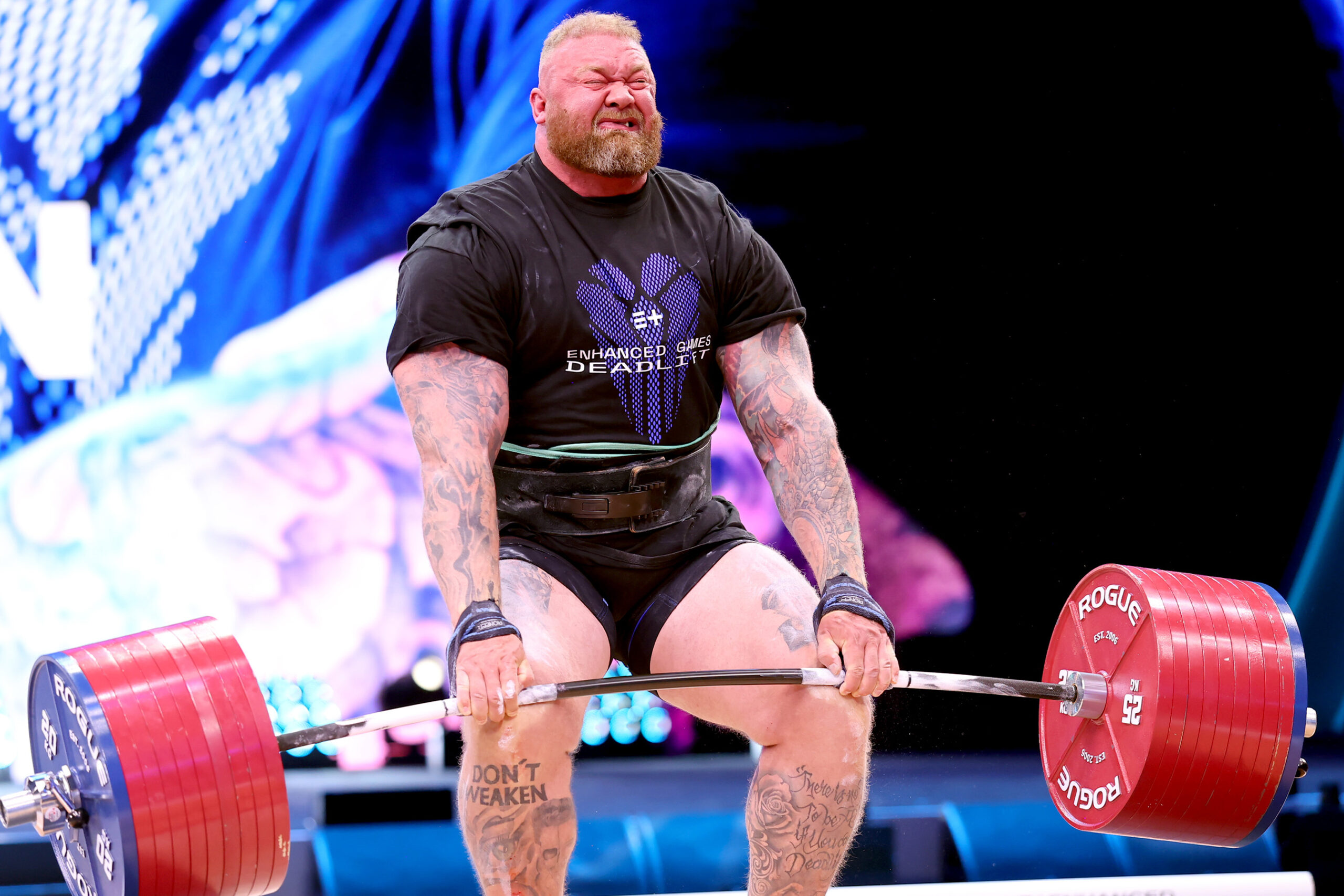

World records were expected to fall like trees at the inaugural Enhanced Games as drug-fueled athletes chopped them down. Instead, what the Games might have unexpectedly proven is that training with performance-enhancing drugs doesn’t guarantee wins or world records.
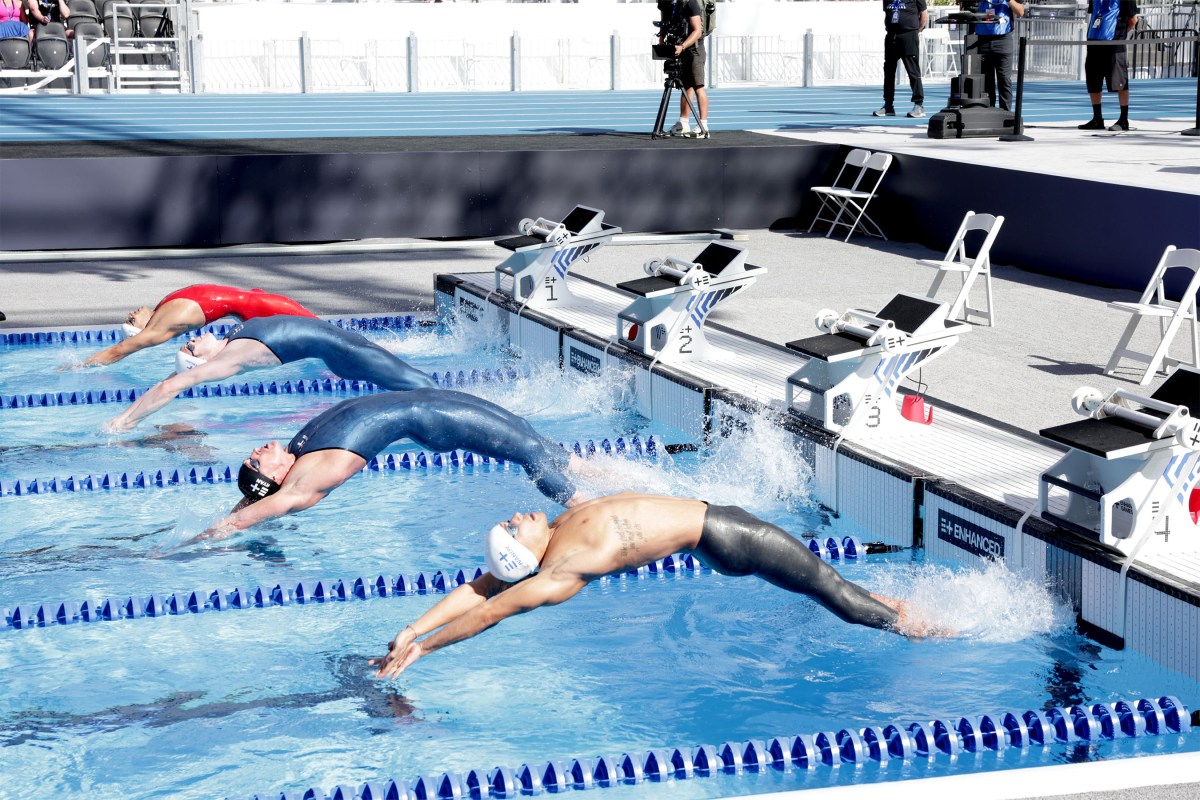
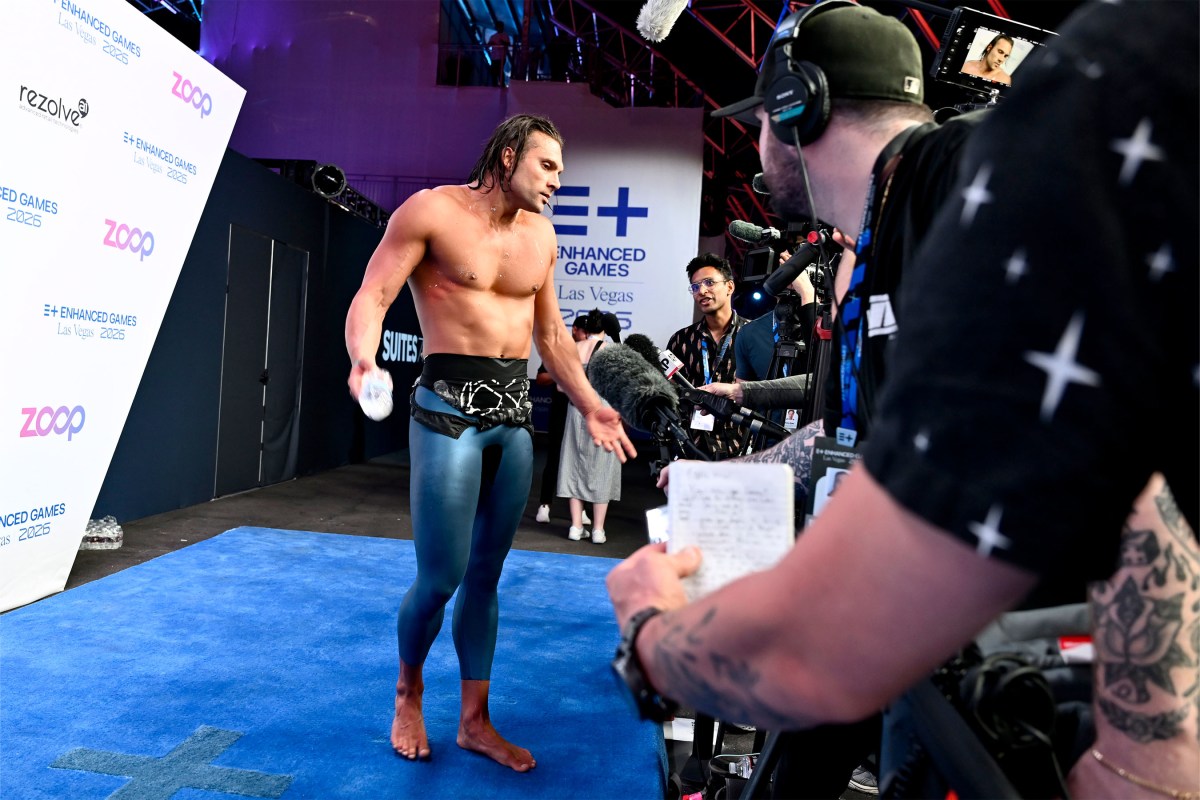
Out of 22 events, only one world record was broken. Kristian Gkolomeev, clad in a futuristic, Enhanced-designed super suit, touched the finish of the 50m freestyle race at 20.81 seconds — 0.07 seconds under the standing world record. The accomplishment won him $1 million in prize money.
“It was a great race, I had a lot of fun,” Gkolomeev said in a post-event interview. “It’s been such a blessing.”
Gkolomeev’s performance was impressive. How and whether it will be accepted as a legitimate world record remains to be seen. Like most of the athletes who competed, Gkolomeev was using performance-enhancing drugs that would have disqualified him from any recognized national or international event. On top of that, he was wearing a swimsuit banned in World Aquatics competitions since 2010. His world record has already drawn criticism online and in the media.
While the record made headlines, the impressive performances by non-Enhanced athletes didn’t get as much attention. Fred Kerley, Hunter Armstrong, and Trystan Evalyn all competed in events without performance-enhancing drugs and won several of them.
For Enhanced Games executives, the results were surprising.
The Enhanced Games: Personal Records & Unexpected Results
Despite Enhanced Games CEO Max Martin’s admission in a post-event press conference that he had “expected more world records,” organizers called the Games a success. Twenty-two personal records (PRs) were broken. $6.6 million was awarded to athletes. And one world record makes investors a lot happier than none (even though it’s already been called into question).
Mitchell Hooper, a professional weightlifter from Canada, and Thor Bjorrensson, a world-famous strongman from Iceland, competed head-to-head in an attempt to break the deadlift world record of 510 kg (1,124.36 pounds). Neither was successful, but both were proud of the event.
“More people have never paid attention to track, swimming, weightlifting, and strongman in history,” Hooper said in an interview following his last deadlift attempt. “From a sporting event perspective, I think the success is how many people are interested in what’s going on.”
Cody Miller, who won the men’s 50m and 100m breaststroke races, called his races “sh*t” despite setting a new personal record at 34. Still, he was thrilled to have won.
“Two wins, 500 grand. It’s way more than I’ve ever made in swimming, in one night, especially,” Miller said. “I feel pretty good right now. That’s gonna be invested in my kids’ future, that’s for sure.”
Non-Enhanced Athletes Held Their Own
Shockingly, the drug-free athletes dominated several events. Trystan Evelyn and Jeff Kerley smashed the 100m sprints, and Hunter Armstrong stole the 50m backstroke. For them, maintaining their eligibility for other events was one reason to compete “clean.” Using banned performance-enhancing substances would disqualify them from mainstream national and international events.
“I still haven’t fully retired from traditional sport, and so I just wanted to give myself the option in the event that I do decide to go back,” Trystan Evelyn told GearJunkie.
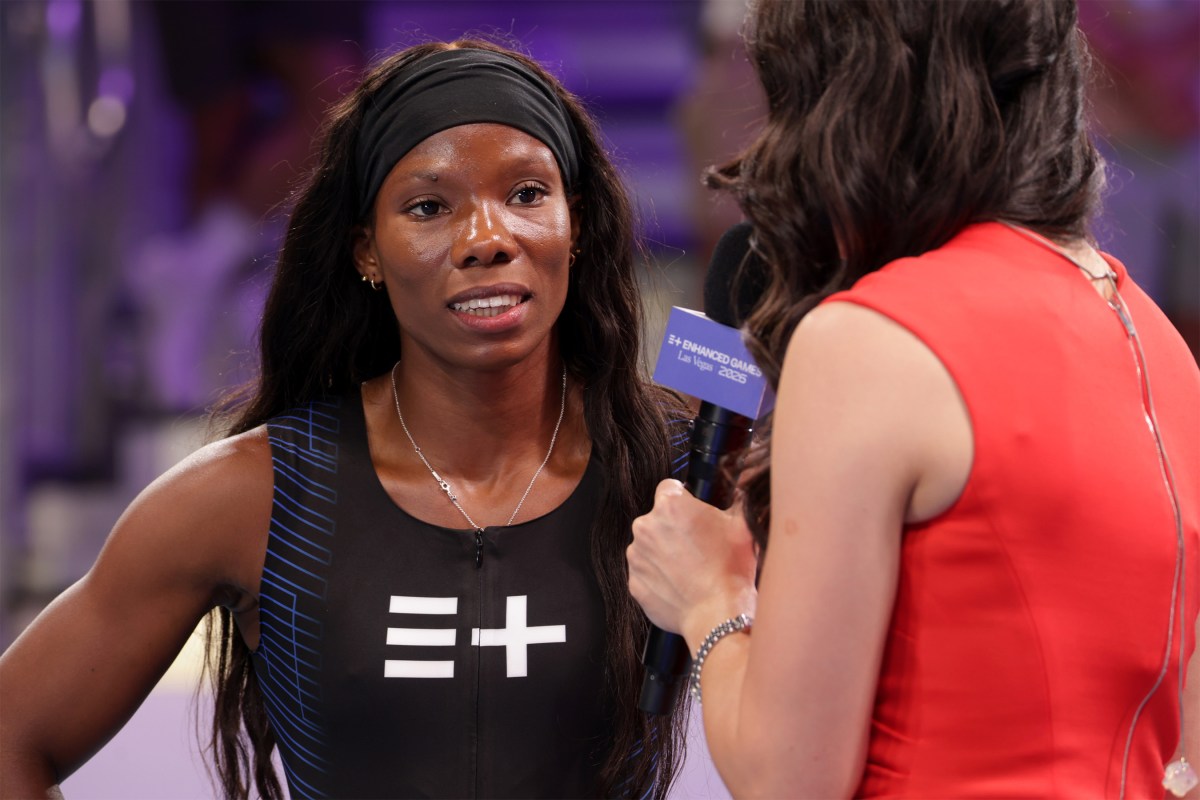
Similarly, Armstrong said he hopes to compete in the 2028 Summer Olympics in Los Angeles. However, the International Olympic Committee has “neither confirmed nor denied” whether they will allow him to compete after his participation in the Enhanced Games — even though he said he has taken no banned substances and has been repeatedly subjected to drug testing by the World Anti-Doping Association (WADA) and passed.
Evelyn won both of the Women’s 100m sprint races. Armstrong won the Men’s 50m backstroke. And Olympic sprinter Fred Kerley (also competing as a non-Enhanced athlete) won both men’s 100m races.
“They gotta do better than that!” Kerley said of his competition after he’d won. “Get on that sh*t a little bit more!”
The Future of Sports?
The Enhanced athletes were supposed to undergo a 10-week clinical trial training and treatment period in the UAER ahead of the games. However, due to the conflict in Iran, it was cut to just 8 weeks. That meant that these athletes didn’t get to use as many performance-enhancing substances over as long a training period as initially intended. GearJunkie asked one of the spectators what could have made this competition better.
“I don’t think the athletes took enough drugs,” they responded simply.
Whether a longer doping period would have made a difference is impossible to guess. The Enhanced Games fell far short of achieving the cascade of records that CEO Max Martin had hoped for. But with drugs or without drugs, very talented and hard-working athletes competed in the Games. They participated in a medically supervised performance-enhancing regimen. The swimmers were also enhanced by their swimwear, which reduced drag in the water and increased their buoyancy.
Despite those facts, all but one WR remained untouched.
That solidifies how impressive those WRs truly are. The amount of training, talent, dedication, and hard work behind them cannot be replicated easily, even with drugs. That much, the athletes were more than willing to admit.
“We still train all year; we still get out of bed every morning when we don’t want to … Nutrition is still big, sleep is big, coaching is big, and showing up is big. The enhancements work, but if you don’t do all the other stuff too, it doesn’t matter,” Miller said.
It also showed how performance enhancers can help elite athletes, such as Miller, Mitchell Hooper, and Kristian Gkolomeev, take their athletic abilities to the next level. The long-term effects of their procedures might still be unknown, but at least in the short term, these athletes all said they felt great, that they were in the best shape of their lives, and many broke PRs. For athletes seeking more from their bodies, enhancements could be “one piece of the puzzle,” as Miller said, to achieving peak performance.
“And let the haters hate,” Miller added. “The world is changing.”
Read the full article here
