



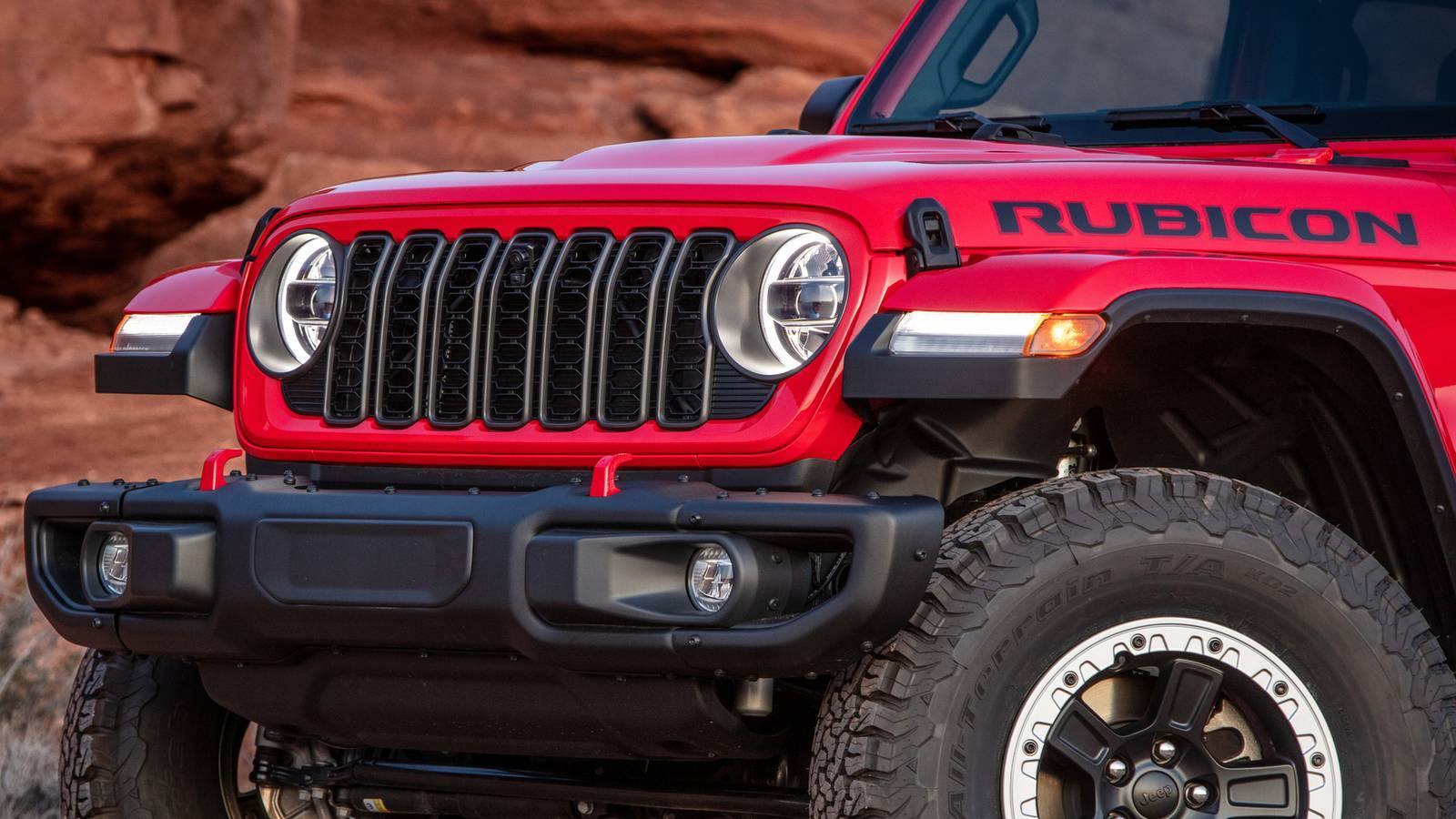

Americans have a long-standing love affair with the Jeep brand. It has symbolized adventure, freedom and luxurious capability – whether it’s the iconic Jeep Wrangler attacking the trails or the posh Grand Cherokee comfortably and safely transporting you and your loved ones.
Sadly, there’s a little more to it than that. Behind the rugged exterior and beefy suspension parts that make our beloved Jeeps so capable is a reputation for spotty reliability. As Jeep pushes forward with new models and advanced powertrains, many buyers are wondering if the brand’s persistent reliability challenges have improved and if Jeeps are reliable.
Not every Jeep model will experience any or all of the common issues listed below. Although there are many older Jeep models with widespread issues, this article intentionally focuses on late model Jeeps, to include models from 2025 for reliability. Some reliability information pertaining to 2026 is not yet available.
The Jeep Reliability Story
Are Jeeps Reliable Cars?
Born out of wartime efforts, the Willys-Overland company brought Jeep to life with a rugged, cheap, and simple off-roader that caught the attention and hearts of Americans. A symbol of wartime victory and American ingenuity, the Jeep was a massive success when it was released to the public. Over the next several decades, Jeep would introduce several other significant models, like the Gladiator pickup and the Jeep Wagoneer, which is widely credited as being the first true luxury SUV. Despite changing hands nine times since its humble beginnings in 1941, Jeep itself has remained a consistently strong and profitable brand throughout history. With all of these changes in ownership, has this comparatively frequent changing of hands had any kind of impact on Jeeps’ overall quality?
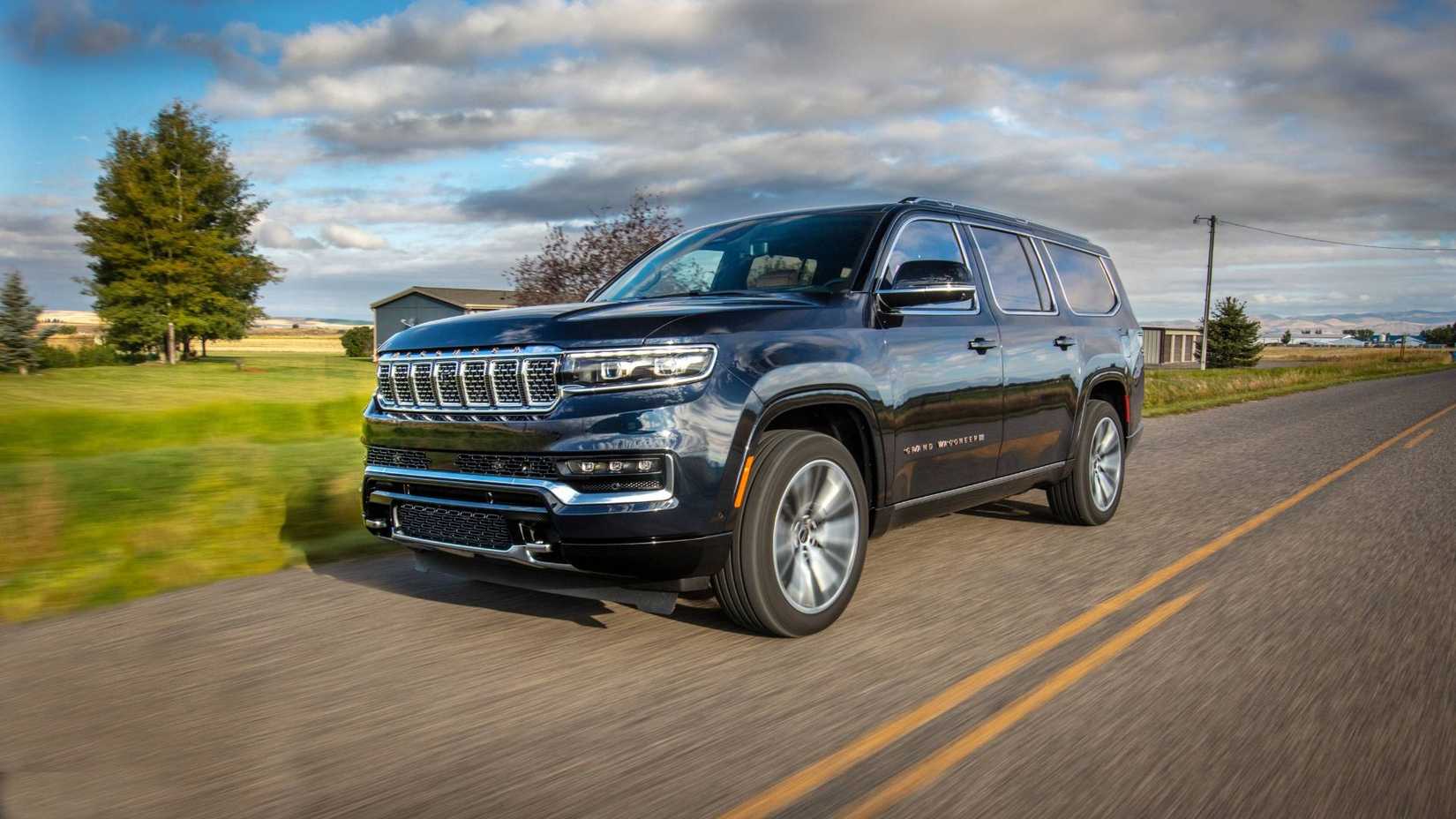
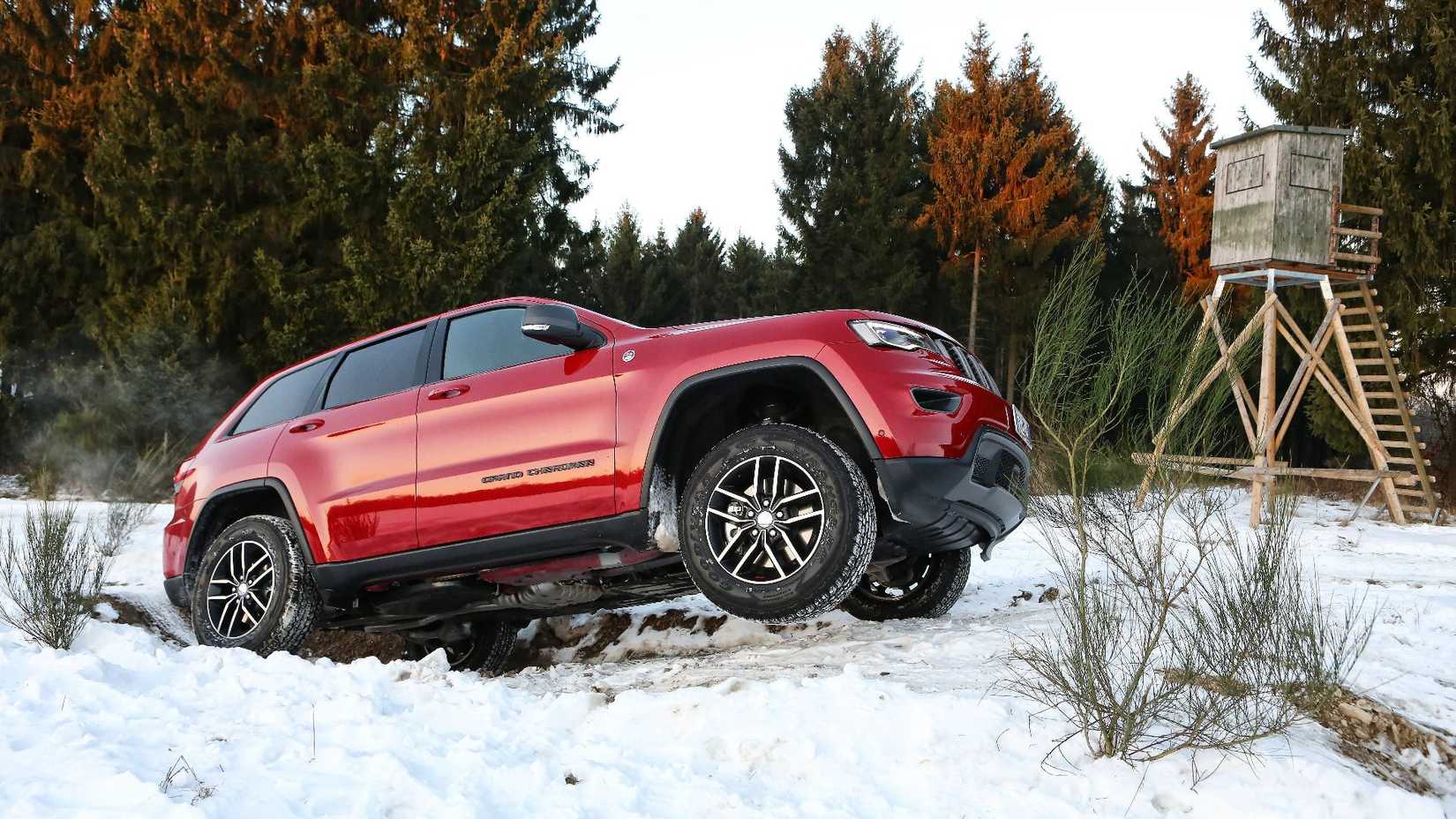
Looking at reliability data, Consumer Reports ranks the Jeep brand #31 of 32 brands for overall reliability. It may be too soon at the time of writing, but going off of previous Jeep reliability data, this rank doesn’t seem undeserved. For the 2025 model year, Jeeps’ most popular models, the Jeep Grand Cherokee and the Jeep Wrangler, had multiple recalls affecting hundreds of thousands of units. As 2025 was a heavy recall year for the iconic manufacturer, the 2020–2024 Wrangler 4xe and Grand Cherokee 4xe had an especially rough few years due to their high-voltage battery fire risk recall that affected over 320,000 vehicles. Jeep/Stellantis continues to have above average recall activity compared with industry leaders like Honda and Toyota. The plug-in hybrid models have by far the most serious and widespread problems, particularly centered on fire risks. The non-hybrid models have far fewer critical issues but still suffer from higher-than-average electrical and suspension-related complaints.
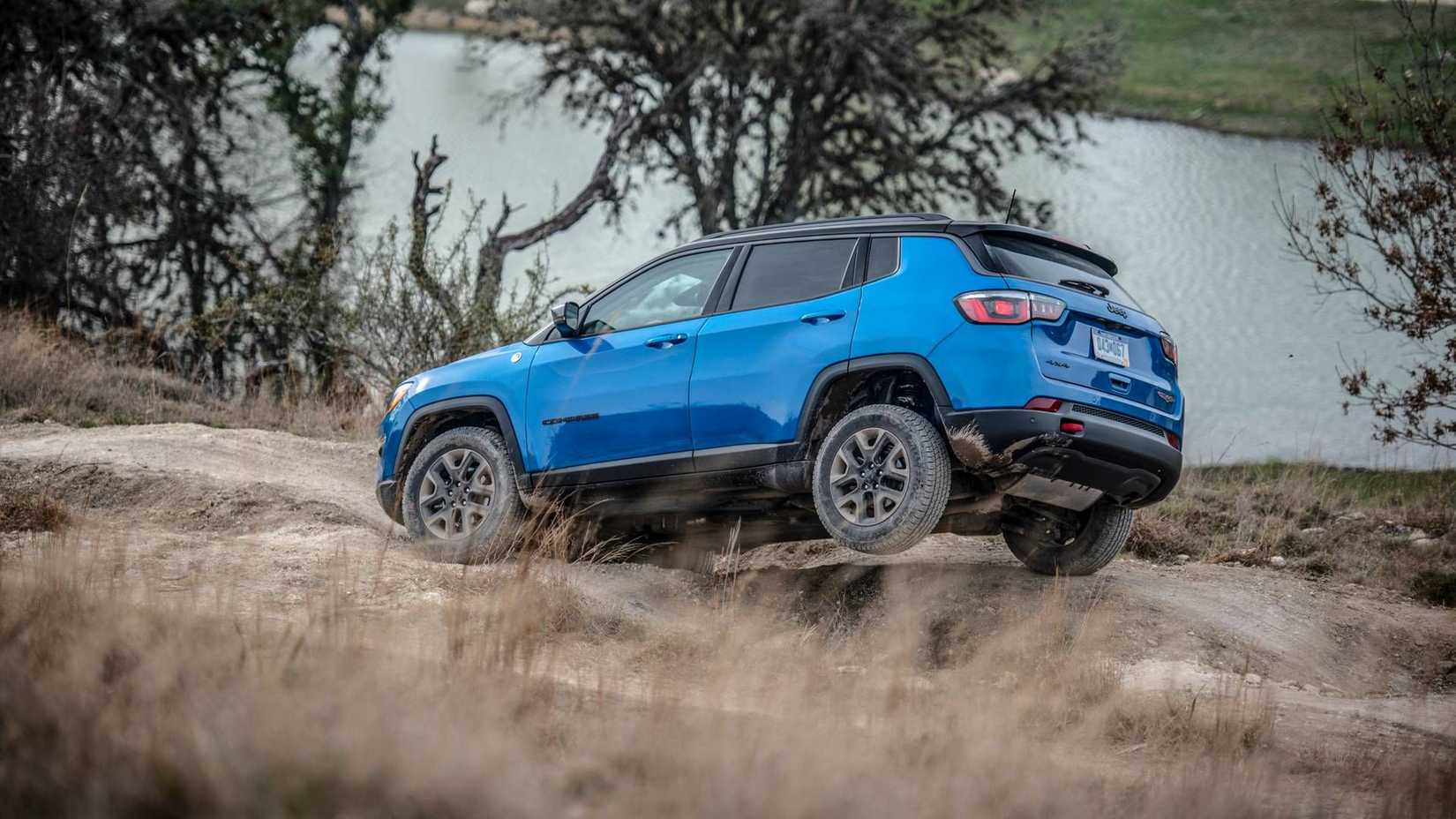
With the average time an owner keeps a vehicle now at 8.4 years, and the average age of a vehicle on the road being 12.8 years, reliability has become a serious factor for many when shopping for a replacement vehicle. Jeep itself has been owned by a new company roughly every 9 to 10 years, with Kaiser and AMC having held on to Jeep the longest at 17 years each. While Jeep’s lackluster reliability ratings may not completely be attributed to its tumultuous history, it is true that with transition comes heavy-cost cutting, the rushed implementation of new technology and protocols and the sharing of platforms and numerous parts. Jeep has rarely enjoyed the long-term stability and investment held by many other manufacturers for a more thorough product development program. This ultimately limited Jeeps’ ability to refine key components and offer consistently reliable vehicles, leaving many wondering if Jeeps are good cars altogether.
How Does Jeep Compare?
|
Brand Reliability Comparison |
|||||||||
|---|---|---|---|---|---|---|---|---|---|
|
Lexus |
Honda |
Ford |
Chevrolet |
Jeep |
|||||
|
Consumer Reports Rank |
#1 |
#2 |
#11 |
#17 |
#24 |
||||
|
J.D. Power (PP100) |
151 PP100 |
211 PP100 |
228 PP100 |
178 PP100 |
267 PP100 |
||||
|
Repair Pal Score |
4.0 / 5.0 |
4.5 / 5.0 |
4.0 / 5.0 |
3.5 / 5.0 |
3.5 / 5.0 |
||||
|
Annual Maintenance Cost After 1 Year |
$335 |
$292 |
$437 |
$411 |
$494 |
||||
|
Annual Maintenance Costs After 5 Years |
$657 |
$624 |
$946 |
$881 |
$1,064 |
||||
|
Annual Maintenance Costs After 10 Years |
$1,028 |
$1,007 |
$1,532 |
$1,423 |
$1,723 |
||||
When directly comparing Jeep to other manufacturers’ reliability ratings, Jeep tends to live at the bottom of the list. The J.D. Power 2026 U.S. Vehicle Dependability Study (VDS) puts Jeep fourth from the bottom of the list with a score of 267 problems per 100 vehicles. This was enough to score a few positions above Land Rover, Volvo and Volkswagen. Ford, a direct domestic competitor for Jeep, with the Ford Bronco, scored 228 problems per one hundred vehicles. Ford notoriously faces transmission and Ecoboost engine-related problems, and was still able to edge out Jeep in this comprehensive study. Even with the large recall for Toyota’s widespread 3.4-liter iForce V6 engine failure problem, Toyota sits in the top ten, with Lexus in the number one position, experiencing only 151 problems per 100 vehicles.
The bulk of the problems for all vehicles stem from electrified powertrains, with plug-in hybrids bringing the most problems overall at 281 problems per 100 vehicles.
As Jeep made a heavy investment in plug-in hybrid technology with the Wrangler 4xe and the Grand Cherokee 4xe, these popular models saw the largest increase in problems in the powertrain category. Paired with the findings of over-the-air (OTA) updates, other software glitches and electrical issues were also reported across many models which caused the frustration of many Jeep owners and aligned with several recalls.
Read the full article on CarBuzz
This article originally appeared on CarBuzz and is republished here with permission.
Read the full article here
