




U.S. officials pressed Israel and Lebanon for a security deal on Thursday as Washington tried to contain another volatile Middle East front involving Hezbollah, an Iran-backed group whose fight with Israel threatens to pull more American attention into the region.
U.S. sources cited tensions rising inside the State Department about four hours after the start of Lebanese-Israeli negotiations, according to MTV Lebanon, a Lebanese TV station, on Thursday. A U.S. State Department official later described the daylong talks as “productive and positive,” according to the Associated Press, and said the U.S. looked forward to continuing the discussions on Friday.
The talks put Washington in the middle of a high-stakes security test days before a U.S.-brokered ceasefire is set to expire, with American officials trying to stop the Israel-Hezbollah fight from becoming another open-ended regional crisis. Israel is demanding Hezbollah’s disarmament while Lebanon is pressing for an end to Israeli strikes.
Meanwhile, the Trump administration is pushing for a broader agreement between two countries that have technically remained at war since Israel’s creation in 1948. U.S. Secretary of State Marco Rubio did not attend Thursday’s session because he was with President Donald Trump during a visit to China.
Military.com reached out for comment to the State Department, White House, Lebanese Embassy in Washington, Israeli Embassy in Washington, Pentagon, U.S. Central Command and UN peacekeeping officials.
Lebanon is expected to press Israel to stop strikes, withdraw from southern Lebanon and release Lebanese prisoners held by Israel, Reuters reported Thursday, citing a senior Lebanese official.
Israel has focused on Hezbollah’s disarmament and border security as conditions for any broader political agreement, putting the two sides at odds over the basic sequence of a deal. Lebanon wants the fighting to stop first, while Israel wants guarantees that Hezbollah will no longer be able to threaten communities along its northern border.
The talks are part of the third round of negotiations since fighting between Israel and Iran-backed Hezbollah reignited March 2, and it’s the highest-level contact between Lebanon and Israel in decades, Reuters reported. They come after a U.S.-backed ceasefire announced on April 16 reduced, but did not stop, the fighting.
The State Department said last week that the May 14-15 talks were aimed at forming a “comprehensive peace and security agreement” that addresses both countries’ core concerns, including border delineation, humanitarian relief, reconstruction and Lebanese sovereignty.
But the U.S. framework goes beyond a temporary pause in fighting. The State Department also said comprehensive peace depends on restoring Lebanese state authority and fully disarming Hezbollah, according to a May 8 announcement reported by The Jerusalem Post.
Hezbollah, an Iran-backed militant and political group, has operated as the country’s most powerful armed force outside the Lebanese state, complicating any agreement that requires Beirut to guarantee security along the border. Hezbollah is not part of the talks and has opposed Lebanon’s direct engagement with Israel, according to the AP.
US Role in Negotiations
The talks moved to a higher level Thursday, with Lebanese envoy Simon Karam and Israeli Deputy National Security Adviser Yossi Draznin expected to take part after earlier sessions were led by the countries’ ambassadors to Washington, AP reported.
The elevated participation underscored the stakes for the Trump administration, which is trying to turn a fragile ceasefire into a broader security arrangement while avoiding another major escalation involving Israel, Hezbollah and the wider network of Iran-backed groups that U.S. officials have tracked across the Middle East.
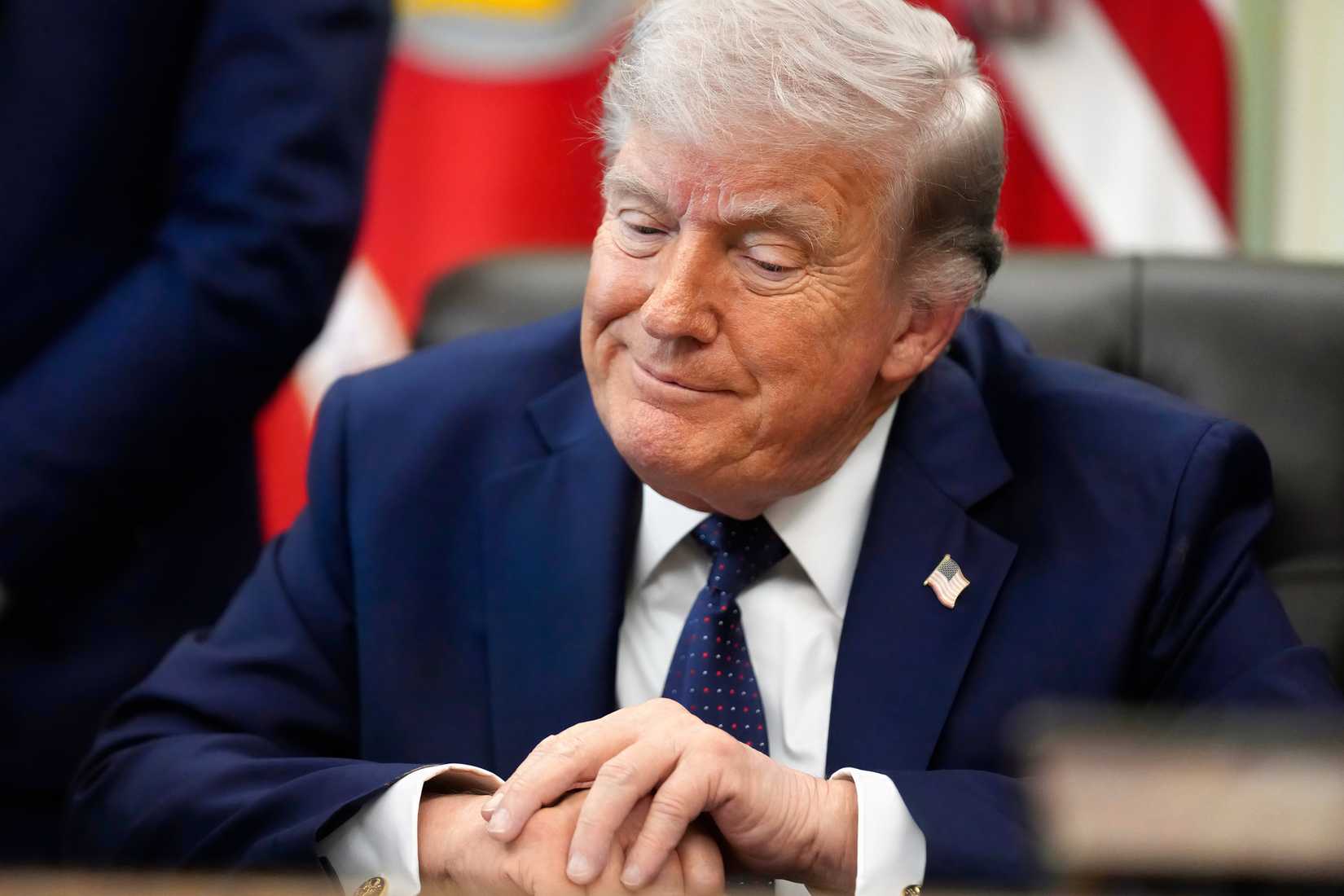
“By and large, I think a peace deal between Lebanon and Israel is imminently achievable, and should be,” Rubio said during a White House press briefing May 5, according to The Times of Israel. “The problem with Israel and Lebanon is not Israel or Lebanon, it’s Hezbollah.”
The diplomatic push is unfolding as violence continues along the Israel-Lebanon border, putting immediate pressure on U.S. negotiators trying to keep the ceasefire from unraveling.
A Hezbollah drone exploded inside Israel on Thursday, injuring three civilians, including two severely, according to AP, citing the Israeli military and hospitals. AP reported it was the first instance of civilians injured by Hezbollah projectiles since the ceasefire took effect.
Israel has continued strikes inside Lebanon.
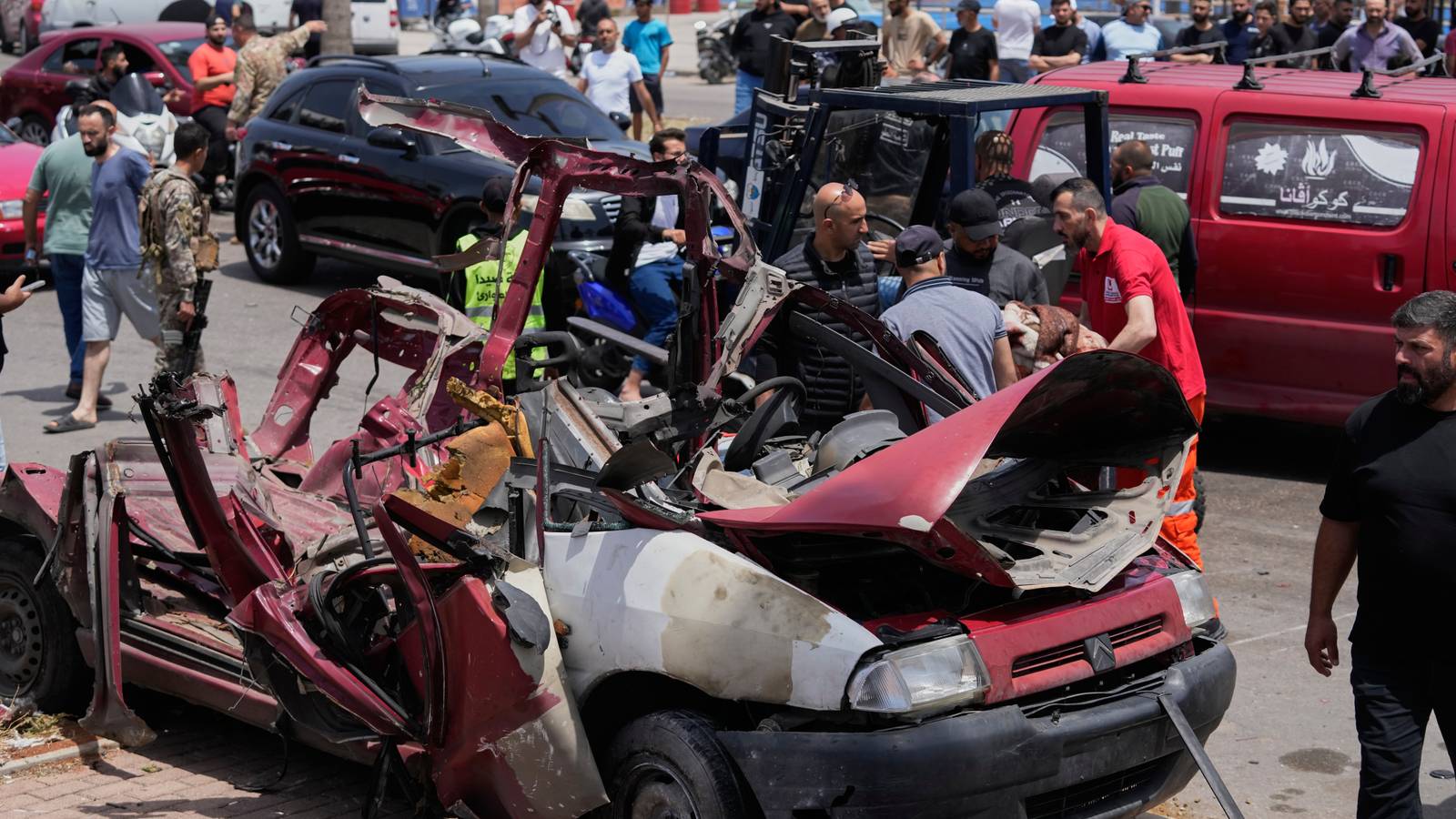
On Wednesday, Israeli strikes on seven vehicles killed 12 people, including a woman and her two children, according to Lebanon’s Health Ministry. Later strikes in southern Lebanon killed another 10 people, including six children, the ministry said.
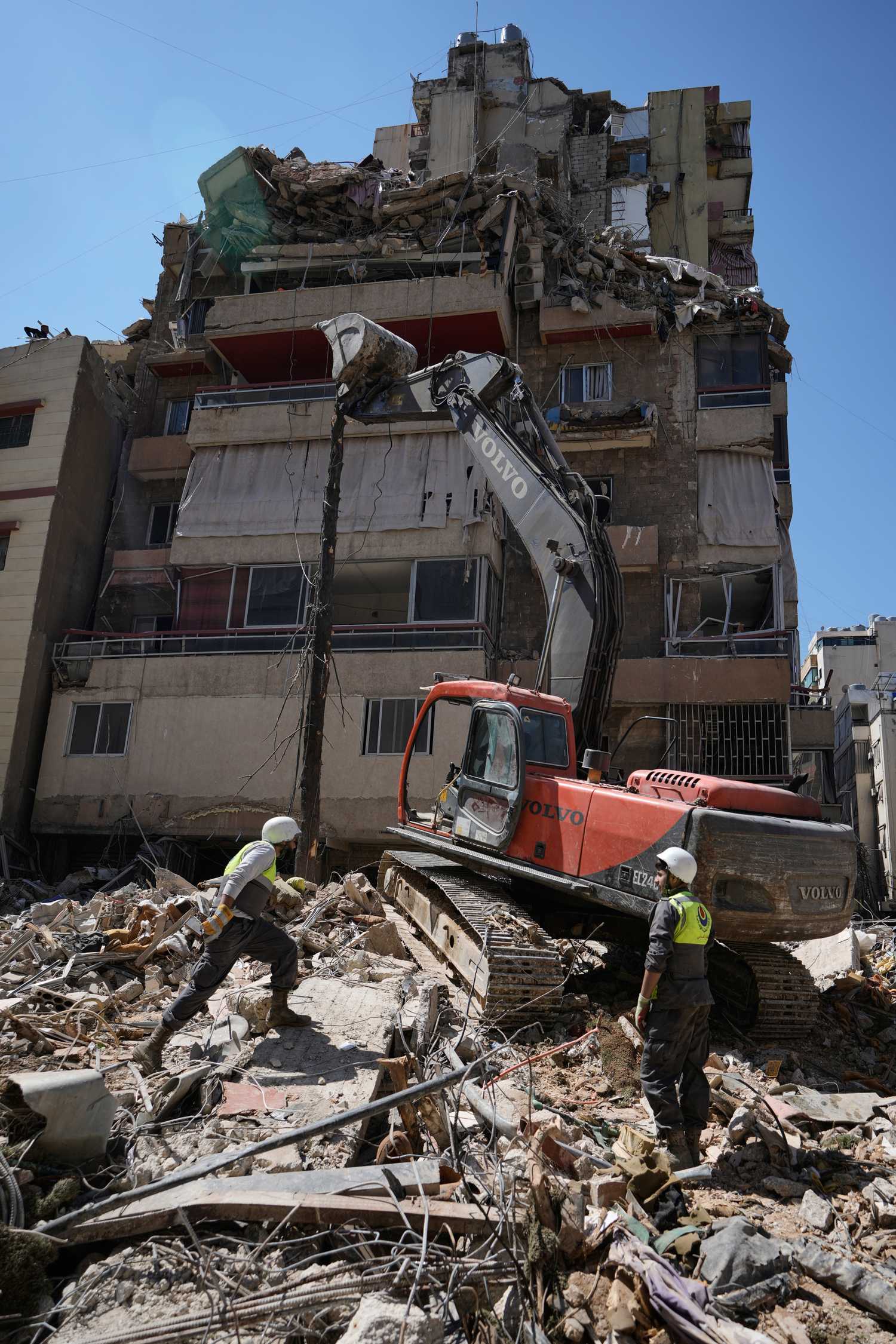
Lebanon’s Health Ministry says 2,896 people have been killed since the war began March 2, including about 400 since the ceasefire was implemented, AP reported. Eighteen Israeli soldiers, two Israeli civilians inside Israel and a defense contractor working in southern Lebanon have been killed on the Israeli side.
Read the full article here
