



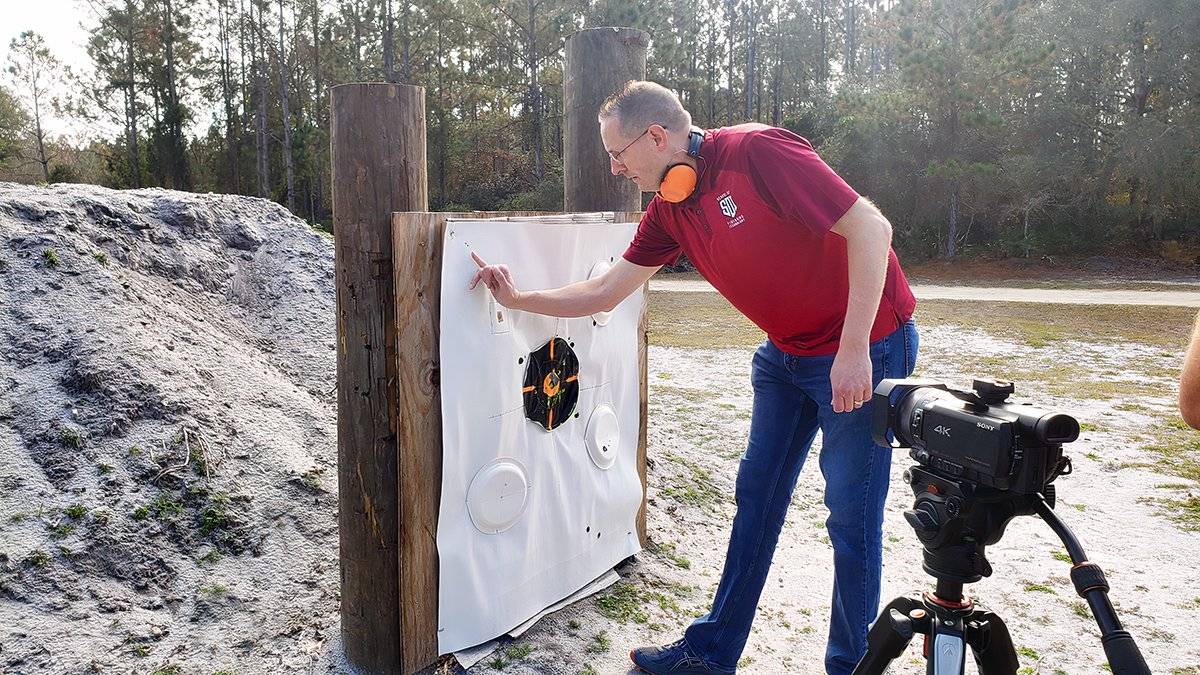

Veterans create one of the largest skilled workforce pipelines into civilian industries such as public safety and emergency response management, manufacturing and firearms, infrastructure and UAS/remote operations. They are certainly built for it with their military backgrounds. Their experience and training typically translate to attention to detail and judgment in environments requiring sound operational planning or crisis management.
In the civilian sector, the demand for individuals skilled in careers related to safety culture, firearms or drones in regulated environments continues to increase according to the U.S. Bureau of Labor Statistics (BLS). Here is a quick breakdown of growth projections in the next decade.
- UAS Drone Operations – +6%
- Aviation and Remote Operations – +5%
- Infrastructure Inspection – +5%
- Emergency Management – +4%
- Occupational Safety – +13%
- Security and Firearms – +3%
These trends represent the overall broader shift toward the skills-based, technology-enabled workforce careers where military experience aligns with the demand.
The Federal Aviation Administration (FAA) Aerospace Forecast estimated 871,000 registered drones with more than 370,000 FAA Part 107 certified remote pilots. Their data indicates steady growth in UAS operations, while the BLS shared related aviation and unmanned systems occupations to exceed 20 percent in the next decade.
Veterans are already heavily represented in occupations of aviation, logistics, federal contracting, public safety, and technical field operations because their backgrounds reflect the equivalent civilian fields.
Jarred McNeely, Veteran and Vice President of Academics (Online) at Sonoran Desert Institute (SDI), shared his insights with Military.com about how veterans fit well into these industries.
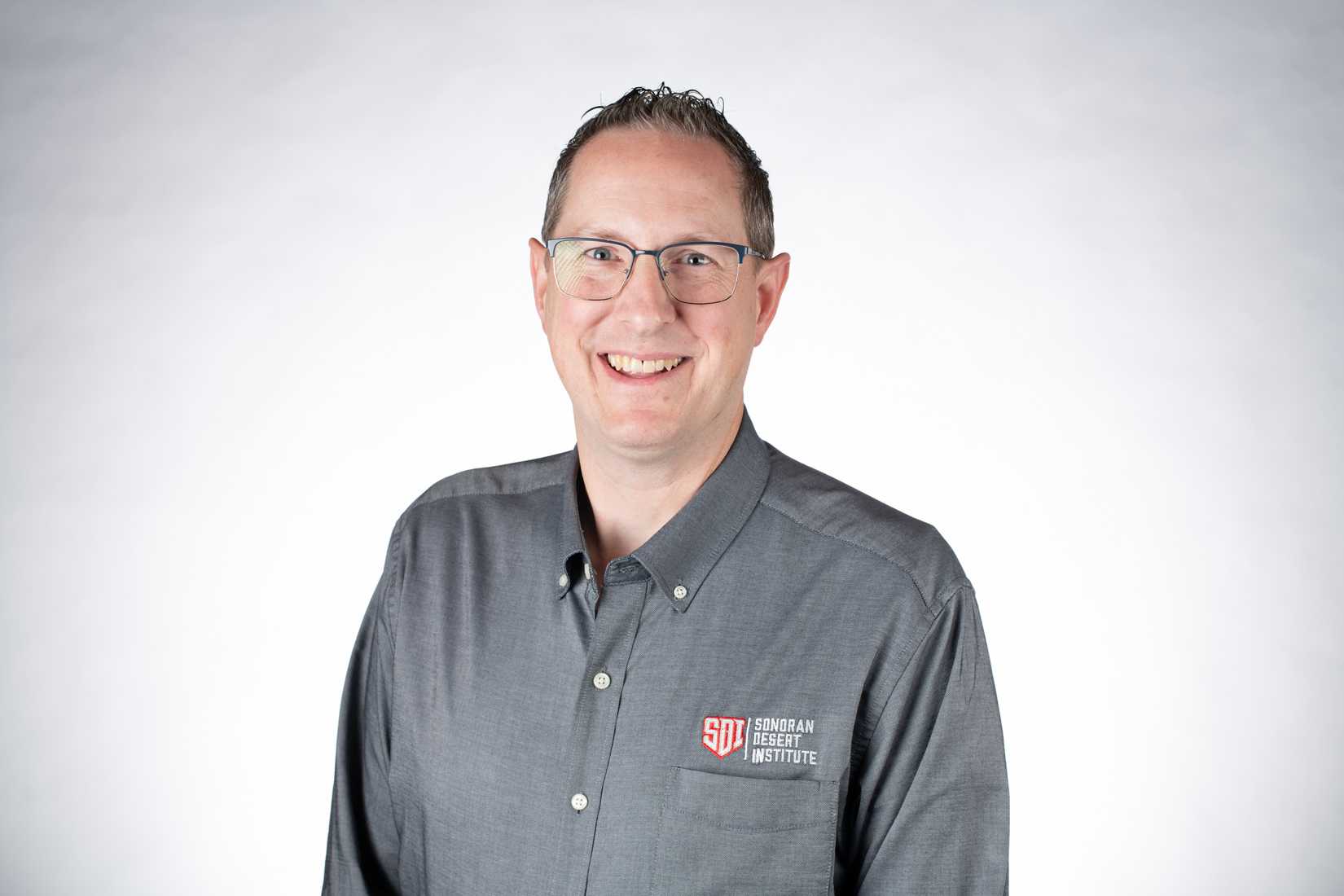
Kim O’Brien (Military.com): From your perspective, how are today’s service members translating military experience into careers in UAS operations, infrastructure inspection, emergency response, and firearms-related industries?
Jarred McNeely (Veteran and Vice President of Academics, Online): The veterans I have worked with all have experienced the standards of military service and understand what working within standards and procedures means. This experience from the military positions them to be successful in UAS operations and firearms repair. Both of these industries require a high level of diligence and desire to meet or exceed the established standards.
Military.com: What gaps exist between military experience and civilian UAS careers, and how can education and certification programs help veterans bridge them successfully?
McNeely: One of the major differences that has developed between the military and commercial UAS operations is that in many commercial operations, there is a clear development process or pipeline to help develop the vehicles or systems for the tasks required.
This is not as prevalent in the military since there is often a delineation of these career paths. While military experience is excellent as a place to begin, oftentimes, commercial employers are looking for additional skills that further education can help provide.
This skill gap may be in the area of sensors, data gathering, interpretation or it may be in the evaluation of the capabilities of a system and the recommendation of improvements to make the UAS effective for the specific use.
Military.com: As skilled trades and emerging technologies become more regulated, how important are formal training, certification, and compliance programs in preparing veterans for long-term success in these industries?
McNeely: The seeking of knowledge that leads to formal training or certification is what allows these emerging technology fields to continue to grow. The growth in these fields then relies on compliance standards, which ensure everyone is operating in a reasonable manner. Both areas are opportunities for tradespeople to show integrity by operating within the standards, but also the ability to learn and grow to advance the industries as they encounter new problems, which often require attaining new knowledge through training or certification. As the industries continue to grow, training and certification take on a bigger role by ensuring new tradespeople entering the industry do so with the required knowledge to be safe, effective, and successful.
Military.com: Sonoran Desert Institute serves a large military-affiliated population. How does SDI design its online academic programs to support active-duty service members and veterans balancing education, career transition and family responsibilities?
McNeely: We do serve a large military-affiliated population, which drives us to provide a flexible, career-focused education that is supportive of all of our students. Our guiding idea is to meet the student where they are. We do this by making our programs available to students in a distance learning format, but also including the hands-on work necessary to make them effective in the firearms and uncrewed aerial systems industries.
This ends up looking like a lab in their living room or workshop. We provide hands-on projects in both industries that are appropriate and relevant to the skills our students are trying to learn. We also then surround the students with faculty, student success coaches, program personnel, and other people to provide the guidance, feedback, and interaction that helps them learn the skills they seek.
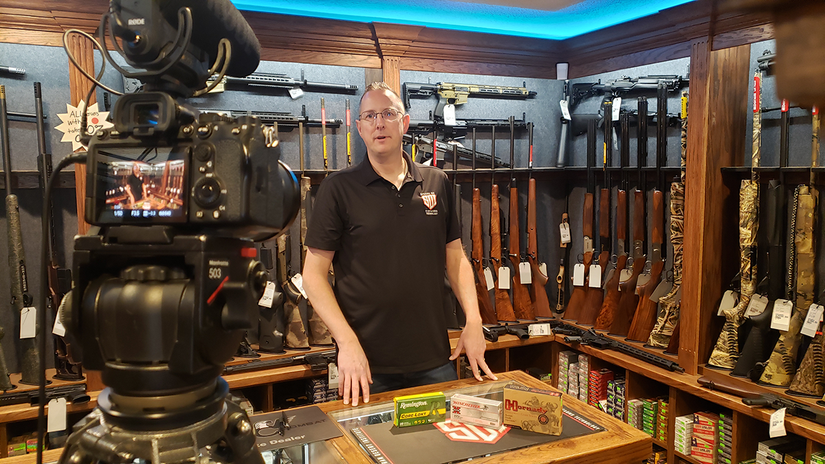
Military.com: As veterans are uniquely positioned to lead in high-stakes, safety roles within both traditional and emerging tech-enabled trades, what opportunities do you see shaping the next decade of veteran employment?
McNeely: The attention to detail that most veterans are used to operating with lends itself well to the level of craftsmanship that is required in both of these industries. Many of my fellow veterans have developed the ability to recognize potential issues in various situations.
If we can take those people and refine that skill into the safety and detail needed for repairing a firearm or planning a drone mission for a customer, then we can build upon those skills to find new accomplishments.
This unique focus allows veterans to find paths in these industries that require decision-making and judgment during the work that many of us thrive upon. Since the industries operate in this way, the future for veterans with those judgment and decision-making skills looks bright.
Read the full article here
