



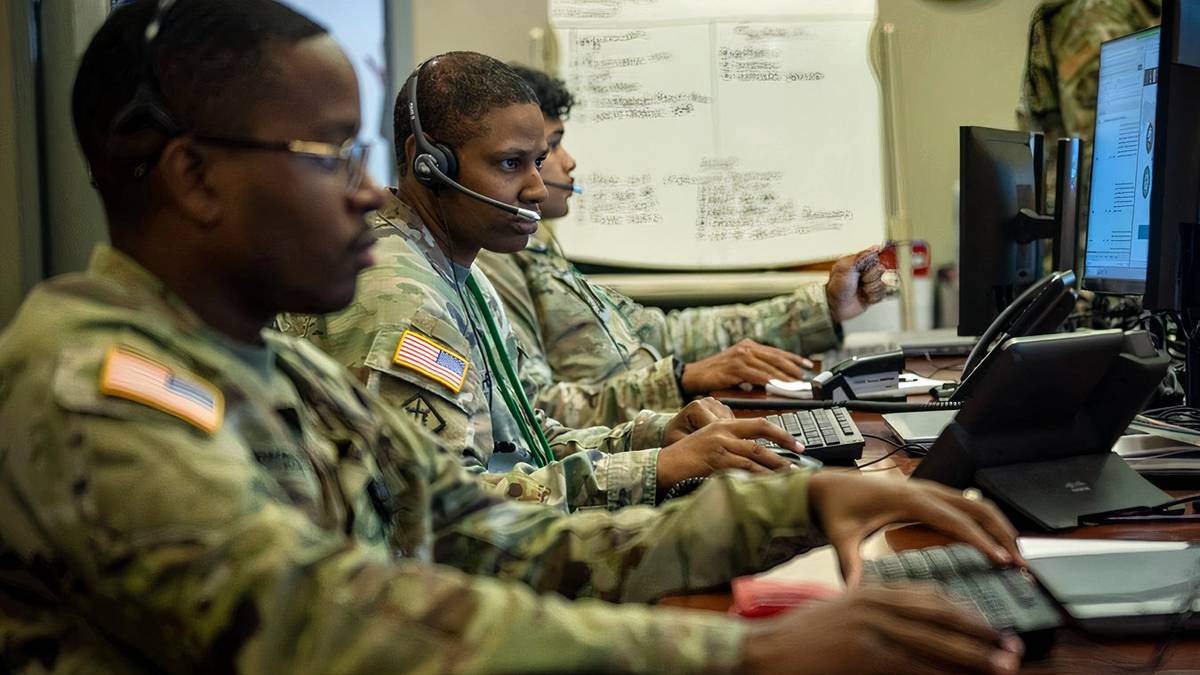

Peak PCS season starts this month, from May to September. Every year, approximately 400,000 military personnel relocate, and whether it is your first move or not, each move becomes a memorable experience. Many people carry their versions of a PCS survival guide with new tips and tricks along the way as they learn how to better prepare.
Military service members and their families are mainly concerned about financial stress and hidden costs often associated with housing, career disruptions for spouses and lost, damaged or delayed household goods. These are the logistical stressors, but social and emotional factors are likewise anxiety-inducing, such as rebuilding community support systems and transitioning careers or schools.
That’s why we connect with Sarah Roder, Director of Partnerships at Armed Forces Mutual and a military spouse, who offers practical advice as many military families navigate this PCS season.
Kim O’Brien (Military.com): From your own experience as a military spouse and mom, what is one piece of advice you wish every military family received early in the moving process?
Sarah Roder (Director of Partnerships): One piece of advice I wish I had received early on is to save money specifically for a PCS. I naively assumed that the military would cover all moving expenses. While they do cover a significant portion, they do not cover everything. Having additional savings would have provided a much-needed cushion for unexpected costs and created less stress in an already stressful time.
Military.com: What financial strategies would you like to share to ease the burden of PCS moves, and what are some of the hidden or unexpected expenses military families should plan for?
Roder: There are always unexpected expenses during a PCS. Early in my experience, I did not fully account for costs such as re-enrolling children in sports programs, purchasing new uniforms, and paying associated fees.
Additional expenses can include extended hotel stays, increased food costs, sometimes even having to purchase clothes if you didn’t pack enough for your travels, and your household goods get delayed, and of course, the inevitable purchases that come with settling into a new home to make it comfortable for your family.
Planning ahead and setting aside funds for these types of expenses can make a significant difference in the stress level of a PCS.
Military.com: Working military spouses often experience career disruptions during relocation. What practical steps or resources can help spouses maintain career momentum or quickly reestablish employment after a move?
Roder: According to the Department of Labor, it takes military spouses an average of 19 weeks, approximately four months, to secure employment after relocating. To get ahead of this timeline, I recommend beginning the job search process before leaving your current duty station.
With virtual interviews now widely accepted, it is possible to start interviewing prior to your move. Additionally, I would recommend looking for job postings in the DOD Military Spouse Employment Partnership (MSEP) portal.
This is a place where companies that are interested in and support the hiring of military spouses.
Military.com: What have you found are the most effective ways parents can help kids emotionally adjust and feel socially connected before the new school year begins?
Roder: Honestly, sports or academic programs outside of the regular school environment can be extremely beneficial. My children have always enjoyed being in sports, and it has helped them build friendships quickly.
Even I, as a spouse, was able to meet other mothers and parents in the area locally through sports and academic programs outside of regular school. Also, Blue Star Families has Blue Star Coffee Connects around installations with monthly meet-ups of other military families to get together in a very casual setting. These are great ways to bring kids and meet other children and spouses in a local area.
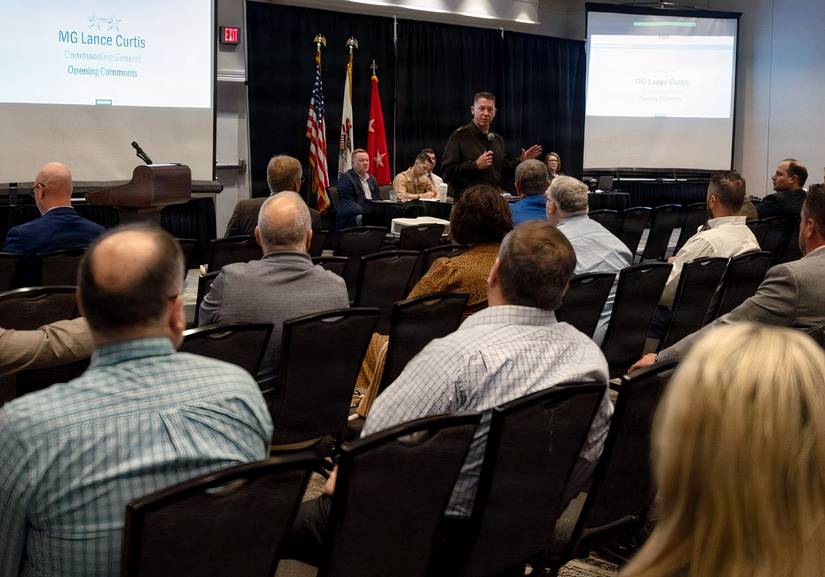
To ease the transition and reduce stress this year, consider the potential out-of-pocket costs and day-to-day expenses ahead of reimbursements and what actually gets covered. These potential personal costs include:
- Extended temporary lodging that exceeds the authorized time
- Pet accommodations
- Higher food costs over per diem rates
- Fees and deposits for new homes
- Vehicle costs related to registration, plates, inspections, etc.
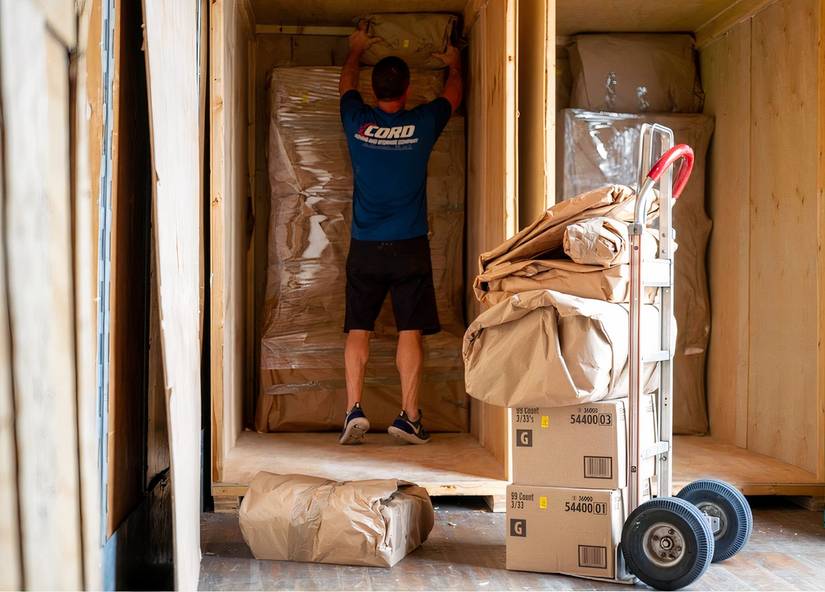
- Immediate household needs (if shipments are delayed, lost or damaged)
- School expenses
- Move-out costs such as professional cleaning, storage, or house repairs
- Basic new home purchases, such as lawn equipment
PCS moves create financial strain, so planning ahead (when possible) and putting some savings aside can help provide some relief. It is better to anticipate uncertainty than assume everything will go right.
Making new friendships and connections does not have to feel like a calculated event, either. Simply using the base and local resources can get you a step closer to finding your tribe and trusted networks.
The initial feelings of loss and isolation are eventually replaced with new experiences. Whether participating in spouse or children’s groups and activities, either will lead to positive emotional adjustments and support. The key to navigating the PCS season is to plan ahead and find local resources or events that will help you connect with your new local community.
Also see 3 Big Military PCS Changes Are Coming at Once. Here’s What to Know Before 2026 Peak Season
Read the full article here
